
Mine de Crayon Conté
En 1794, la France est sous blocus. Le graphite vient des mines de Borrowdale, en Angleterre, et l'Angleterre n'en vend plus. Or sans crayon, pas de plans, pas d'artillerie, pas d'ingénieurs. Carnot demande à Nicolas-Jacques Conté de trouver une solution. Il la trouve en huit jours.
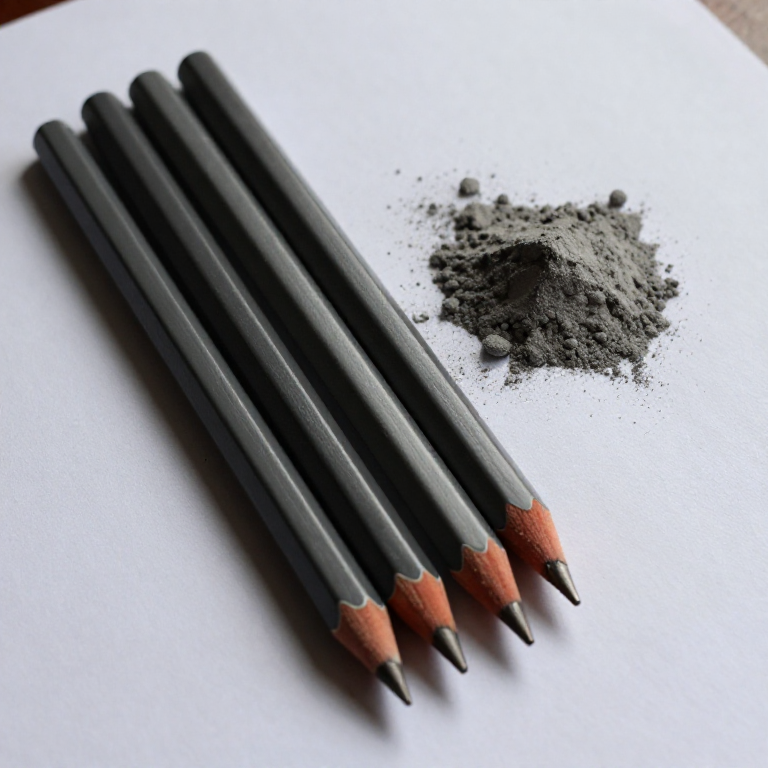
L'idée : ne plus tailler le graphite pur, mais le broyer et le mélanger à de l'argile. On façonne des baguettes, on les cuit au four, on les colle entre deux demi-cylindres de bois. Le brevet est déposé en 1795.
Et il y a mieux que de contourner le blocus : plus on met d'argile, plus la mine est dure et claire. C'est de là que viennent les H et les B de toutes les boîtes de crayons du monde.
안내
Travailler avec un masque anti-poussière
Travailler avec un masque anti-poussière
Le graphite et l'argile sèche font une poussière fine qu'il ne faut pas respirer. Masque anti-poussière, et on broie de préférence humide plutôt qu'à sec.
Broyer le graphite très finement
Broyer le graphite très finement
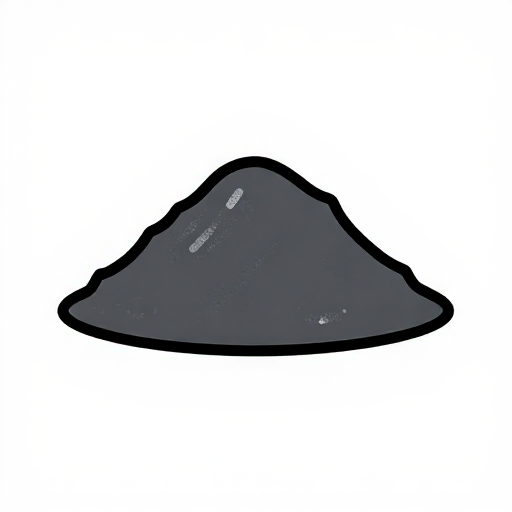
Réduire le graphite en poudre impalpable au mortier. Plus la poudre est fine, plus la mine sera lisse — un grain qui reste raye le papier.
이 단계의 재료:
 흑연 분말100 g
Tamiser les deux poudres
Tamiser les deux poudres
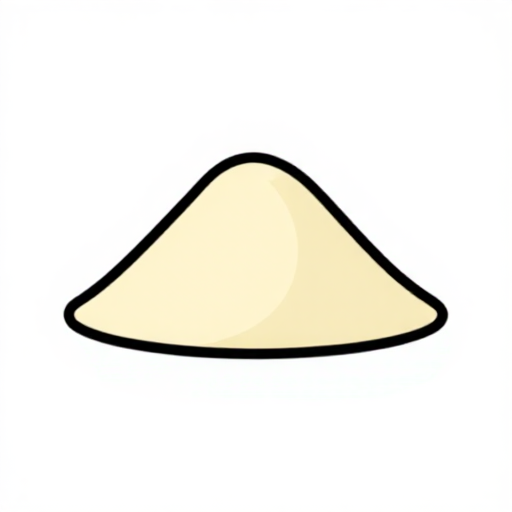
Passer le graphite et l'argile séparément au tamis fin. Tout grumeau restant deviendra un point dur dans la mine.
이 단계의 재료:
 볼클레이 가루100 g
필요한 도구:
 고운 체
고운 체Peser le mélange selon la dureté voulue
Peser le mélange selon la dureté voulue
Environ 30 % d'argile pour une mine tendre et noire, 60 % pour une mine dure et grise. C'est ce seul rapport qui fait toute la gamme, du B au H.
필요한 도구:
 디지털 저울
Noter le rapport avant de continuer
Noter le rapport avant de continuer
Écrire le pourcentage sur un papier posé à côté du tas. Une fois les mines cuites, rien ne permet de deviner laquelle contenait quoi.
Mélanger à sec, puis mouiller peu à peu
Mélanger à sec, puis mouiller peu à peu
Bien mêler les deux poudres à sec, puis ajouter l'eau goutte à goutte jusqu'à obtenir une pâte de la consistance d'une pâte à modeler ferme.
Pétrir longuement
Pétrir longuement
Pétrir dix minutes au moins. Une pâte mal mélangée donne une mine qui écrit noir par endroits et gris à côté.
Former les baguettes
Former les baguettes
Rouler des baguettes régulières d'environ 2 mm de diamètre, ou les extruder à la seringue. Le diamètre doit être constant sur toute la longueur.
Sécher lentement à l'air
Sécher lentement à l'air
Laisser sécher à plat, à l'abri des courants d'air, pendant deux à trois jours. Un séchage rapide fait éclater ou courber les baguettes.
Cuire vers 900 °C
Cuire vers 900 °C
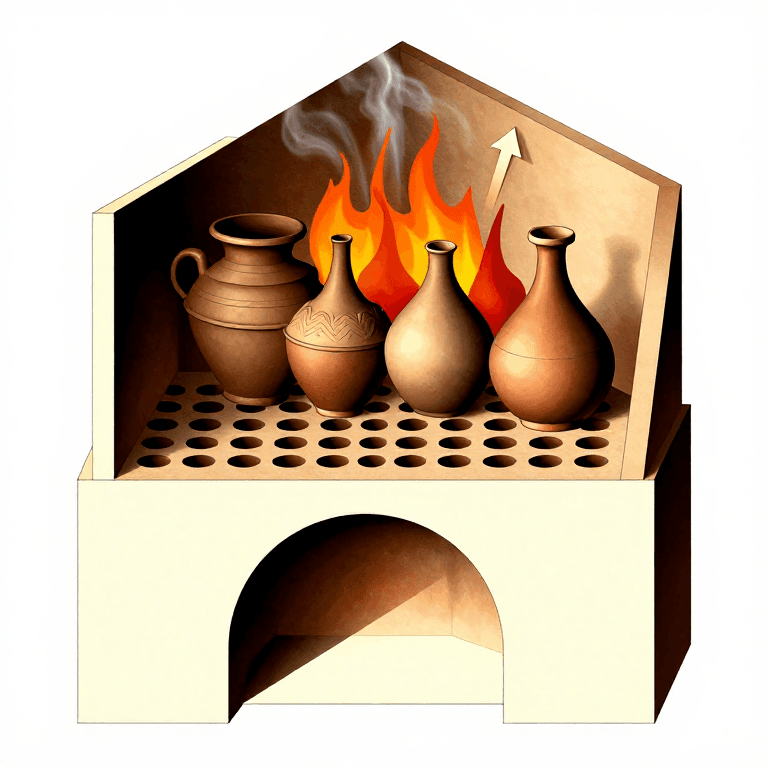
Cuire les baguettes dans un four à céramique, montée lente jusqu'à environ 900 °C. C'est la cuisson qui durcit l'argile et fixe la mine.
Laisser refroidir dans le four
Laisser refroidir dans le four
Ne pas ouvrir le four tant qu'il est chaud. Un choc thermique fend les mines dans la longueur.
Imprégner les mines de cire ou de gras
Imprégner les mines de cire ou de gras
Tremper les mines cuites dans de la cire d'abeille fondue ou de l'huile chaude. Sans cela la mine crisse et griffe : c'est le gras qui fait glisser le crayon sur le papier.
이 단계의 재료:
 밀랍 펠릿50 g
Creuser deux demi-cylindres de bois
Creuser deux demi-cylindres de bois
Rainurer deux baguettes de cèdre ou de tilleul sur toute leur longueur, de façon que les deux rainures forment exactement le logement de la mine.
이 단계의 재료:
 경목 판재1 개
Coller la mine entre les deux moitiés
Coller la mine entre les deux moitiés
Poser la mine dans la rainure, encoller et serrer les deux moitiés ensemble jusqu'à séchage complet. Puis raboter et poncer le crayon à la forme voulue.
Essayer la gamme obtenue
Essayer la gamme obtenue
Tracer un trait avec chaque mine sur la même feuille, en notant le pourcentage d'argile. On voit alors sa propre échelle de duretés apparaître.
Histoire et contexte — le crayon né d'un blocus
Histoire et contexte — le crayon né d'un blocus
Un problème militaire, pas artistique. Jusqu'à la fin du XVIIIe siècle, le bon crayon était fait de graphite massif scié en baguettes, et le seul gisement assez pur pour cela se trouvait à Borrowdale, en Cumbrie. Pendant les guerres de la Révolution, la France n'y a plus accès. Lazare Carnot charge Nicolas-Jacques Conté — peintre, aérostier, chimiste, futur savant de l'expédition d'Égypte — de trouver un substitut. Conté dépose son brevet en 1795.
Le procédé change la nature même du crayon. Le graphite pur ne se dose pas : il est ce qu'il est. Mélangé à de l'argile et cuit, il devient réglable. En faisant varier la proportion d'argile, Conté obtient une série continue de duretés — c'est l'origine directe des mentions H (hard) et B (black) que porte encore aujourd'hui n'importe quel crayon, dans n'importe quel pays. Le procédé permet aussi d'utiliser du graphite médiocre, en poudre, qu'aucun scieur n'aurait pu employer.
Une invention parallèle, et une confusion fréquente. L'Autrichien Joseph Hardtmuth travaillait au même moment sur un mélange graphite-argile, et la maison Koh-i-Noor s'en réclame. Les deux démarches sont largement indépendantes ; attribuer l'idée à un seul homme est commode mais inexact. Ce qui est certain, c'est que le procédé français a été publié, industrialisé, et qu'il porte toujours le nom de Conté — comme la craie qu'il a également mise au point.
Et le fameux « plomb ». On dit toujours mine de plomb, en français comme en anglais (pencil lead), et il n'y a jamais eu de plomb dedans. Le graphite a longtemps été pris pour une variété de galène ; le nom est resté après que la chimie eut tranché. Un crayon n'a donc jamais empoisonné personne — ce qui n'empêche pas la légende de circuler encore.
이 블루프린트로 만드는 것
관련 블루프린트
이 블루프린트들은 지식을 공유합니다 — 기술, 재료 또는 원리

CC0 퍼블릭 도메인
이 블루프린트는 CC0로 공개되었습니다. 어떤 목적으로든 자유롭게 복사, 수정, 배포 및 사용할 수 있습니다.
제품 구매를 통해 메이커를 지원하세요. 판매자가 설정한 메이커 커미션 을 받거나, 이 블루프린트의 새로운 반복을 만들어 연결로 포함시킬 수 있습니다.