예술
뷰티 및 웰니스
공예
문화 및 역사
엔터테인먼트
환경
음식 및 음료
역공학
과학
스포츠
기술
웨어러블
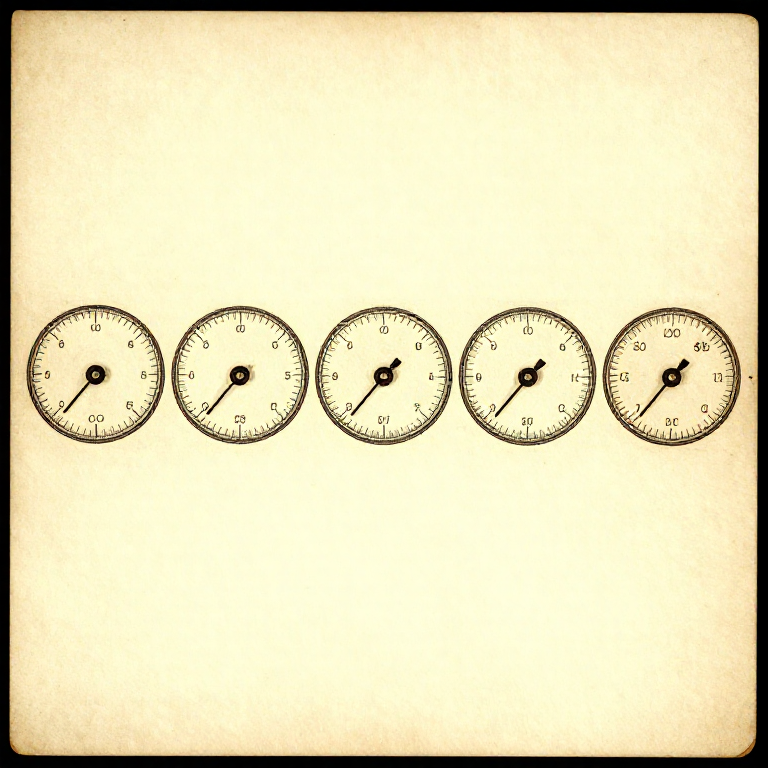


One Reading Is Not a Measurement: Repeat It, and Look at the Spread
Take one reading and you have a number. Take six and you have a MEASUREMENT — because the six tell you how much the one was worth.
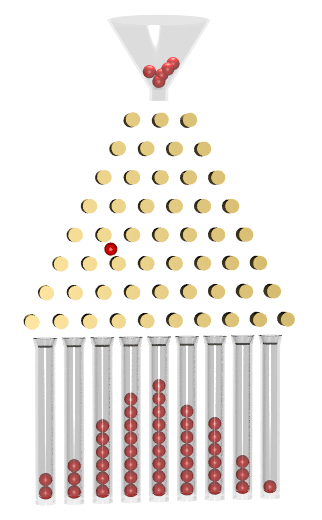
The spread between repeats is not a nuisance to be hidden. It is the only honest estimate you have of how far any single reading might be from the truth, and it costs nothing except doing the thing five more times.
It also gets better faster than most people expect. The scatter of an AVERAGE shrinks as the square root of how many readings went into it, so four readings halve it and sixteen quarter it. That rule is why repeating is the cheapest accuracy you will ever buy.
초급
2 hours
안내
1
1
Repeat the whole measurement, not just the reading
Repeat the whole measurement, not just the reading
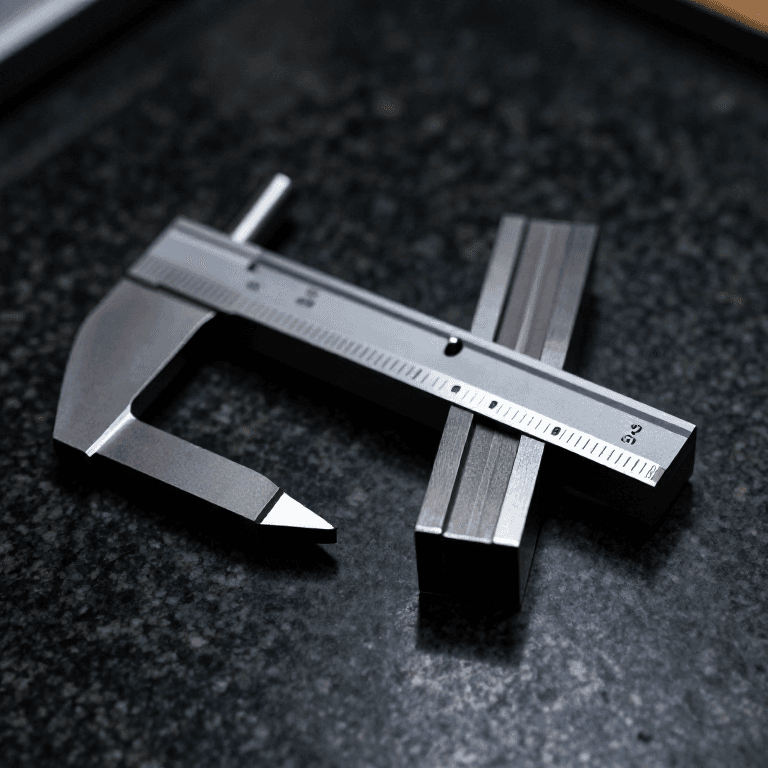
Reading the same dial twice tells you nothing. Repeat from the START: set the work down and pick it up again, re-close the caliper, restart the timer, re-tare the scale.
Most of the variation in a hand measurement comes from how the instrument was PLACED, not from the instrument. A caliper read three times without moving it gives three identical numbers and a false sense of precision; re-closed three times it gives the real spread.
Five or six repeats is the practical minimum. Three tells you only whether something has gone badly wrong; six starts to give a spread you can quote.
필요한 도구:
 디지털 캘리퍼스 6인치
2
2
Write every repeat down, including the one you dislike
Write every repeat down, including the one you dislike
Record all of them, in order, as you take them. The reading that looks wrong is the most informative one in the set, and it is the first to vanish if you wait and write down what you remember.
A reading may be DISCARDED, but only for a reason you can state — the piece slipped, the timer was started late, the balance had not settled. Write the reason next to it and keep the number. Deleting an outlier because it is inconvenient is how a measurement quietly becomes a wish.
In order matters too: a set that drifts steadily upward is telling you something a shuffled set cannot. Drift usually means something is warming up, settling, drying, or being worn away by the measuring.
필요한 도구:
디지털 캘리퍼스 6인치3
3
What six repeats actually buy you
What six repeats actually buy you
Jupyter 노트북 불러오는 중…
필요한 도구:
 스톱워치
스톱워치 진자
진자 데스크톱 컴퓨터
4
4
Quote the mean and the spread together, or quote neither
Quote the mean and the spread together, or quote neither
Write the result as the mean plus or minus the scatter of the mean — for six readings, the sample standard deviation divided by the square root of six. That one line says what you found and how hard you looked.
Say how many repeats went into it. "2.01 s" and "2.01 plus or minus 0.05 s, n=6" are different claims, and only the second can be checked or repeated by anyone else.
And round the uncertainty first, to one or two digits, then round the value to match it. A result quoted as 2.0134 plus or minus 0.05 is announcing four digits it cannot support. The measurement-uncertainty rung takes that arithmetic further; this rung is only the part you can do with six numbers and a calculator.
필요한 도구:
 계산기
계산기관련 블루프린트
이 블루프린트들은 지식을 공유합니다 — 기술, 재료 또는 원리

CC0 퍼블릭 도메인
이 블루프린트는 CC0로 공개되었습니다. 어떤 목적으로든 자유롭게 복사, 수정, 배포 및 사용할 수 있습니다.
제품 구매를 통해 메이커를 지원하세요. 판매자가 설정한 메이커 커미션 을 받거나, 이 블루프린트의 새로운 반복을 만들어 연결로 포함시킬 수 있습니다.