예술
뷰티 및 웰니스
공예
문화 및 역사
엔터테인먼트
환경
음식 및 음료
역공학
과학
스포츠
기술
웨어러블
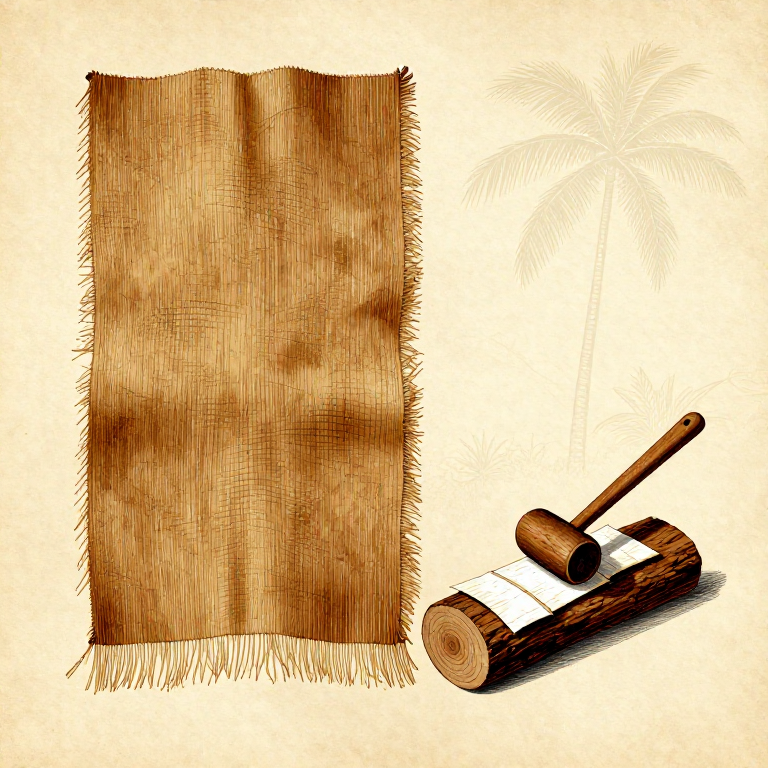


Making Bark Cloth (Tapa) — Beaten Inner Bark Fabric
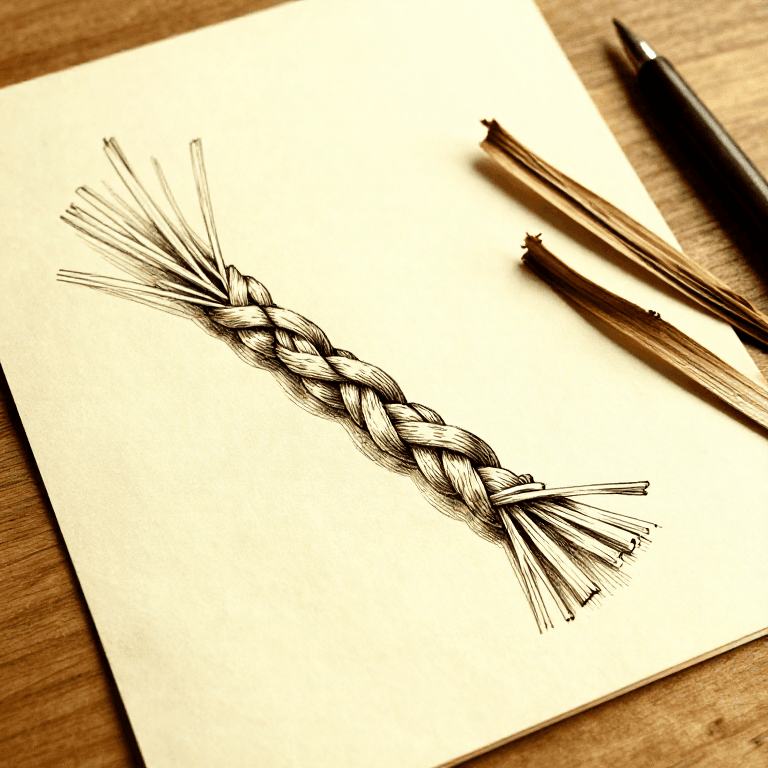
Bark cloth (tapa) is a textile material made by soaking and beating the inner bark of certain trees until the fibres spread and interlock into a soft, flexible sheet. It predates all woven textiles and was independently developed across Polynesia, Mesoamerica, Africa, and Southeast Asia. The best bark cloth comes from trees in the mulberry family — paper mulberry (Broussonetia papyrifera), fig (Ficus), and breadfruit — whose inner bark contains long, strong bast fibres that felt together when pounded. The process is simple but physically demanding: strip the inner bark, soak it to soften the fibres, then beat it with a grooved wooden mallet on a flat log until the strip expands to 3-4 times its original width. The result is a surprisingly soft, leather-like fabric.
중급
4-6 hours (plus soaking)
안내
1
1
Select a Tree with Suitable Inner Bark
Select a Tree with Suitable Inner Bark
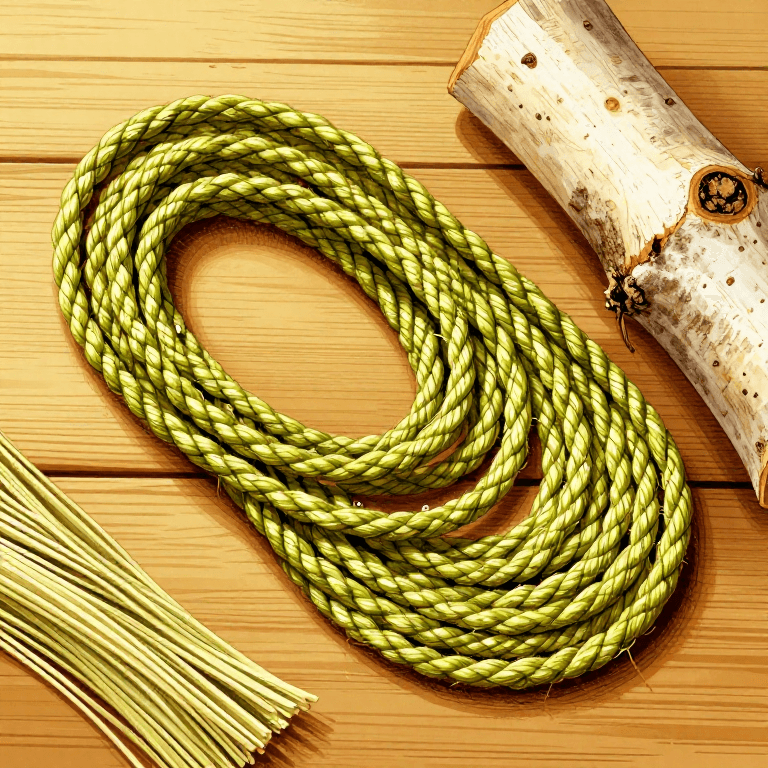
Choose a tree species known for strong, long bast fibres in the inner bark. Paper mulberry, fig, linden (basswood), and elm are all suitable. The tree should be at least 10 to 15 cm in diameter — smaller trees yield bark strips too narrow for useful cloth. Spring and early summer are the best times, when sap is flowing and bark separates easily.
이 단계의 재료:
 경목 어린나무1 개
2
2
Cut and Peel the Outer Bark
Cut and Peel the Outer Bark
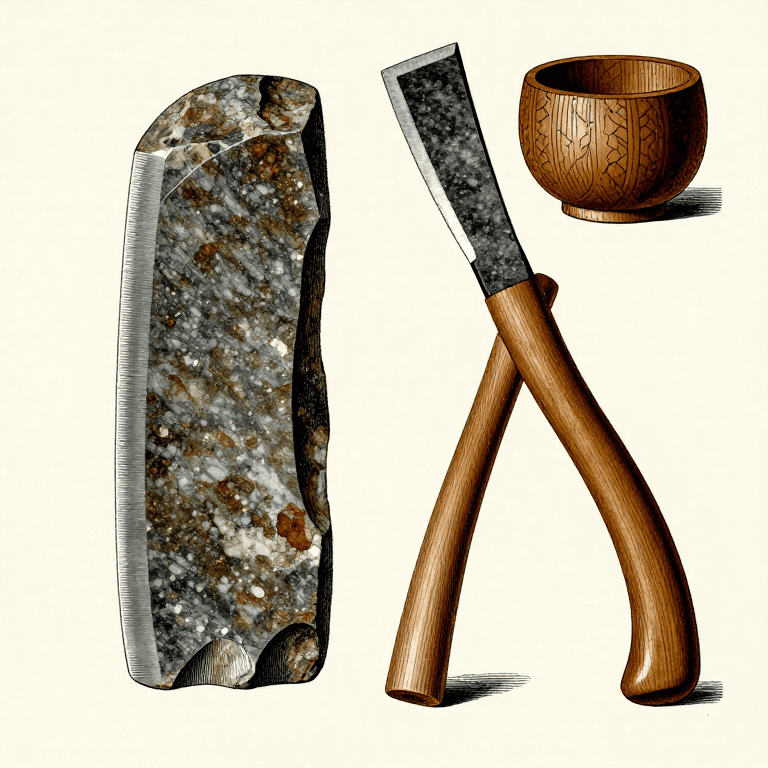
Score two horizontal rings around the trunk 60 to 90 cm apart, then make a vertical cut connecting them. Pry the bark away from the trunk using a flat stone or bone wedge, working carefully to keep the sheet intact. The bark should come away as a single curved panel. If the bark resists, tap along the edges with a wooden mallet to break the cambium layer loose.
3
3
Separate the Inner Bark from the Outer Bark
Separate the Inner Bark from the Outer Bark
Lay the bark panel on a flat surface. The outer bark is the rough, dark exterior layer. Beneath it is the inner bark (bast layer) — a lighter-coloured, fibrous layer that peels away in long strips. Carefully separate the two by hand, pulling the inner bark away from the outer bark. Discard the outer bark. The inner bark strips should be flexible and stringy.
4
4
Soak the Inner Bark Strips in Water
Soak the Inner Bark Strips in Water
Submerge the inner bark strips in water for 3 to 7 days. Running water (a stream) is ideal as it washes away soluble tannins and gums that make the bark stiff. Still water works but should be changed every 2 days to prevent rotting. The soaking softens the fibres and makes them pliable enough to spread during beating. The bark is ready when it feels soft and flexible, like wet fabric.
5
5
Place Soaked Bark on a Flat Log Anvil
Place Soaked Bark on a Flat Log Anvil
Lay a soaked bark strip flat on a smooth, hard log that serves as a beating anvil. The log should be debarked, about 20 cm in diameter, and set at a comfortable working height. The bark strip is laid perpendicular to the log's length so it can be beaten across its width.
필요한 도구:
 평평한 돌판
6
6
Beat with a Grooved Wooden Mallet
Beat with a Grooved Wooden Mallet
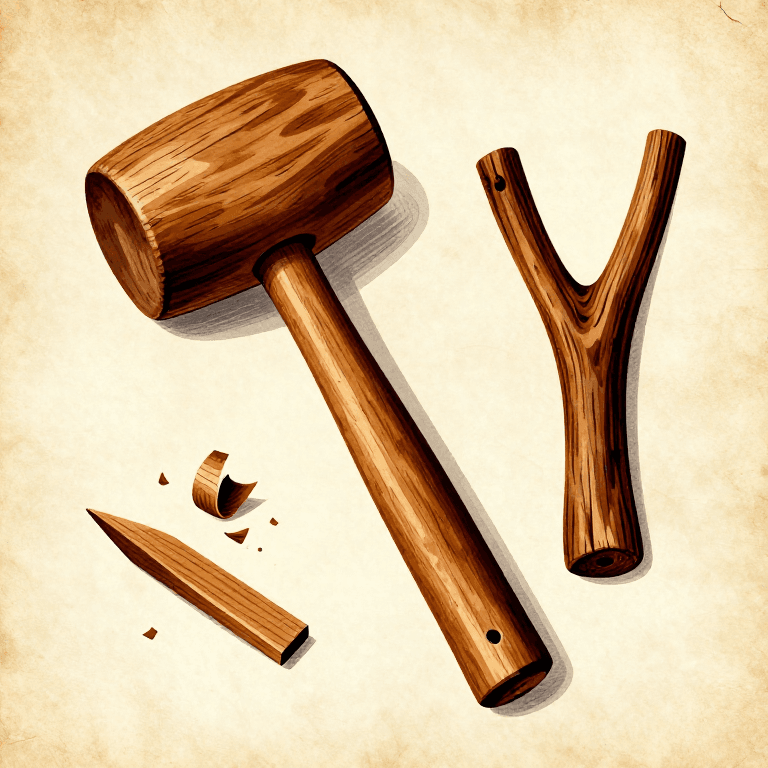
Strike the bark strip with a wooden mallet that has shallow grooves carved across its face. The grooves grip the wet fibres and spread them laterally with each stroke. Beat across the grain of the bark — perpendicular to the fibre direction — using firm, even strokes. Work systematically from one end to the other, overlapping each row of strikes.
7
7
Fold and Beat Again to Double the Width
Fold and Beat Again to Double the Width
After the first round of beating, the strip will have expanded to roughly twice its original width. Fold the beaten strip in half along its length and beat it again. This doubles the layers and further interlocks the fibres. The folding and rebeating process is what transforms loose bark fibres into a cohesive sheet — the fibres entangle and felt together under the repeated impact.
8
8
Continue Beating Until Fibres Interlock
Continue Beating Until Fibres Interlock
Continue the beating process for 1 to 2 hours total, periodically unfolding and refolding the bark. The finished cloth should be 3 to 4 times the original width of the bark strip. Hold it up to the light — it should be uniformly thin with no thick lumps or holes. The fibres should be so thoroughly interlocked that the sheet holds together when gently pulled.
9
9
Rinse the Beaten Cloth
Rinse the Beaten Cloth
Rinse the beaten bark cloth in clean water to wash out any remaining plant sap, tannins, or loose fibre fragments. Gently squeeze — do not wring — the cloth to remove excess water. The rinsed cloth should be a uniform cream or tan colour.
10
10
Dry Flat on a Frame in Shade
Dry Flat on a Frame in Shade
Stretch the damp bark cloth over a flat frame or lay it on a clean, flat surface in the shade to dry. Drying in direct sun can make the cloth brittle. Weight the edges to prevent curling. Drying takes 1 to 2 days depending on humidity. The cloth will stiffen slightly as it dries but remains flexible.
11
11
Soften by Rubbing and Flexing When Dry
Soften by Rubbing and Flexing When Dry
Once fully dry, soften the bark cloth by rubbing it vigorously between your hands, folding and unfolding it repeatedly, and pulling it over the edge of a smooth wooden beam. This breaks up any stiff spots and makes the cloth supple enough to wear against skin. The finished tapa cloth can be used for clothing, blankets, bags, or wrapping — it is surprisingly durable and water-resistant.
연결된 블루프린트 재료

관련 블루프린트
이 블루프린트들은 지식을 공유합니다 — 기술, 재료 또는 원리
CC0 퍼블릭 도메인
이 블루프린트는 CC0로 공개되었습니다. 어떤 목적으로든 자유롭게 복사, 수정, 배포 및 사용할 수 있습니다.
제품 구매를 통해 메이커를 지원하세요. 판매자가 설정한 메이커 커미션 을 받거나, 이 블루프린트의 새로운 반복을 만들어 연결로 포함시킬 수 있습니다.