예술
뷰티 및 웰니스
공예
문화 및 역사
엔터테인먼트
환경
음식 및 음료
역공학
과학
스포츠
기술
웨어러블
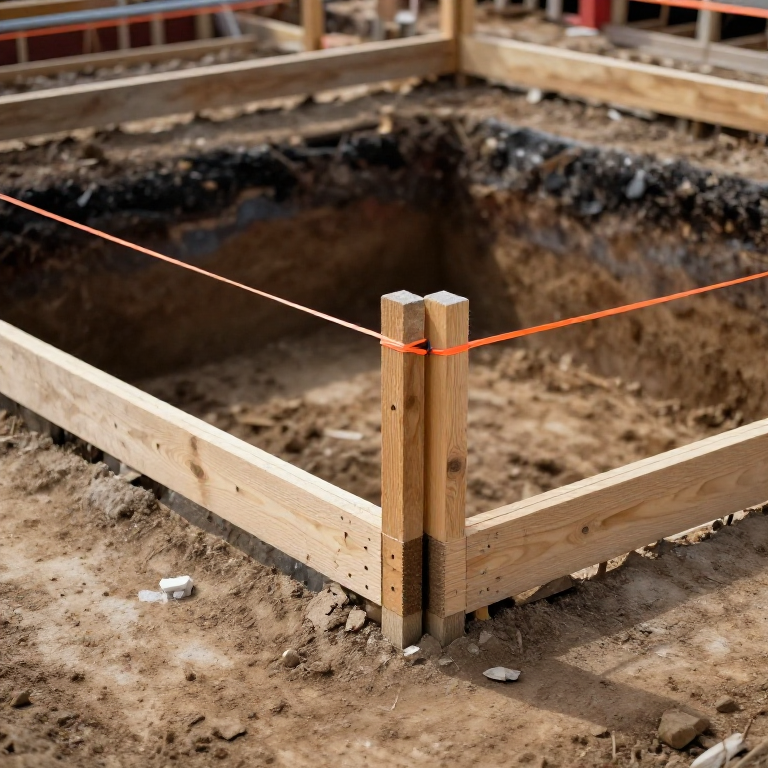


Setting Out a Building: Profiles and Batter Boards
You have pegged out a perfect rectangle. Now the digger arrives and removes every peg in the first ten minutes, because the pegs are exactly where the trench goes.
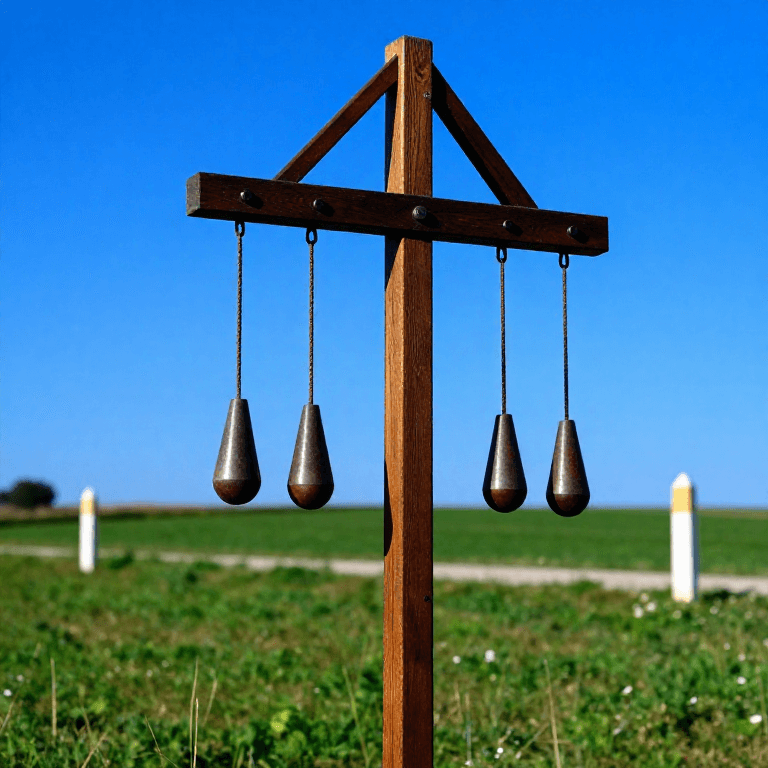
The answer is older than machinery and completely reliable: move the information OFF the building line. Batter boards — profiles — are horizontal rails set well outside the excavation, carrying saw-cuts or nails that mark where each line runs. Stretch a string between two matching marks and the line reappears, exactly where it was, as many times as you need it.
This rung is the one that turns a survey into a building, and it is the one most often improvised badly. It also carries the levels: the top of the board is usually set to a round height above datum, so a tape from the string gives depth without re-levelling.
중급
1 day
안내
1
1
Set the profiles well clear of the dig
Set the profiles well clear of the dig
Drive two stout posts at each corner region, at least a metre and a half outside the building line, and nail a horizontal rail across them.
A metre and a half is a minimum, not a target — an excavator's tracks and its spoil heap need more than people expect, and a profile knocked out of position is worse than no profile, because it still looks authoritative. Put them where the machine will not go, and brace them so a knock moves the whole assembly rather than twisting one post.
이 단계의 재료:
 더글러스퍼 대들보8 length
 아연 도금 못50 개
필요한 도구:
 못뽑이 망치
 손톱(핸드소)
2
2
Set every rail to ONE level
Set every rail to ONE level
Using the water level or the optical level, set the top edge of every rail to the same height — ideally a round number above your datum, such as exactly one metre.
Now a single tape measurement down from a string gives you the depth of anything, anywhere on the site, with no arithmetic. Setting the rails at arbitrary heights works for the plan lines and throws away this entire second function, which is most of what profiles are worth.
필요한 도구:
 광학 레벨 (측량)
 표척
표척 투명 비닐 튜브
3
3
Transfer the lines onto the rails
Transfer the lines onto the rails
Stretch a string along each building line from its corner pegs, extend it to the rails, and mark where it crosses with a saw-cut — not a pencil mark.
A saw-cut survives rain, mud, gloves and three months. A pencil line does not last a week outdoors. Cut a second mark for the outside of the foundation and a third for the trench edge, and label each one on the rail in paint or with a nailed tag, because by the time you need them you will not remember which is which.
이 단계의 재료:
 먹줄(수평 실)100 metre아연 도금 못30 개
필요한 도구:
손톱(핸드소) 다림추
다림추4
4
Check the diagonals again, from the profiles
Check the diagonals again, from the profiles
String up all four building lines from the rails and measure the diagonals of the rectangle they form.
This checks the transfer, not the original layout — a saw-cut in the wrong place is easy and invisible. The diagonal check costs two minutes and catches it before anything is dug. Re-check the diagonals every time you re-string, for the whole life of the job, because a rail does get knocked eventually and nothing about a wrong string looks wrong.
필요한 도구:
 줄자
줄자5
5
Working depths and the tolerance you actually have
Working depths and the tolerance you actually have
Jupyter 노트북 불러오는 중…
필요한 도구:
줄자6
6
Leave a record on the site itself
Leave a record on the site itself
Paint the datum height and the rail height on one post, and note them in the book with a sketch showing which corner is which.
Sites change hands, work stops for winter, and the person who returns may not be you. A profile with no stated level is a piece of wood. Two painted numbers turn it back into a survey, and they cost thirty seconds at the moment you still remember what they are.
관련 블루프린트
이 블루프린트들은 지식을 공유합니다 — 기술, 재료 또는 원리


CC0 퍼블릭 도메인
이 블루프린트는 CC0로 공개되었습니다. 어떤 목적으로든 자유롭게 복사, 수정, 배포 및 사용할 수 있습니다.
제품 구매를 통해 메이커를 지원하세요. 판매자가 설정한 메이커 커미션 을 받거나, 이 블루프린트의 새로운 반복을 만들어 연결로 포함시킬 수 있습니다.