
Sgraffito
안내
Choose a contrasting body and slip
Choose a contrasting body and slip
The design's colour is decided before you draw anything.
- Use a dark iron-bearing clay body.
- Prepare a pale slip — white or cream.
- Test-fire a sample of both to see the FIRED contrast, not the raw one.
이 단계의 재료:
 자기 흙2 kg
 이장 (묽은 점토)1 container
Apply slip at the right moisture
Apply slip at the right moisture
Timing is the commonest failure and it is narrow.
- Let the pot dry to soft leather-hard.
- Dip, pour or brush the slip on evenly.
- Let it stiffen to firm leather-hard before drawing.
Cut through, and control the burr
Cut through, and control the burr
Scratch with a loop or a pointed tool and watch what the edge does.
- Draw a line firmly enough to reach the body beneath.
- Note the raised burr thrown up on each side.
- Try one line cut too early and one too late.
이 단계의 재료:
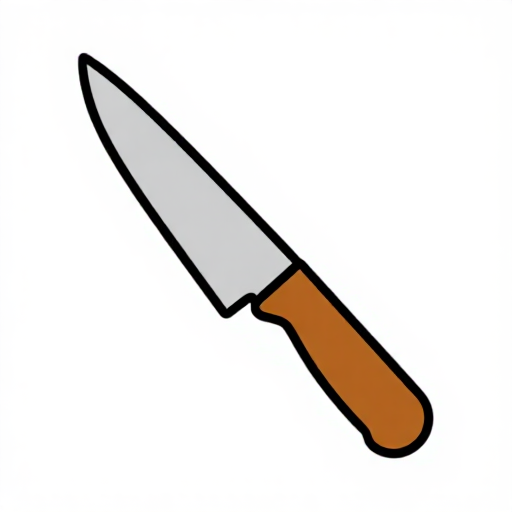 슬로이드 조각칼1 개
Try the reverse and the broad-area version
Try the reverse and the broad-area version
Two variations that change the whole character.
- Instead of drawing lines, cut AWAY the background so the design stands in pale slip on dark ground.
- Try a second slip colour laid over the first and cut through only the top layer.
History and context
History and context
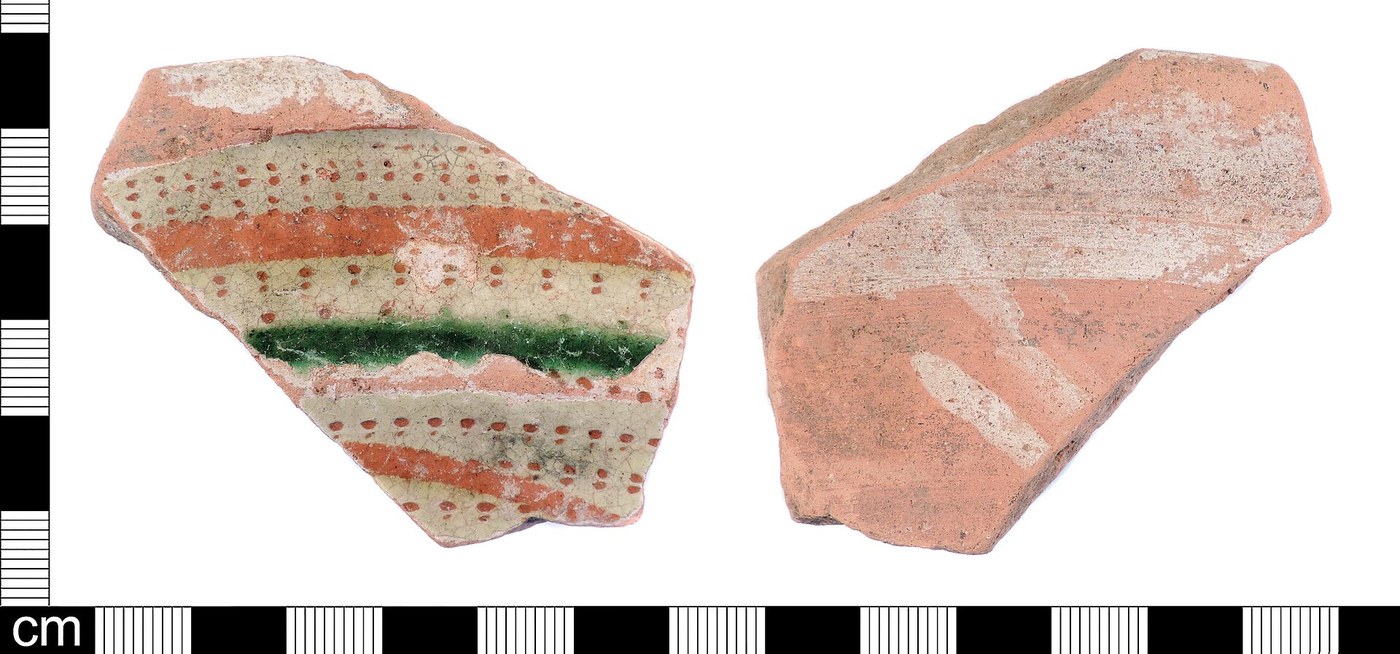
Sgraffito appears wherever a potter has two clays of different colour. It is widespread in the Islamic world from the tenth century, in Byzantine and medieval Italian ware, in German and English slipware, and in the Pennsylvania German folk tradition, where dishes carry inscriptions and tulips scratched through cream slip on red earthenware.
The same word covers a wall technique. Architectural sgraffito — layered coloured lime plasters scratched through to reveal the colour beneath — is a real tradition in Italy, Bavaria, Bohemia and Catalonia, and whole facades survive. Same principle, same name, different trade and different material.
Why it suits folk pottery specifically: it needs no expensive pigment, no glaze chemistry and no brush skill. A slip made from local pale clay and a sharpened stick produce it. That is exactly why it recurs independently in poor rural potteries across a thousand years while more expensive decoration comes and goes with fashion and trade routes.
What to look for on a museum piece: the line has a hard edge and often a faintly raised lip, and under a raking light you can see the depth of the cut. Painted decoration has soft edges and sits on the surface. Once you have made a piece yourself, telling the two apart across a display case is easy.
CC0 퍼블릭 도메인
이 블루프린트는 CC0로 공개되었습니다. 어떤 목적으로든 자유롭게 복사, 수정, 배포 및 사용할 수 있습니다.
제품 구매를 통해 메이커를 지원하세요. 판매자가 설정한 메이커 커미션 을 받거나, 이 블루프린트의 새로운 반복을 만들어 연결로 포함시킬 수 있습니다.