예술
뷰티 및 웰니스
공예
문화 및 역사
엔터테인먼트
환경
음식 및 음료
역공학
과학
스포츠
기술
웨어러블
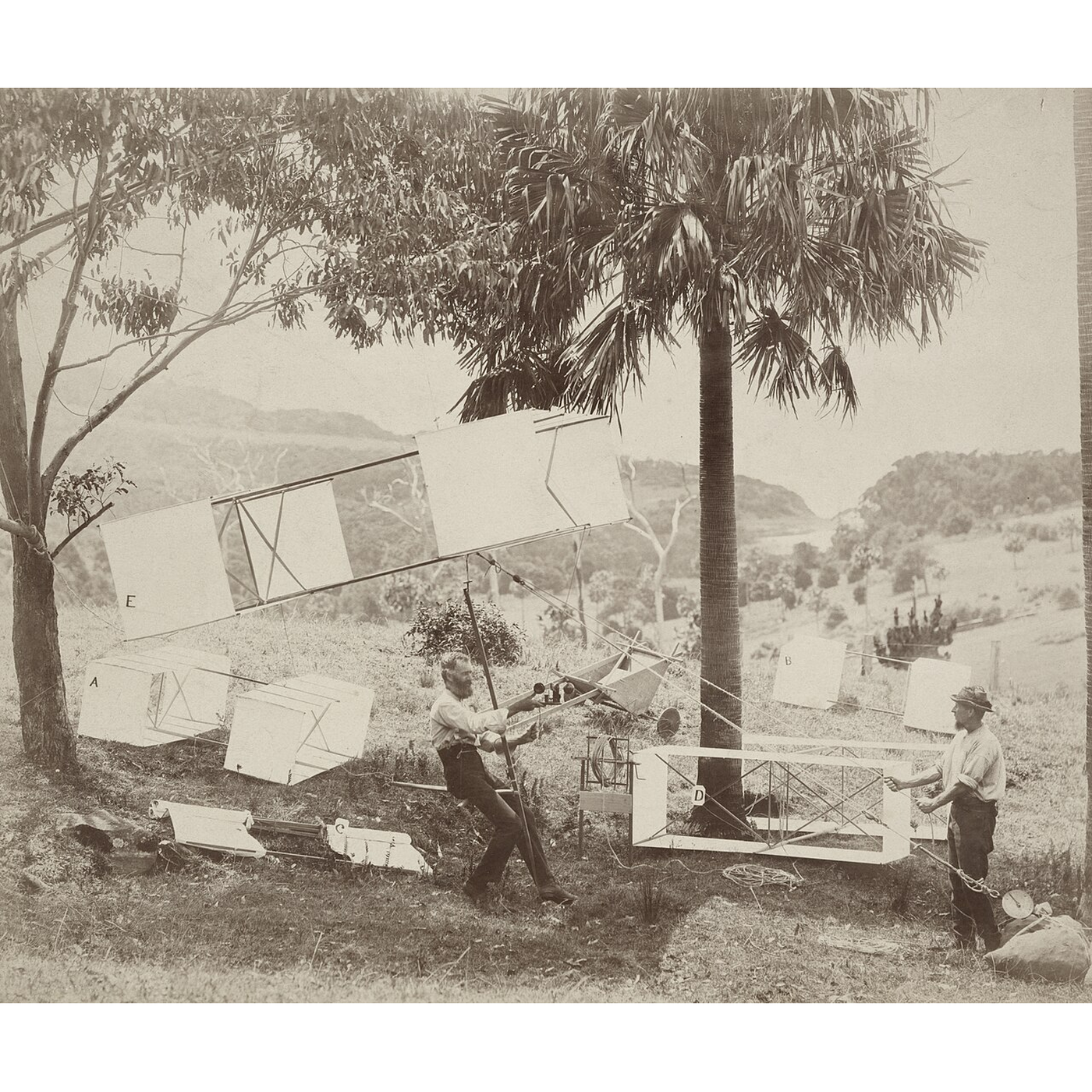


The Box Kite: Two Cells of Cloth That Hold Themselves Steady
Flat kites need a tail to stay steady and fly only in a narrow range of wind. Lawrence Hargrave, an English-born engineer working in Sydney on the problem of flight, built kites of two open boxes of cloth on a light frame in 1893. The horizontal faces lift, the vertical faces keep the kite facing the wind like a weathervane, and it flies steady without a tail.
On 12 November 1894, at Stanwell Park beach, he lifted himself off the ground under a train of four box kites. He published his work freely and took out no patents, believing discoveries should be shared. The box-kite cell shaped the early biplanes.
This rung works out a box kite's lift and the wind it needs, and builds one.
초급
About 4 hours
안내
1
1
Lift, weight and the wind it needs
Lift, weight and the wind it needs
Jupyter 노트북 불러오는 중…
2
2
Where lift was first measured
Where lift was first measured
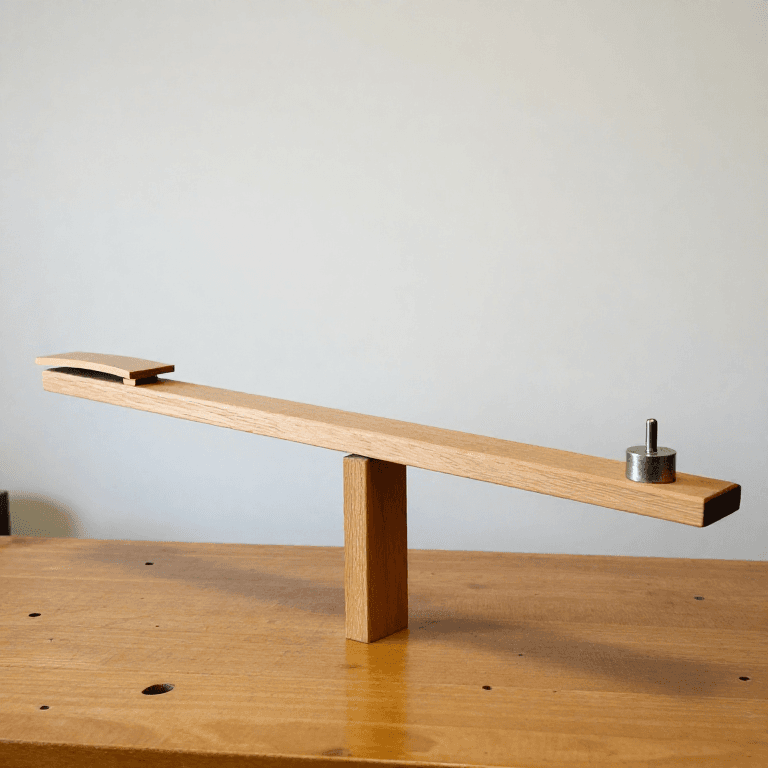
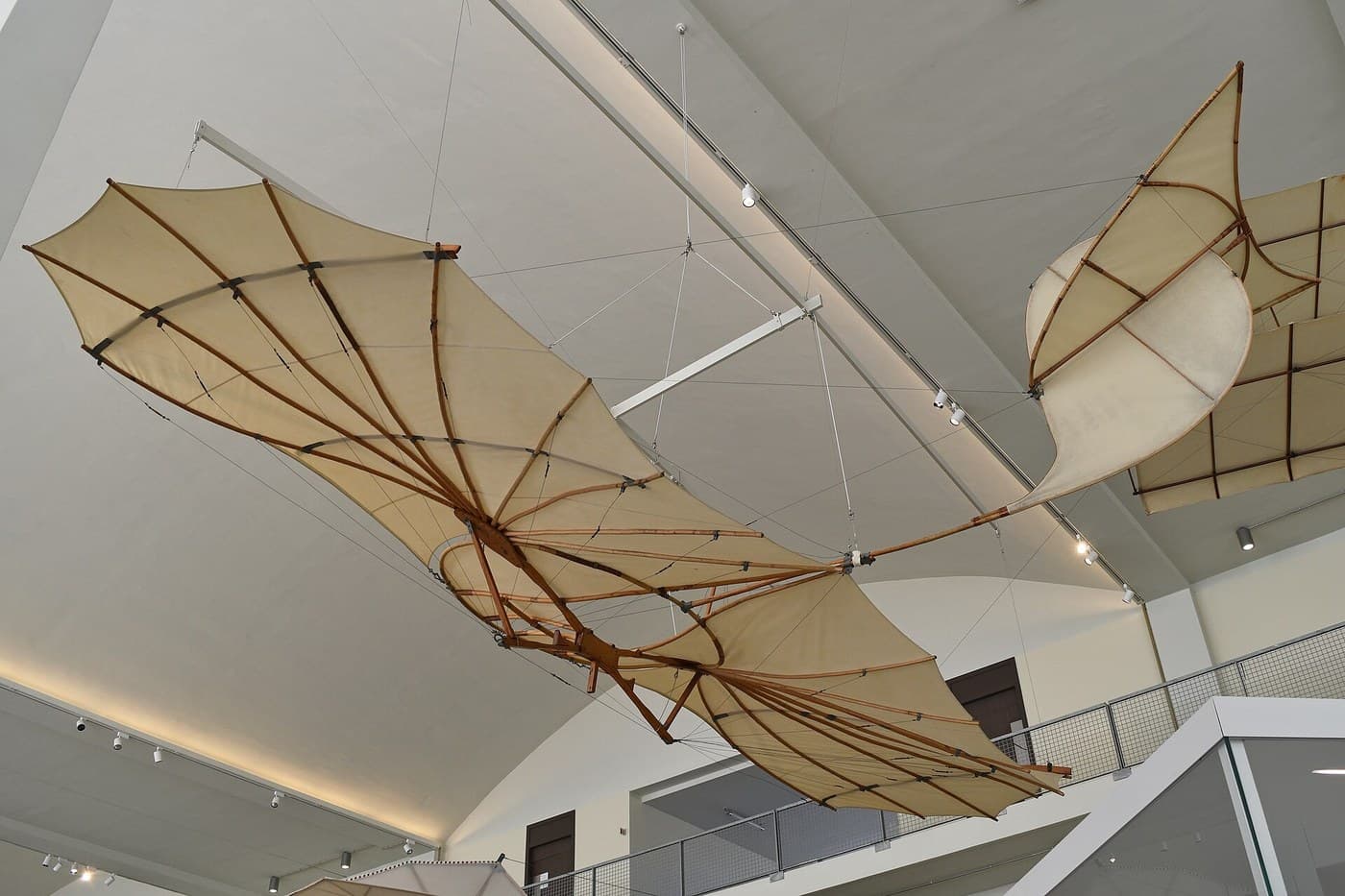
Cayley measured the lift of inclined surfaces on a whirling arm. The embedded blueprint repeats it; a kite is the same surface held on a line.
3
3
Build a Hargrave box kite
Build a Hargrave box kite
Cut four 900 mm pine dowels as longerons and eight 400 mm dowels as cross-spars. Sew two bands of ripstop nylon, each 1600 mm round and 300 mm wide, with a pocket at each corner for a longeron: these are the two cells, set 300 mm apart on the longerons.
Slide the longerons into the corner pockets so the bands form two square tubes. Fit two pairs of cross-spars inside each cell, diagonally, notched at the ends to grip the longerons and tension the cloth.
Tie a bridle to one longeron at the front of the front cell and the front of the rear cell, and tie the flying line to it about a third of the way back from the front. Fly it in open ground well away from power lines and roads.
이 단계의 재료:
 소나무 다월 세트1 개
 립스톱 나일론1 개
 면 조리용 실1 개
 낚싯줄(외줄)1 개
필요한 도구:
 재봉틀
재봉틀 자
자 줄자
줄자 글루건
글루건4
4
Measure the line pull against the wind
Measure the line pull against the wind
Tie a spring scale into the line near the ground anchor and read the pull at steady flight. At the same time measure the wind speed at head height with a handheld anemometer. Repeat on several days.
Plot line pull against wind speed squared: roughly a straight line, as lift goes with $v^2$. Fit it and work out your kite's $C_L$ from the notebook's formula, using the area of its horizontal faces.
필요한 도구:
 휴대용 풍속계
 힘 측정기(스프링 저울)
 스톱워치
스톱워치5
5
A box kite that will not fly well
A box kite that will not fly well
Box kite problems.
Flow
Loading...
6
6
History and honest limits
History and honest limits
**Lawrence Hargrave** (1850–1915) developed the box kite in Sydney in 1893 and lifted himself under four of them at Stanwell Park on 12 November 1894. He shared his results openly and did not patent them. Early aircraft makers, including those building the first European biplanes, took up the box-kite cell.
**Honest limits.** The lift coefficient in the notebook is an illustrative value; your measurements give your kite's. Man-lifting kites are dangerous and are not something to try.
관련 블루프린트
이 블루프린트들은 지식을 공유합니다 — 기술, 재료 또는 원리


CC0 퍼블릭 도메인
이 블루프린트는 CC0로 공개되었습니다. 어떤 목적으로든 자유롭게 복사, 수정, 배포 및 사용할 수 있습니다.
제품 구매를 통해 메이커를 지원하세요. 판매자가 설정한 메이커 커미션 을 받거나, 이 블루프린트의 새로운 반복을 만들어 연결로 포함시킬 수 있습니다.