예술
뷰티 및 웰니스
공예
문화 및 역사
엔터테인먼트
환경
음식 및 음료
역공학
과학
스포츠
기술
웨어러블
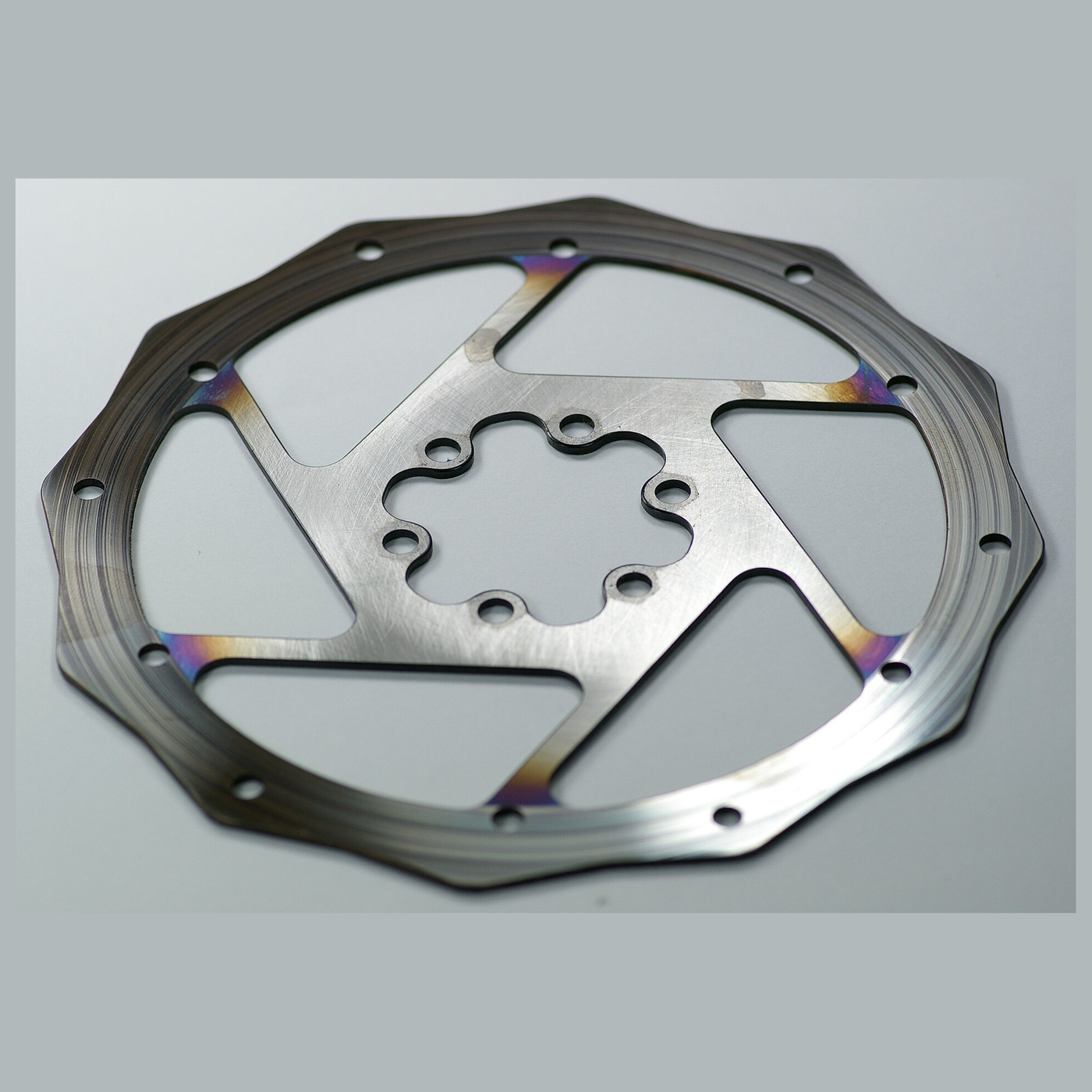


The Disc Brake: A Stop Is Heat, and the Disc Can Get Rid of It
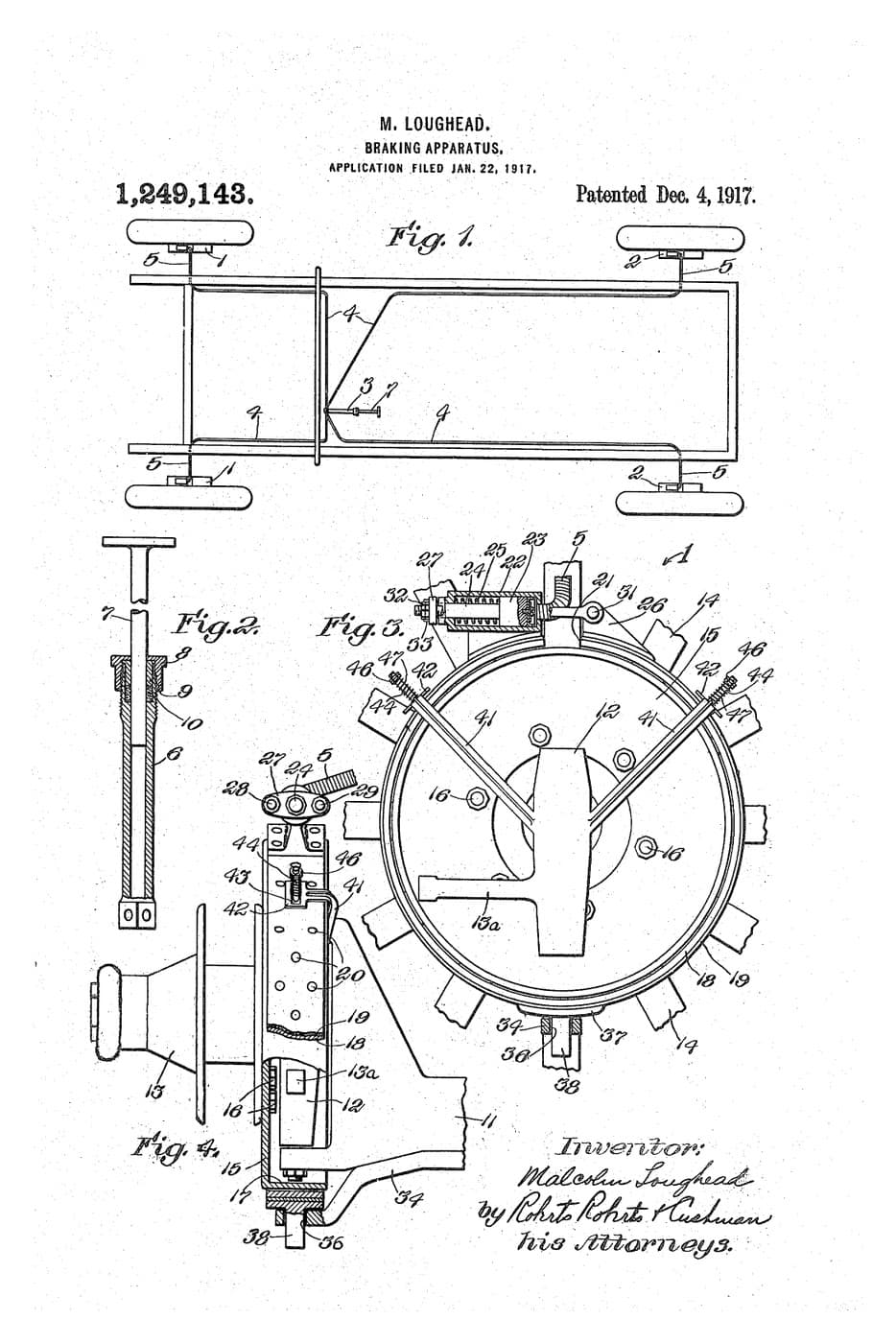
Frederick Lanchester, in Birmingham in 1902, fitted a car with a brake that clamped a disc between two pads, like a bicycle's calliper brake closing on a flat plate instead of a rim. The idea came back strongly in the 1950s, when faster cars were fading their drum brakes on long descents.
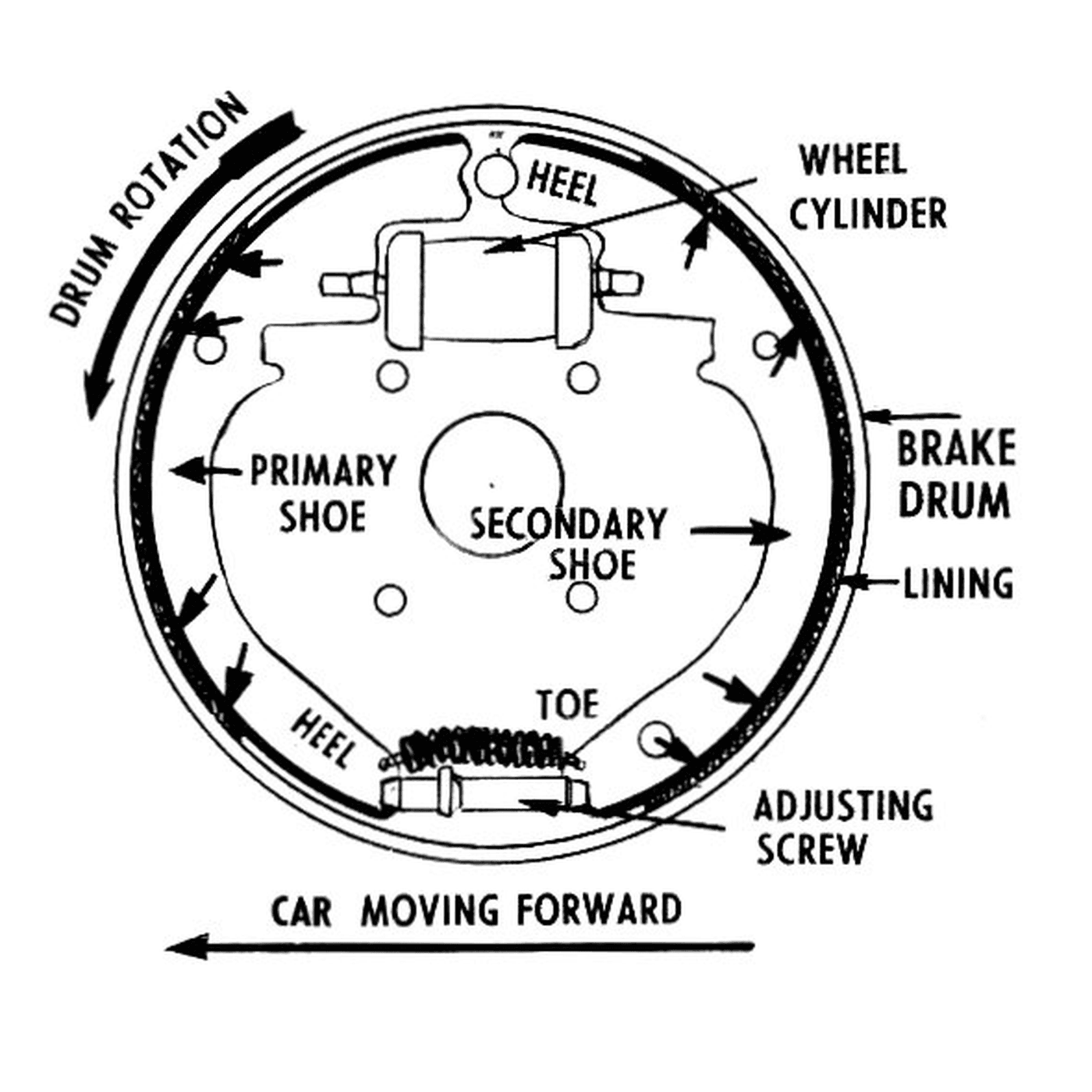
A brake turns the car's energy of motion into heat, and in a hard stop that heat has nowhere to go but into the brake itself. A disc's friction faces are open to the air, and a ventilated disc pumps air through its middle as it turns; there is no self-servo, so the braking stays steady as the pads heat.
This rung works out how hot a disc gets per stop and how hard the calliper must clamp, and measures a real disc's temperature after braking.
중급
About 2 hours
안내
1
1
Energy per stop and clamping force
Energy per stop and clamping force
Jupyter 노트북 불러오는 중…
2
2
Measure a disc after braking
Measure a disc after braking
On a bicycle with disc brakes (or a car, with its owner's help and on private ground), measure the disc temperature with the infrared thermometer before a stop, then brake firmly from a steady speed to a halt and measure again straight away — on the braking surface, not the shiny spokes. Repeat three stops in quick succession and watch the temperature climb: each stop adds heat faster than the disc can lose it.
Wait five minutes and measure again: most of the heat has gone. That cooling rate is what a ventilated disc improves.
Do not touch a disc after braking; it can be well over 100 °C. Look at the pads through the calliper: glazed, shiny pads have been overheated.
필요한 도구:
 적외선 온도계
 스톱워치
스톱워치 가죽 작업 장갑
3
3
History and context
History and context
**Frederick William Lanchester, Birmingham, 1902** — a calliper disc brake on a motor car. No patent number is asserted here. Disc brakes spread in aircraft in the 1930s and 40s; in cars they came back in the 1950s, when Jaguar raced with them at Le Mans in 1953, and from the 1960s they became standard at the front.
**Honest limits.** No self-servo, so a disc needs more clamping force than a drum — hence the servo assistance on most cars. Exposed discs collect water and dirt. And a disc can only absorb so much before its pads fade too: sustained descents still call for engine braking.
관련 블루프린트
이 블루프린트들은 지식을 공유합니다 — 기술, 재료 또는 원리

CC0 퍼블릭 도메인
이 블루프린트는 CC0로 공개되었습니다. 어떤 목적으로든 자유롭게 복사, 수정, 배포 및 사용할 수 있습니다.
제품 구매를 통해 메이커를 지원하세요. 판매자가 설정한 메이커 커미션 을 받거나, 이 블루프린트의 새로운 반복을 만들어 연결로 포함시킬 수 있습니다.