예술
뷰티 및 웰니스
공예
문화 및 역사
엔터테인먼트
환경
음식 및 음료
역공학
과학
스포츠
기술
웨어러블
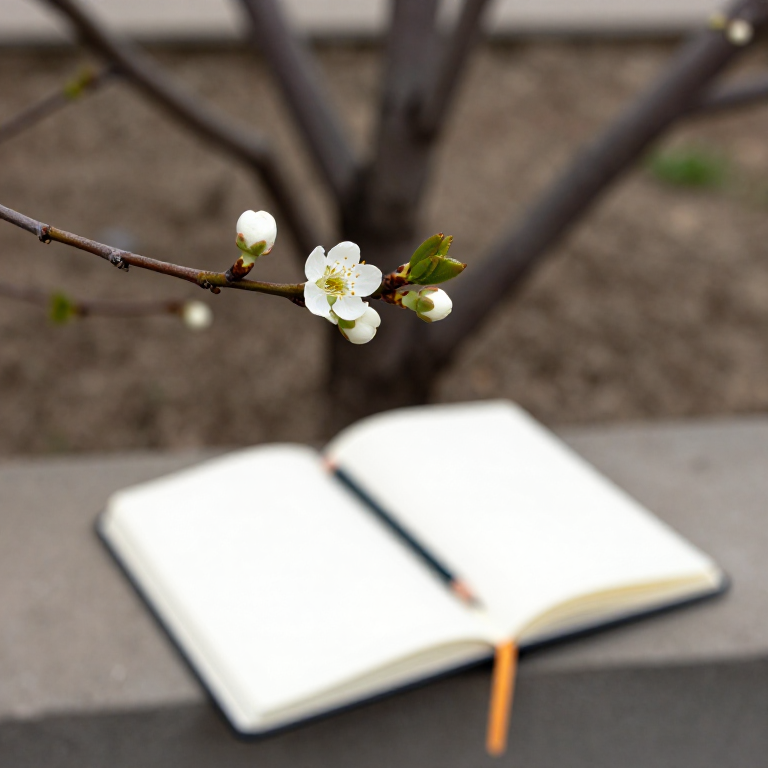


The Phenology Record: Writing Down When Things Happen
Every other rung in this batch measures how much or how many. This one measures WHEN, and it needs no equipment at all — only a date, a species, an event, and the discipline to write it down every year.
Robert Marsham began recording his 'Indications of Spring' in Norfolk in 1736: the first hawthorn leaf, the first swallow, the first frog spawn. His family continued it for two centuries, and that unbroken series is now one of the most valuable biological records in existence — because nobody could have designed it in advance, and nobody can go back and collect it.
Phenology is the cheapest science an individual can do and the one where a careful amateur contributes most. The only requirement is that you keep doing it, and that you record the same event the same way each year.
초급
ongoing
안내
1
1
Choose events with an unambiguous definition
Choose events with an unambiguous definition
Pick events that are either clearly happening or clearly not: first open flower, first ripe fruit, first leaf fully unfolded, last leaf fallen, first frog spawn, first swallow seen.
Then write your definition down and never change it. 'First flowering' can mean the first bud showing colour, the first fully open flower, or the first day the plant looks generally in flower — and these differ by a fortnight. Which you choose does not matter; changing it silently in year six destroys the series.
필요한 도구:
 야장(현장 수첩)
2
2
Watch the same individuals, in the same places
Watch the same individuals, in the same places
Choose specific trees, specific ponds, specific patches, and mark or photograph them.
A different oak fifty metres away in a frost hollow will leaf a week later, so wandering between individuals adds a swing larger than the signal you are looking for. Pick ones you pass anyway — on the way to work, in the garden, at the bus stop — because the record only survives if observing costs you almost nothing.
이 단계의 재료:
 측량 깃발과 핀 키트1 키트
필요한 도구:
 나침반야장(현장 수첩)
3
3
Record absence as well as presence
Record absence as well as presence
Note the dates you LOOKED and saw nothing, not just the date you finally saw something.
A 'first flowering' date means very little without knowing when you last checked: if you looked on the 3rd and again on the 24th, the true first day is somewhere in three weeks. Recording the previous negative visit turns a date into a date with an error bar, and that is the difference between an anecdote and data.
필요한 도구:
야장(현장 수첩)4
4
Record the weather alongside it
Record the weather alongside it
Keep your phenology record next to, or inside, the weather record from the previous batch.
Phenological dates are driven mostly by accumulated warmth, so the date on its own is a result without an explanation. With temperatures beside it you can test whether an early spring was warm or merely early, and that is the question worth asking. This pairing is exactly why the two batches sit next to each other.
필요한 도구:
야장(현장 수첩)5
5
Reading a series: trends, warmth and how long before it means anything
Reading a series: trends, warmth and how long before it means anything
Jupyter 노트북 불러오는 중…
필요한 도구:
야장(현장 수첩)6
6
Send it somewhere it will outlive you
Send it somewhere it will outlive you
Submit your records to a national phenology network, and keep your own copy.
A single garden's record is interesting; ten thousand gardens is a map of a continent's spring, and that is a thing no institution could fund. Submitting also means the record survives a house move, a flood or a death — which is how most private records end. Marsham's survived because it was published.
필요한 도구:
야장(현장 수첩)관련 블루프린트
이 블루프린트들은 지식을 공유합니다 — 기술, 재료 또는 원리

CC0 퍼블릭 도메인
이 블루프린트는 CC0로 공개되었습니다. 어떤 목적으로든 자유롭게 복사, 수정, 배포 및 사용할 수 있습니다.
제품 구매를 통해 메이커를 지원하세요. 판매자가 설정한 메이커 커미션 을 받거나, 이 블루프린트의 새로운 반복을 만들어 연결로 포함시킬 수 있습니다.