협업
예술
뷰티 및 웰니스
공예
문화 및 역사
엔터테인먼트
환경
음식 및 음료
역공학
과학
스포츠
기술
웨어러블
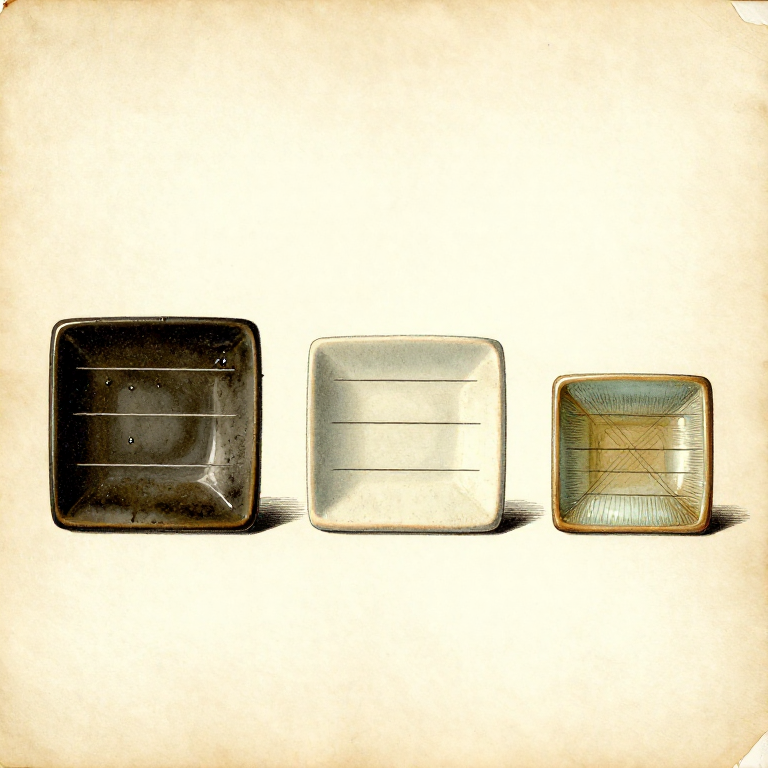
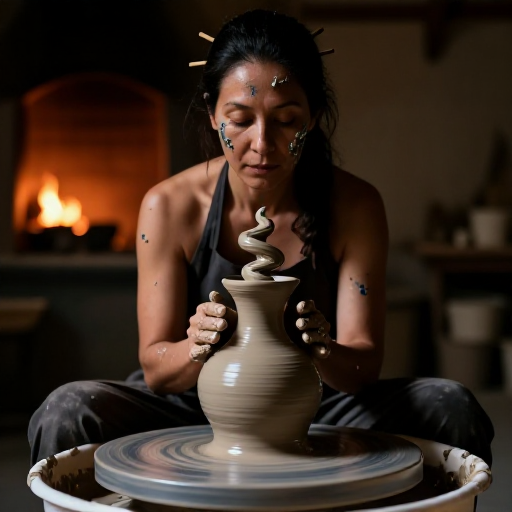

The States of Clay: Five Conditions, and What Each One Will Let You Do
Clay is not one material. It passes through five distinct conditions on its way to being a pot, and each one allows some operations and forbids others — so almost every question in pottery begins with "what state is it in?"
SLIP is liquid, for joining and decorating. PLASTIC is workable, for forming. LEATHER-HARD holds its shape but can still be cut, for trimming and handles. BONE DRY is brittle and can only be fired. FIRED is permanent and nothing can be undone.
The transitions are one-way in the sense that matters: the first four can be reversed with water, and the fifth cannot be reversed at all. Everything before the kiln is recoverable, and that is worth knowing while learning.
초급
3 hours
안내
1
1
What each state is for
What each state is for
PLASTIC clay takes a shape and holds it. Throwing, pinching, coiling and slab building all happen here, and so does joining — the clay is wet enough that two pieces scored and slipped together actually knit.
LEATHER-HARD is the state people underuse. It is firm enough to pick up and turn over, soft enough to carve, trim and cut cleanly. Handles are attached here, feet are trimmed here, and carved decoration is done here because it does not smear.
BONE DRY is pale, cool to the touch, and extremely fragile. Nothing can be done except sponging the sharpest edges and loading the kiln. Clay that still feels COLD against your cheek is not bone dry, however dry it looks — and firing it wet is the other way pots explode.
이 단계의 재료:
 점토2 kg
 물1 리터
필요한 도구:
 도예 도구 세트
 나무 도자 긁개
 스펀지
2
2
Shrinkage: how much smaller it gets, and when
Shrinkage: how much smaller it gets, and when
Jupyter 노트북 불러오는 중…
이 단계의 재료:
점토1 kg 저화도 도토1 kg
필요한 도구:
 자
 디지털 캘리퍼스 6인치
 데스크톱 컴퓨터도예 도구 세트
3
3
Slow the drying down, and slow the edges down most
Slow the drying down, and slow the edges down most
A pot dries from the outside in and from the rim down, because those parts are most exposed. Thin rims, handles and feet dry first, shrink first, and are held back by the wetter body they are attached to — which is exactly how cracks start.
So cover the work loosely with plastic and let it dry SLOWLY and evenly. A day or two under plastic, then a day in the open, beats a morning in a draught every time.
Cover the parts that would otherwise race ahead. A strip of plastic over just the rim, or over the handles, lets the thick body catch up — which is the same principle as the thin-bits-burn-first problem in the forge.
이 단계의 재료:
점토1 kg필요한 도구:
 도예용 캔버스 작업면스펀지
4
4
Joining: score, slip, and only while plastic
Joining: score, slip, and only while plastic
Two pieces of clay join properly only when both are the same state and wet enough for their particles to interlock. Score both faces with cross-hatching, wet them with slip made from the SAME clay body, press together and work the seam.
Slip from a different body is a common and avoidable mistake: two bodies shrink by different amounts, so the joint is pulling itself apart from the moment it dries.
A handle attached to a leather-hard pot is the classic failure. The pot has done most of its drying shrinkage and the handle has not, so the handle shrinks onto a body that cannot move and cracks at the join. Attach at the same state, or bring the handle back to match.
이 단계의 재료:
점토1 kg물1 리터필요한 도구:
 점토 스코어링 도구도예 도구 세트스펀지
관련 블루프린트
이 블루프린트들은 지식을 공유합니다 — 기술, 재료 또는 원리
CC0 퍼블릭 도메인
이 블루프린트는 CC0로 공개되었습니다. 어떤 목적으로든 자유롭게 복사, 수정, 배포 및 사용할 수 있습니다.
제품 구매를 통해 메이커를 지원하세요. 판매자가 설정한 메이커 커미션 을 받거나, 이 블루프린트의 새로운 반복을 만들어 연결로 포함시킬 수 있습니다.