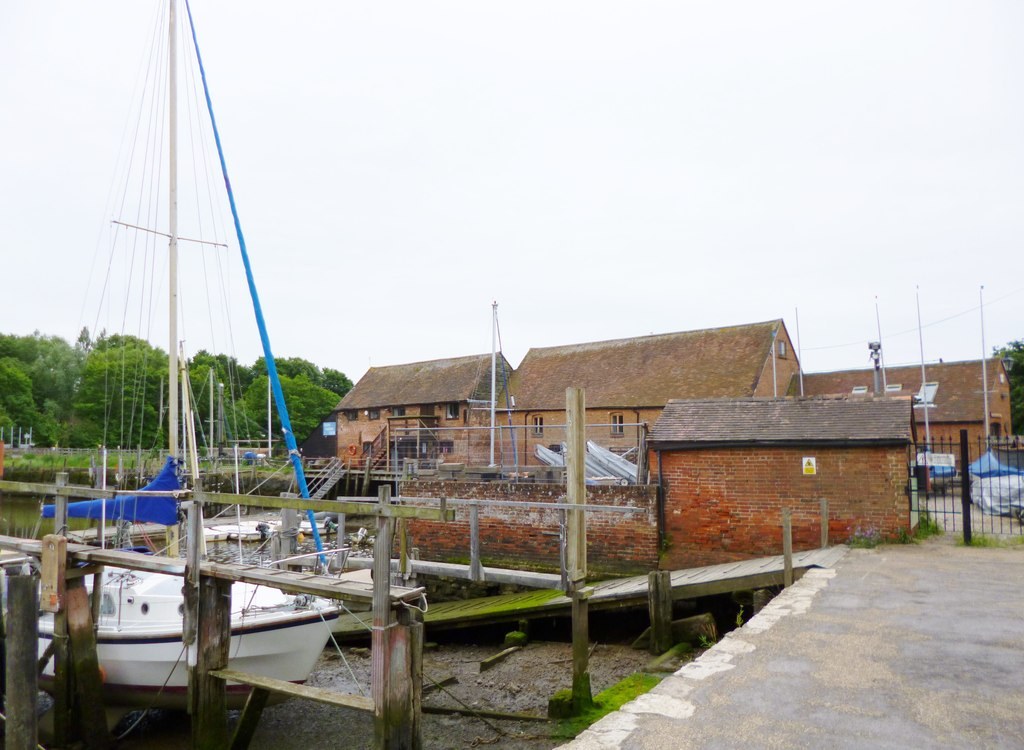


Tide Mill
안내
Build the pond and a one-way gate
Build the pond and a one-way gate
The gate is the whole trick and it needs no mechanism.
- Make a tank divided by a wall — one side is the pond, the other the sea.
- Cut an opening in the wall and hang a flap that swings only toward the pond.
- Raise the sea level and watch the flap open; lower it and watch it shut.
이 단계의 재료:
 발트 자작나무 합판1 팩
Measure the head and when you have it
Measure the head and when you have it
Available power depends on the difference between pond and sea, and that changes constantly.
- Fill the pond at high water and close the gate.
- Lower the outside level in steps to simulate the ebb, recording the head each time.
- Plot head against time through a simulated tide.
이 단계의 재료:
 자1 개
자1 개 스톱워치1 개
Fit a wheel that tolerates low head
Fit a wheel that tolerates low head
The head is small and falling, so the wheel must suit that.
- Build an undershot or low-breastshot wheel in the outflow.
- Run water through and observe the speed as the head drops.
- Try a high overshot wheel and see it fail.
이 단계의 재료:
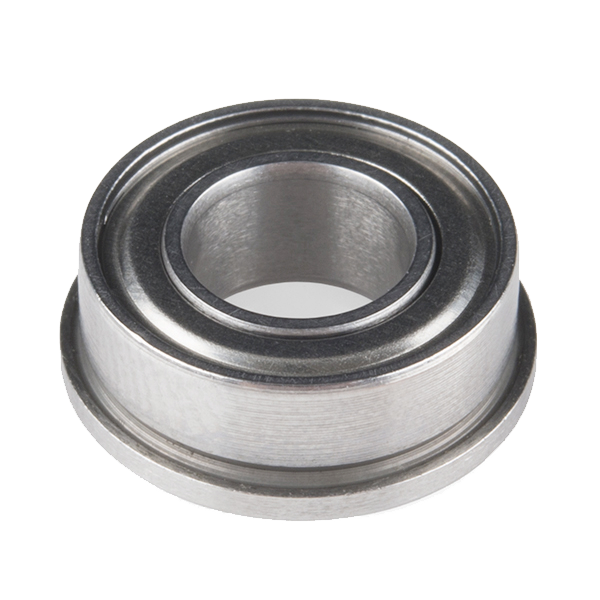 Ball Bearing - Flanged (6,35 mm Bore, 1,27 cm OD)2 개
Estimate the energy stored
Estimate the energy stored
The pond is a battery, and you can size it.
- Measure the pond area and the usable head.
- Energy ≈ ρ × g × A × h² / 2 — the water's average fall is half the head.
- Divide by the working duration for average power.
History and context
History and context
The earliest excavated examples are remarkably old: Nendrum in Strangford Lough, Northern Ireland, has been dated by dendrochronology to the early seventh century, with an even earlier phase around 619. Tide mills then appear across Atlantic Europe — Brittany, Portugal, England, the Netherlands — and were carried to the American colonies, where several operated in New England.
They were commercially serious, not curiosities. Some ran into the twentieth century; the Eling tide mill in Hampshire still grinds. Their advantage was reliability of a kind rivers do not offer: a river fails in drought and floods in spate, while the tide simply arrives, forever, on a schedule known centuries in advance.
The scheduling cost was borne by people. Because high water shifts roughly fifty minutes later each day, a tide miller's working hours rotated through the whole clock over a fortnight, including the middle of the night. This is the oldest example of a workforce arranged around an intermittent renewable resource, and the arrangement was to make the humans flexible.
What it became: tidal barrage schemes — La Rance in France since 1966, Sihwa Lake in South Korea — are tide mills at national scale, with turbines instead of a wheel and often generating on both the flood and the ebb. The environmental objection is the same at both scales: a barrage changes the estuary it dams, and estuaries are among the most biologically productive places there are.
재료
4- 1 팩플레이스홀더
- 1 개플레이스홀더
- 1 개플레이스홀더
- ₩33
CC0 퍼블릭 도메인
이 블루프린트는 CC0로 공개되었습니다. 어떤 목적으로든 자유롭게 복사, 수정, 배포 및 사용할 수 있습니다.
제품 구매를 통해 메이커를 지원하세요. 판매자가 설정한 메이커 커미션 을 받거나, 이 블루프린트의 새로운 반복을 만들어 연결로 포함시킬 수 있습니다.