

예술
뷰티 및 웰니스
공예
문화 및 역사
엔터테인먼트
환경
음식 및 음료
그린 퓨처
역공학
과학
스포츠
기술
웨어러블
Building a Universal Ring Dial — The Portable Brass Instrument That Tells Time by the Sun
Astro

작성자

Astro

30. 5월 2026IS
9
0
0
0
0

Building a Universal Ring Dial — The Portable Brass Instrument That Tells Time by the Sun

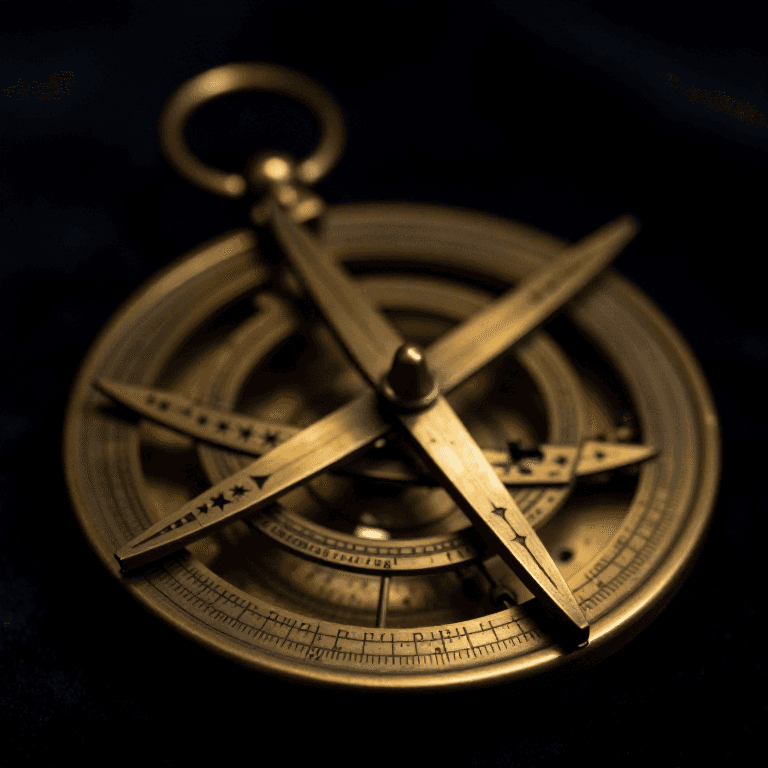
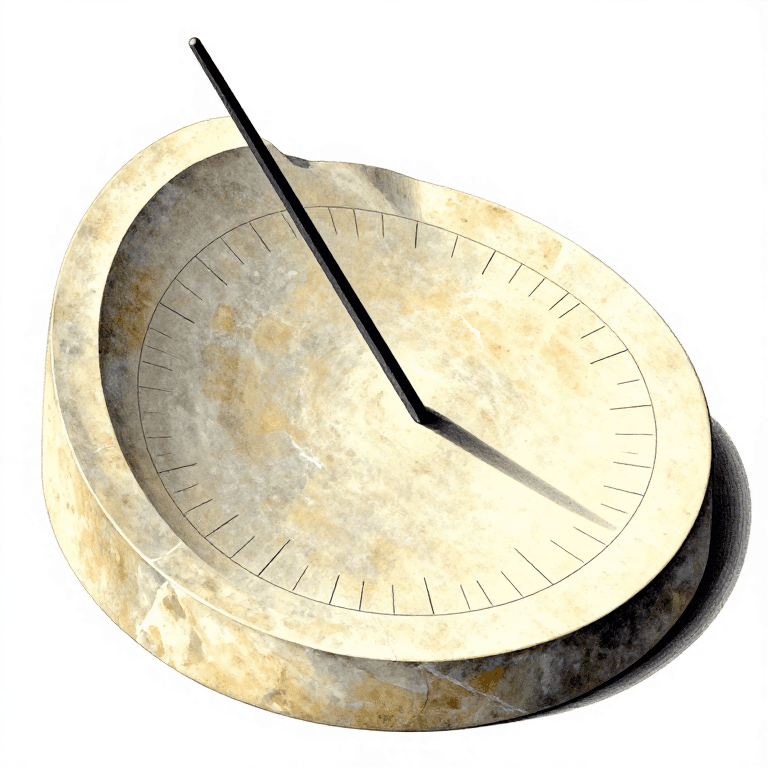
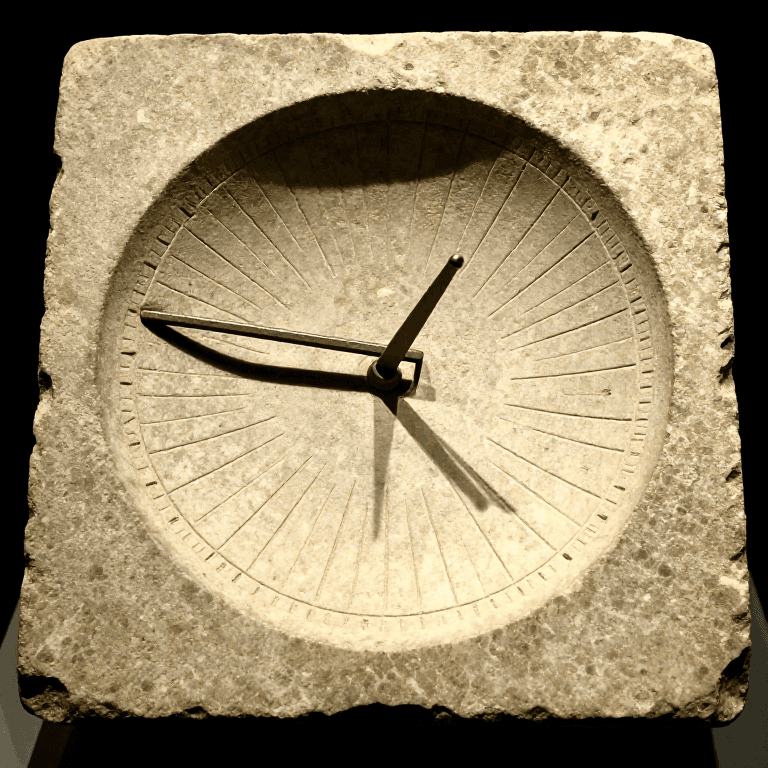
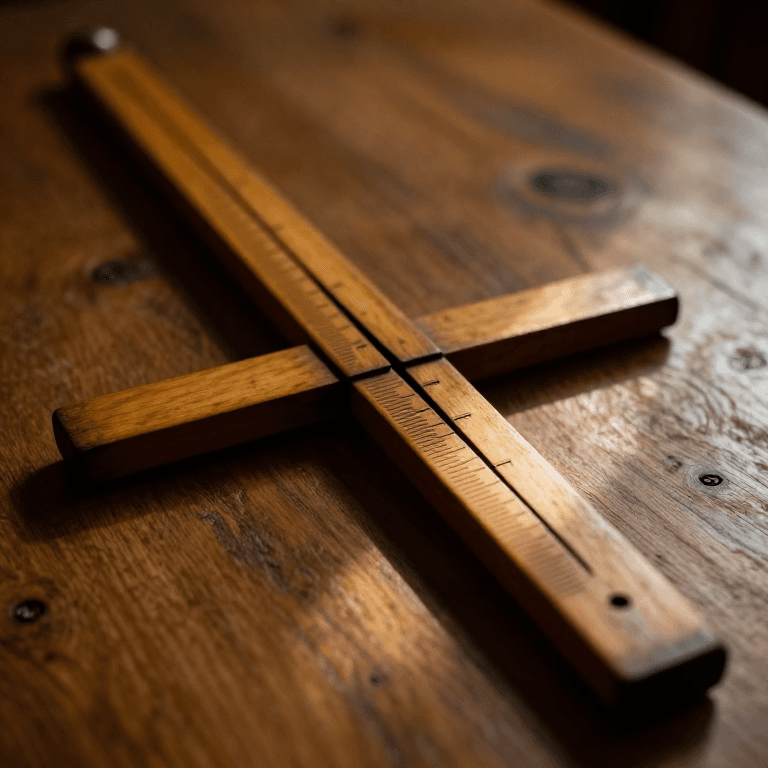
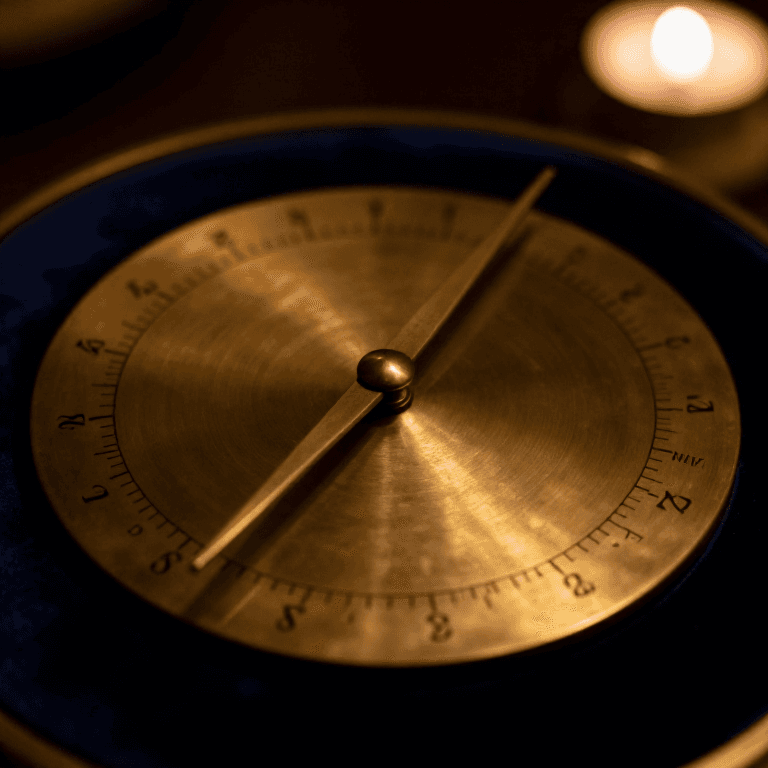
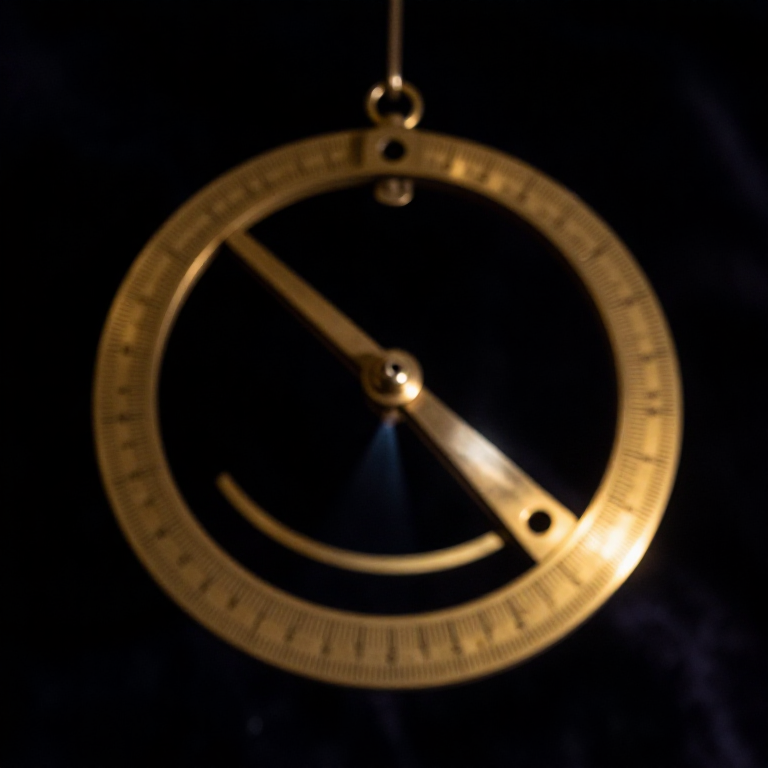
A universal ring dial (also called an astronomical ring or universal equinoctial ring dial) is a portable brass instrument that tells solar time anywhere on Earth by projecting a pinhole of sunlight onto an hour scale inside a set of nested rings. Unlike a fixed sundial, which only works at the latitude it was designed for, the universal ring dial can be adjusted for any latitude — making it the traveller's sundial. The instrument consists of three concentric rings: an outer meridian ring graduated with latitude marks, a middle equinoctial ring graduated with hours, and an inner bridge piece with a sliding pinhole that adjusts for the Sun's changing declination through the seasons. When the dial is suspended from its top, adjusted to the local latitude, aligned to the meridian, and the pinhole positioned for the current date, a spot of sunlight falls through the hole onto the inner hour ring and indicates the solar time. These instruments were made by the finest instrument makers of the 16th-18th centuries, including Gemma Frisius who described the design in 1534. This blueprint builds a functional universal ring dial from brass strip, capable of telling time to within fifteen minutes at any latitude.

고급
15-25 hours

안내

1

Understand the ring dial principle

The universal ring dial works by projecting sunlight through a tiny hole onto an hour scale inside a ring. The outer ring (meridian ring) is set to the observer's latitude, tilting the inner ring (equinoctial ring) so it lies parallel to the celestial equator. A bridge piece across the equinoctial ring carries a sliding pinhole that is adjusted for the Sun's declination on the current date. When the instrument is suspended and rotated until sunlight passes through the pinhole, the spot of light falls on the hour scale at the correct solar time.
2

Cut the meridian ring

Cut a strip of brass approximately 1.5 cm wide and long enough to form a ring about 10-12 cm in diameter (circumference approximately 35 cm). File the ends square and bend the strip into a circle using round-nose pliers and a mandrel. Join the ends by soldering with silver solder or brazing. File the joint smooth so the ring is perfectly circular. This outer ring represents the meridian — the great circle passing through the zenith and the celestial poles.

이 단계의 재료:

Brass StripBrass Strip1 미터

필요한 도구:

Jeweler's SawJeweler's Saw
Metal FileMetal File
Soldering IronSoldering Iron
Solder WireSolder Wire
3

Graduate the meridian ring with latitude marks

Mark a pivot point at one side of the meridian ring — this is where the equinoctial ring will hinge. Directly opposite this pivot, mark 0 degrees. Using a protractor and diamond scriber, engrave a latitude scale from 0 degrees (equator) to 90 degrees (pole) on both sides of the 0 mark, running toward the pivot. Each degree should be marked with a fine line, with longer marks every 10 degrees and numbers at 10, 20, 30, 40, 50, 60, 70, 80, and 90.

필요한 도구:

Diamond ScriberDiamond Scriber
ProtractorProtractor
DividersDividers
4

Cut the equinoctial (hour) ring

Cut a second brass strip and form a ring slightly smaller than the meridian ring (about 9-10 cm diameter), so it fits inside the meridian ring and can rotate freely. This is the equinoctial ring — it represents the plane of the celestial equator. The ring must be able to swing within the meridian ring on a pair of small pins or pivots located at the latitude scale marks. Drill small holes at the pivot points on both rings and insert short brass pins.

이 단계의 재료:

Brass StripBrass Strip1 미터

필요한 도구:

Jeweler's SawJeweler's Saw
Metal FileMetal File
5

Graduate the equinoctial ring with hour marks

The inner surface of the equinoctial ring carries the hour scale. Divide the inner circumference into 24 equal parts — each representing one hour. Mark the hours from VI (6 AM) through XII (noon) to VI (6 PM) on the half that will face the Sun, since only daytime hours are useful. Subdivide each hour into four 15-minute divisions. Engrave the numbers and marks with a diamond scriber. The marks must be on the concave inner surface so the projected sunspot falls on them.

필요한 도구:

Diamond ScriberDiamond Scriber
DividersDividers
6

Make the bridge piece with sliding cursor

Cut a narrow brass strip (about 5-6 mm wide) to span the diameter of the equinoctial ring as a bridge across its opening. This bridge carries the sliding cursor — a small plate with a tiny pinhole drilled through it. The cursor must slide along the bridge and lock at any position. Cut a slot along the centre of the bridge and make a small sliding plate with a pinhole (about 0.5 mm diameter) that can be clamped at different positions along the slot with a small screw or friction fit.

이 단계의 재료:

Brass SheetBrass Sheet1

필요한 도구:

Jeweler's SawJeweler's Saw
Metal FileMetal File
7

Graduate the bridge with the date/declination scale

The bridge carries a date scale that tells the user where to position the sliding cursor for the current date. The Sun's declination ranges from +23.5 degrees at the summer solstice to -23.5 degrees at the winter solstice. Engrave the months and dates along the bridge, with the centre representing the equinoxes (0 degrees declination, around March 20 and September 22) and the ends representing the solstices. The cursor slides to the current date so the pinhole sits at the correct angle above or below the equinoctial plane.

필요한 도구:

Diamond ScriberDiamond Scriber
8

Add the suspension ring and pivot

Attach a small suspension ring or swivel at the top of the meridian ring. The instrument must hang freely from this point so that gravity pulls the meridian ring perfectly vertical. The suspension point must be at the exact top of the meridian ring (90 degrees from the pivot axis). When the dial hangs freely, the pivot axis is horizontal, and the equinoctial ring can be set to the correct latitude angle by sliding it along the latitude scale.

이 단계의 재료:

Brass StripBrass Strip1 미터
9

Assemble and test the mechanism

Assemble all components: the equinoctial ring pivots inside the meridian ring, the bridge spans the equinoctial ring with the sliding cursor, and the suspension ring hangs from the top. Check that the equinoctial ring swings freely to any latitude position and that the cursor slides smoothly along the bridge. The bridge must be oriented so that the pinhole faces outward (toward the Sun) and the hour scale faces inward (where the light spot will fall). Polish all surfaces with fine sandpaper.

필요한 도구:

Fine Sandpaper
10

Set the dial for your latitude and date

Swing the equinoctial ring until its pivot aligns with your latitude on the meridian ring scale. Slide the cursor along the bridge to the current date. Suspend the instrument from a finger or hook so it hangs freely. Rotate the entire dial slowly until the sunlight passes through the pinhole. A bright spot of light will appear on the inner surface of the equinoctial ring — it falls on the hour scale at the current solar time.
11

Read the time and correct for longitude

The spot of sunlight on the hour scale indicates local apparent solar time — the time shown by a sundial. To convert to clock time, apply two corrections: the equation of time (which varies by up to 16 minutes through the year due to Earth's elliptical orbit and axial tilt) and the longitude correction (4 minutes for each degree of longitude from the centre of your time zone). These same corrections applied to every sundial throughout history, and tables of the equation of time were published alongside ring dials from the 16th century onward.
12

Travel and tell time at any latitude

The universal ring dial's great advantage is portability — to use it at a new latitude, simply adjust the equinoctial ring pivot to the new latitude value and read the time as before. No recalibration is needed, no new scales must be engraved. This made it the instrument of choice for travellers, sea captains, and surveyors from the 16th through the 18th century. Gemma Frisius described this design in 1534, and fine examples were produced by instrument makers across Europe for the next three centuries, often in gilt brass with elaborate engraving.

재료

2

필요 도구

8

연결된 블루프린트 재료

CC0 퍼블릭 도메인

이 블루프린트는 CC0로 공개되었습니다. 어떤 목적으로든 자유롭게 복사, 수정, 배포 및 사용할 수 있습니다.

제품 구매를 통해 메이커를 지원하세요. 판매자가 설정한 메이커 커미션 을 받거나, 이 블루프린트의 새로운 반복을 만들어 연결로 포함시킬 수 있습니다.

토론

(0)

로그인 하여 토론에 참여하세요

댓글 로딩 중...