예술
뷰티 및 웰니스
공예
문화 및 역사
엔터테인먼트
환경
음식 및 음료
역공학
과학
스포츠
기술
웨어러블
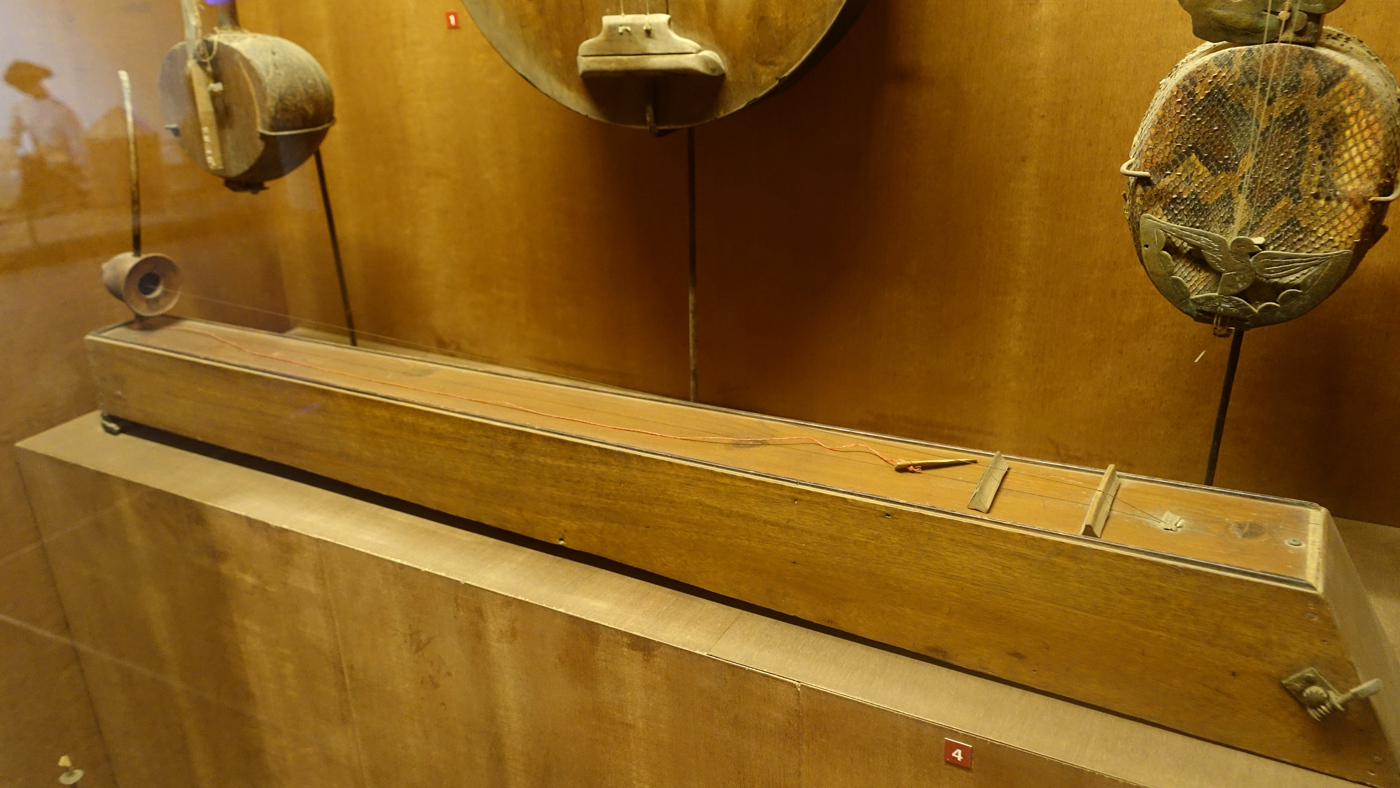


Building a Đàn Bầu — Vietnam's One-String Harmonic Zither
Build a đàn bầu: Vietnam's single-string instrument that plays only pure harmonics, with a flexible rod that bends every note like a singing voice. String it on a long box, learn to touch the nodes for flute-like overtones, then flex the rod to slide the pitch. A buildable school project in two deep ideas at once — string harmonics and how tension sets pitch.
초급
45 minutes
안내
1
1
One string, only harmonics
One string, only harmonics
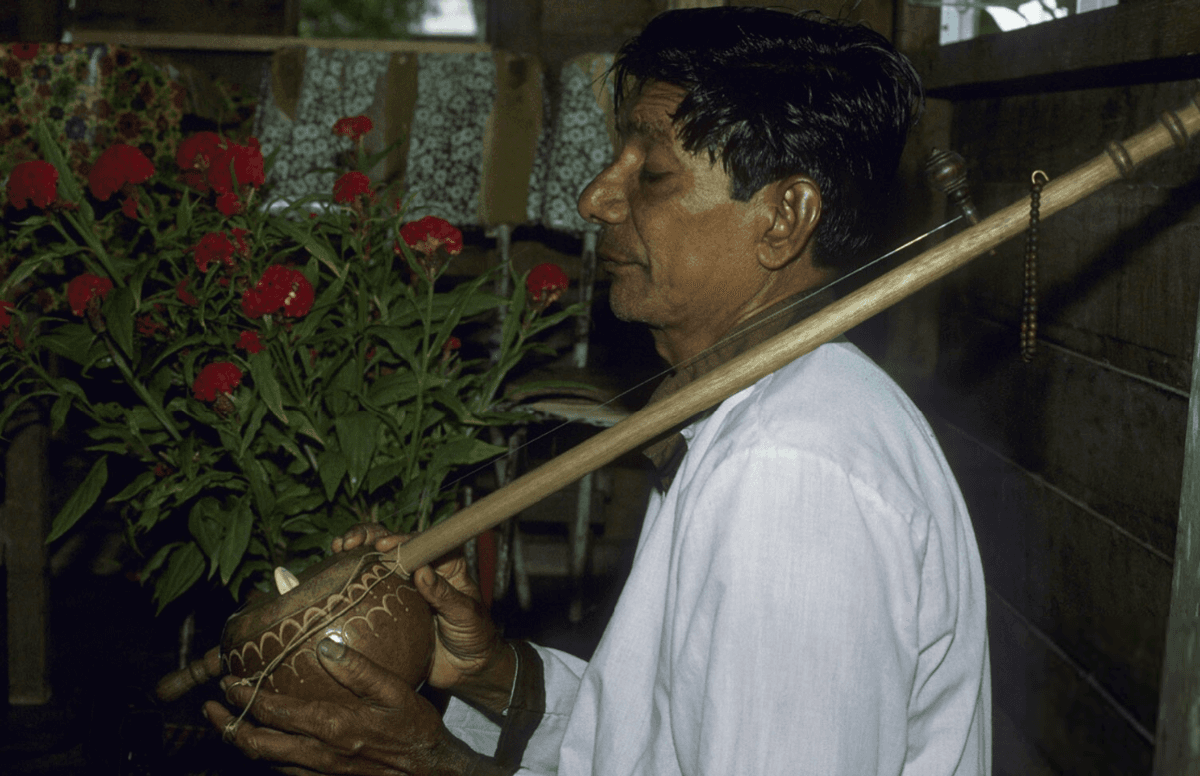
The đàn bầu is Vietnam's one-string instrument. It plays only pure, bell-like harmonic notes, and a flexible rod bends every one of them, so a single string can sing like a voice.
2
2
Make the soundbox
Make the soundbox
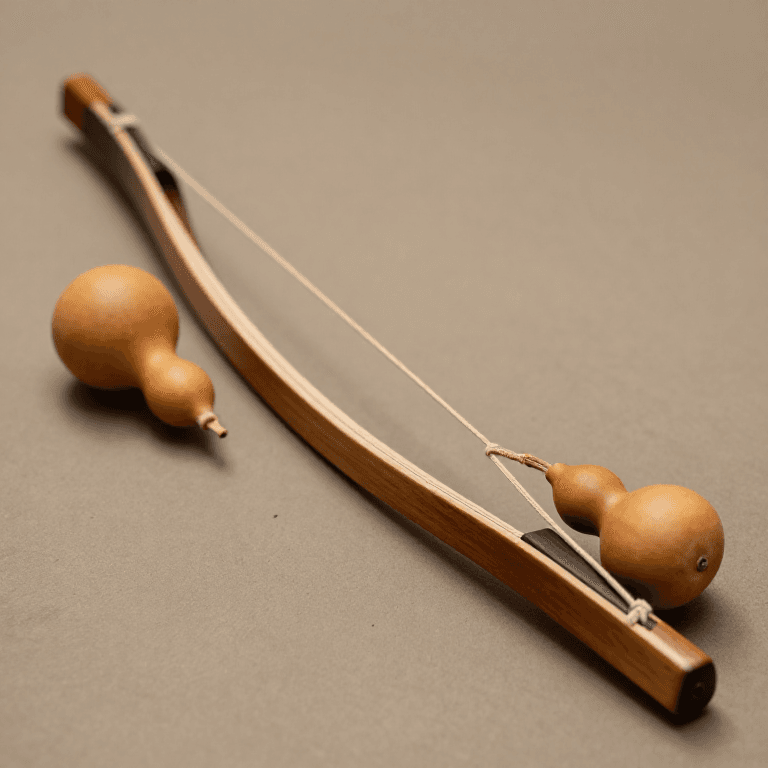
Build a long, narrow, hollow wooden box about 90 cm long. This is the resonator that carries the quiet harmonics.
이 단계의 재료:
 마른 침엽수 판재1 개
 PVA 목공용 접착제1 개
필요한 도구:
 쇠톱(핵소)
3
3
Fit the flexible rod
Fit the flexible rod
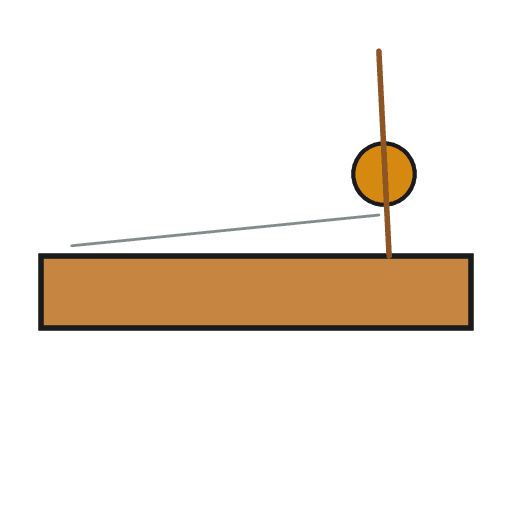
At one end, fix a springy vertical rod (bamboo, or traditionally buffalo horn) that can flex back and forth. This rod is the whammy that bends the notes.
이 단계의 재료:
 대나무1 개
필요한 도구:
 슬로이드 조각칼
4
4
Add the gourd
Add the gourd
Thread a small hollowed gourd onto the base of the rod, where it meets the string. The gourd softens and colours the tone — and gives the đàn bầu ('gourd instrument') its name.
이 단계의 재료:
 잘 여문 조롱박1 개
5
5
Fit the tuning peg
Fit the tuning peg
Fit a single tuning peg at the far end of the box.
이 단계의 재료:
 줄감개(튜닝 페그)1 개
필요한 도구:
 송곳
송곳6
6
String it
String it
Tie the single string to the top of the flexible rod, run it the whole length of the box, and wind it onto the peg. Tune it to a clear, low note.
이 단계의 재료:
 강철 피아노선 0.032인치1 개
7
7
Find the harmonic points
Find the harmonic points
Rest the SIDE of your hand lightly on the string exactly halfway along, pluck with a finger of that same hand, and lift instantly. A pure, flute-like note rings — a harmonic, an octave above the string's own note.
8
8
Climb the harmonic series
Climb the harmonic series
Touch and pluck at one-third, one-quarter and one-fifth of the string's length. Each point sounds a higher harmonic. The đàn bầu plays with these pure overtones alone.
9
9
Bend with the rod
Bend with the rod
While a harmonic rings, push the flexible rod toward the box to slacken the string and DROP the note, or pull it away to tighten the string and RAISE it. Bend slowly and smoothly.
10
10
Make it sing
Make it sing
Pluck a harmonic and waver the rod gently to make the note glide and shimmer — the way the đàn bầu shapes its tones to follow the rising and falling sounds of the Vietnamese language.
11
11
Compendium — string harmonics and the bending rod
Compendium — string harmonics and the bending rod
The đàn bầu rests on two beautiful pieces of physics. The first is the string harmonic. A plucked string does not only vibrate as a whole — it also vibrates in halves, thirds, quarters and more all at once, adding quiet higher notes, the harmonic series, on top of its main note. If you touch the string lightly at a still point (a node) of one of those patterns and pluck, you silence the main note and every pattern that moves at that spot, leaving only a harmonic that has a node there — so a single, pure, flute-like overtone rings out alone. Touch halfway for the note an octave up, at a third for the note higher still, and so on up the series; the đàn bầu plays with these harmonics only, which is why its voice is so pure and bell-like. The second idea is tension: a string's pitch rises when it is tightened and falls when it is slackened, and the flexible rod (the cần) is a lever for exactly that — flex it toward the box to loosen the string and bend the note down, flex it away to tighten and bend up — so any harmonic can be slid, wavered and swooped continuously, famously tracing the six tones of spoken Vietnamese. It is the same tension trick as the ektara's squeezed neck and the musical bow, and the same harmonic series that the kalyuka and conch hunt through inside a tube — here found on a single string. The little gourd softens the sound, and because bare harmonics are gentle, modern đàn bầu players usually add a magnetic pickup and amplifier.
재료
6- 1 개플레이스홀더
- 1 개플레이스홀더
- 1 개플레이스홀더
- 1 개플레이스홀더
- 1 개플레이스홀더
- 플레이스홀더
이 블루프린트로 만드는 것
관련 블루프린트
이 블루프린트들은 지식을 공유합니다 — 기술, 재료 또는 원리
CC0 퍼블릭 도메인
이 블루프린트는 CC0로 공개되었습니다. 어떤 목적으로든 자유롭게 복사, 수정, 배포 및 사용할 수 있습니다.
제품 구매를 통해 메이커를 지원하세요. 판매자가 설정한 메이커 커미션 을 받거나, 이 블루프린트의 새로운 반복을 만들어 연결로 포함시킬 수 있습니다.