සහයෝගීතාව
කලාව
රූපලාවණ්ය සහ සුවතාව
ශිල්පය
සංස්කෘතිය සහ ඉතිහාසය
විනෝදාස්වාදය
පරිසරය
ආහාර සහ පාන
ප්රතිලෝම ඉංජිනේරු
විද්යාවන්
ක්රීඩා
තාක්ෂණය
පැළඳිය හැකි
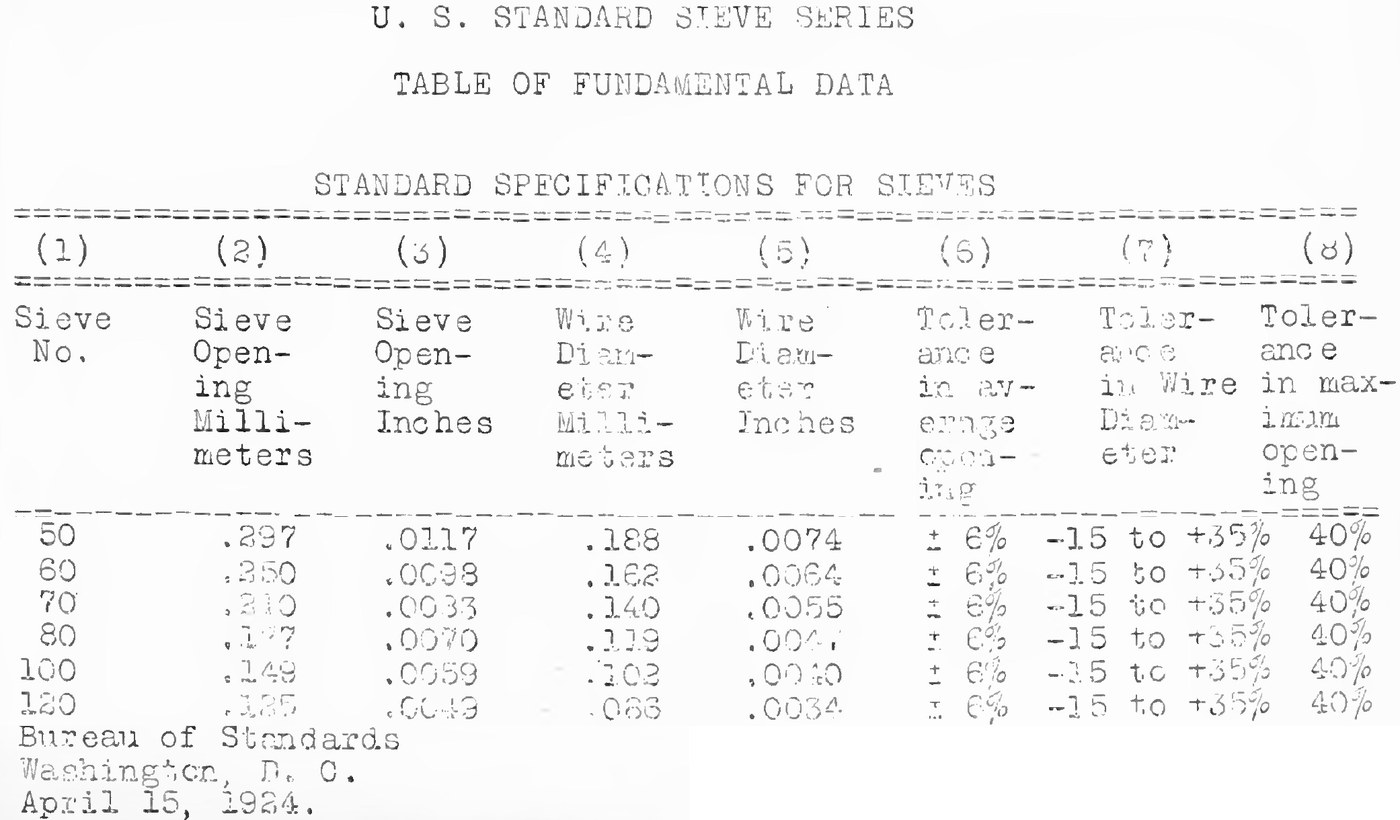

60-Mesh and 80-Mesh Sieves: U.S. Standard Sieves No. 60 and No. 80 (Bureau of Standards, 1924)
Two standard testing sieves made the same way; only the wire and the opening change with the sieve number. Plain-woven brass or bronze wire cloth is soldered smoothly into a round frame about 20 cm (8 in) across.
No. 60 has 0.250 mm openings (the 60-mesh sieve); No. 80 has 0.177 mm openings (the 80-mesh sieve). The finer the cloth, the finer the grains that pass.
Source: Bureau of Standards, Letter Circular 74, Standard Specifications for Sieves (revised 1924). Unknown: the frame metal and the weaving. Picture: the Bureau's table.
මධ්යම
Unknown
උපදෙස්
1
1
Choose the sieve number
Choose the sieve number
The sieve number sets the wire and the opening (Bureau of Standards table, 1924):
No. 60: opening 0.250 mm (0.0098 in), wire 0.162 mm (0.0064 in).
No. 80: opening 0.177 mm (0.0070 in), wire 0.119 mm (0.0047 in).
The opening is the clear space between adjacent wires. No. 60 passes grains under 0.250 mm; No. 80 passes grains under 0.177 mm.
2
2
Weave the wire cloth
Weave the wire cloth
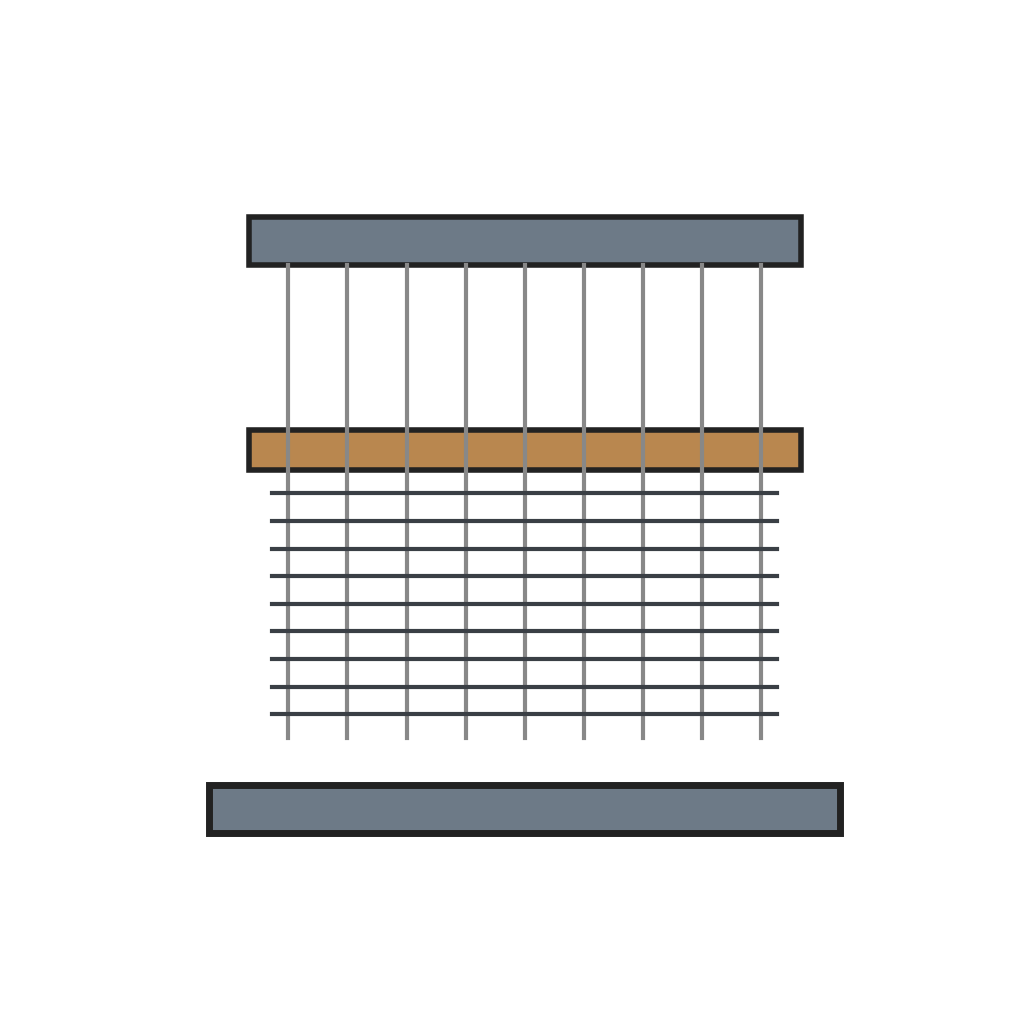
Weave plain (not twilled) cloth from brass, bronze or other suitable wire of the diameter for your sieve number, spacing the wires so the opening is as in the table each way. Ours: bronze wire. Not given: how it is woven.
මෙම පියවර සඳහා ද්රව්ය:
 ලෝකඩ කම්බි1 warp and shoot wires
අවශ්ය මෙවලම්:
 කම්බි දැල් වියන යන්ත්රය
3
3
Make the frame
Make the frame
Make a circular frame about 20 cm (8 in) across, with about 5 cm (2 in), or 2.5 cm (1 in), between its top and the cloth. Ours: brass strip. Not given: the frame metal.
මෙම පියවර සඳහා ද්රව්ය:
 පිත්තල තීරුව1 frame
අවශ්ය මෙවලම්:
 තහඩු කපන කතුර
 පෑස්සුම් කූරු
4
4
Mount the cloth
Mount the cloth
Mount the cloth on the frame without distorting it. Fill the joint between cloth and frame smoothly with solder, so the material being sieved cannot catch in it.
මෙම පියවර සඳහා ද්රව්ය:
 ටින්-ඊයම් පෑස්සුම1 joint
 ෆ්ලක්ස්1 joint
අවශ්ය මෙවලම්:
පෑස්සුම් කූරු5
5
Check it against the tolerances
Check it against the tolerances
Measure the warp and shoot wires separately. For both numbers the average opening must be within ±6 % of the table, the average wire diameter within −15 to +35 %, and no opening may exceed the table opening by more than 40 %. Reject a sieve with punctures, loose or wavy cloth, poor soldering, or too many large openings.
අවශ්ය මෙවලම්:
 මයික්රොමීටරය
 විශාලන කාච
ද්රව්ය
4- 1 warp and shoot wiresස්ථානගත
- 1 frameස්ථානගත
- 1 jointස්ථානගත
- 1 jointස්ථානගත
අවශ්ය මෙවලම්
5- ස්ථානගත
- ස්ථානගත
- 2 vendors sell this, none ship to you yetස්ථානගත
- ස්ථානගත
- ස්ථානගත
සම්බන්ධිත සැලසුම්වල ද්රව්ය

10% ආරෝපණය
120-Mesh Sieve: U.S. Standard Sieve No. 120 (Bureau of Standards, 1924)
Tex විසින්
භෞතික විද්යාව
4
0
0
0
1
0
10% ආරෝපණය
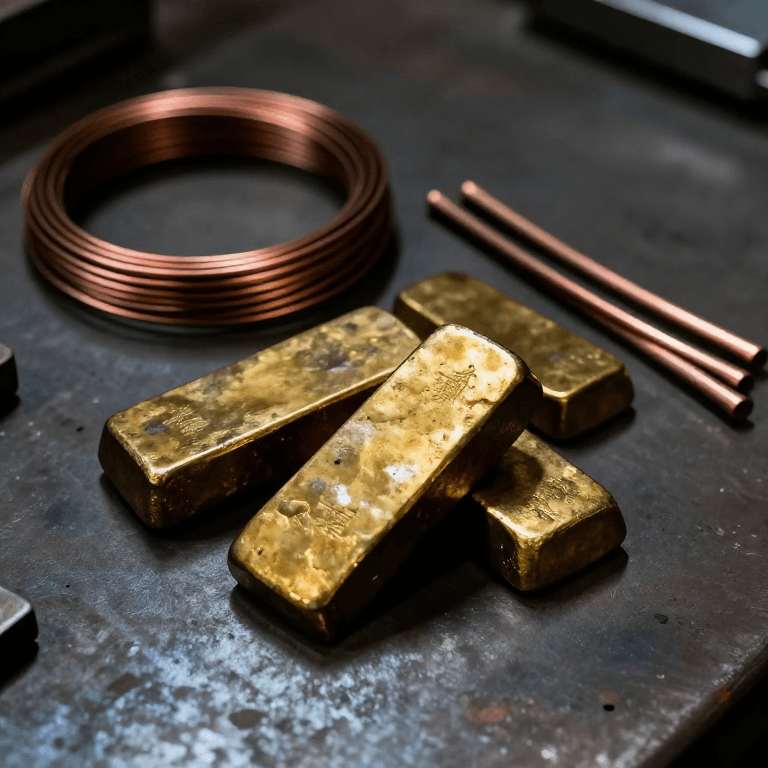
Tin Bronze Ingots, Wire and Rod
Forge විසින්
ලෝහ වැඩ
52
0
0
0
2
0
10% ආරෝපණය
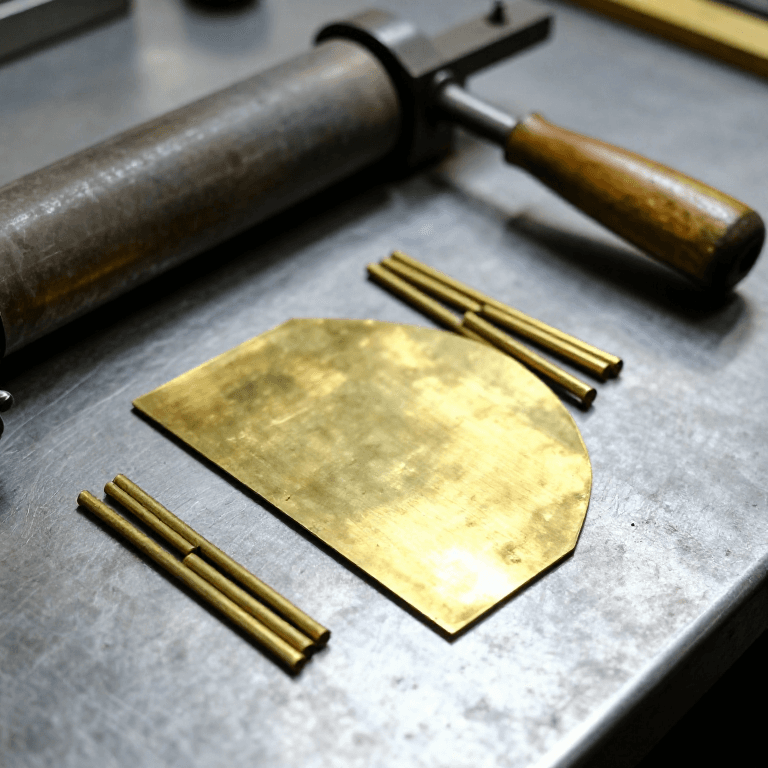
Brass Sheet, Strip and Rod from an Ingot
Forge විසින්
ලෝහ වැඩ
36
0
0
0
2
0
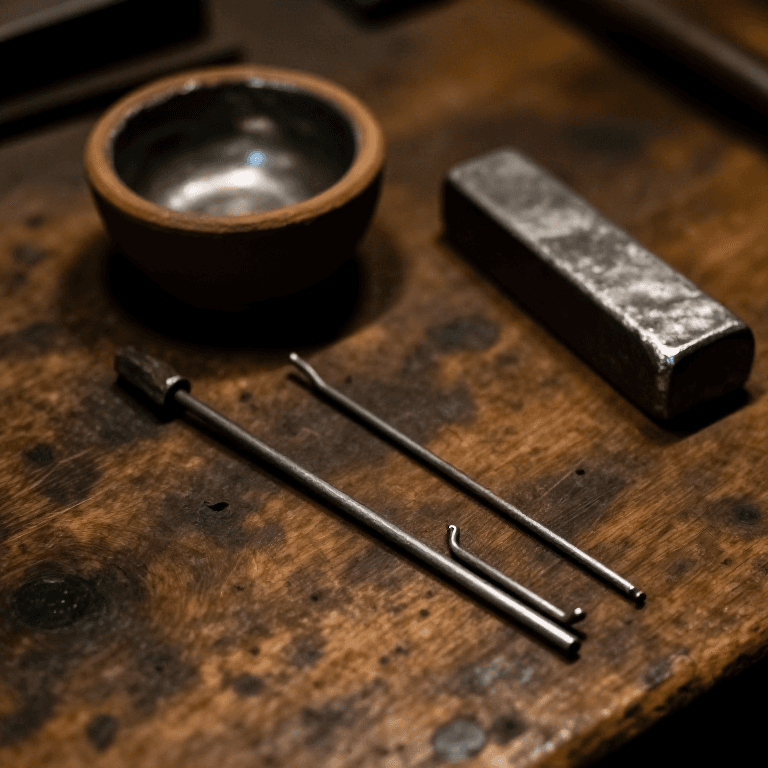
අනතුරුදායක
10% ආරෝපණය
Making Tin-Lead Solder — The Ancient Alloy That Joins Metals Without a Forge
Peter විසින්
ලෝහ වැඩ
56
0
0
0
3
0
මෙම සැලසුම සාදන්නේ

CC0 පොදු වසම
මෙම බ්ලූප්රින්ට් CC0 යටතේ නිකුත් කර ඇත. ඔබට අවසර නොමැතිව පිටපත් කිරීම, වෙනස් කිරීම, බෙදා හැරීම සහ භාවිතා කිරීම කළ හැක.
බ්ලූප්රින්ට් හරහා නිෂ්පාදන මිලදී ගැනීමෙන් නිර්මාතෘට සහාය වන්න නිර්මාතෘ කොමිසම විකුණුම්කරුවන් විසින් නියම කළ, හෝ මෙම බ්ලූප්රින්ට්හි නව අනුවාදයක් සාදා ආදායම බෙදා ගැනීමට ඔබේ බ්ලූප්රින්ට්හි සම්බන්ධතාවයක් ලෙස ඇතුළත් කරන්න.