කලාව
රූපලාවණ්ය සහ සුවතාව
ශිල්පය
සංස්කෘතිය සහ ඉතිහාසය
විනෝදාස්වාදය
පරිසරය
ආහාර සහ පාන
ප්රතිලෝම ඉංජිනේරු
විද්යාවන්
ක්රීඩා
තාක්ෂණය
පැළඳිය හැකි
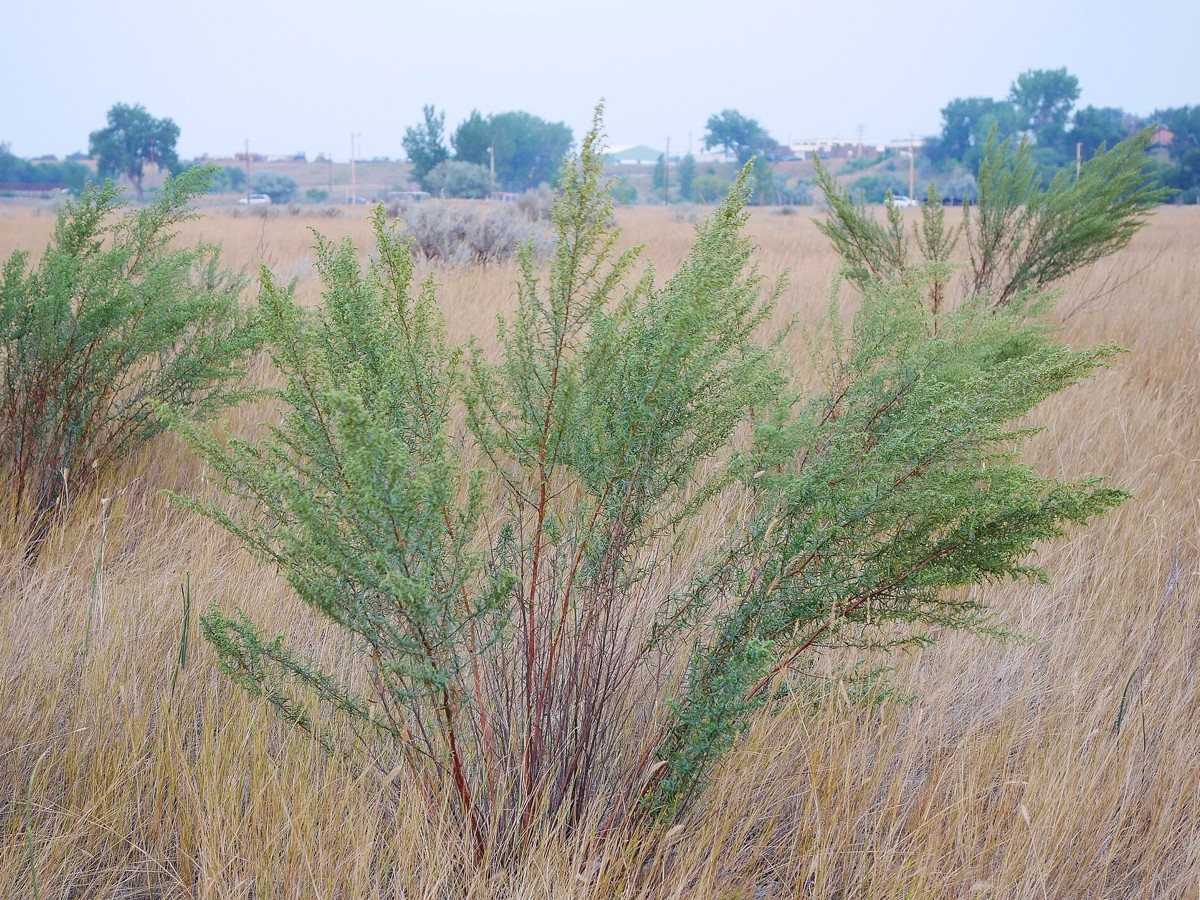


Mugwort Leaves and Tops: Wild Tarragon Cut in Flower, Hung Top Downward to Dry (Densmore, 1928; Britton & Brown, 1913)
The leaves and flowering tops of the plant Densmore called mugwort, Artemisia dracunculoides (today included in tarragon, Artemisia dracunculus), as the Chippewa kept them: cut in flower, hung top downward to dry, kept clean and wrapped. Densmore records them dried and steeped for chronic dysentery.
ආරම්භක
An hour to cut, one to two weeks to dry
උපදෙස්
1
1
Tarragon
Tarragon
Garden tarragon, the same species, here grown and cut (Grow Plants).
2
2
Know the plant
Know the plant
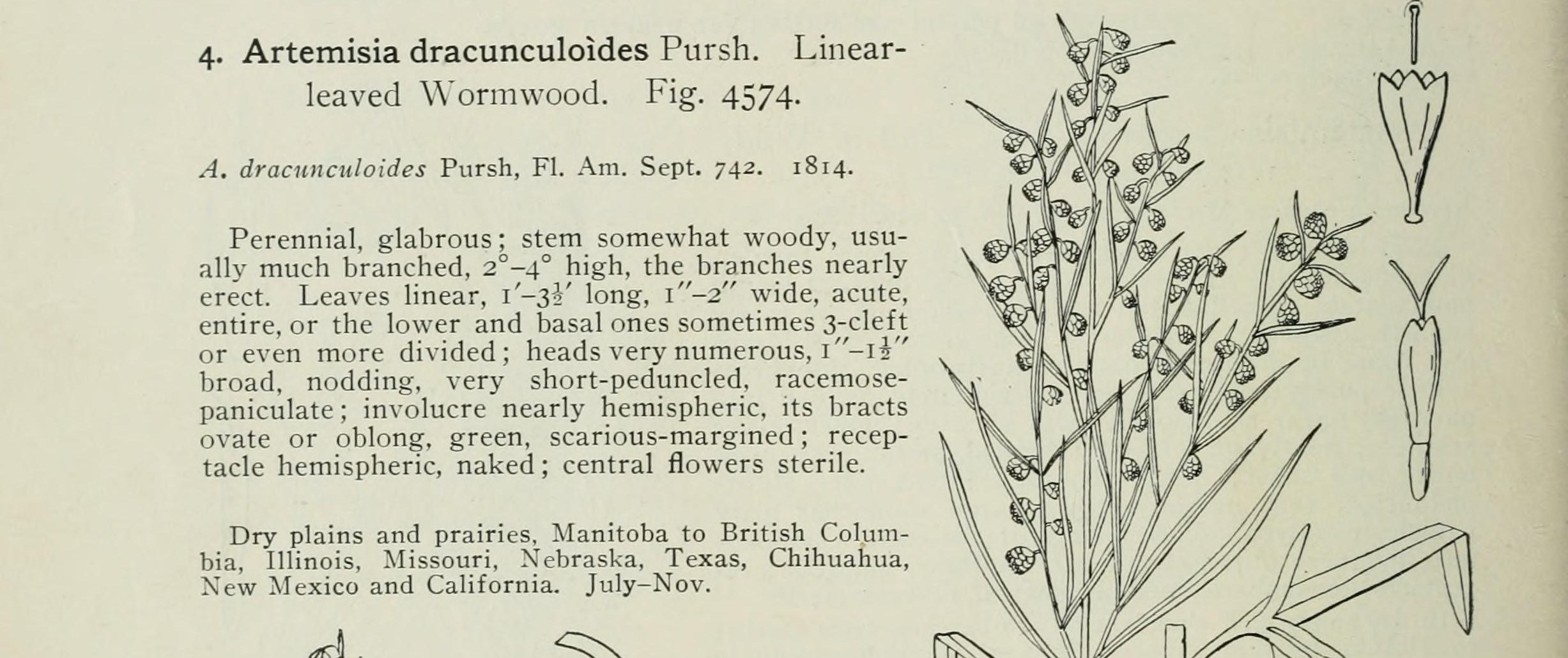
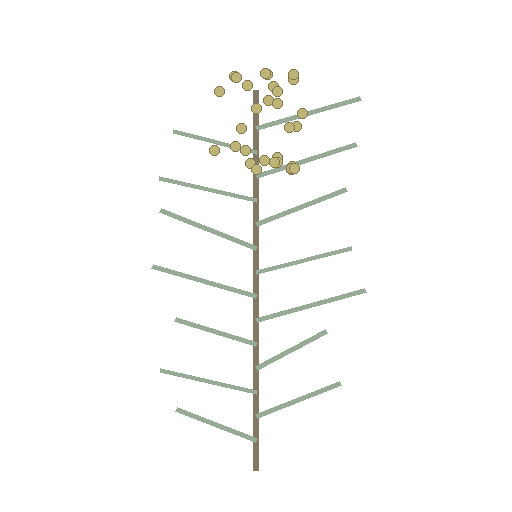
Britton and Brown (1913, vol. III, p. 524), Artemisia dracunculoides, Linear-leaved Wormwood: perennial, smooth, the stem somewhat woody and much branched, 2 to 4 feet; leaves linear, 1 to 3½ inches long, entire, the lower ones sometimes three-cleft; very many small nodding flower heads in a long branched cluster; dry plains and prairies, July-November. Kew's Plants of the World Online treats the name as a synonym of tarragon, Artemisia dracunculus.
3
3
What the tops are for
What the tops are for
Densmore (1928, pp. 344-345), for dysentery: mugwort, "(flowering plant)", part used "Leaves and top", "Dried and steeped", taken internally. "This was used for chronic dysentery."

4
4
Cut the tops
Cut the tops
Densmore's remedy uses the flowering plant: cut the leafy tops when the heads are in flower, from July on (Britton and Brown), leaving the woody base (ours).
අවශ්ය මෙවලම්:
 පිහිය
5
5
Hang top downward to dry
Hang top downward to dry
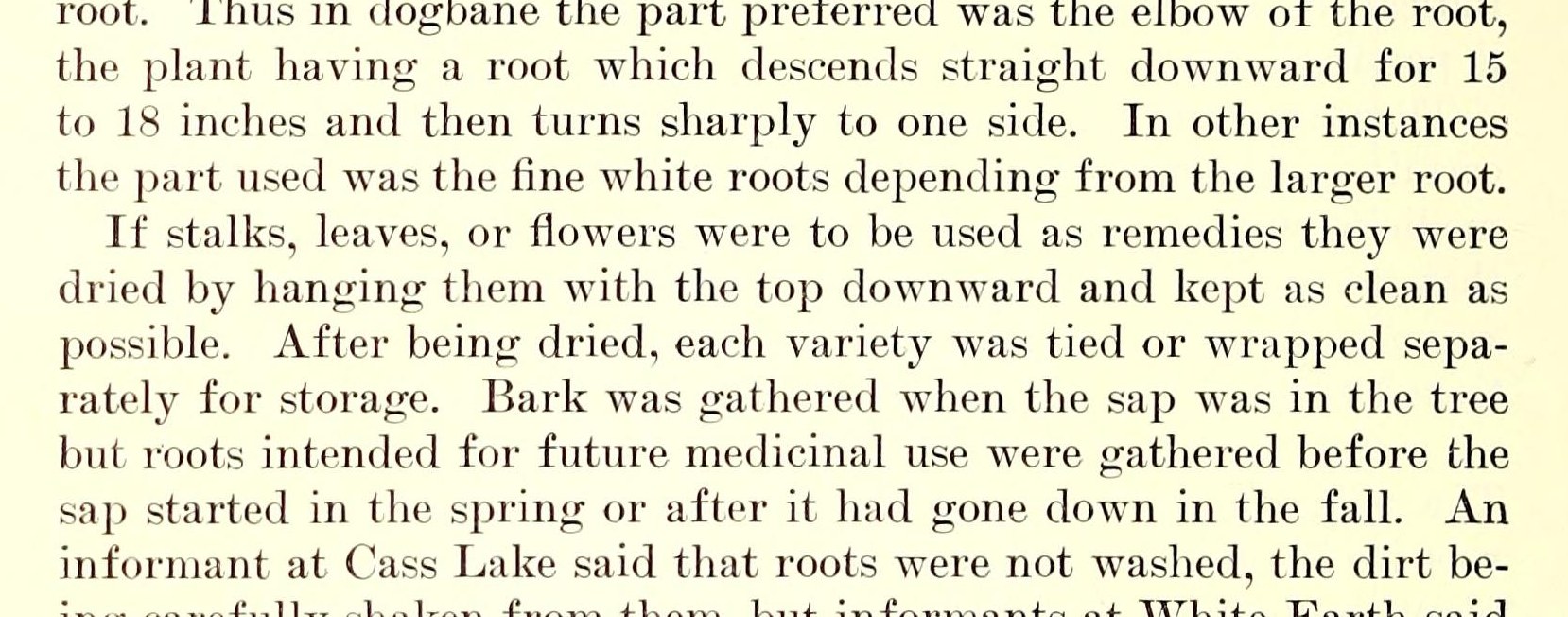
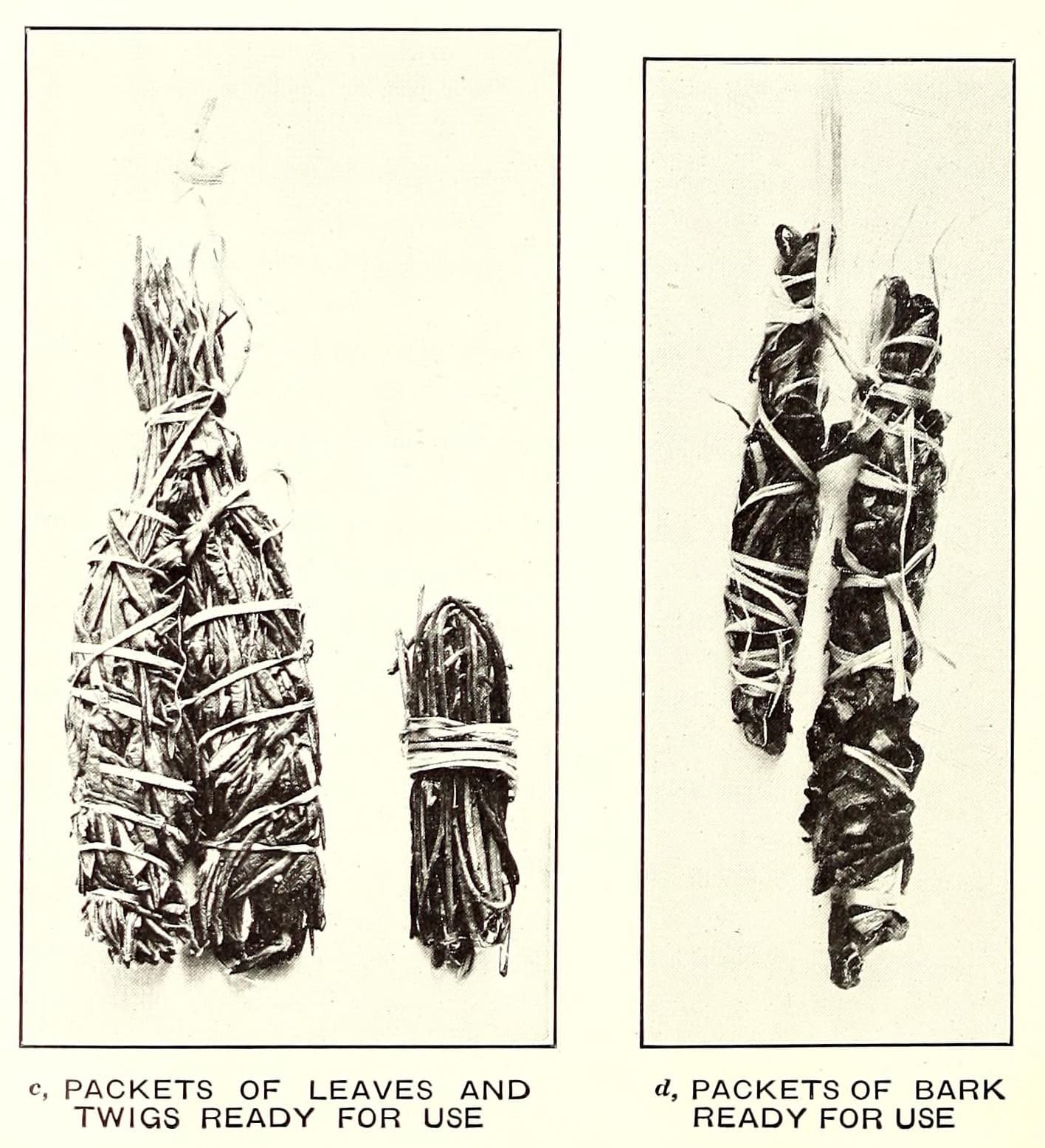
Densmore (p. 326): stalks, leaves and flowers "were dried by hanging them with the top downward and kept as clean as possible." Tie small bunches and hang them in a dry, airy place (ours).
අවශ්ය මෙවලම්:
 කපු ලණුව
6
6
Wrap separately and bag
Wrap separately and bag
"After being dried, each variety was tied or wrapped separately for storage" (p. 326). Keep the bundles in a bag.
අවශ්ය මෙවලම්:
කපු ලණුව ලිනන් මල්ල
7
7
Prepare for use
Prepare for use
Densmore (p. 328): "Stalks, leaves, and flowers were usually pulverized" like roots; a mortar works too (ours).
අවශ්ය මෙවලම්:
 වංගෙඩිය හා මෝල් ගස
8
8
Troubleshooting
Troubleshooting
Problems and fixes.
Flow
Loading...
9
9
Sources and honest limits
Sources and honest limits
Frances Densmore, Uses of Plants by the Chippewa Indians (1928), pp. 326, 328 and 344-345; N. L. Britton and A. Brown, An Illustrated Flora of the Northern United States, vol. III (1913), p. 524; Plants of the World Online (Kew), Artemisia dracunculoides Pursh. The knife, drying screen, twine and mortar are ours. Be sure of the plant before cutting, and take only where it is plentiful and allowed. The cover shows wild tarragon on the prairie in north-east Montana (Thayne Tuason, CC BY-SA 4.0, Wikimedia Commons). Not made by us yet.
සම්බන්ධිත සැලසුම්වල ද්රව්ය
මෙම සැලසුම සාදන්නේ
CC0 පොදු වසම
මෙම බ්ලූප්රින්ට් CC0 යටතේ නිකුත් කර ඇත. ඔබට අවසර නොමැතිව පිටපත් කිරීම, වෙනස් කිරීම, බෙදා හැරීම සහ භාවිතා කිරීම කළ හැක.
බ්ලූප්රින්ට් හරහා නිෂ්පාදන මිලදී ගැනීමෙන් නිර්මාතෘට සහාය වන්න නිර්මාතෘ කොමිසම විකුණුම්කරුවන් විසින් නියම කළ, හෝ මෙම බ්ලූප්රින්ට්හි නව අනුවාදයක් සාදා ආදායම බෙදා ගැනීමට ඔබේ බ්ලූප්රින්ට්හි සම්බන්ධතාවයක් ලෙස ඇතුළත් කරන්න.