කලාව
රූපලාවණ්ය සහ සුවතාව
ශිල්පය
සංස්කෘතිය සහ ඉතිහාසය
විනෝදාස්වාදය
පරිසරය
ආහාර සහ පාන
ප්රතිලෝම ඉංජිනේරු
විද්යාවන්
ක්රීඩා
තාක්ෂණය
පැළඳිය හැකි
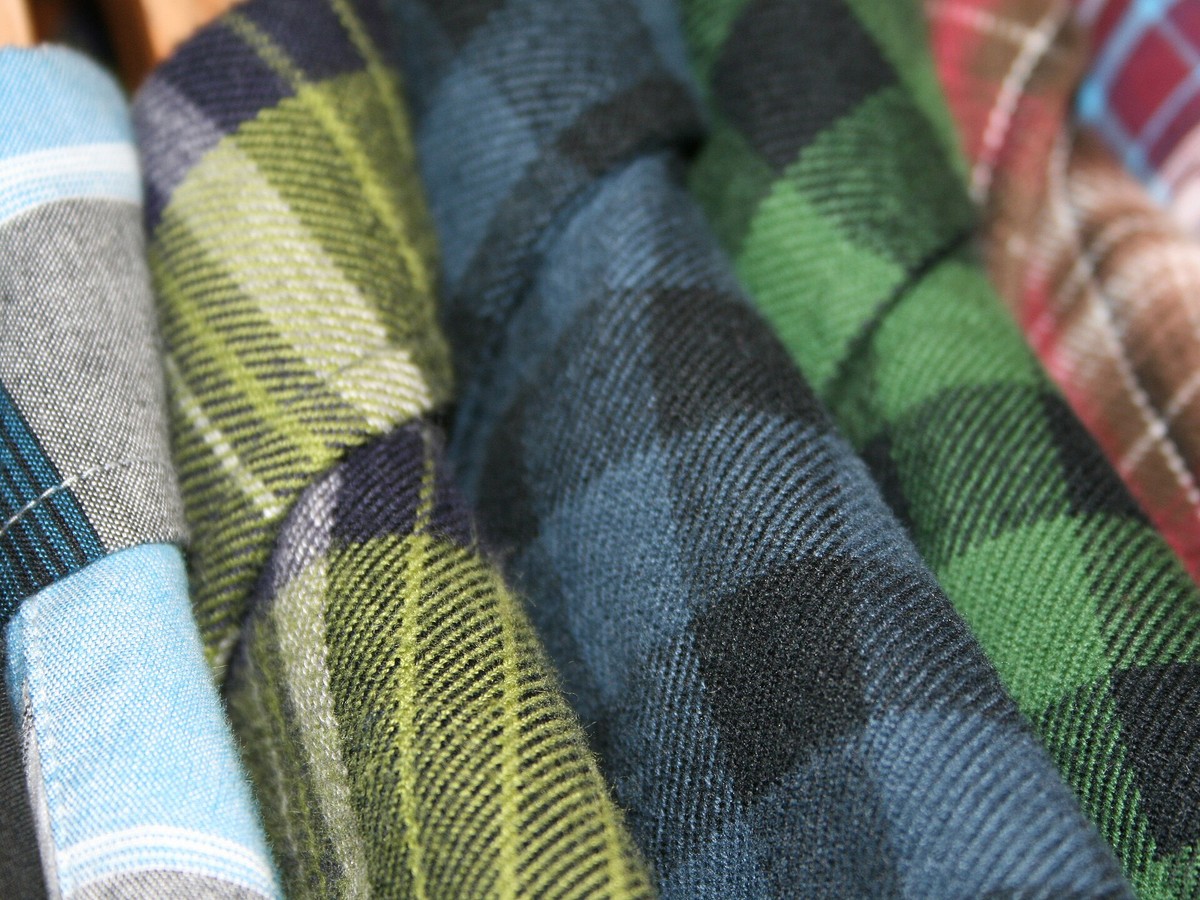


Wool Flannel: Plain-Woven Woollen Yarn, Milled and Raised (Watson, 1921)
A soft wool flannel for shirts, linings and straining bags: woollen-spun yarn woven plain at 24 to 28 ends and 28 to 36 picks per inch, then milled in warm soapy water until it shrinks and closes, and raised to a fibrous face. The settings are William Watson's for an ordinary plain flannel, from Textile Design and Colour (1921).
මධ්යම
About 3 days
උපදෙස්
1
1
Hand-weaving wool cloth
Hand-weaving wool cloth
Weaving and finishing a length of wool fabric by hand (With my hands dream).
2
2
Watson's ordinary flannel
Watson's ordinary flannel
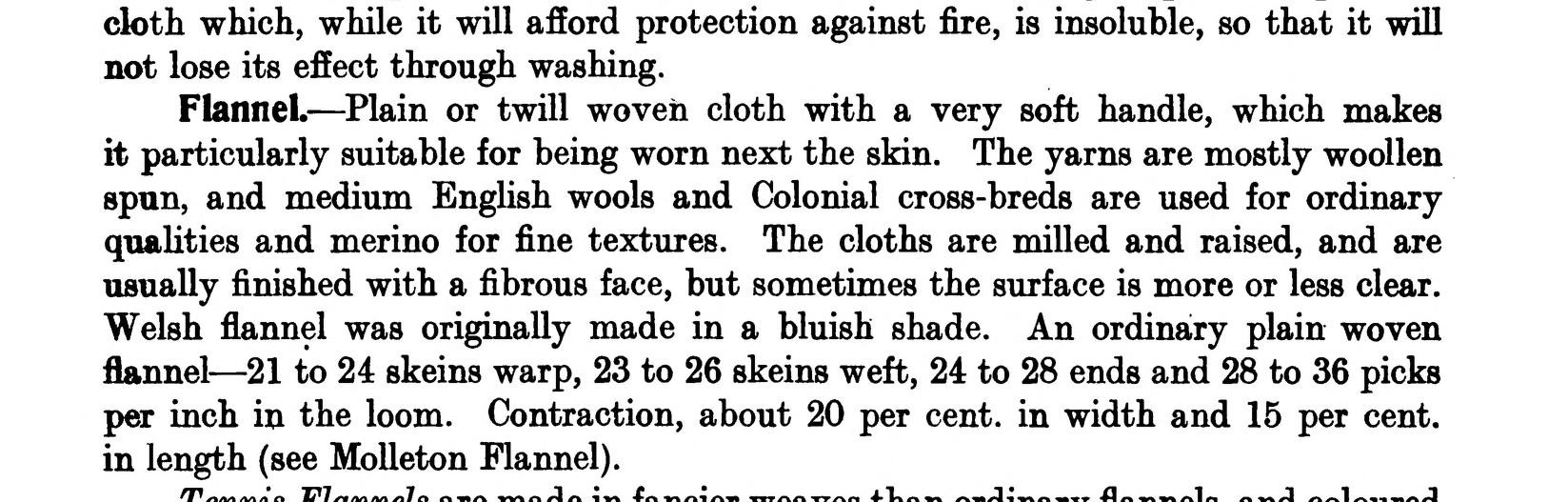
Watson (p. 397): flannel is a plain or twill cloth of woollen-spun yarn, "milled and raised". An ordinary plain flannel has 21 to 24 skeins warp, 23 to 26 skeins weft, 24 to 28 ends and 28 to 36 picks per inch in the loom, and contracts "about 20 per cent. in width and 15 per cent. in length". A skein count is yards per pound divided by 256 (Beaumont, 1888, p. 363).
3
3
Warp and yarn for your piece
Warp and yarn for your piece
Jupyter සටහන් පොත පූරණය වෙමින්…
අවශ්ය මෙවලම්:
 රූලක්
4
4
Check the yarn count
Check the yarn count
Measure 10 yards of each yarn and weigh it. A 22-skein yarn weighs about 0.81 g per 10 yards; the notebook gives the weight for any count. Use 21 to 24 skeins for the warp and 23 to 26 for the weft.
අවශ්ය මෙවලම්:
 තුලාවරූලක්
5
5
Wind the warp and dress the loom
Wind the warp and dress the loom
Wind the number of ends from the notebook on the warping board, to the warp length it gives. Thread the heddles for plain weave (1-2-1-2 on two shafts) and sley the reed to 24 to 28 ends per inch, for example two ends in each dent of a 13-dent reed for 26 (ours). Beam the warp on under even tension.
මෙම පියවර සඳහා ද්රව්ය:
 ලොම් නූල් කරාබුව210 g (warp, 21-24 skeins)
අවශ්ය මෙවලම්:
 නූල් දිග මනින ලෑල්ල
 පා පැදලි සහිත බිම් වියන යන්ත්රය
 රීඩ් කොක්ක
6
6
Weave plain
Weave plain
Weave plain weave, beating to 28 to 36 picks per inch; check with a ruler every few inches. Leave the selvedges a little slack so they draw in with the cloth when it is milled.
මෙම පියවර සඳහා ද්රව්ය:
ලොම් නූල් කරාබුව180 g (weft, 23-26 skeins)අවශ්ය මෙවලම්:
පා පැදලි සහිත බිම් වියන යන්ත්රය බෝට්ටු හැඩැති නූල් කූරයරූලක්
7
7
Mill the cloth
Mill the cloth
Cut the cloth off the loom and knot the ends. Ours: work it in warm soapy water by hand, squeezing, rolling and throwing it down, and measure it often. Stop when it has shrunk about 20 % in width and 15 % in length, as Watson gives for flannel. Rinse well and squeeze out.
අවශ්ය මෙවලම්:
 බාල්දිය
 සබන් කැටයරූලක්
8
8
Raise the face
Raise the face
While the cloth is still damp, stroke the face lightly with teasel heads, always the same way along the length, until a soft fibrous nap covers the weave. Dry it flat, then brush the nap down.
අවශ්ය මෙවලම්:
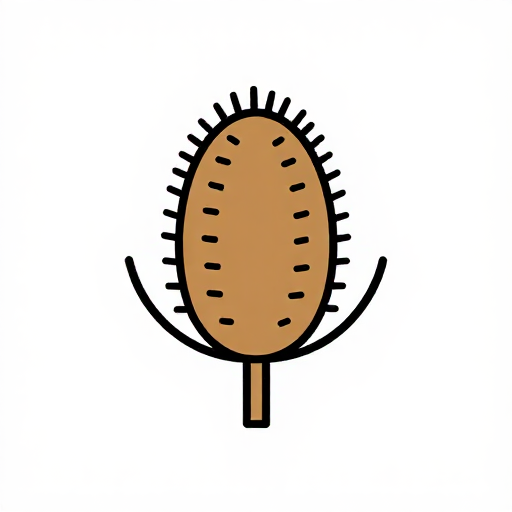 ටීසල් මල් හිස්
9
9
Troubleshooting
Troubleshooting
Flannel problems and fixes.
Flow
Loading...
10
10
History and honest limits
History and honest limits
William Watson, Textile Design and Colour (1921), p. 397, and Roberts Beaumont, Woollen and Worsted Cloth Manufacture (1888), p. 363. How to mill and raise by hand, the sleying and the cloth size are ours. The cover shows twill flannels (Louis Beche, CC BY 2.0, Wikimedia Commons); this blueprint weaves the plain kind. Not made by us yet.
ද්රව්ය
1- 180 g (weft, 23-26 skeins)ස්ථානගත
මෙම සැලසුම සාදන්නේ
CC0 පොදු වසම
මෙම බ්ලූප්රින්ට් CC0 යටතේ නිකුත් කර ඇත. ඔබට අවසර නොමැතිව පිටපත් කිරීම, වෙනස් කිරීම, බෙදා හැරීම සහ භාවිතා කිරීම කළ හැක.
බ්ලූප්රින්ට් හරහා නිෂ්පාදන මිලදී ගැනීමෙන් නිර්මාතෘට සහාය වන්න නිර්මාතෘ කොමිසම විකුණුම්කරුවන් විසින් නියම කළ, හෝ මෙම බ්ලූප්රින්ට්හි නව අනුවාදයක් සාදා ආදායම බෙදා ගැනීමට ඔබේ බ්ලූප්රින්ට්හි සම්බන්ධතාවයක් ලෙස ඇතුළත් කරන්න.