කලාව
රූපලාවණ්ය සහ සුවතාව
ශිල්පය
සංස්කෘතිය සහ ඉතිහාසය
විනෝදාස්වාදය
පරිසරය
ආහාර සහ පාන
ප්රතිලෝම ඉංජිනේරු
විද්යාවන්
ක්රීඩා
තාක්ෂණය
පැළඳිය හැකි
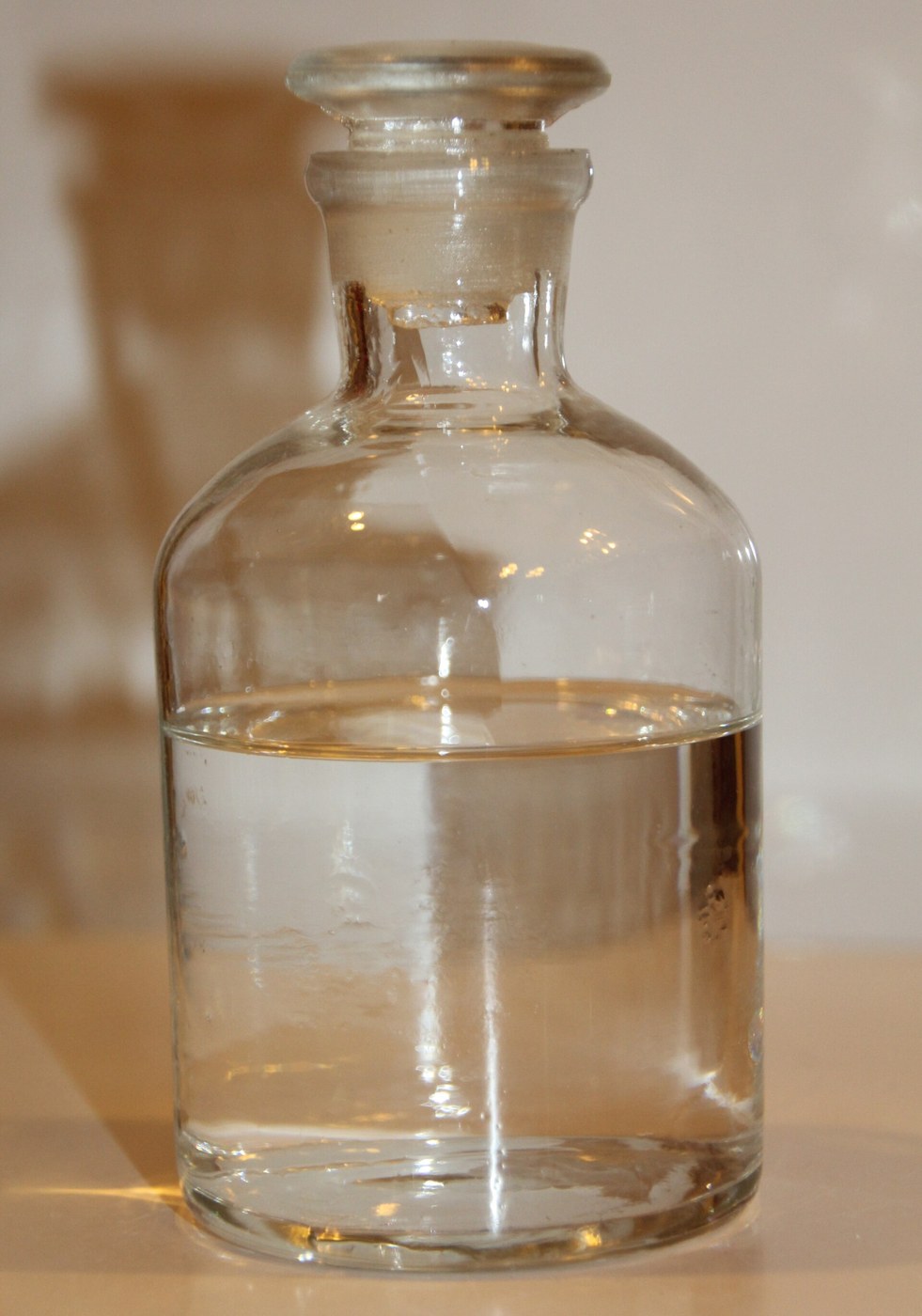


Acetone by Dry Distillation of Acetate of Lime
Before the cumene process, acetone was made from "acetate of lime", calcium acetate. Limestone (calcium carbonate) soaked in vinegar gives calcium acetate; when the dry salt is heated it breaks down into calcium carbonate and acetone: Ca(CH₃COO)₂ → CaCO₃ + (CH₃)₂CO. Charles Friedel reported this dry distillation in 1858, and until World War I it was the main commercial way to make acetone. The calcium carbonate is left behind in the retort and the acetone distils over.
මධ්යම
2–3 days
උපදෙස්
1
1
Make calcium acetate
Make calcium acetate
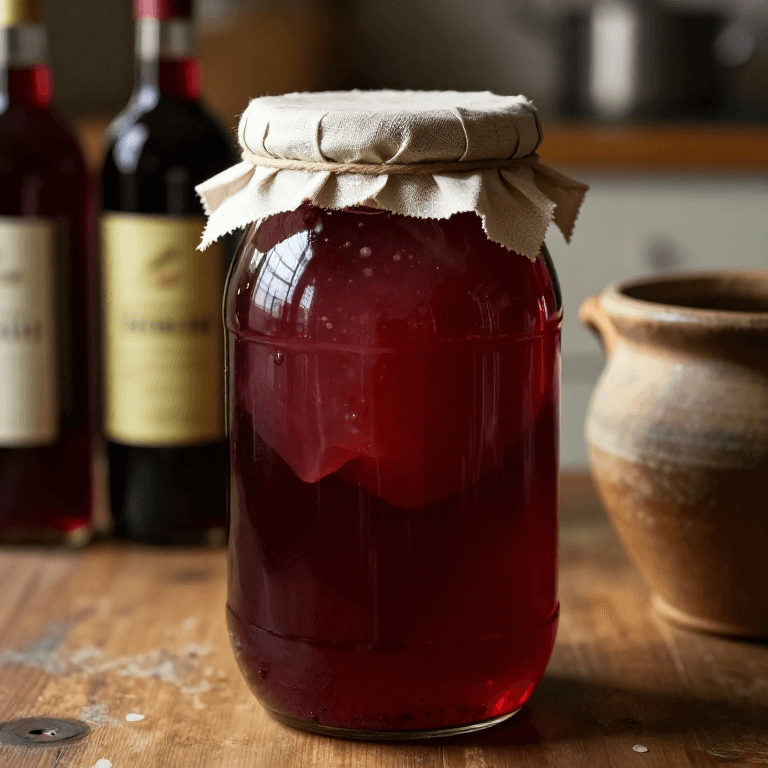
Soak crushed limestone in vinegar. The acetic acid dissolves the calcium carbonate as calcium acetate.
මෙම පියවර සඳහා ද්රව්ය:
 කැල්සියම් කාබනේට් — කුඩු කළ හුණුගල්1 as required
 විනාකිරි1 as required
අවශ්ය මෙවලම්:
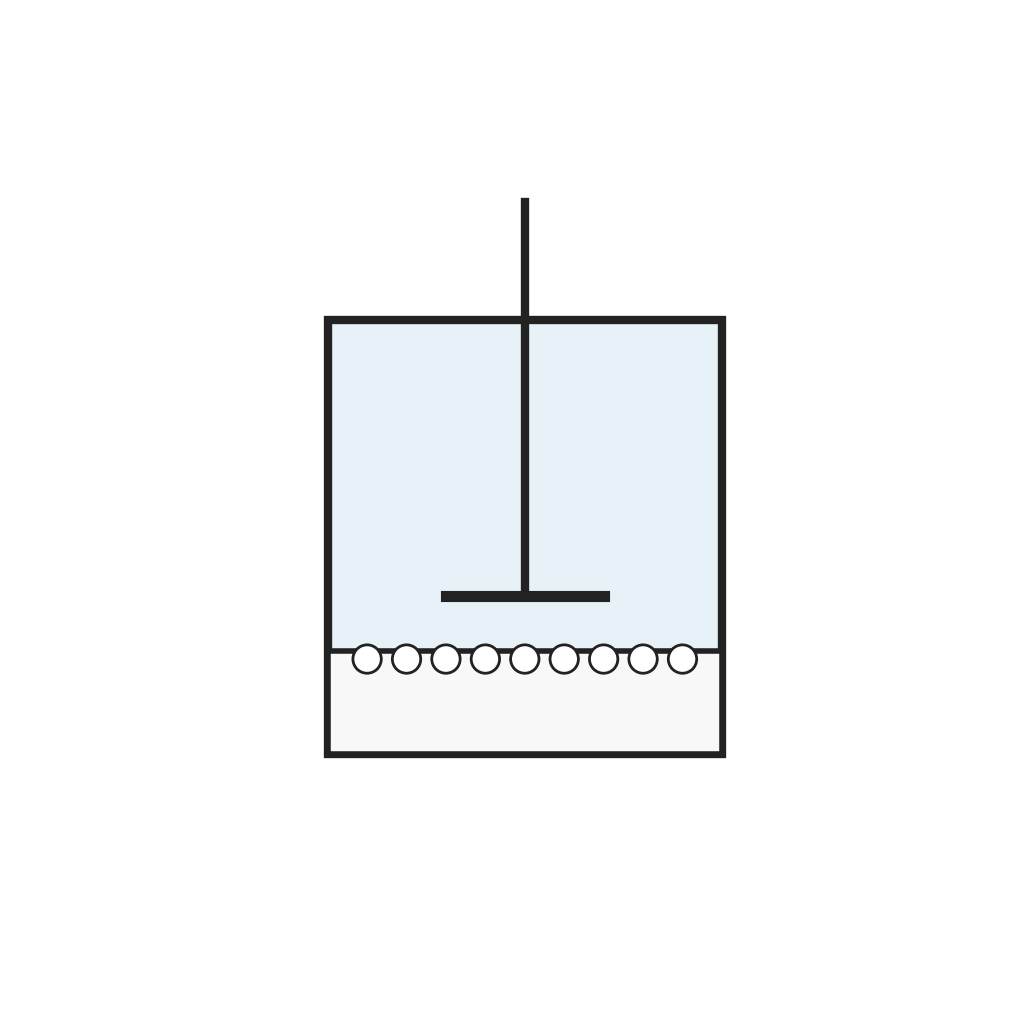 අවක්ෂේපණ ටැංකිය
2
2
Dry the salt
Dry the salt
Draw off the solution and evaporate the water to leave dry calcium acetate.
අවශ්ය මෙවලම්:
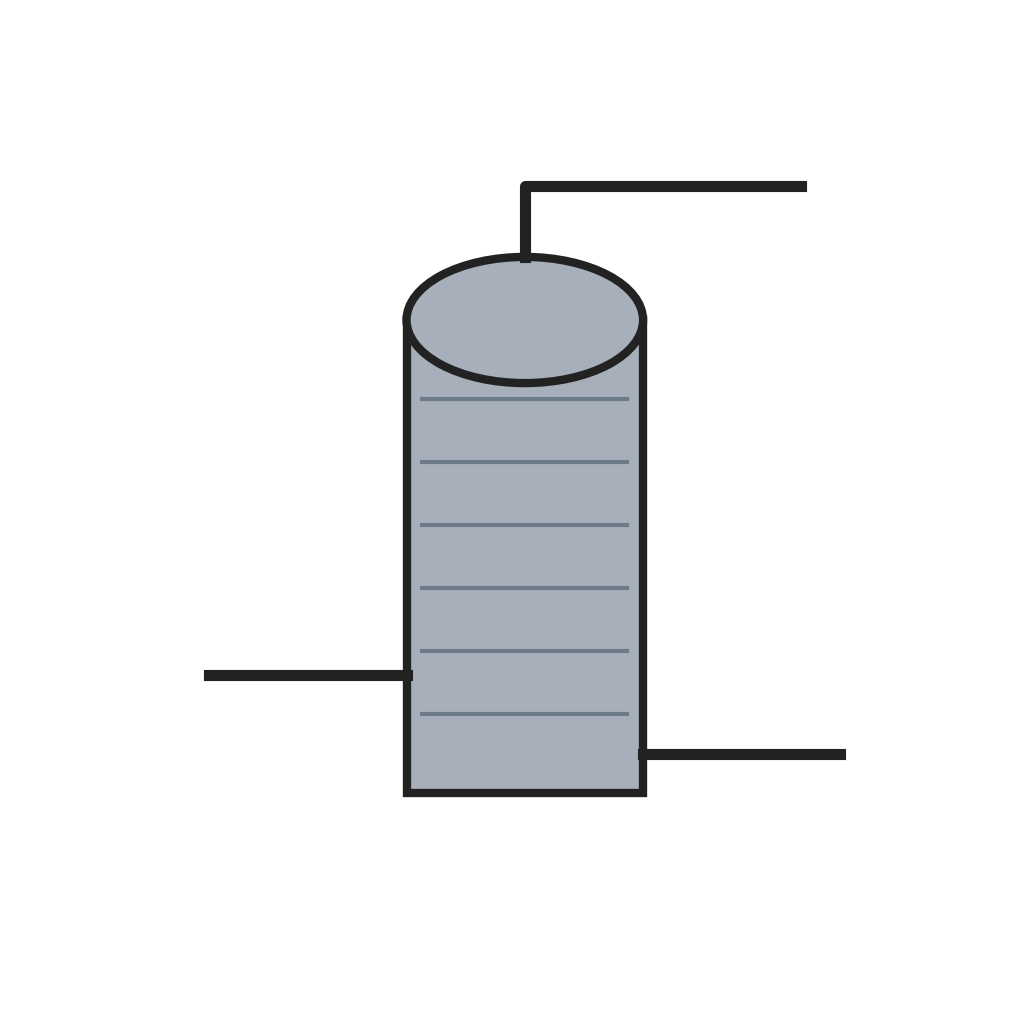 වාෂ්පකය
3
3
Dry-distil
Dry-distil
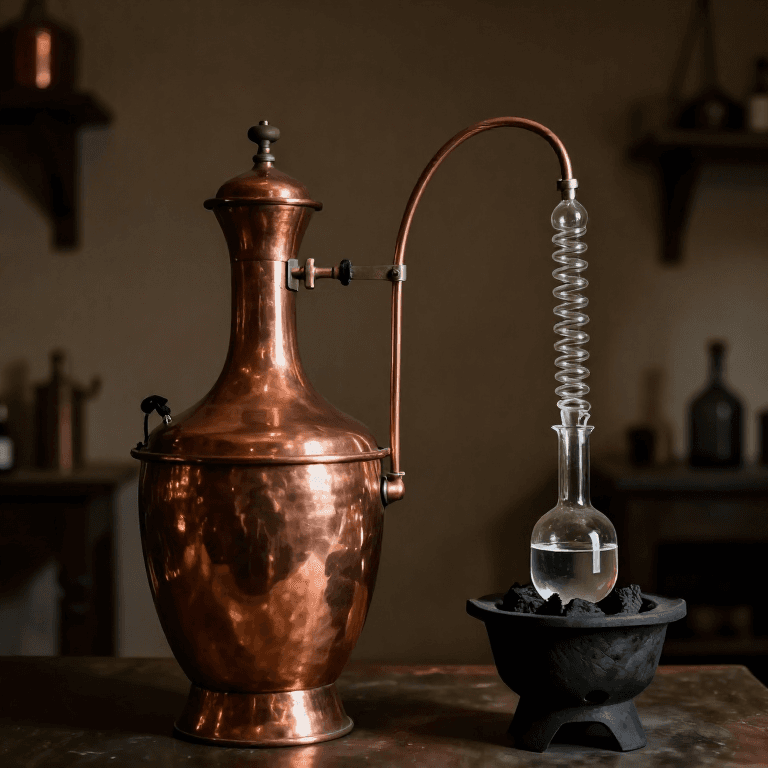
Heat the dry calcium acetate in a closed retort. It decomposes into calcium carbonate, which stays behind, and acetone, which comes off as vapour; condense it.
අවශ්ය මෙවලම්:
 යකඩ පෙරන බඳුන
 කන්ඩෙන්සරයේ කුණ්ඩලය
අවශ්ය මෙවලම්
4- ස්ථානගත
- ස්ථානගත
- ස්ථානගත
- ස්ථානගත
මෙම සැලසුම සාදන්නේ
සම්බන්ධ බ්ලූප්රින්ට්
මෙම බ්ලූප්රින්ට් දැනුම බෙදා ගනී — ශිල්ප ක්රම, ද්රව්ය හෝ මූලධර්ම

CC0 පොදු වසම
මෙම බ්ලූප්රින්ට් CC0 යටතේ නිකුත් කර ඇත. ඔබට අවසර නොමැතිව පිටපත් කිරීම, වෙනස් කිරීම, බෙදා හැරීම සහ භාවිතා කිරීම කළ හැක.
බ්ලූප්රින්ට් හරහා නිෂ්පාදන මිලදී ගැනීමෙන් නිර්මාතෘට සහාය වන්න නිර්මාතෘ කොමිසම විකුණුම්කරුවන් විසින් නියම කළ, හෝ මෙම බ්ලූප්රින්ට්හි නව අනුවාදයක් සාදා ආදායම බෙදා ගැනීමට ඔබේ බ්ලූප්රින්ට්හි සම්බන්ධතාවයක් ලෙස ඇතුළත් කරන්න.