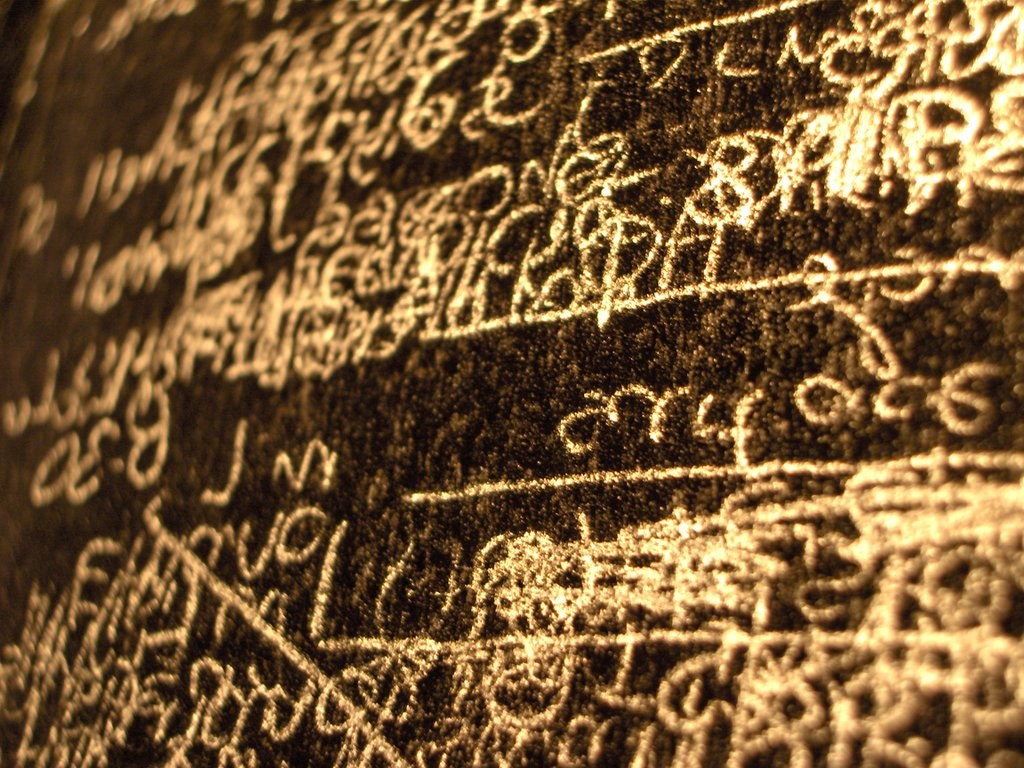


Carbon Paper
උපදෙස්
Make the transfer coating
Make the transfer coating
Pigment suspended in a soft binder that releases under pressure.
- Melt a small amount of wax gently.
- Stir in fine carbon black or soot until evenly dispersed.
- Keep it fluid but not hot enough to smoke.
මෙම පියවර සඳහා ද්රව්ය:
 මී ඉටි කැටය (පිරිපහදු කළ, කහ)50 ග්රෑ
 පහන් දැලි වර්ණකය10 ග්රෑ
Coat a sheet thinly and evenly
Coat a sheet thinly and evenly
Thin paper, thin coating, one side only.
- Apply the warm mixture to one side of a thin sheet.
- Draw a straight edge across to level it.
- Let it cool completely before handling.
මෙම පියවර සඳහා ද්රව්ය:
 පෙරන කඩදාසි1 පැකට්
Make a copy, and get the orientation right
Make a copy, and get the orientation right
Stack it: original on top, carbon coated-side DOWN, copy sheet beneath.
- Assemble the stack and write firmly with a hard point.
- Separate the sheets and inspect the copy.
- Now deliberately put the carbon in upside down and write again.
Find how deep the stack can go
Find how deep the stack can go
Test the limit that defined office hierarchy.
- Build a stack of several alternating carbon and plain sheets.
- Write once with firm pressure.
- Compare the legibility of each copy down the stack.
History and context
History and context
Ralph Wedgwood patented his Stylographic Writer in 1806 — carbon-coated paper used with a metal stylus, devised partly as an aid for blind writers. Pellegrino Turri was working on similar carbon copying in Italy at about the same time, also in connection with a writing machine for a blind friend. It is a genuine case of an assistive technology becoming general office equipment.
The typewriter made it essential. A pen presses in one place at a time; a typebar strikes hard and sharply, which is ideal for driving an impression through several layers. Carbon paper and the typewriter arrived at each other in the 1870s and 80s, and the combination defined the shape of business correspondence for a century: one original, a file copy, and copies for whoever mattered.
What replaced it, in order: the stencil duplicator for many copies of one document, photocopying from the late 1950s, then carbonless copy paper — sheets coated with microcapsules that burst under pressure and react with a clay layer on the sheet below, giving the same result without loose black powder. Then, of course, the computer, which made copies free and identical.
The vocabulary outlived the object. Cc means carbon copy. Bcc is blind carbon copy — the recipient list literally hidden from the others, exactly as it was when a typist made an extra copy without adding the name to the distribution line. The metaphor has survived at least two generations who never saw the thing.
ද්රව්ය
3- 50 ග්රෑස්ථානගත
- 10 ග්රෑස්ථානගත
- 1 පැකට්ස්ථානගත
මෙම සැලසුම සාදන්නේ

CC0 පොදු වසම
මෙම බ්ලූප්රින්ට් CC0 යටතේ නිකුත් කර ඇත. ඔබට අවසර නොමැතිව පිටපත් කිරීම, වෙනස් කිරීම, බෙදා හැරීම සහ භාවිතා කිරීම කළ හැක.
බ්ලූප්රින්ට් හරහා නිෂ්පාදන මිලදී ගැනීමෙන් නිර්මාතෘට සහාය වන්න නිර්මාතෘ කොමිසම විකුණුම්කරුවන් විසින් නියම කළ, හෝ මෙම බ්ලූප්රින්ට්හි නව අනුවාදයක් සාදා ආදායම බෙදා ගැනීමට ඔබේ බ්ලූප්රින්ට්හි සම්බන්ධතාවයක් ලෙස ඇතුළත් කරන්න.