කලාව
රූපලාවණ්ය සහ සුවතාව
ශිල්පය
සංස්කෘතිය සහ ඉතිහාසය
විනෝදාස්වාදය
පරිසරය
ආහාර සහ පාන
ප්රතිලෝම ඉංජිනේරු
විද්යාවන්
ක්රීඩා
තාක්ෂණය
පැළඳිය හැකි
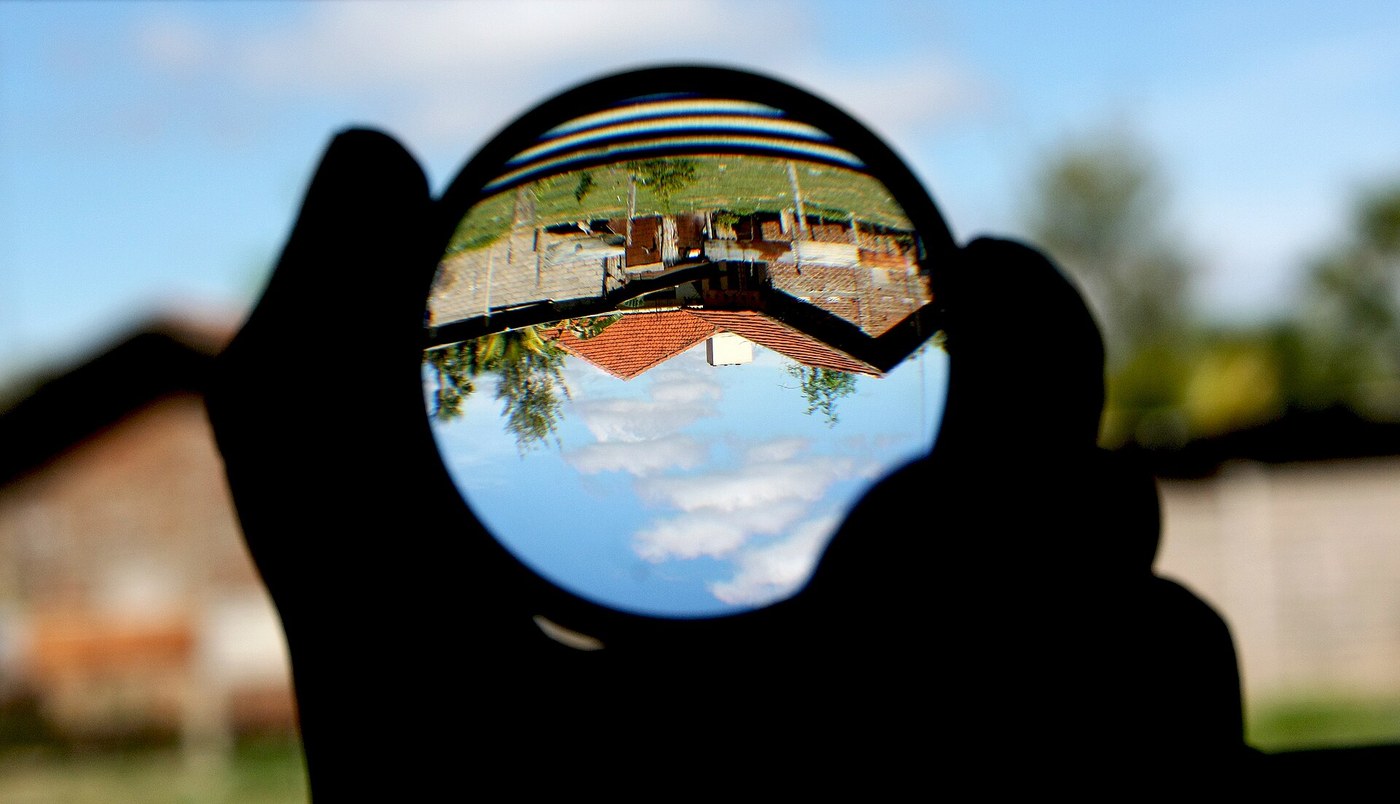


Convex and Concave Lenses Ground as a Pair
Rub one glass disc over another with wet grit and both change shape: the one on top goes hollow, the one beneath goes domed, and they stay a perfect fit. Grind both faces of a pair this way and the bottom disc becomes a double-convex lens, the top one a double-concave lens of the same curve. Longer work gives deeper curves and shorter focal lengths.
The picture: a double-convex lens held at arm's length shows the scene small and upside down.
උසස්
Several days per pair
උපදෙස්
1
1
Cut two discs
Cut two discs
Score two equal circles on the glass sheet, snap them out and nibble the edges round with grozing pliers. Fix a short wooden handle to the back of each with warm pitch.
මෙම පියවර සඳහා ද්රව්ය:
 වීදුරු තහඩුව1 කැබැල්ල
 පයින් තාර ඇලවුම20 ග්රෑ
 දැඩි දැව තීරුව1 කැබැල්ල
අවශ්ය මෙවලම්:
 වීදුරු කපනය
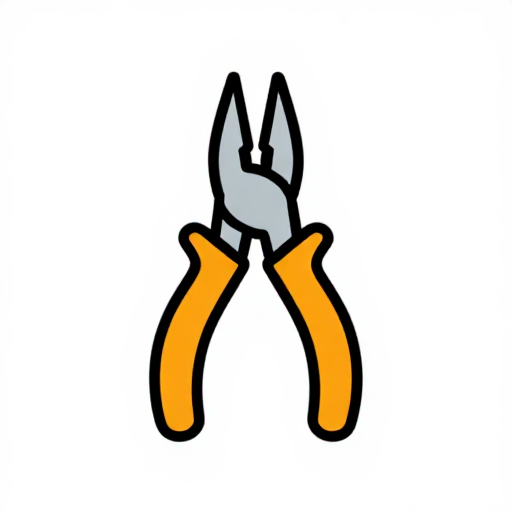 වීදුරු කපන අඬුව
 ආරක්ෂිත කණ්ණාඩි
2
2
Rough grind the first faces
Rough grind the first faces
Lay one disc face up on a firm table, wet it and sprinkle coarse grit. Push the other disc over it, face down, in short strokes, turning both a little all the time. The top one becomes concave, the bottom convex. Rinse and recharge as the grit wears.
මෙම පියවර සඳහා ද්රව්ය:
 සිලිකන් කාබයිඩ් දැල්ල50 ග්රෑ
 ජලය2 ලීටර්
අවශ්ය මෙවලම්:
 රූලක්
රූලක්3
3
Check the curve
Check the curve
Lay a ruler across the hollow disc and measure the depth at the centre with the caliper. Keep the top disc on top to deepen the curve; swap them to flatten it.
අවශ්ය මෙවලම්:
රූලක් ඩිජිටල් කැලිපරය අඟල් 6
4
4
Fine grind and polish
Fine grind and polish
Go through finer grits, washing everything clean between grits. Polish each face on a pitch lap pressed to the other disc's curve, with tin oxide (putty powder) and water, until clear.
මෙම පියවර සඳහා ද්රව්ය:
සිලිකන් කාබයිඩ් දැල්ල30 ග්රෑ ටින් ඔක්සයිඩ් (ස්ටැනික් ඔක්සයිඩ්)30 ග්රෑපයින් තාර ඇලවුම100 ග්රෑ
5
5
Turn them over, do the second faces
Turn them over, do the second faces
Move the handles to the finished faces and grind the other sides the same way, the same disc on top, to the same depth. The bottom disc is now a double-convex lens, the top one double-concave.
මෙම පියවර සඳහා ද්රව්ය:
සිලිකන් කාබයිඩ් දැල්ල60 ග්රෑටින් ඔක්සයිඩ් (ස්ටැනික් ඔක්සයිඩ්)20 ග්රෑඅවශ්ය මෙවලම්:
ඩිජිටල් කැලිපරය අඟල් 66
6
Find the focal length
Find the focal length
Hold the convex lens in sunlight over paper and move it until the spot is smallest; that distance is its focal length. Grind more pairs to different depths for a set of focal lengths.
අවශ්ය මෙවලම්:
රූලක්7
7
Focal length from the curve
Focal length from the curve
Jupyter සටහන් පොත පූරණය වෙමින්…
8
8
Limits
Limits
Which disc goes hollow is the mirror makers' rule (Sky & Telescope, Stellafane); the lens formula is from Wikipedia. Window glass is not optical glass: expect some colour fringes and bubbles.
ද්රව්ය
6- 1 කැබැල්ලස්ථානගත
- 120 ග්රෑස්ථානගත
- 1 කැබැල්ලස්ථානගත
- 60 ග්රෑස්ථානගත
- 2 ලීටර්ස්ථානගත
- ස්ථානගත
මෙම සැලසුම සාදන්නේ



සම්බන්ධ බ්ලූප්රින්ට්
මෙම බ්ලූප්රින්ට් දැනුම බෙදා ගනී — ශිල්ප ක්රම, ද්රව්ය හෝ මූලධර්ම

CC0 පොදු වසම
මෙම බ්ලූප්රින්ට් CC0 යටතේ නිකුත් කර ඇත. ඔබට අවසර නොමැතිව පිටපත් කිරීම, වෙනස් කිරීම, බෙදා හැරීම සහ භාවිතා කිරීම කළ හැක.
බ්ලූප්රින්ට් හරහා නිෂ්පාදන මිලදී ගැනීමෙන් නිර්මාතෘට සහාය වන්න නිර්මාතෘ කොමිසම විකුණුම්කරුවන් විසින් නියම කළ, හෝ මෙම බ්ලූප්රින්ට්හි නව අනුවාදයක් සාදා ආදායම බෙදා ගැනීමට ඔබේ බ්ලූප්රින්ට්හි සම්බන්ධතාවයක් ලෙස ඇතුළත් කරන්න.