සහයෝගීතාව
කලාව
රූපලාවණ්ය සහ සුවතාව
ශිල්පය
සංස්කෘතිය සහ ඉතිහාසය
විනෝදාස්වාදය
පරිසරය
ආහාර සහ පාන
ප්රතිලෝම ඉංජිනේරු
විද්යාවන්
ක්රීඩා
තාක්ෂණය
පැළඳිය හැකි
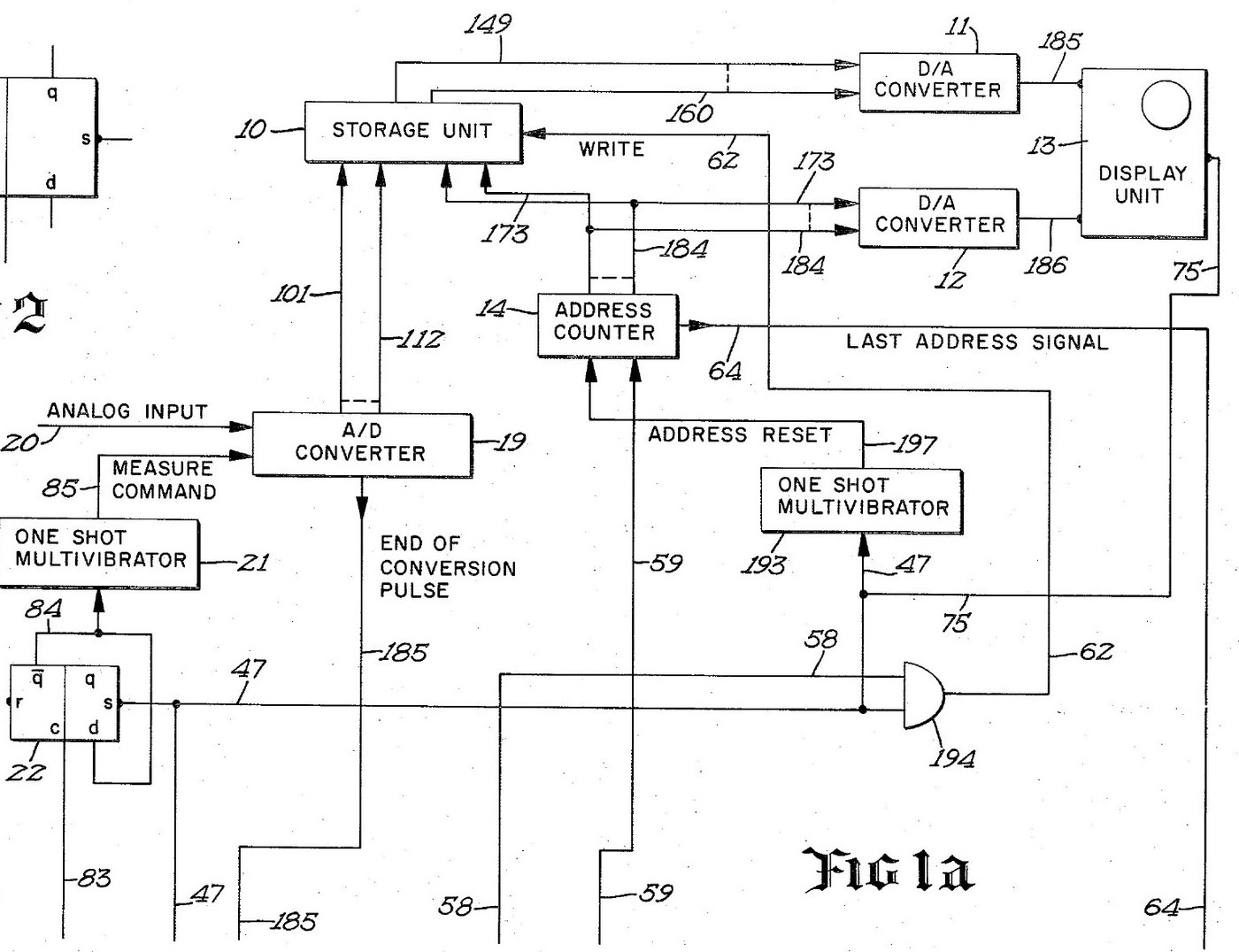

Digital Oscilloscope: Waveform Stored in Memory and Shown on a CRT (Schumann, Nicolet, US 3,816,815, 1974)
An oscilloscope with a memory. After a trigger, an analog-to-digital converter measures the input at regular intervals and writes each reading into its own memory register, replacing the old one. The screen then shows the memory: each register's number sets the beam's height, its address sets the beam's place across. The last waveform can be held on the screen as long as you like.
Result: a digital storage oscilloscope with 4,096 points of 12 bits, refresh and hold modes and single-shot capture.
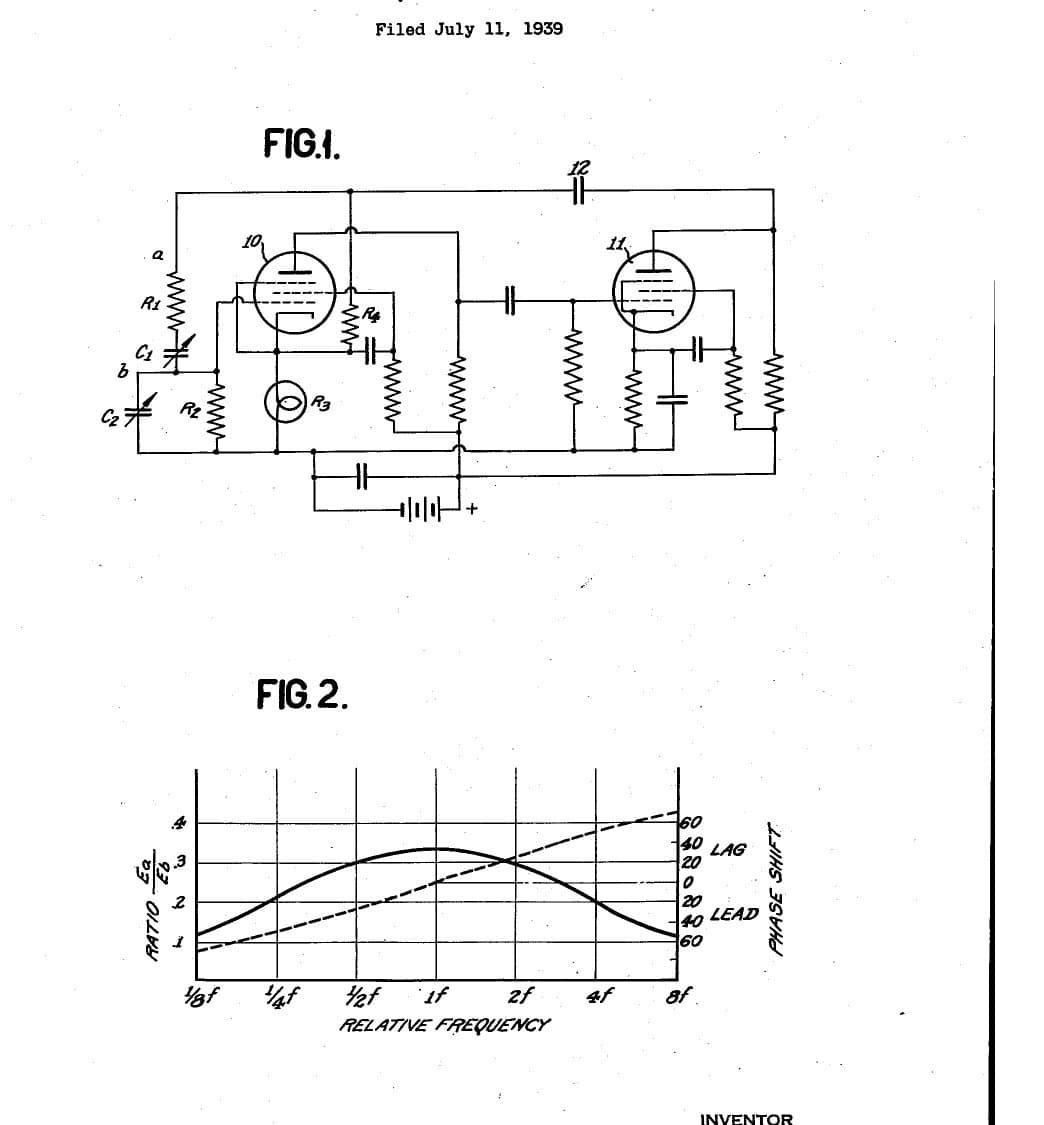
Source: R. W. Schumann (Nicolet), US 3,816,815 (1974). Unknown: sample rate, bandwidth, voltages and the parts used. Picture: the patent drawing.
විශේෂඥ
Unknown
උපදෙස්
1
1
Sample and convert the input
Sample and convert the input
Bring the analog input to an analog-to-digital converter, through a BNC socket. A sampling oscillator, divided by four by two flip-flops so the first reading comes soon after the sweep starts, fires a one-shot multivibrator that gives the converter its measure command. The converter holds each 12-bit result on its output lines and signals the end of each conversion. Ours: a BNC socket. Not given: the sample rate.
මෙම පියවර සඳහා ද්රව්ය:
 ප්රතිසම-ඩිජිටල් පරිවර්තකය1 12-bit converter
 ඔරලෝසු දෝලකය1 sampling oscillator
 තර්ක IC එකතුව1 flip-flops, one-shots, gates
 සම අක්ෂ සම්බන්ධක කට්ටලය (BNC / SO-239)1 input socket
අවශ්ය මෙවලම්:
 පෑස්සුම් කූරු
 කම්බි ආවරණ ගලවන අඬුව
2
2
Store each reading in memory
Store each reading in memory
Wire an integrated-circuit memory of 4,096 registers, 12 bits each, that can be read without changing it. A 12-bit address counter picks the register. On each write command the register at the current address takes the last reading from the converter, and the counter steps on. When the sweep starts, a one-shot resets the counter to zero. When it reaches the last address, its last-address signal ends the sweep.
මෙම පියවර සඳහා ද්රව්ය:
 අනුකලිත පරිපථ මතකය1 4,096 x 12-bit store
අවශ්ය මෙවලම්:
පෑස්සුම් කූරුකම්බි ආවරණ ගලවන අඬුව3
3
Drive the CRT from the memory
Drive the CRT from the memory
Feed the addressed register's number to one digital-to-analog converter and the address to a second. Their outputs drive the vertical and horizontal deflection plates of a cathode-ray tube, so the beam always stands at the height of the stored reading and at the place of its address. Wire the sweep line to the tube's intensifier, to brighten the trace while a waveform is being taken.
මෙම පියවර සඳහා ද්රව්ය:
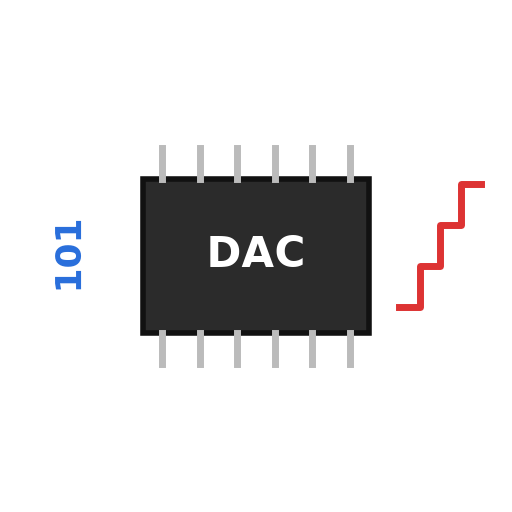 ඩිජිටල්-ඇනලොග් පරිවර්තකය2 vertical and horizontal
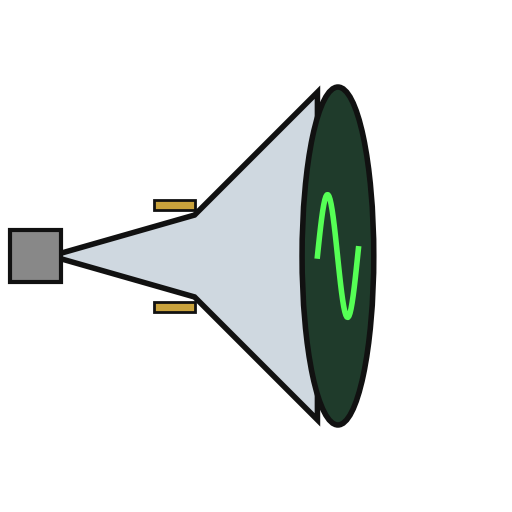 කැතෝඩ කිරණ නලය1 display tube
අවශ්ය මෙවලම්:
පෑස්සුම් කූරුකම්බි ආවරණ ගලවන අඬුව4
4
Wire the trigger and the modes
Wire the trigger and the modes
A trigger input, usually from the leading edge of the input waveform, starts the sweep, once a measure flip-flop has armed it. Put a two-position mode switch on the face: MODE I and MODE II. Add a push button in the probe, a switch on the panel and an external initiate input; each goes through a flip-flop that removes contact bounce. Two more oscillators step the memory round to refresh the display between waveforms. Mount it all in a case with its supply. Ours: toggle switches, an aluminium case, a DC supply. Not given: the supply voltages.
මෙම පියවර සඳහා ද්රව්ය:
ඔරලෝසු දෝලකය2 display sequencing oscillators ටොගල් ස්විචය2 mode and panel switches
 තල්ලු බොත්තම1 probe switch
 ඇලුමිනියම් ආවරණ පෙට්ටිය1 case
අවශ්ය මෙවලම්:
 ඍජු ධාරා විදුලි ප්රභවය
 ස්ථාවර සිදුරු යන්ත්රයපෑස්සුම් කූරු
5
5
Capture and hold a waveform
Capture and hold a waveform
In MODE I, refresh: each new triggered waveform replaces the last on the screen. Press the probe or panel switch to hold: new waveforms are rejected and the last one stays on the screen. In MODE II the screen normally holds; on command, it takes the first waveform after the command, stores it and shows it steadily. Test it with a known signal.
අවශ්ය මෙවලම්:
 ශ්රිත ජනකය
ද්රව්ය
10- 1 12-bit converterස්ථානගත
- 2 display sequencing oscillatorsස්ථානගත
- 1 flip-flops, one-shots, gatesස්ථානගත
- 1 input socketස්ථානගත
- 1 4,096 x 12-bit storeස්ථානගත
- 2 vertical and horizontalස්ථානගත
- 1 display tubeස්ථානගත
- ස්ථානගත
- ස්ථානගත
- 1 caseස්ථානගත
අවශ්ය මෙවලම්
5- 2 vendors sell this, none ship to you yetස්ථානගත
- ස්ථානගත
- ස්ථානගත
- ස්ථානගත
- ස්ථානගත
මෙම සැලසුම සාදන්නේ

සම්බන්ධ බ්ලූප්රින්ට්
මෙම බ්ලූප්රින්ට් දැනුම බෙදා ගනී — ශිල්ප ක්රම, ද්රව්ය හෝ මූලධර්ම
CC0 පොදු වසම
මෙම බ්ලූප්රින්ට් CC0 යටතේ නිකුත් කර ඇත. ඔබට අවසර නොමැතිව පිටපත් කිරීම, වෙනස් කිරීම, බෙදා හැරීම සහ භාවිතා කිරීම කළ හැක.
බ්ලූප්රින්ට් හරහා නිෂ්පාදන මිලදී ගැනීමෙන් නිර්මාතෘට සහාය වන්න නිර්මාතෘ කොමිසම විකුණුම්කරුවන් විසින් නියම කළ, හෝ මෙම බ්ලූප්රින්ට්හි නව අනුවාදයක් සාදා ආදායම බෙදා ගැනීමට ඔබේ බ්ලූප්රින්ට්හි සම්බන්ධතාවයක් ලෙස ඇතුළත් කරන්න.