කලාව
රූපලාවණ්ය සහ සුවතාව
ශිල්පය
සංස්කෘතිය සහ ඉතිහාසය
විනෝදාස්වාදය
පරිසරය
ආහාර සහ පාන
ප්රතිලෝම ඉංජිනේරු
විද්යාවන්
ක්රීඩා
තාක්ෂණය
පැළඳිය හැකි
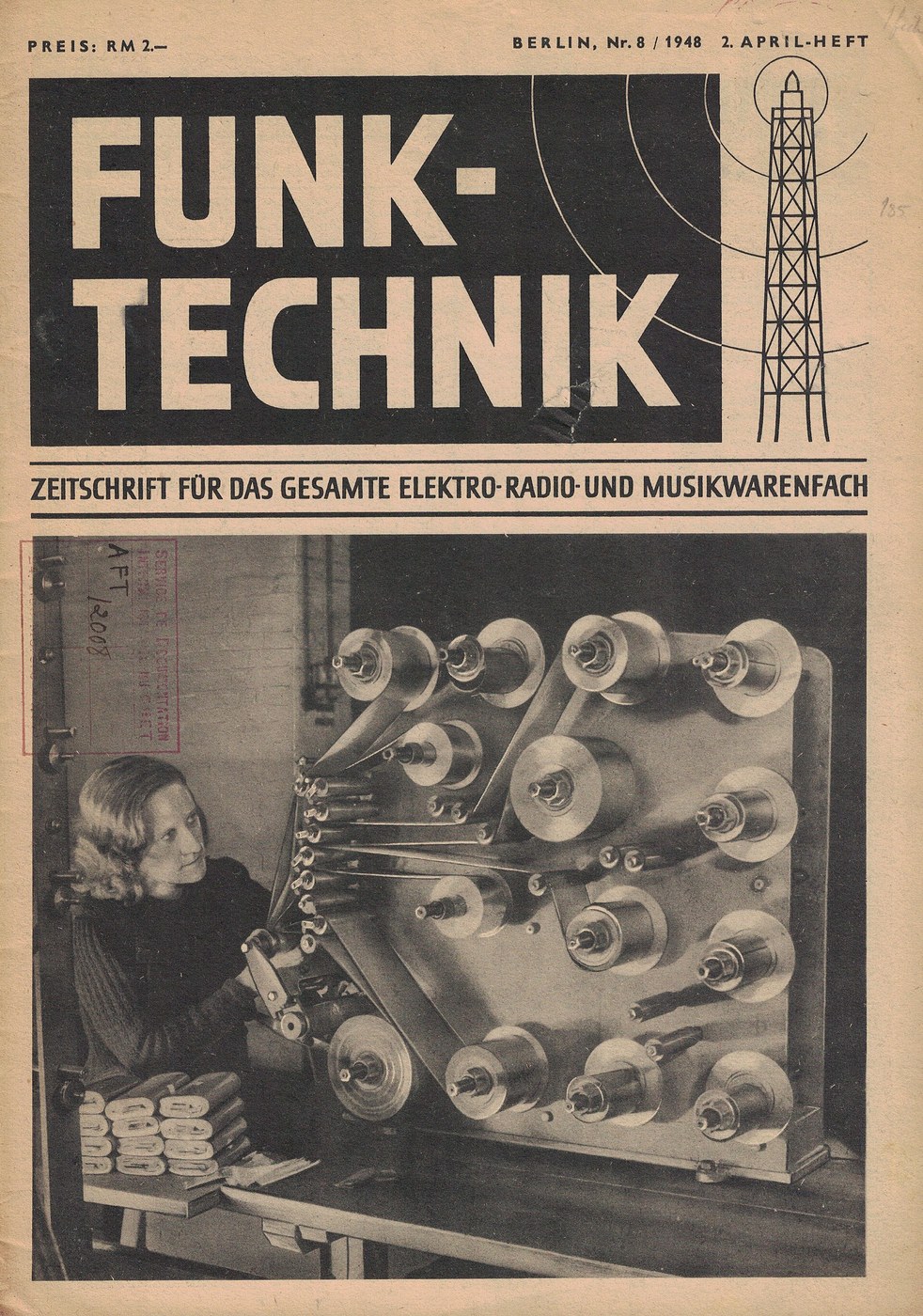


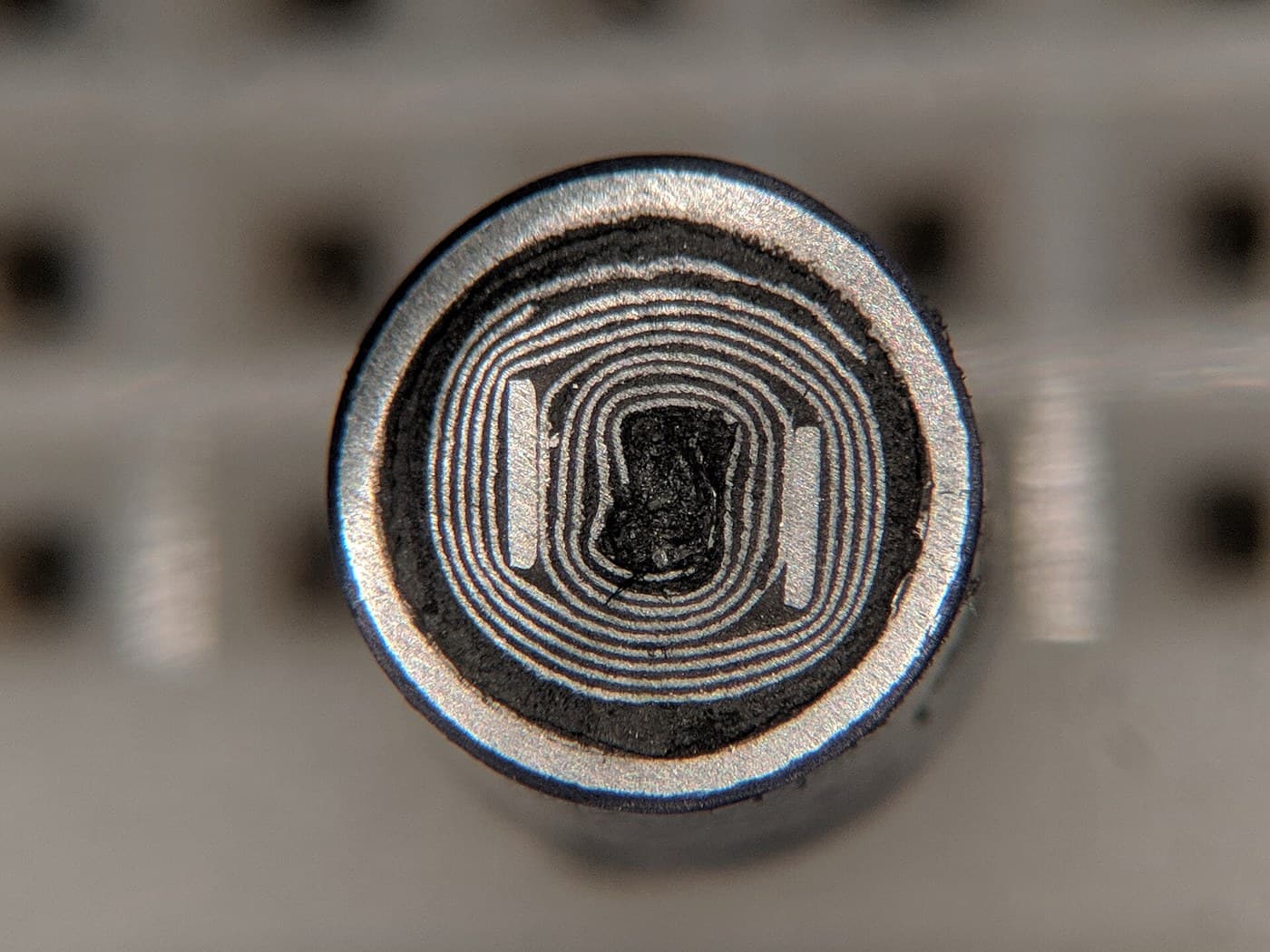
Electrolytic Capacitors: Borate Paper Wound with Formed Aluminium Foil and Vacuum-Impregnated (Danziger, US 2,107,780)
A dry electrolytic capacitor wound from aluminium foil and paper. The paper is first soaked in ammonium borate and dried, so the salt is already in its fibres. After winding, the bodies are soaked under heat and vacuum in borate dissolved in glycol, boxed and aged at 500 volts.
Result: electrolytic capacitors. In the patent's tests these lost only 4.8 % of their capacity, against about 33 % for bodies made the ordinary way, and their power-factor loss rose 87 % on life test against 250 %.
Source: H. I. Danziger and A. Di Giacomo, US 2,107,780 (1938). Unknown: how the anode foil is formed, which paper, the tab metal, and how the ammonium borate is made; the patent does not give them. Picture: Wikimedia Commons.
උසස්
1 day
උපදෙස්
1
1
Salt the paper
Salt the paper
Draw the paper strip through a saturated solution of ammonium borate in water, about 15 to 30 seconds for each part of it, then dry it at about 80 °C for about 15 seconds and reel it up. The salted paper keeps until needed. Unknown: which paper. Ours: a tray for the bath and a drying oven.
මෙම පියවර සඳහා ද්රව්ය:
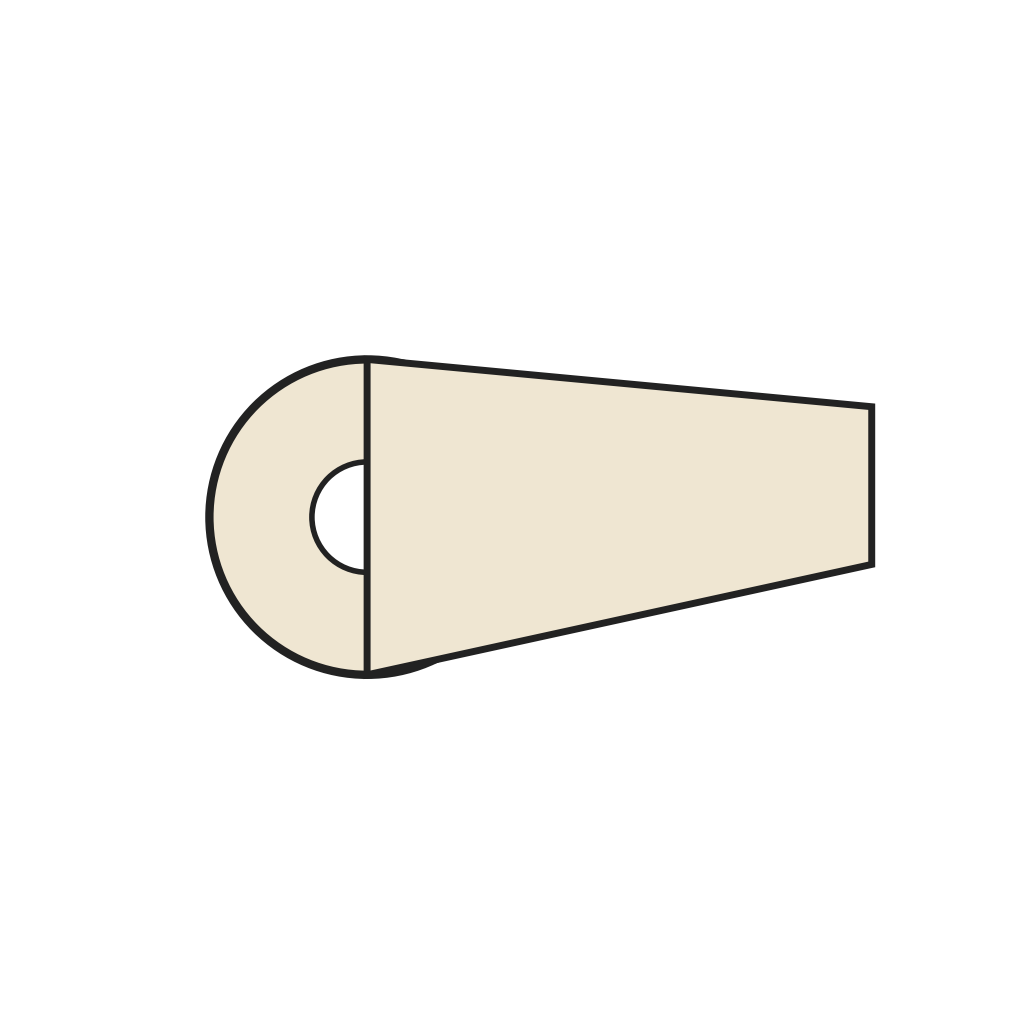 ධාරිත්රක වෙන් කරන කඩදාසිය1 strip
 ඇමෝනියම් බෝරේට්1 to saturate
අවශ්ය මෙවලම්:
 ජලය
 තැටිය
 වේළන උදුන
2
2
Wind the bodies
Wind the bodies
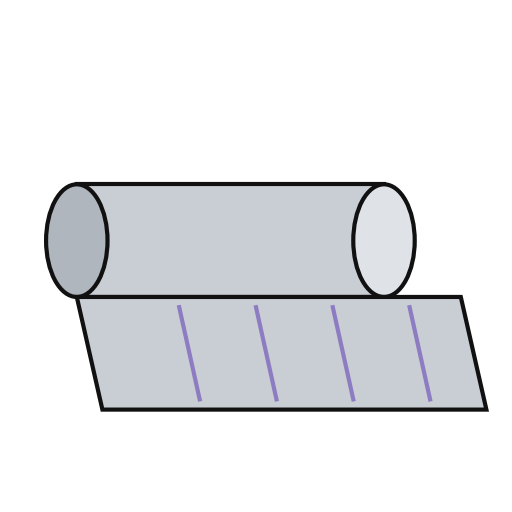
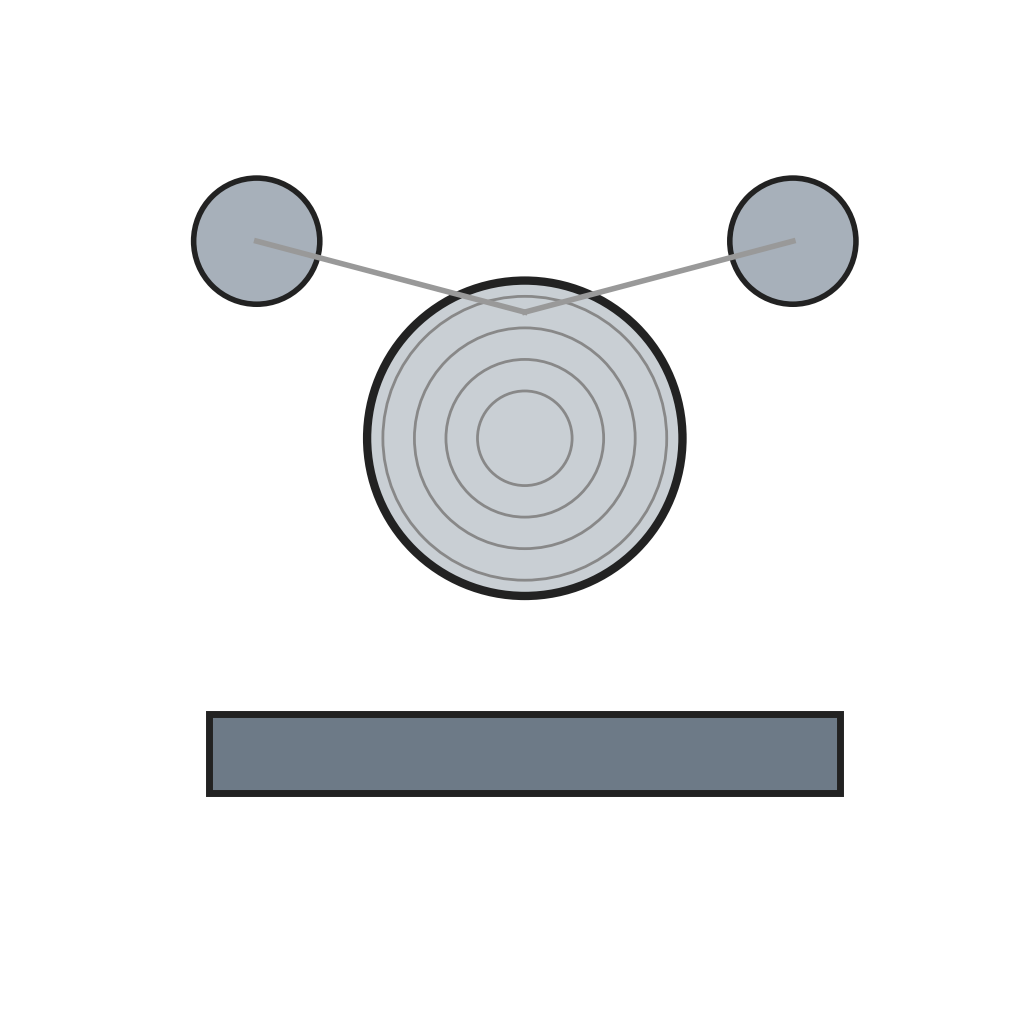
On a winding machine, wind two aluminium foil strips with the salted paper between them onto a mandrel; at least one foil must already carry its electrolytic film. One paper strip is enough. Let the paper stand out at both ends, bring a connection tab out of each end, cut the strips and hold the body wound with a rubber band. Unknown: how the foil was formed, and the tab metal.
මෙම පියවර සඳහා ද්රව්ය:
 සැකසූ ඇලුමිනියම් තහඩුව1 strip
 ඇලුමිනියම් තීරු තහඩුව1 strip
 නොදන්නා ලෝහය2 tabs
අවශ්ය මෙවලම්:
 ධාරිත්රක එතීමේ යන්ත්රය
 රබර් පටි
3
3
Make the impregnant
Make the impregnant
Heat ethylene glycol to about 90 °C, then stir in powdered ammonium borate slowly and continuously until the solution reaches about 122 °C. Ours: a hot plate and thermometer.
මෙම පියවර සඳහා ද්රව්ය:
 එතිලීන් ග්ලයිකෝල්1 as requiredඇමෝනියම් බෝරේට්1 as required
අවශ්ය මෙවලම්:
 රත් කරන තහඩුව
 උෂ්ණත්වමානය
4
4
Soak under heat and vacuum
Soak under heat and vacuum
Rack the bodies in a vacuum tank heated to about 50 °C and draw about 745 mm of vacuum for about an hour to pull out air and moisture. Draw in the impregnant at about 85 °C, ease the vacuum to about 310 mm, and hold at about 85 °C for about another hour.
අවශ්ය මෙවලම්:
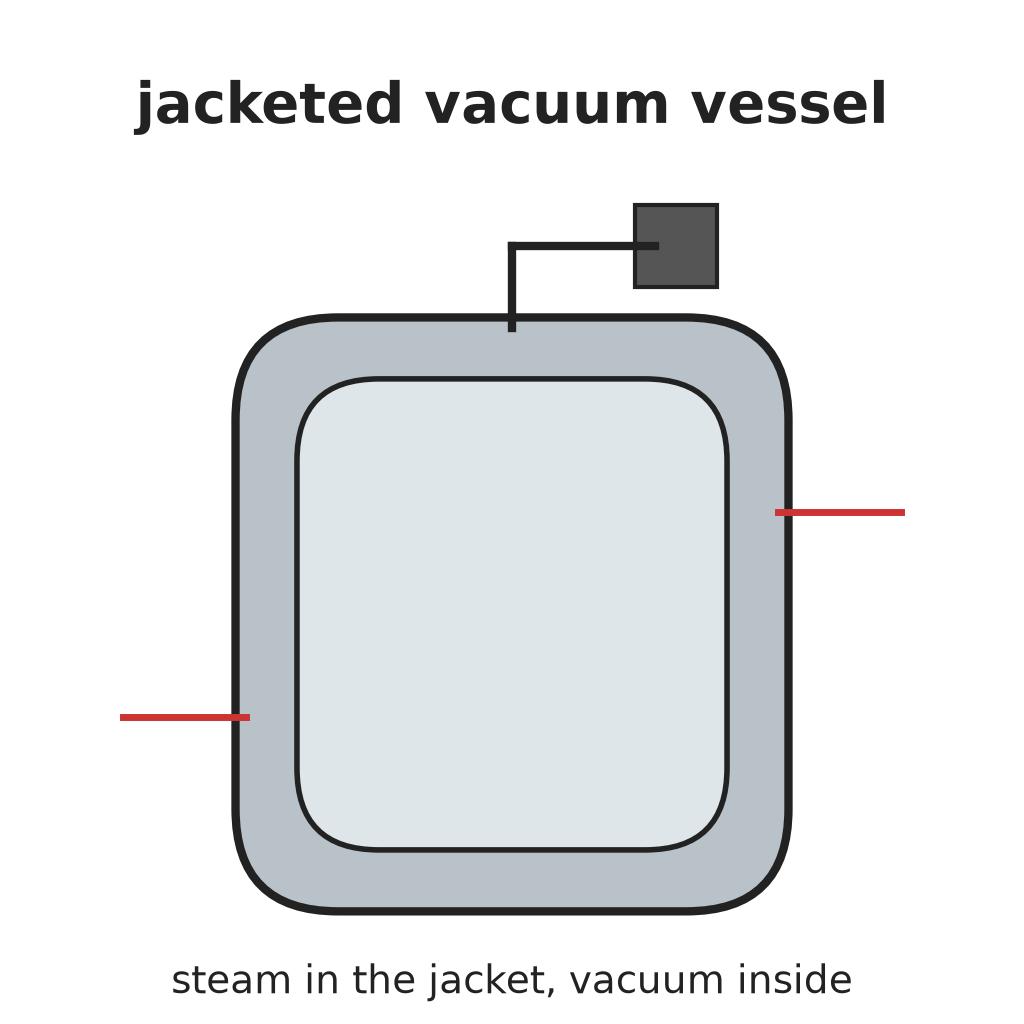 වාෂ්ප ජැකට්ටුවක් සහිත රික්ත භාජනය
 රික්ත පොම්පයඋෂ්ණත්වමානය
5
5
Box and age
Box and age
Take the bodies out, put them in cardboard containers, and age them at about 500 volts DC for about three hours.
මෙම පියවර සඳහා ද්රව්ය:
 කාඩ්බෝඩ් නළය1 per capacitor
අවශ්ය මෙවලම්:
 අධි වෝල්ටීයතා ඒක දිශා විදුලි මූලාශ්රය (මේස)
ද්රව්ය
7- 1 stripස්ථානගත
- 1 as requiredස්ථානගත
- 1 stripස්ථානගත
- 1 stripස්ථානගත
- 2 tabsස්ථානගත
- 1 as requiredස්ථානගත
- 1 per capacitorස්ථානගත
අවශ්ය මෙවලම්
10- ස්ථානගත
- ස්ථානගත
- ස්ථානගත
- ස්ථානගත
- ස්ථානගත
- ස්ථානගත
- ස්ථානගත
- 1 vendor sell this, none ship to you yetස්ථානගත
මෙම සැලසුම සාදන්නේ
සම්බන්ධ බ්ලූප්රින්ට්
මෙම බ්ලූප්රින්ට් දැනුම බෙදා ගනී — ශිල්ප ක්රම, ද්රව්ය හෝ මූලධර්ම
CC0 පොදු වසම
මෙම බ්ලූප්රින්ට් CC0 යටතේ නිකුත් කර ඇත. ඔබට අවසර නොමැතිව පිටපත් කිරීම, වෙනස් කිරීම, බෙදා හැරීම සහ භාවිතා කිරීම කළ හැක.
බ්ලූප්රින්ට් හරහා නිෂ්පාදන මිලදී ගැනීමෙන් නිර්මාතෘට සහාය වන්න නිර්මාතෘ කොමිසම විකුණුම්කරුවන් විසින් නියම කළ, හෝ මෙම බ්ලූප්රින්ට්හි නව අනුවාදයක් සාදා ආදායම බෙදා ගැනීමට ඔබේ බ්ලූප්රින්ට්හි සම්බන්ධතාවයක් ලෙස ඇතුළත් කරන්න.