කලාව
රූපලාවණ්ය සහ සුවතාව
ශිල්පය
සංස්කෘතිය සහ ඉතිහාසය
විනෝදාස්වාදය
පරිසරය
ආහාර සහ පාන
ප්රතිලෝම ඉංජිනේරු
විද්යාවන්
ක්රීඩා
තාක්ෂණය
පැළඳිය හැකි
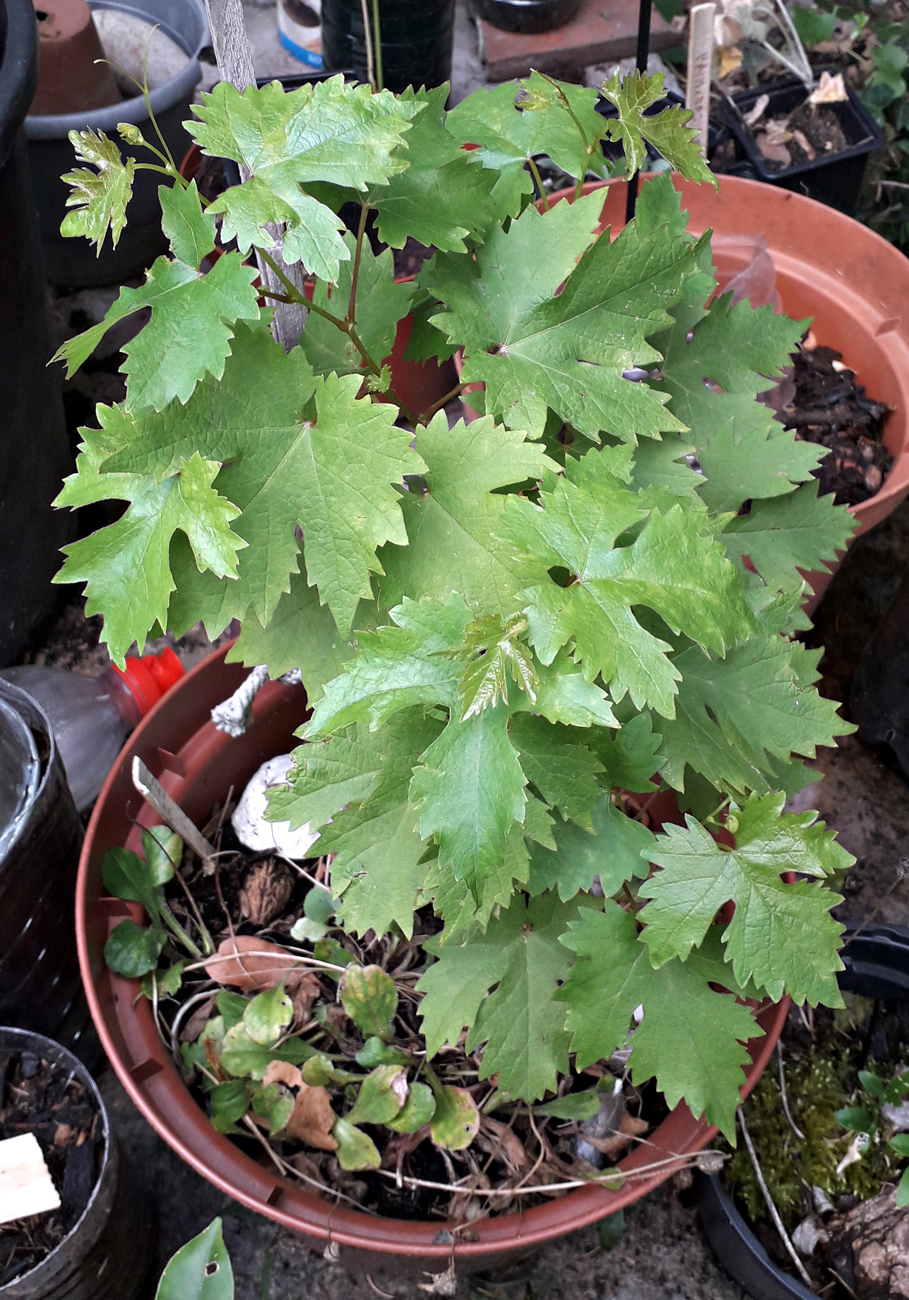
Eiku (Wikimedia Commons) · CC BY-SA 4.0


Growing Grapes from Seed — The Slow, Surprising Way
You can grow a grapevine from the pips inside the fruit — but it's the long road: the seeds need a cold winter spell to wake up, take years to fruit, and each seedling is different from the parent. It's how new grape varieties are bred, not how you copy a known one. Extract, cold-stratify, sow warm, and grow on. A buildable school project in seed dormancy.
මධ්යම
Months to sprout, years to fruit
උපදෙස්
1
1
The long, uncertain road
The long, uncertain road
The pips inside a grape really can grow into vines — but know what you're signing up for. Grape seedlings take several YEARS to fruit, and because grapes are a genetic jumble, each seedling is different from its parent and usually worse. This is how breeders hunt for NEW varieties, not how you reproduce a grape you already like (for that, take a cutting).
2
2
Extract and clean the seeds
Extract and clean the seeds
Squeeze the seeds out of fully ripe grapes (seeded varieties only) and wash every trace of pulp off them. Drop them in water: plump seeds that SINK are likely viable; empty ones that float can be thrown away.
මෙම පියවර සඳහා ද්රව්ය:
 මිදි1 bunch
3
3
Cold-stratify for winter
Cold-stratify for winter
Grape seeds are dormant and won't sprout until they've felt a winter. Mix them into a little damp peat or sand in a labelled bag and keep them in the FRIDGE (about 1-3°C) for two to three months. This cold-moist spell — stratification — is the switch that tells the seed winter has passed.
මෙම පියවර සඳහා ද්රව්ය:
 පීට් පාසි1 bag
අවශ්ය මෙවලම්:
 සිප් බෑග්
4
4
Sow warm
Sow warm
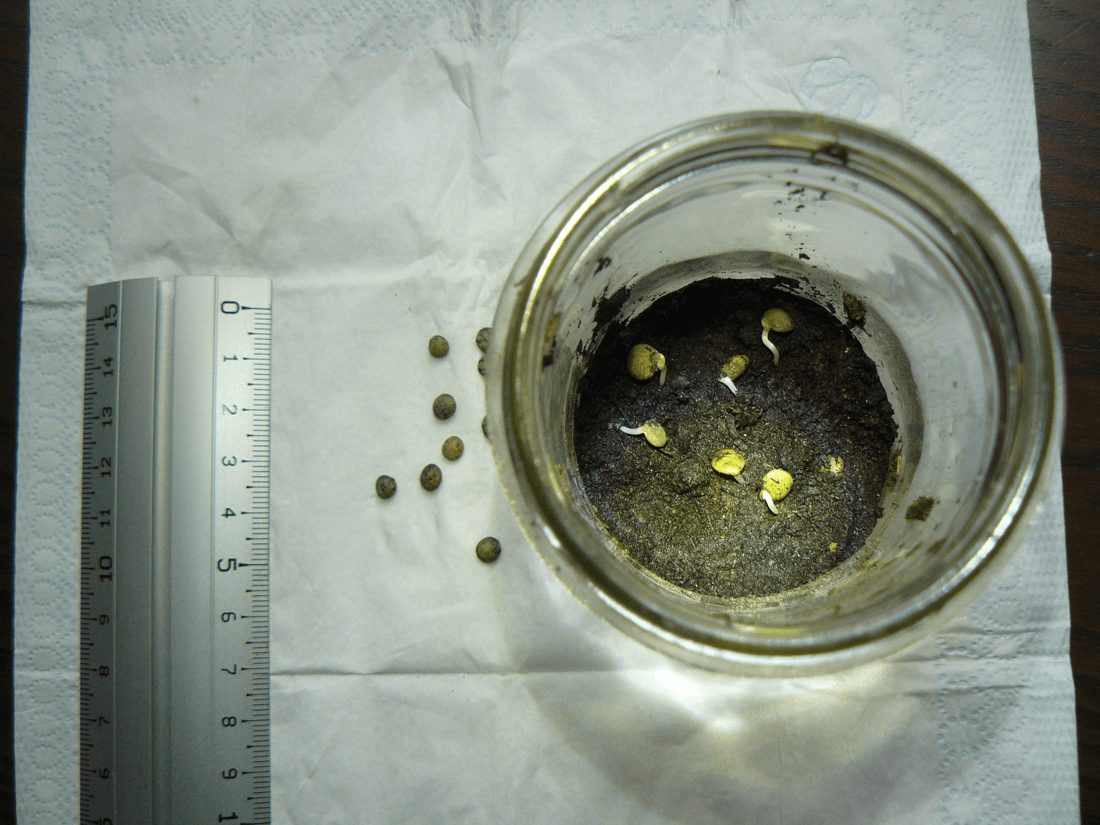
After their cold spell, sow the seeds about 1 cm deep in seed mix and move them somewhere warm (around 20°C) and bright — the sudden warmth after cold mimics spring. They usually germinate within a few weeks; don't be surprised if only some come up.
මෙම පියවර සඳහා ද්රව්ය:
 බීජ රෝපණ මිශ්රණය1 bag
අවශ්ය මෙවලම්:
 බීජ රෝපණ තැටිය
5
5
Grow the seedlings on
Grow the seedlings on
Pot the seedlings on as they grow, harden them off, and plant the strongest out in a warm, sunny spot with a support to climb. Grow them like any young vine — but be patient.
මෙම පියවර සඳහා ද්රව්ය:
 ඇලවෙන ලේබල1 පත්රය
6
6
Wait — and expect variety
Wait — and expect variety
It will be several years before a seed-grown vine fruits, and when it does, every plant will be its own new thing — the grapes may be big or small, sweet or sour, seeded or not. That unpredictability is the whole point of growing from seed: you might just discover a wonderful new grape, but most will be ordinary.
7
7
Compendium — seed versus cutting, and the sleep of the seed
Compendium — seed versus cutting, and the sleep of the seed
Growing grapes from seed lays bare the great divide of plant propagation. A CUTTING is vegetative — a clone, genetically identical to its parent, true to variety and quick to fruit. A SEED is sexual — the shuffled offspring of two parents, and grapes are especially HETEROZYGOUS (carrying two very different sets of genes), so their seedlings scatter wildly and rarely match the fruit they came from. That is exactly why every named grape in the world — every Merlot vine, every Thompson seedless — is a clone propagated by cutting or grafting, never by seed, and why growers reach for seed only when they WANT that variation: to breed something new. The seed's other lesson is DORMANCY. A grape seed will not germinate just because it's warm and wet; if it did, a pip could sprout in the autumn fruit and be killed by the coming frost. So the seed stays locked until it has experienced a long cold, damp spell — a felt winter — after which warmth signals that spring is safe. We copy that winter in the fridge (cold-moist STRATIFICATION), and only then will the seed wake; skip it and the seeds usually just sit there. This is the same dormancy trick used by countless temperate trees, shrubs and perennials, and it's why a viability test on an un-stratified seed can wrongly read as dead. So the two grape blueprints are the whole story of propagation in miniature: the cutting for speed and certainty and keeping a variety true, the seed for patience, dormancy, and the slim, thrilling chance of something new.
ද්රව්ය
4- 1 bunchස්ථානගත
- 1 bagස්ථානගත
- 1 bagස්ථානගත
- 1 පත්රයස්ථානගත
මෙම සැලසුම සාදන්නේ

සම්බන්ධ බ්ලූප්රින්ට්
මෙම බ්ලූප්රින්ට් දැනුම බෙදා ගනී — ශිල්ප ක්රම, ද්රව්ය හෝ මූලධර්ම
CC0 පොදු වසම
මෙම බ්ලූප්රින්ට් CC0 යටතේ නිකුත් කර ඇත. ඔබට අවසර නොමැතිව පිටපත් කිරීම, වෙනස් කිරීම, බෙදා හැරීම සහ භාවිතා කිරීම කළ හැක.
බ්ලූප්රින්ට් හරහා නිෂ්පාදන මිලදී ගැනීමෙන් නිර්මාතෘට සහාය වන්න නිර්මාතෘ කොමිසම විකුණුම්කරුවන් විසින් නියම කළ, හෝ මෙම බ්ලූප්රින්ට්හි නව අනුවාදයක් සාදා ආදායම බෙදා ගැනීමට ඔබේ බ්ලූප්රින්ට්හි සම්බන්ධතාවයක් ලෙස ඇතුළත් කරන්න.