Heliarc Welding
Every solution so far fights the atmosphere with chemistry: burn something that displaces the air, or melt something that caps the pool. All of them leave residues, all of them add elements to the weld, and none of them work on the metal the aircraft industry desperately wanted to join.
Aluminium and magnesium form a tenacious oxide skin that melts far higher than the metal underneath. Flux the oxide away and the flux itself becomes trapped and corrosive. The way out is to stop doing chemistry altogether: flood the arc with a gas that will not react with anything at all, and use an electrode that does not melt.
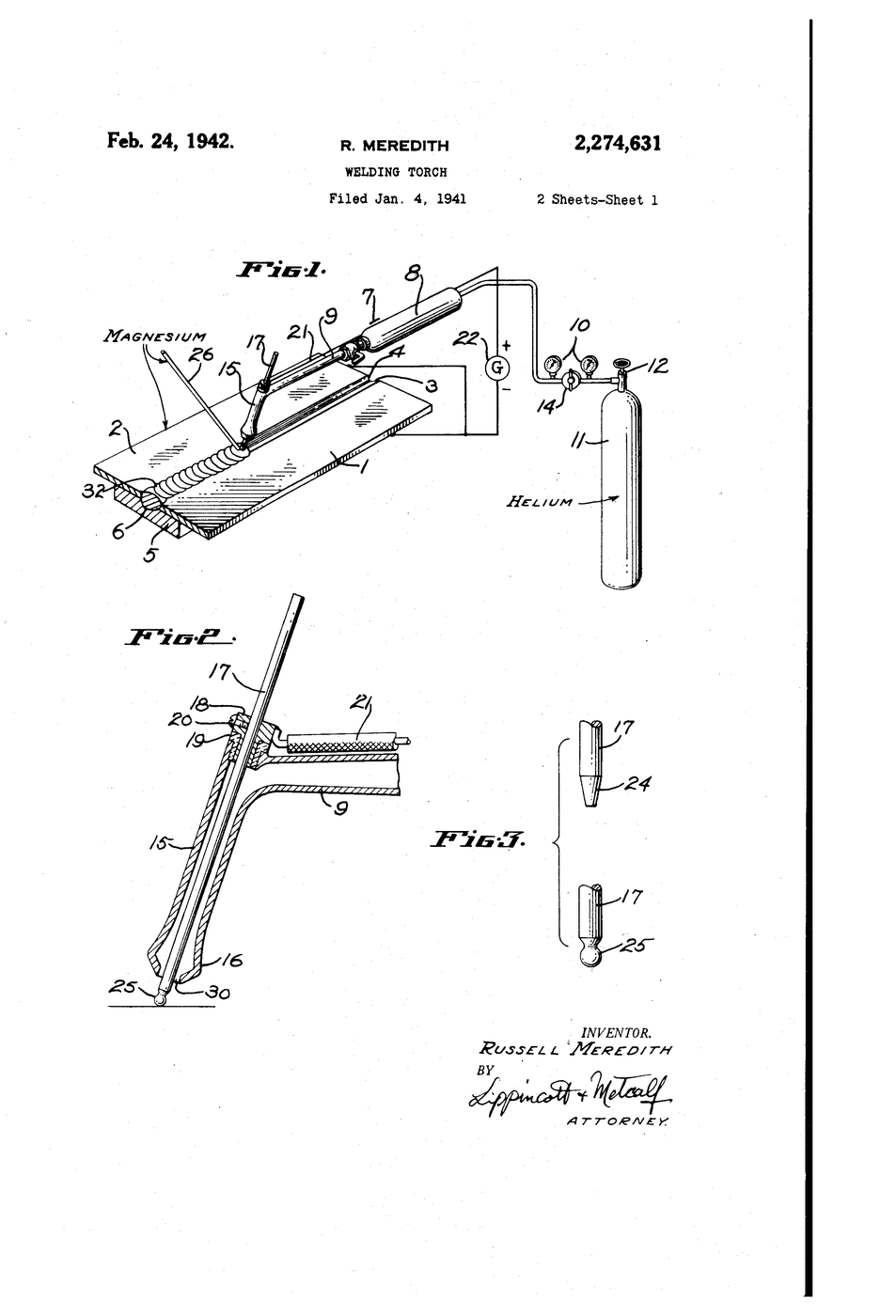
Russell Meredith patented the “Welding torch” as US 2,274,631, filed 4 January 1941 and granted 24 February 1942, while working at Northrop Aircraft. A tungsten electrode carries the arc without being consumed; helium floods the pool; filler, if any, is fed in separately. Northrop called it Heliarc. The generic name is gas tungsten arc welding, still universally shortened to TIG.
Below you measure the thing the whole process is built on: how much oxidation an inert gas blanket prevents, and why argon replaced the helium the trade name is named after.
උපදෙස්
State why aluminium is the hard case
State why aluminium is the hard case
Write it down: aluminium melts at 660 °C, but its oxide skin melts at about 2072 °C. The skin survives the metal beneath it.
Find the oxide skin by hand
Find the oxide skin by hand
Sand a corner of an aluminium coupon bright, then leave it. Within minutes it dulls again — the oxide reforms in air almost instantly.
මෙම පියවර සඳහා ද්රව්ය:
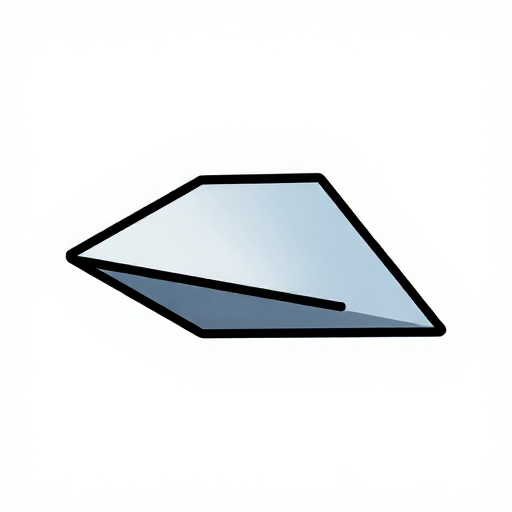 ඇලුමිනියම් තහඩුව1 කැබැල්ල
 වැලි කඩදාසි1 පත්රය
අවශ්ය මෙවලම්:
 විශාලන කාච
Look up the noble gases you will use
Look up the noble gases you will use
Record argon and helium in group 18: full valence shells, so no chemistry with a molten weld pool at any temperature it will reach.
මෙම පියවර සඳහා ද්රව්ය:
 ප්රස්තාර කඩදාසි1 පත්රය
Note the two densities that decide the argument
Note the two densities that decide the argument
Argon is 1.78 g/L and helium 0.18 g/L against air at 1.29. Argon sinks onto the weld; helium floats off it.
මෙම පියවර සඳහා ද්රව්ය:
ප්රස්තාර කඩදාසි1 පත්රයPrepare three identical steel coupons
Prepare three identical steel coupons
Cut and sand three coupons bright and weigh each to 0.01 g. The comparison depends on them starting the same.
මෙම පියවර සඳහා ද්රව්ය:
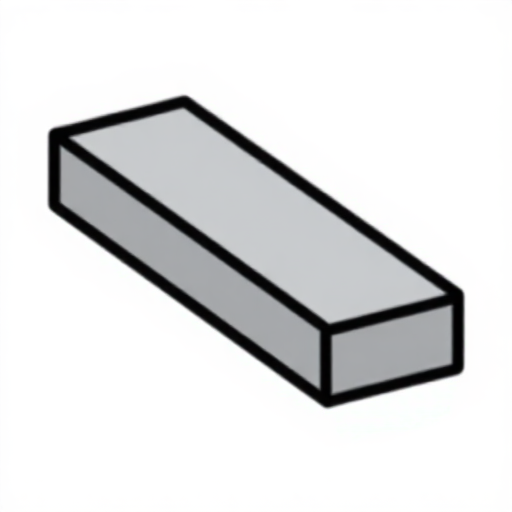 මෘදු වානේ පැතලි කූරු3 කැබලිවැලි කඩදාසි1 පත්රය
අවශ්ය මෙවලම්:
 ඩිජිටල් තරාදිය
Heat coupon A in open air
Heat coupon A in open air
Heat coupon A to dull red with the torch and hold 60 seconds. Cool on firebrick. This is the unprotected control.
මෙම පියවර සඳහා ද්රව්ය:
මෘදු වානේ පැතලි කූරු1 කැබැල්ල ගිනි නොදැවෙන ගඩොල2 කැබලි
අවශ්ය මෙවලම්:
 ප්රොපේන් පන්දම
 සම් අත්වැසුම්
 අධෝරක්ත උෂ්ණත්වමානය
Heat coupon B under an argon blanket
Heat coupon B under an argon blanket
Set coupon B in a shallow tray, flood it with argon at a low steady flow, then heat identically. Keep the gas flowing while it cools.
මෙම පියවර සඳහා ද්රව්ය:
මෘදු වානේ පැතලි කූරු1 කැබැල්ල ආගන්1 කැබැල්ල
අවශ්ය මෙවලම්:
ප්රොපේන් පන්දමසම් අත්වැසුම්Repeat with helium and watch it escape
Repeat with helium and watch it escape
Do the same with helium on coupon C. Note how much harder it is to keep a blanket — helium is lighter than air and leaves at once.
මෙම පියවර සඳහා ද්රව්ය:
මෘදු වානේ පැතලි කූරු1 කැබැල්ල හීලියම්1 කැබැල්ල
අවශ්ය මෙවලම්:
ප්රොපේන් පන්දමසම් අත්වැසුම්Weigh all three and compare the oxidation
Weigh all three and compare the oxidation
Brush and weigh each coupon. Rank the mass change: open air worst, argon best, helium in between because the blanket kept drifting off.
මෙම පියවර සඳහා ද්රව්ය:
ප්රස්තාර කඩදාසි1 පත්රයඅවශ්ය මෙවලම්:
ඩිජිටල් තරාදිය කටු කට්ටලය
Compare the surfaces under magnification
Compare the surfaces under magnification
The argon-shielded coupon should be visibly brighter with far less scale. That colour difference is what a TIG welder is looking for on a finished bead.
අවශ්ය මෙවලම්:
විශාලන කාචRecord why the industry switched to argon
Record why the industry switched to argon
Note the three reasons: it is denser so it stays put, it is cheaper as a by-product of air separation, and it needs less flow for the same coverage.
Note what a non-consumable electrode changes
Note what a non-consumable electrode changes
Tungsten melts at 3422 °C, so it carries the arc without being consumed. Record the consequence: heat and filler become independent controls for the first time.
Safety awareness — UV, gas and the electrode you must not use
Safety awareness — UV, gas and the electrode you must not use
An electric arc emits ultraviolet light strong enough to burn the cornea in seconds. The injury is called photokeratitis, or “arc eye”. It is not felt at the time — the pain arrives six to twelve hours later, typically in the middle of the night, and feels like sand under the eyelids. It normally heals in a day or two, but repeated exposure is cumulative.
Nobody in the room may look at an arc unshielded, including bystanders. Ordinary safety glasses do not protect against it and neither does a quick glance. Use an auto-darkening helmet, screen the work so passers-by cannot see it, and warn anyone nearby before striking. The same ultraviolet burns exposed skin like strong sunburn, so cover arms and neck.
TIG produces more ultraviolet than most processes, not less — the clean, spatter-free arc is not shielded by smoke or slag the way a stick-welding arc partly is. Welders report skin burns from TIG at distances that surprise them. Cover everything.
Inert does not mean safe to breathe. Argon is denser than air, displaces oxygen and pools in low spaces such as pits, tanks and inspection trenches. It gives no warning at all — there is no smell and no urge to breathe, because the body detects carbon dioxide, not missing oxygen. Confined-space asphyxiation from shielding gas kills people every year. Ventilate, and never work in a pit with gas flowing.
Use a lanthanated or ceriated tungsten electrode, never a thoriated one. Thoriated tungsten — the traditional red-banded type — contains thorium dioxide, which is radioactive. Handling a rod is a minor exposure; grinding it makes inhalable radioactive dust and contaminates the grinding wheel. Lanthanated and ceriated electrodes perform as well or better and carry no radiological hazard, which is why this blueprint specifies them and why much of industry has already switched.
අවශ්ය මෙවලම්:
 ස්වයංක්රීයව අඳුරු වන පෑස්සුම් මුහුණු ආවරණයසම් අත්වැසුම්
 පැහැදිලි ආරක්ෂක කණ්ණාඩිය
History & Context
History & Context
US 2,274,631, “Welding torch”, Russell Meredith, filed 4 January 1941, granted 24 February 1942. Meredith was at Northrop Aircraft, and the problem was specific: magnesium airframes. Northrop trade-marked the process Heliarc and licensed it to Linde Air Products. The formal name is gas tungsten arc welding, GTAW; everyone says TIG.
Helium first, argon almost immediately after. The name records the gas that was used at the start and was quickly replaced. Argon is roughly ten times denser than helium, so it blankets the pool instead of drifting off it, and it is far cheaper because it is a by-product of the air separation that industry already ran for oxygen. Helium survives for special cases — it carries more heat into thick aluminium and copper, so it is used in mixtures where penetration matters more than cost. The trade name outlived the technique.
The oxide problem, and the elegant trick that solved it. Argon alone does not remove the aluminium oxide already on the surface, only prevent more. The answer was alternating current: on the half-cycle when the electrode is positive, ions bombard the work and physically blast the oxide skin off — cathodic cleaning — while the other half-cycle puts the heat back into the metal. AC TIG cleans and welds in the same arc, and that is why aluminium is welded on AC and steel on DC.
Why it is still the quality benchmark. TIG separates the heat from the filler completely: the arc is set by the machine and the foot pedal, and the filler rod is fed by the other hand at whatever rate the pool wants. Nothing else gives that much control. It is slow and it demands genuine skill, so it does not compete with MIG or submerged arc on production work — but stainless pipework, aerospace assemblies, titanium and thin-section joints where the weld must be right rather than fast are still TIG, eighty-four years on.
The thread that runs from 1886 to 1942 ends here. Resistance welding avoided the problem by never opening a pool. Every process after it opened one and then argued about how to protect it — with carbon, with slag, with a coating, with a blanket, with a flame's reducing zone. Meredith's answer was to stop arguing and surround the pool with an element that refuses to react with anything. Fifty-six years from Thomson's clamped wires to a noble gas, and the question was the same the whole way.
ද්රව්ය
7- 1 කැබැල්ලස්ථානගත
- 1 පත්රයස්ථානගත
- 1 පත්රයස්ථානගත
- 6 කැබලිස්ථානගත
- 2 කැබලිස්ථානගත
- 1 කැබැල්ලස්ථානගත
- 1 කැබැල්ලස්ථානගත
අවශ්ය මෙවලම්
8- ස්ථානගත
- ස්ථානගත
- ස්ථානගත
- ස්ථානගත
- ස්ථානගත
- ස්ථානගත
- ස්ථානගත
සම්බන්ධිත සැලසුම්වල ද්රව්ය

සම්බන්ධ බ්ලූප්රින්ට්
මෙම බ්ලූප්රින්ට් දැනුම බෙදා ගනී — ශිල්ප ක්රම, ද්රව්ය හෝ මූලධර්ම
Submerged Arc Welding
Martin විසින්
ලෝහ වැඩ
Chalumeau oxyacétylénique
MrBaguette විසින්
ලෝහ වැඩ
Extracting Tungsten from Wolframite — The Heaviest Practical Metal
Peter විසින්
ලෝහ වැඩ
Understanding Aluminum Extraction from Bauxite — The Metal More Precious Than Gold
Peter විසින්
පතල් කැණීම
CC0 පොදු වසම
මෙම බ්ලූප්රින්ට් CC0 යටතේ නිකුත් කර ඇත. ඔබට අවසර නොමැතිව පිටපත් කිරීම, වෙනස් කිරීම, බෙදා හැරීම සහ භාවිතා කිරීම කළ හැක.
බ්ලූප්රින්ට් හරහා නිෂ්පාදන මිලදී ගැනීමෙන් නිර්මාතෘට සහාය වන්න නිර්මාතෘ කොමිසම විකුණුම්කරුවන් විසින් නියම කළ, හෝ මෙම බ්ලූප්රින්ට්හි නව අනුවාදයක් සාදා ආදායම බෙදා ගැනීමට ඔබේ බ්ලූප්රින්ට්හි සම්බන්ධතාවයක් ලෙස ඇතුළත් කරන්න.