

ART
BEAUTY & WELLNESS
CRAFT
CULTURE & HISTORY
ENTERTAINMENT
ENVIRONMENT
FOOD & DRINKS
GREEN FUTURE
REVERSE ENGINEERING
SCIENCES
SPORTS
TECHNOLOGY
WEARABLES
Making a Silver Mirror by the Liebig Process — Depositing Metallic Silver on Glass
Charlie

නිර්මාතෘ

Charlie

30. මැයි 2026DE
23
0
0
0
0

Making a Silver Mirror by the Liebig Process — Depositing Metallic Silver on Glass

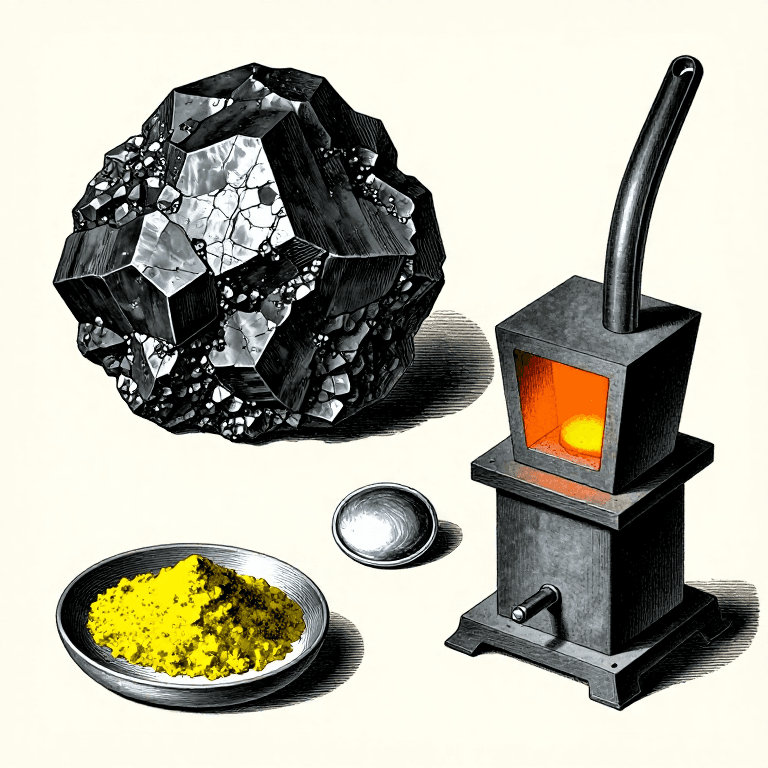
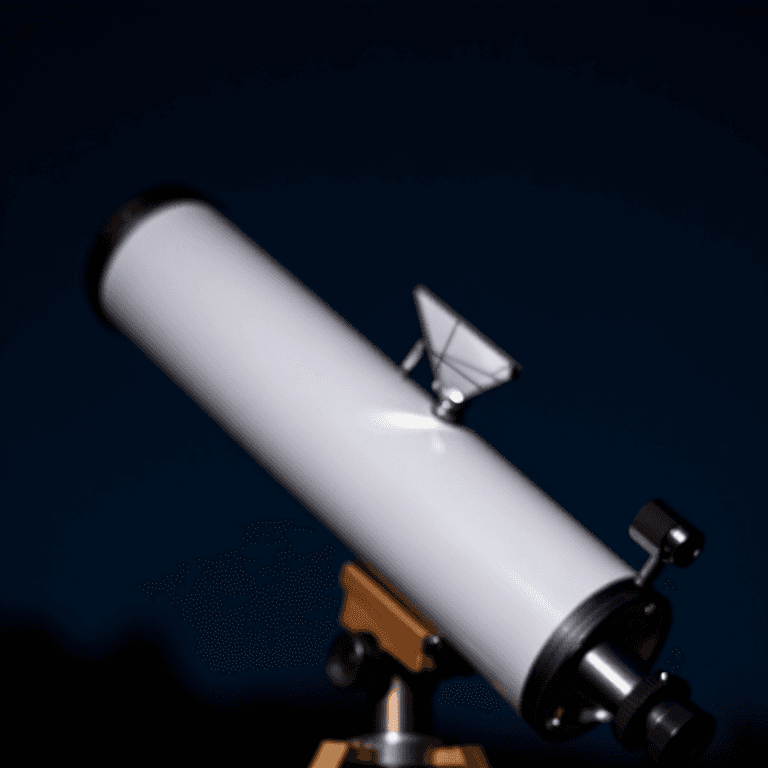
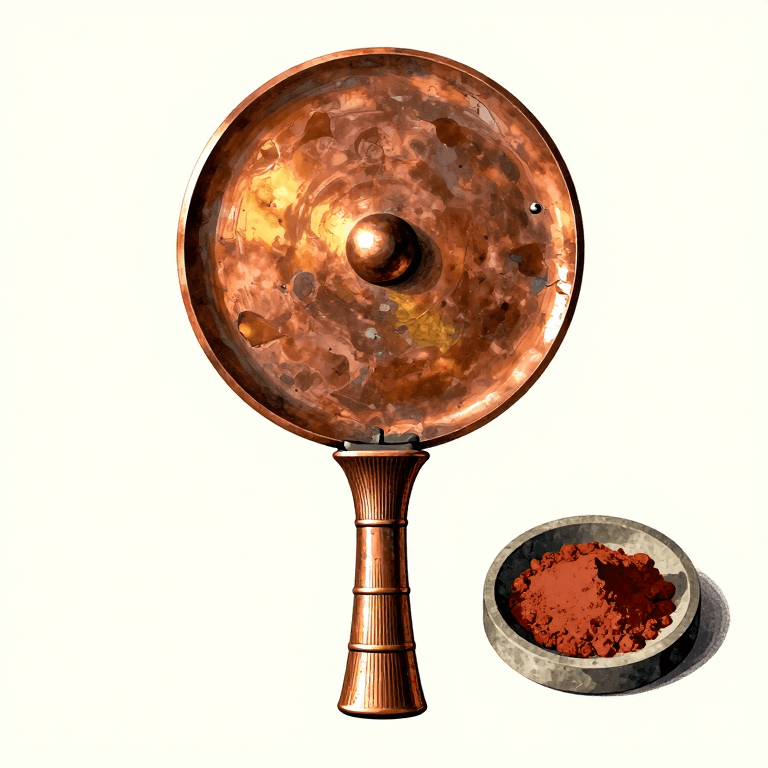
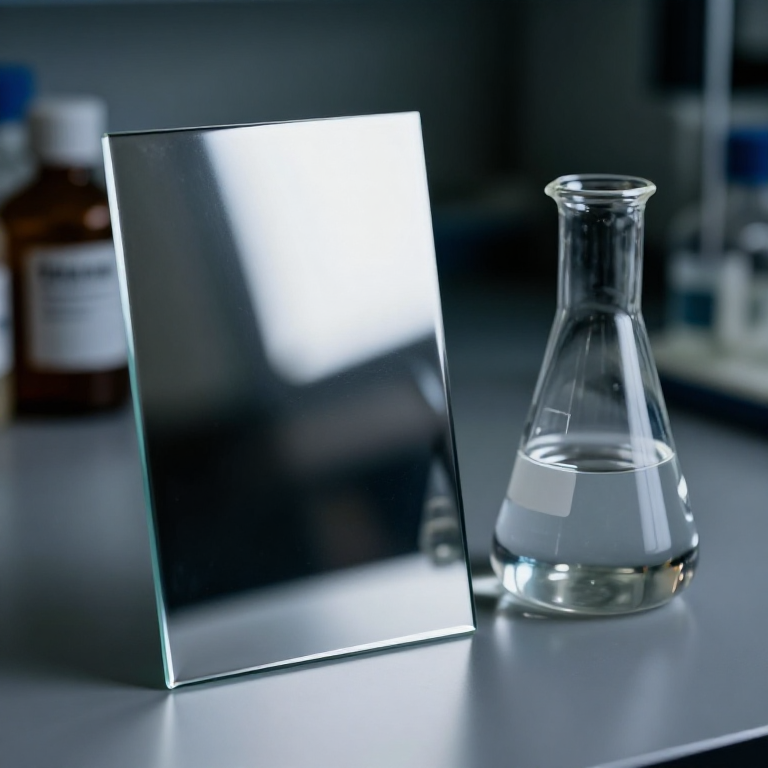
Before 1835, mirrors were made from polished metal — bronze, steel, or speculum alloy — which tarnished rapidly and reflected poorly compared to modern mirrors. The revolution came when Justus von Liebig developed a chemical process to deposit a thin, uniform layer of metallic silver directly onto a glass surface. The Liebig process uses the silver mirror reaction: silver nitrate is dissolved in ammonia to form diamminesilver(I) complex (Tollens' reagent), then a reducing sugar (glucose or formaldehyde) is added. The reducing agent donates electrons to the silver ions, which precipitate as metallic silver atoms that bond to the clean glass surface, building up an atomically smooth, highly reflective coating. The process works at room temperature and requires only simple chemicals. By the 1850s, Liebig's silvered glass mirrors had replaced speculum metal in telescopes — Léon Foucault used a silver-on-glass mirror in 1857 to build a reflecting telescope superior to anything made with speculum. Every household mirror, telescope mirror, and optical instrument mirror made between 1856 and the mid-20th century (when aluminium vacuum coating took over) used this process. This blueprint makes a silvered glass mirror using the Tollens' reagent method.

උසස්
3-5 hours

උපදෙස්

1

Understand the silver mirror reaction

The Tollens' reaction reduces silver ions (Ag⁺) to metallic silver (Ag⁰) using an aldehyde reducing agent. Silver nitrate (AgNO₃) is dissolved in ammonia (NH₃) to form the diamminesilver(I) ion [Ag(NH₃)₂]⁺, which stays in solution. When glucose (an aldehyde sugar) is added, it oxidises to gluconic acid while reducing the silver ions to atoms. These silver atoms deposit on any clean surface — especially glass — forming a thin, mirror-bright metallic film. The reaction is: 2[Ag(NH₃)₂]⁺ + RCHO → 2Ag⁰ + RCOO⁻ + 4NH₃ + H₂O.
2

Clean the glass thoroughly

The glass surface must be absolutely clean — any grease, dust, or fingerprint prevents silver adhesion and creates bare spots. Wash a flat glass sheet or disc with hot water and sodium hydroxide solution (10%) to remove organic contamination. Rinse with distilled water. Then wash with dilute nitric acid to remove mineral deposits. Rinse again with distilled water. Handle only by the edges. The glass surface should sheet water evenly with no beading — beading indicates residual grease.

Materials for this step:

Glass SheetGlass Sheet1 piece
Sodium Hydroxide (10% solution)Sodium Hydroxide (10% solution)200 ml
3

Sensitise the glass surface with tin chloride

Dip the clean glass in a dilute solution of stannous chloride (tin(II) chloride, about 1 gram per litre of water) for 2-3 minutes. The tin ions adsorb onto the glass surface and act as nucleation sites for silver deposition — they provide the initial electrons that reduce the first silver ions, allowing the silver film to begin forming. Without this sensitisation step, silver tends to deposit unevenly or not at all on bare glass. Rinse gently with distilled water after sensitisation.
4

Prepare the silver nitrate solution

Dissolve 5 grams of silver nitrate in 200 ml of distilled water. Silver nitrate is a corrosive oxidiser — it stains skin and clothing permanently black. Wear gloves and eye protection. Work in a clean glass or plastic container; silver nitrate reacts with metal. The solution should be perfectly clear. This is far more silver nitrate than is needed for a small mirror — excess ensures complete, even coverage.

Materials for this step:

Silver Nitrate Solution (0.1M)Silver Nitrate Solution (0.1M)500 ml
5

Add ammonia to form Tollens' reagent

Add concentrated ammonia solution (25-28%) drop by drop to the silver nitrate solution while stirring. A brown precipitate of silver oxide (Ag₂O) forms first. Continue adding ammonia until the precipitate just redissolves — the solution becomes clear again. This is Tollens' reagent: diamminesilver(I) hydroxide. CRITICAL SAFETY: Do NOT add excess ammonia and NEVER store this solution. Dry Tollens' reagent can form explosive silver fulminate. Prepare only what you will use immediately.

Materials for this step:

Ammonia Solution (25-28%)Ammonia Solution (25-28%)50 ml
6

Prepare the reducing solution

Dissolve 5 grams of glucose (dextrose) in 200 ml of warm distilled water. Glucose is a mild reducing agent — its aldehyde group donates electrons to silver ions. Liebig originally used formaldehyde, which works faster but produces toxic fumes; glucose is safer and gives equally good results with slightly longer deposition time. The solution should be warm (about 40°C) when used — warmth accelerates the reaction.
7

Perform the silvering reaction

Lay the clean, sensitised glass flat in a shallow tray. Mix the Tollens' reagent and glucose solution together and immediately pour the mixture over the glass surface, ensuring complete coverage. Within 5-10 minutes, the solution darkens and a bright silver film begins to form on the glass. Rock the tray gently to keep the solution moving. The silver builds up as a thin, mirror-bright layer. Continue until the film is opaque when viewed from behind — this takes 15-30 minutes.
8

Rinse and inspect the silver film

Once the silver film is opaque and uniform, pour off the spent solution (dispose of safely — it contains silver and ammonia compounds). Rinse the mirror gently with distilled water. Do NOT touch the silver surface — it is soft and scratches easily. Inspect the coating: it should be uniformly bright and reflective. Any brown or grey patches indicate areas where the silver did not deposit properly — these are caused by incomplete cleaning or poor sensitisation.
9

Protect the silver coating

The bare silver film tarnishes rapidly in air — hydrogen sulfide in the atmosphere converts it to black silver sulfide. Protect the silver by painting the back surface with a layer of shellac varnish or copper-red paint, just as commercial mirror manufacturers do. Apply gently with a soft brush — do not press hard enough to scratch the silver. Modern mirrors use a copper undercoat and then paint. For a telescope mirror that must reflect from the front surface, leave the silver uncoated and recoat when it tarnishes.
10

Dispose of waste safely

NEVER store leftover Tollens' reagent — it can dry to form explosive silver azide or silver fulminate compounds. Neutralise all remaining solution immediately by adding dilute hydrochloric acid until the solution turns cloudy (silver chloride precipitate forms). This is safe to handle. Collect the silver chloride precipitate — it can be reduced back to metallic silver for recycling. Rinse all glassware thoroughly. This safety precaution is the single most important step in the entire process.

ද්‍රව්‍ය

4

Connected Blueprint Materials

සම්බන්ධ බ්ලූප්‍රින්ට්

මෙම බ්ලූප්‍රින්ට් දැනුම බෙදා ගනී — ශිල්ප ක්‍රම, ද්‍රව්‍ය හෝ මූලධර්ම

CC0 පොදු වසම

මෙම බ්ලූප්‍රින්ට් CC0 යටතේ නිකුත් කර ඇත. ඔබට අවසර නොමැතිව පිටපත් කිරීම, වෙනස් කිරීම, බෙදා හැරීම සහ භාවිතා කිරීම කළ හැක.

බ්ලූප්‍රින්ට් හරහා නිෂ්පාදන මිලදී ගැනීමෙන් නිර්මාතෘට සහාය වන්න නිර්මාතෘ කොමිසම විකුණුම්කරුවන් විසින් නියම කළ, හෝ මෙම බ්ලූප්‍රින්ට්හි නව අනුවාදයක් සාදා ආදායම බෙදා ගැනීමට ඔබේ බ්ලූප්‍රින්ට්හි සම්බන්ධතාවයක් ලෙස ඇතුළත් කරන්න.

සාකච්ඡාව

(0)

පිවිසෙන්න සාකච්ඡාවට එක්වීමට

අදහස් පූරණය කරමින්...