කලාව
රූපලාවණ්ය සහ සුවතාව
ශිල්පය
සංස්කෘතිය සහ ඉතිහාසය
විනෝදාස්වාදය
පරිසරය
ආහාර සහ පාන
ප්රතිලෝම ඉංජිනේරු
විද්යාවන්
ක්රීඩා
තාක්ෂණය
පැළඳිය හැකි
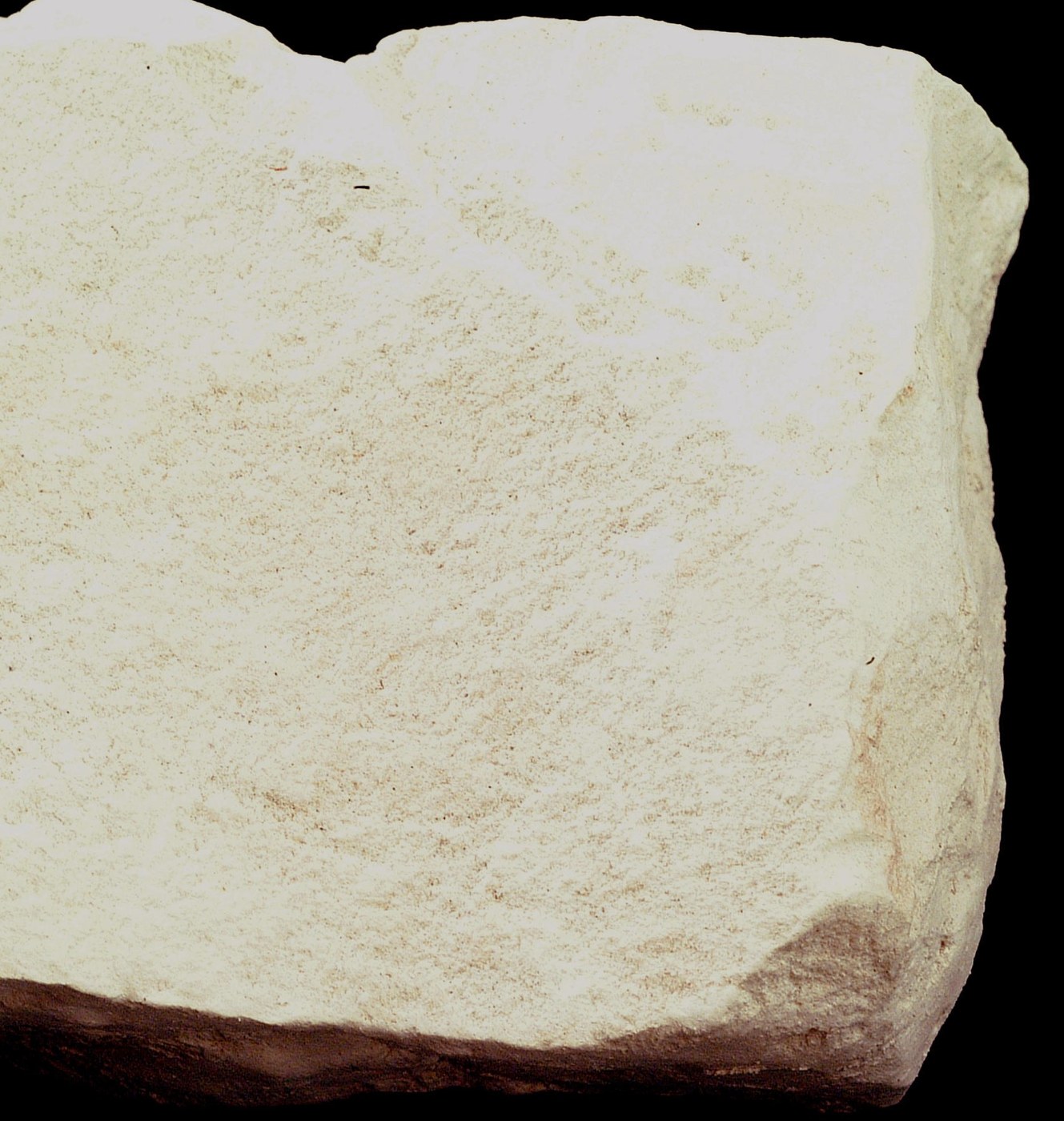


Marking Chalk Sawn from Natural Chalk
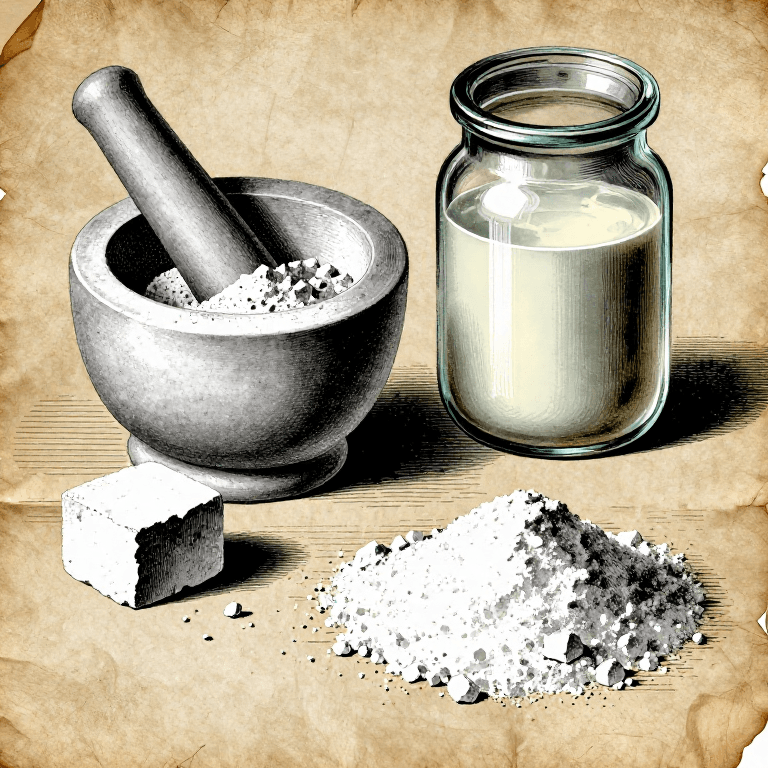
Natural chalk is a soft, white, nearly pure calcite rock. It marks because it crumbles and leaves loose particles on rough surfaces, which wipe away again. Saw a clean lump into square sticks, round the ends and let them dry.
The picture: a block of chalk from the White Cliffs of Dover.
ආරම්භක
An afternoon, then drying
උපදෙස්
1
1
Pick and square a lump
Pick and square a lump
Choose white chalk without hard nodules or grit, which would scratch. Saw the lump square on a bench hook.
මෙම පියවර සඳහා ද්රව්ය:
 ස්වාභාවික හුණු (අමු කැට)1 කිග්රෑ
අවශ්ය මෙවලම්:
 කුඩා අත් කියත
 කියත් රඳවන පුවරුව
 දූවිලි වෙස් මුහුණ
2
2
Saw the sticks
Saw the sticks
Saw the block into slabs, then the slabs into sticks about 12 mm square and 80 mm long (our size). Chalk is soft; let the saw do the work.
අවශ්ය මෙවලම්:
කුඩා අත් කියතකියත් රඳවන පුවරුවදූවිලි වෙස් මුහුණ3
3
Shape the ends
Shape the ends
Round or point one end of each stick with a rasp or knife, for a fine line.
අවශ්ය මෙවලම්:
 රාස්ප් කටුව
 පිහිය
පිහිය4
4
Dry
Dry
Quarried chalk holds water. Leave the sticks on a rack in a dry, airy place until they no longer feel cool and damp (our check).
අවශ්ය මෙවලම්:
 වියළන රාක්කය
5
5
Sticks from a lump
Sticks from a lump
Jupyter සටහන් පොත පූරණය වෙමින්…
ද්රව්ය
1- 1 කිග්රෑස්ථානගත
අවශ්ය මෙවලම්
6- ස්ථානගත
- ස්ථානගත
- ස්ථානගත
- ස්ථානගත
- ස්ථානගත
- ස්ථානගත
මෙම සැලසුම සාදන්නේ

සම්බන්ධ බ්ලූප්රින්ට්
මෙම බ්ලූප්රින්ට් දැනුම බෙදා ගනී — ශිල්ප ක්රම, ද්රව්ය හෝ මූලධර්ම

CC0 පොදු වසම
මෙම බ්ලූප්රින්ට් CC0 යටතේ නිකුත් කර ඇත. ඔබට අවසර නොමැතිව පිටපත් කිරීම, වෙනස් කිරීම, බෙදා හැරීම සහ භාවිතා කිරීම කළ හැක.
බ්ලූප්රින්ට් හරහා නිෂ්පාදන මිලදී ගැනීමෙන් නිර්මාතෘට සහාය වන්න නිර්මාතෘ කොමිසම විකුණුම්කරුවන් විසින් නියම කළ, හෝ මෙම බ්ලූප්රින්ට්හි නව අනුවාදයක් සාදා ආදායම බෙදා ගැනීමට ඔබේ බ්ලූප්රින්ට්හි සම්බන්ධතාවයක් ලෙස ඇතුළත් කරන්න.