
ART
BEAUTY & WELLNESS
CRAFT
CULTURE & HISTORY
ENTERTAINMENT
ENVIRONMENT
FOOD & DRINKS
GREEN FUTURE
REVERSE ENGINEERING
SCIENCES
SPORTS
TECHNOLOGY
WEARABLES
මධ්‍යකාලීන ධ්‍රැවක লෙතු හරිත දැව පැත්තේ සඳහා සාදන්න
පරිවර්තනය කර ඇත
Woody

නිර්මාතෘ

Woody

14. මැයි 2026NO
56
0
0
1
0

මධ්‍යකාලීන ධ්‍රැවක লෙතු හරිත දැව පැත්තේ සඳහා සාදන්න

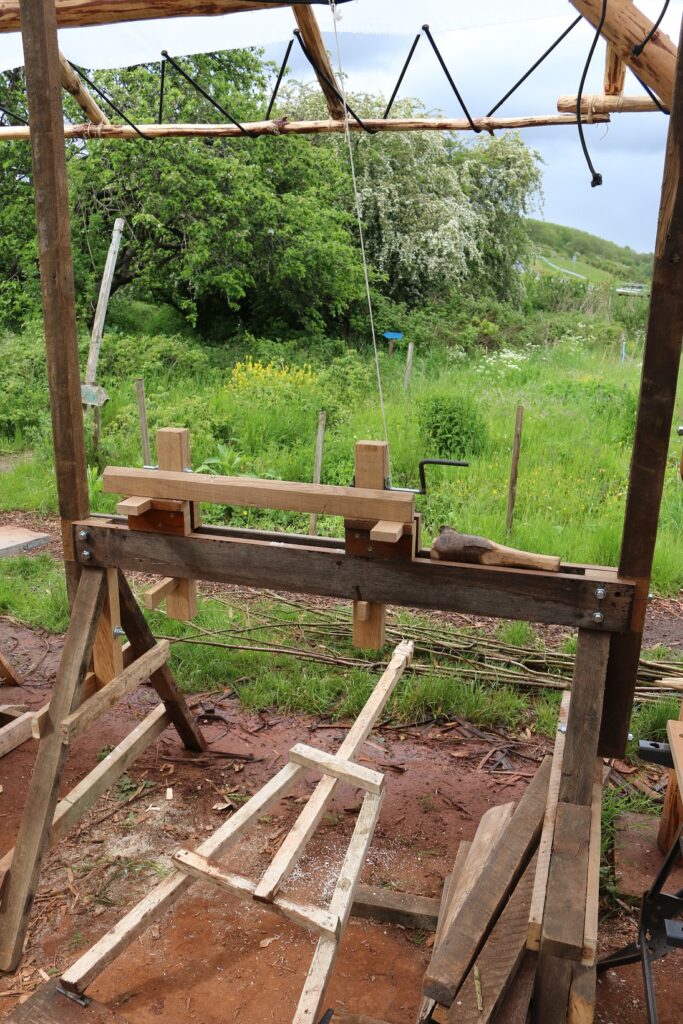
පාද-ය་ගතිකරණය වූ සාම්ප්‍රදායික ධ්‍රැවක ලේතු තණ්ඩුවක් සාදන්න එය හරිත (නුතන) දැව පැත්තේ සඳහා අනුකූල. මෙම සරල දැව ව්‍යුපිතිය සංකීර්ණ උපකරණ නොමැතිව සහ විදුලිය අවශ්‍ය නොමැතිව පුරාතන ශිල්ප භාවිතා කරමින් වටකුරු ආකාර සෙවීම ක්ෂමතාව දෙයි.
මධ්‍යම
8-12 පැයන්

උපදෙස්

1

Build a Strong Horizontal Beam for the Lathe Bed

Starting with a 6x10 inch board, create your main lathe bed foundation. It serves as the base and support for your workpiece. Strength is critical; choose robust wood that can withstand regular movement and stress.

Materials for this step:

Ash Wood Log SectionAsh Wood Log Section1 piece
2

Add Two Vertical Stands and a Top Rail

Attach your two 12-inch vertical stands to each end of the beam. Place a rail on top of them that will hold your supporting centers. Make sure all connections are strong and square since they'll bear all the turning forces.

Tools needed:

AxeAxe
HatchetHatchet
3

Install the Pole Lathe Drive System

Attach a long flexible pole (metal or sturdy curved wood) that rises high above your chuck. Connect a foot platform so you can step down and drive the lathe. Next in the following section.
4

Create Support Centers

Build two adjustable support centers for the points your workpiece must rotate around. They should mount in an adjustable system so different sizes can fit. Use high-carbon steel points that resist continuous rotation.

Materials for this step:

Hardwood Logs (Oak, Maple, Beech)Hardwood Logs (Oak, Maple, Beech)1 piece

Tools needed:

Splitting AxeSplitting Axe
Wooden Felling Wedge
Wooden MalletWooden Mallet
5

Set Up the Chuck

Create or attach a wooden chuck to one end of your drive shaft. This will hold your workpiece and spin it as the lathe is driven. The chuck must be balanced and securely mounted.

Tools needed:

DrawknifeDrawknife
6

Test the Drive Connection

Gradually push the pole down and see if the chuck spins smoothly. Feel no pulling or obstruction. Adjust to ensure the pole is properly engaged and centered.

Tools needed:

Earth AugerEarth Auger
7

Install a Tool Holder

Place a simple tool holder (wood block or iron support) on top of the lathe bed. This will hold your turning tools and let you control them against the chuck.

Materials for this step:

Hardwood Logs (Oak, Maple, Beech)Hardwood Logs (Oak, Maple, Beech)2 piece

Tools needed:

AxeAxe
DrawknifeDrawknife
Chisel SetChisel Set
Wooden MalletWooden Mallet
8

Set Up the First Workpiece

Choose a green (fresh) wood log that's appropriate in diameter and length for your mounting. Mark center points at each end (find opposite corners). Place it in the center holes.

Materials for this step:

NailsNails2 piece

Tools needed:

Wooden MalletWooden Mallet
Metal FileMetal File
9

Secure the Workpiece

Tighten the chuck to secure your log and place the drive center firmly in your workpiece. Tighten everything, but not too hard as it could split the wood.

Materials for this step:

Hardwood Logs (Oak, Maple, Beech)Hardwood Logs (Oak, Maple, Beech)4 piece

Tools needed:

AxeAxe
DrawknifeDrawknife
10

Test Rotation

Drive the pole with your foot and push it down to observe the workpiece spinning. It should rotate safely and smoothly. Realign your log for any imbalance.

Tools needed:

Chisel SetChisel Set
Wooden MalletWooden Mallet
Earth AugerEarth Auger
11

Begin Rounding

Start with your first turning tool (gouge and bitt or chisel) and slowly apply pressure against the chuck. Generate more rotation by pushing the pole down. Rough the log into a smooth, round shape.

Materials for this step:

Wooden Felling WedgeWooden Felling Wedge8 piece

Tools needed:

Wooden MalletWooden Mallet
12

Adjust Across the Downstroke

Adjust your tool position as you build a form. Push the pole multiple passes for a full rotation, repositioning the tool at each pass so you create a consistent round shape.

Materials for this step:

Ash Wood Log SectionAsh Wood Log Section2 piece

Tools needed:

Chisel SetChisel Set
Wooden MalletWooden Mallet
Earth AugerEarth Auger
13

Finish the Smooth Surface

Finish with a smooth chisel and achieve a smooth surface across the entire project. Make light passes, avoiding heavy pressure as it can create chatter marks.

Materials for this step:

Ash Board (1x4x24 inches)Ash Board (1x4x24 inches)1 piece

Tools needed:

DrawknifeDrawknife
Crosscut SawCrosscut Saw
14

Remove and Clean the Workpiece

Once you've turned the wood to your desired shape, stop the lathe and remove the workpiece. Wait until the chuck is fully stopped, then loosen the centers and carefully remove the final piece.

Materials for this step:

Dowel RodDowel Rod1 piece

Tools needed:

Earth AugerEarth Auger
15

Test Final Quality

Inspect your finished creation for quality. Feel it—is it not just round but balanced? Smooth any irregularities you see.

Materials for this step:

Hemp CordHemp Cord3 metre

Tools needed:

KnifeKnife
16

Begin the Drying Process

Place your turned piece in a cool, draft-free area where it can dry slowly. This may take weeks to months. Temperature changes prevent rapid drying as it can cause cracking.

Materials for this step:

Binding RopeBinding Rope2 metre

Tools needed:

Wooden MalletWooden Mallet
17

Apply Optional Finishing Techniques

After drying, sand your piece with burly or fine sand. You can apply a clear varnish, oil, or other finish that protects the wood and deepens it.

Tools needed:

Earth AugerEarth Auger
18

Prepare the Lathe for the Next Project

Clean your chuck and reset your chuck for your next piece. This simple frame will provide years of turning and enjoyment without need for new electric power.

Tools needed:

Wooden MalletWooden Mallet
KnifeKnife
19

Refine Your Skills

Practice with more pieces, trying different figures and techniques to craft different things. As you turn more, your tool control and form will improve.
20

Maintain Tool Sharpness

Keep your tools sharp—dull tools require more pressure and create inconsistent surfaces. Regular honing and stropping will extend tool life and improve results.
21

Explore Design Variations

Try creating different shapes: spindles, bowls, decorative pieces. Each project teaches you about wood movement, balance, and your tool control abilities.

Tools needed:

GougeGouge

ද්‍රව්‍ය

8

අවශ්‍ය මෙවලම්

11

CC0 පොදු වසම

මෙම බ්ලූප්‍රින්ට් CC0 යටතේ නිකුත් කර ඇත. ඔබට අවසර නොමැතිව පිටපත් කිරීම, වෙනස් කිරීම, බෙදා හැරීම සහ භාවිතා කිරීම කළ හැක.

බ්ලූප්‍රින්ට් හරහා නිෂ්පාදන මිලදී ගැනීමෙන් නිර්මාතෘට සහාය වන්න නිර්මාතෘ කොමිසම විකුණුම්කරුවන් විසින් නියම කළ, හෝ මෙම බ්ලූප්‍රින්ට්හි නව අනුවාදයක් සාදා ආදායම බෙදා ගැනීමට ඔබේ බ්ලූප්‍රින්ට්හි සම්බන්ධතාවයක් ලෙස ඇතුළත් කරන්න.

සාකච්ඡාව

(0)

පිවිසෙන්න සාකච්ඡාවට එක්වීමට

අදහස් පූරණය කරමින්...