කලාව
රූපලාවණ්ය සහ සුවතාව
ශිල්පය
සංස්කෘතිය සහ ඉතිහාසය
විනෝදාස්වාදය
පරිසරය
ආහාර සහ පාන
ප්රතිලෝම ඉංජිනේරු
විද්යාවන්
ක්රීඩා
තාක්ෂණය
පැළඳිය හැකි
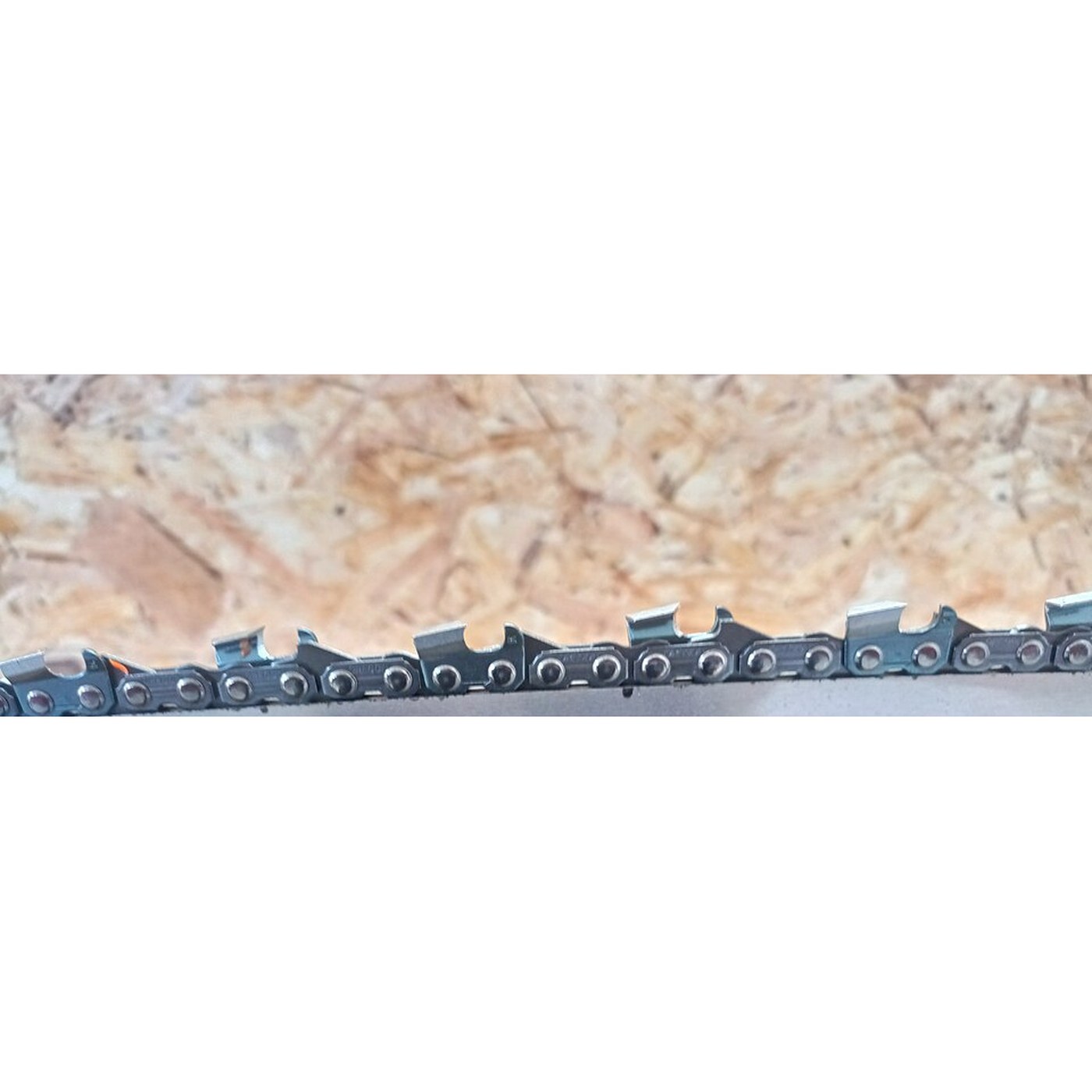


Chain, Bar and Sprocket: Five Parts That Must Agree
Every saw in this batch so far moves a blade back and forth or round in a circle. A chain saw does neither: it runs a loop of individual cutters round the edge of a flat bar, so the cutting edge can be as long as you like and the machine behind it stays small.
That is what made one-man felling possible. Before it, a tree that size took two people on a crosscut saw and most of a morning.
It is also the most dangerous tool in this batch by a wide margin, and the danger is concentrated in a part of the bar you can point at. This rung is about the five parts that have to agree — chain, bar, sprocket, oiler and tensioner — and about where the harm lives.
මධ්යම
About 2 hours, no felling
උපදෙස්
1
1
Read a cutter, because the chain is the whole tool
Read a cutter, because the chain is the whole tool
With the saw switched off, the plug out or the battery removed, and gloves on, look closely at one cutter on the chain.
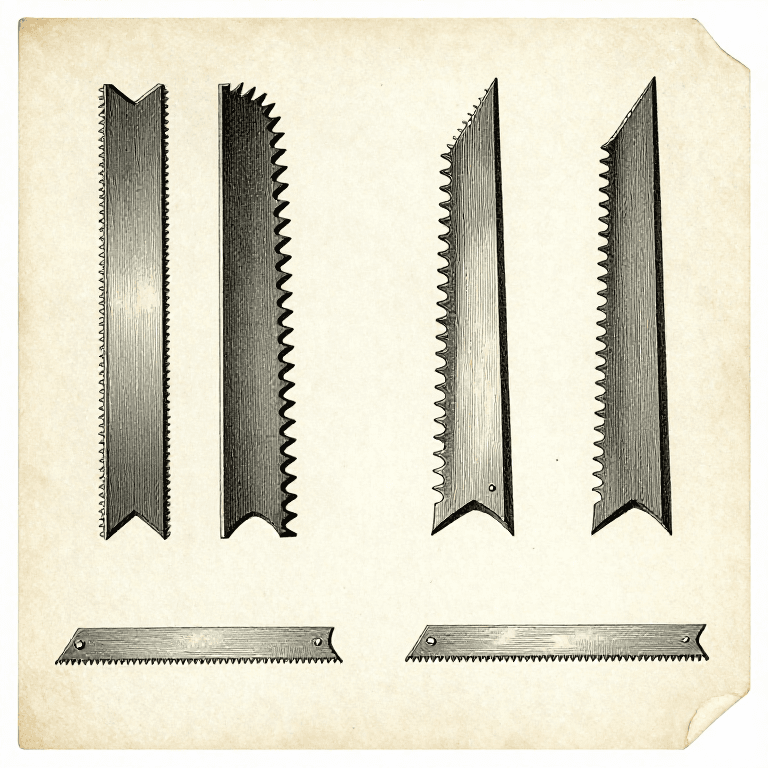
You will find three things on it. A **top plate** with the cutting edge. A **side plate** that severs the fibres at the edge of the kerf. And ahead of both, a lower projection — the **depth gauge** or raker.
The height difference between raker and top plate is the bite. It is a feed limit machined into every tooth, which is how a chain saw stays controllable at twenty metres a second when no operator could possibly meter the feed by hand.
Measure that difference with a feeler gauge or a depth-gauge tool and write it down. The usual working range is roughly half a millimetre. Step 4 shows what happens either side of it.
Now look along the chain. Cutters alternate left and right — one leans one way, the next the other — because a single-handed cutter would steer the bar out of the cut. Count how many cutters you have; you will need the number in step 4.
අවශ්ය මෙවලම්:
 යාන්ත්රික කියත (වෘත්තීය වන ශ්රේණියේ)
 පරතර මිනුම් තල කට්ටලය
 ඩිජිටල් කැලිපරය අඟල් 6
 වෑල්ඩින් අත්වැසුම්
2
2
Bar, sprocket, oiler, tensioner — and what happens when one disagrees
Bar, sprocket, oiler, tensioner — and what happens when one disagrees
The chain runs in a groove round the edge of the **bar**. It is driven by a **sprocket** at the motor end whose pitch must match the chain's pitch exactly. It is fed oil by a pump through a hole in the bar, and it is held at the right tension by a **tensioner** screw.
Each of the four fails in its own way, and all four failures look like 'the saw cuts badly':
**Bar groove worn or spread** — the chain leans in the cut and the saw curves. Check by standing a straightedge against the bar rail and looking for light.
**Sprocket worn** — the chain rides high on the teeth, hammers, and wears its own drive links. A sprocket with visible hollows in the tooth faces has been run past its life.
**Oiler blocked** — the chain runs dry, the bar blues, the chain stretches permanently. Check it: run the saw briefly pointing at a clean board and look for a line of oil thrown off the nose. No line, no oil, stop.
**Tension wrong** — slack and the chain comes off the bar, which is both a hazard and a ruined chain; tight and it binds and heats. Set it cold so the chain can just be pulled a drive link clear of the rail and snaps back, then check again warm, because a chain that was right cold is loose hot.
Any one of the four will make a sharp chain cut like a blunt one. Check all four before sharpening anything.
මෙම පියවර සඳහා ද්රව්ය:
 යන්ත්ර මාර්ග තෙල් (ක්වාට් 1)1 කැබැල්ල
අවශ්ය මෙවලම්:
යාන්ත්රික කියත (වෘත්තීය වන ශ්රේණියේ) ඉස්කුරුප්පු නියන කට්ටලය
 ස්පැනර් කට්ටලය
 රූලක්වෑල්ඩින් අත්වැසුම්
3
3
Sharpen one cutter properly, and prove it on a board
Sharpen one cutter properly, and prove it on a board
This is a bench exercise on a saw that is not running. No tree, no felling, no cutting above shoulder height — none of that belongs in a first rung.
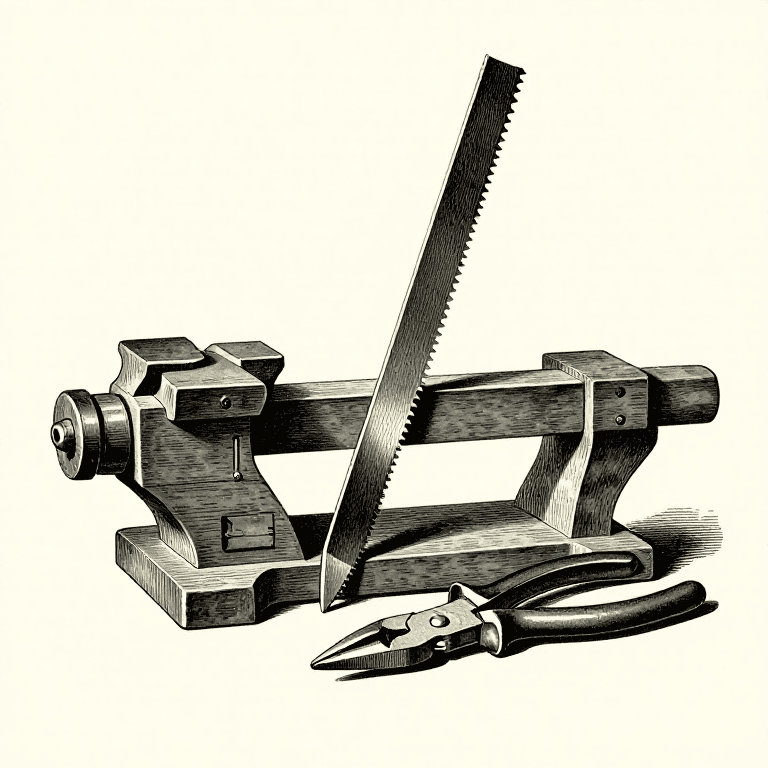
Clamp the bar in the vise. Take a round file of the diameter your chain calls for and file ONE cutter, from the inside outward, holding the file at the angle already ground into the tooth. Count the strokes. Then do every cutter facing the same way with the same count, turn the saw round, and do the others.
Equal strokes matter more than perfect angle. Cutters filed to different lengths take different bites, and the chain then pulls toward the side with the longer teeth — the commonest reason a saw cuts in a curve.
Then check the rakers. Sharpening shortens the cutter and drops its top plate, so the raker becomes relatively higher and the bite gets smaller with every sharpening. Lay a depth gauge across and file any raker that stands proud, then round its front edge again.
Prove it: with the bar still clamped, draw a sharp cutter backwards across a scrap board by hand and look at what comes off. A sharp chain takes a clean shaving. A blunt one makes dust, and dust instead of chips is the single most reliable sign a chain needs attention.
මෙම පියවර සඳහා ද්රව්ය:
 පයින් ලෑල්ල1 කැබැල්ල
අවශ්ය මෙවලම්:
යාන්ත්රික කියත (වෘත්තීය වන ශ්රේණියේ) මුවහත් ගලපරතර මිනුම් තල කට්ටලය
 බංකු තද කරන්නාවෑල්ඩින් අත්වැසුම්
 ආරක්ෂිත කණ්ණාඩි
4
4
The bite per cutter, and where the kickback lives
The bite per cutter, and where the kickback lives
Jupyter සටහන් පොත පූරණය වෙමින්…
අවශ්ය මෙවලම්:
පරතර මිනුම් තල කට්ටලයඩිජිටල් කැලිපරය අඟල් 65
5
History and context
History and context
**Attribution, stated honestly.** **Andreas Stihl** of Stuttgart built an electric chain saw for felling from **1926** and a petrol saw soon after, and the firm he founded still carries his name. Others were working in parallel: Emil Lerp's Dolmar petrol saw dates from the same period, and Charles Wolf and the Mall Tool Company — Arthur Mall of the belt sander rung — were building one-man saws in the United States in the 1930s and 40s. Sources differ on which machine was 'first', and this corpus names the readings rather than choosing. No patent number is asserted, because none could be verified from the sources reachable here.
The change that matters is not the engine, it is the crew. Early powered saws needed two people because they were too heavy for one. The **one-man saw** — light enough to be carried and started alone — arrived after the Second World War with better alloys and smaller engines, and it changed forestry economics completely.
The safety features came later and each one is a scar. The **chain brake**, which stops the chain in milliseconds when the front handguard is struck, is a response to measured kickback injuries. Reduced-kickback bar noses, chain catchers and throttle interlocks are the same story. None of them was on the first machines.
**Honest limits.** It kicks back, and step 4 shows how concentrated that risk is. It is loud enough to deafen and vibrates hard enough to cause lasting nerve damage over a career. It demands constant maintenance — four separate systems, any one of which ruins the cut. And felling is a separate skill entirely: this rung deliberately stops at the bench, because putting a tree on the ground safely is not something a blueprint should imply you can now do.
ද්රව්ය
2- යන්ත්ර මාර්ග තෙල් (ක්වාට් 1)10% කොමිස්1 කැබැල්ලස්ථානගත
- 1 කැබැල්ලස්ථානගත
සම්බන්ධ බ්ලූප්රින්ට්
මෙම බ්ලූප්රින්ට් දැනුම බෙදා ගනී — ශිල්ප ක්රම, ද්රව්ය හෝ මූලධර්ම

CC0 පොදු වසම
මෙම බ්ලූප්රින්ට් CC0 යටතේ නිකුත් කර ඇත. ඔබට අවසර නොමැතිව පිටපත් කිරීම, වෙනස් කිරීම, බෙදා හැරීම සහ භාවිතා කිරීම කළ හැක.
බ්ලූප්රින්ට් හරහා නිෂ්පාදන මිලදී ගැනීමෙන් නිර්මාතෘට සහාය වන්න නිර්මාතෘ කොමිසම විකුණුම්කරුවන් විසින් නියම කළ, හෝ මෙම බ්ලූප්රින්ට්හි නව අනුවාදයක් සාදා ආදායම බෙදා ගැනීමට ඔබේ බ්ලූප්රින්ට්හි සම්බන්ධතාවයක් ලෙස ඇතුළත් කරන්න.