කලාව
රූපලාවණ්ය සහ සුවතාව
ශිල්පය
සංස්කෘතිය සහ ඉතිහාසය
විනෝදාස්වාදය
පරිසරය
ආහාර සහ පාන
ප්රතිලෝම ඉංජිනේරු
විද්යාවන්
ක්රීඩා
තාක්ෂණය
පැළඳිය හැකි
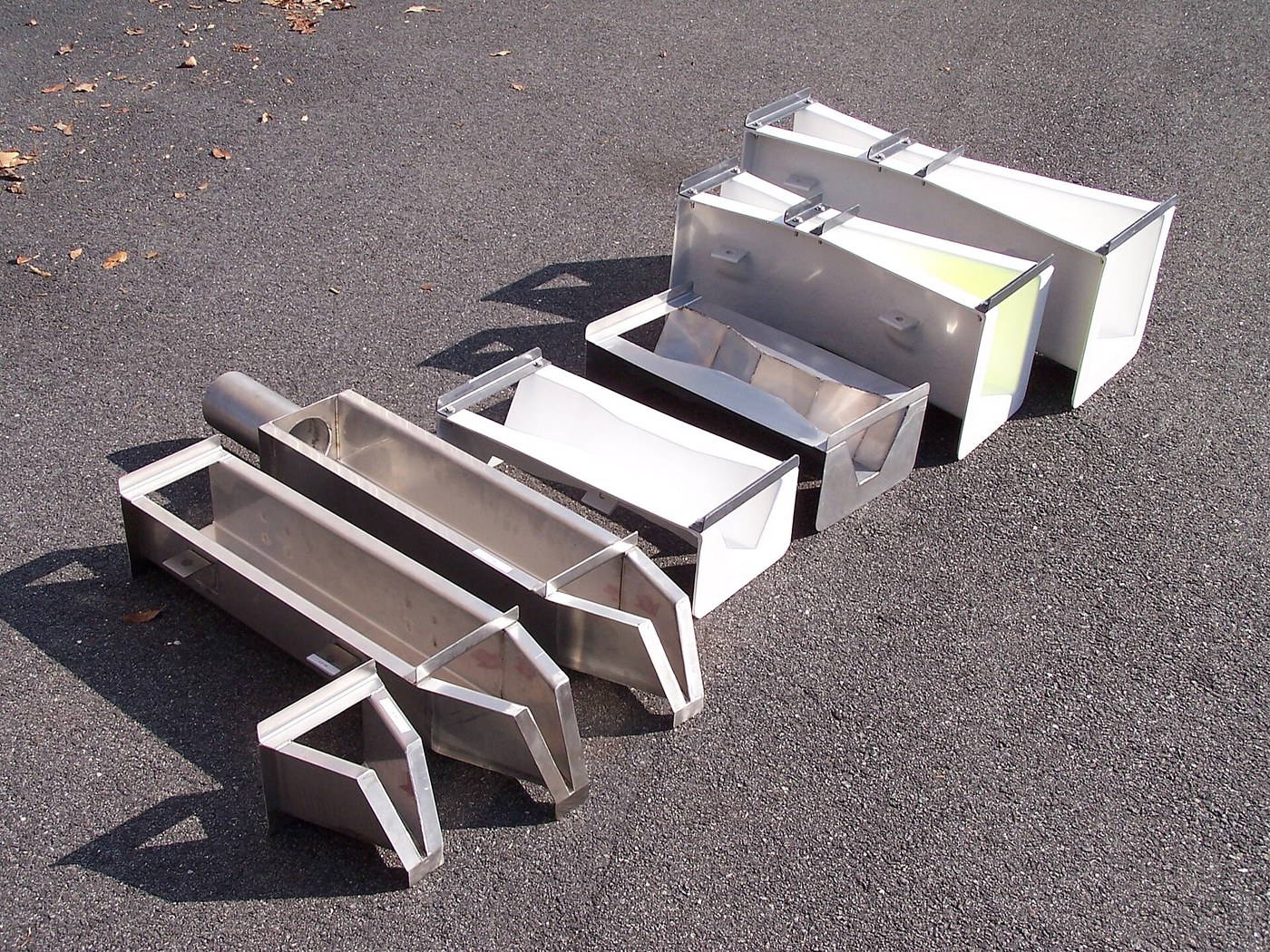


The Parshall Flume
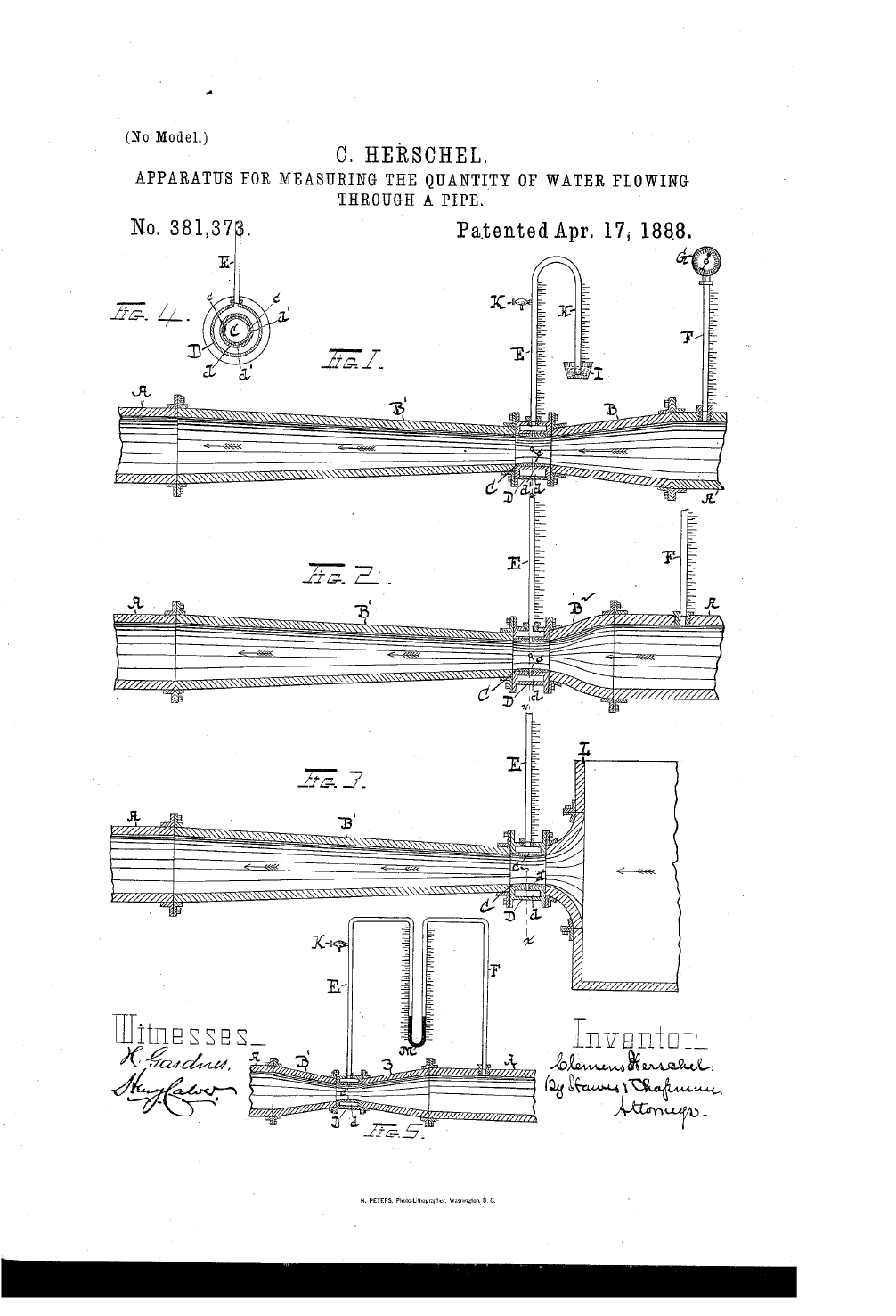
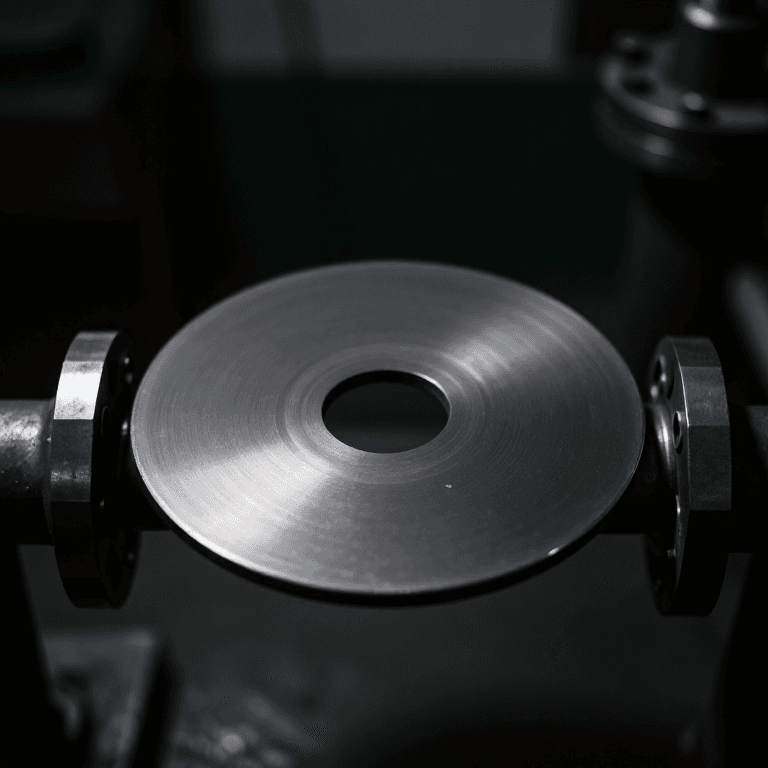
This is a third sibling to `venturi-meter` and `orifice-plate-meter`, and it is a sibling of a different kind from those two. Those measure the same thing the same way — a constriction in a FULL PIPE, and a differential pressure — and differ mainly in cost and permanent head loss, which is a comparison that blueprint pair already makes well.
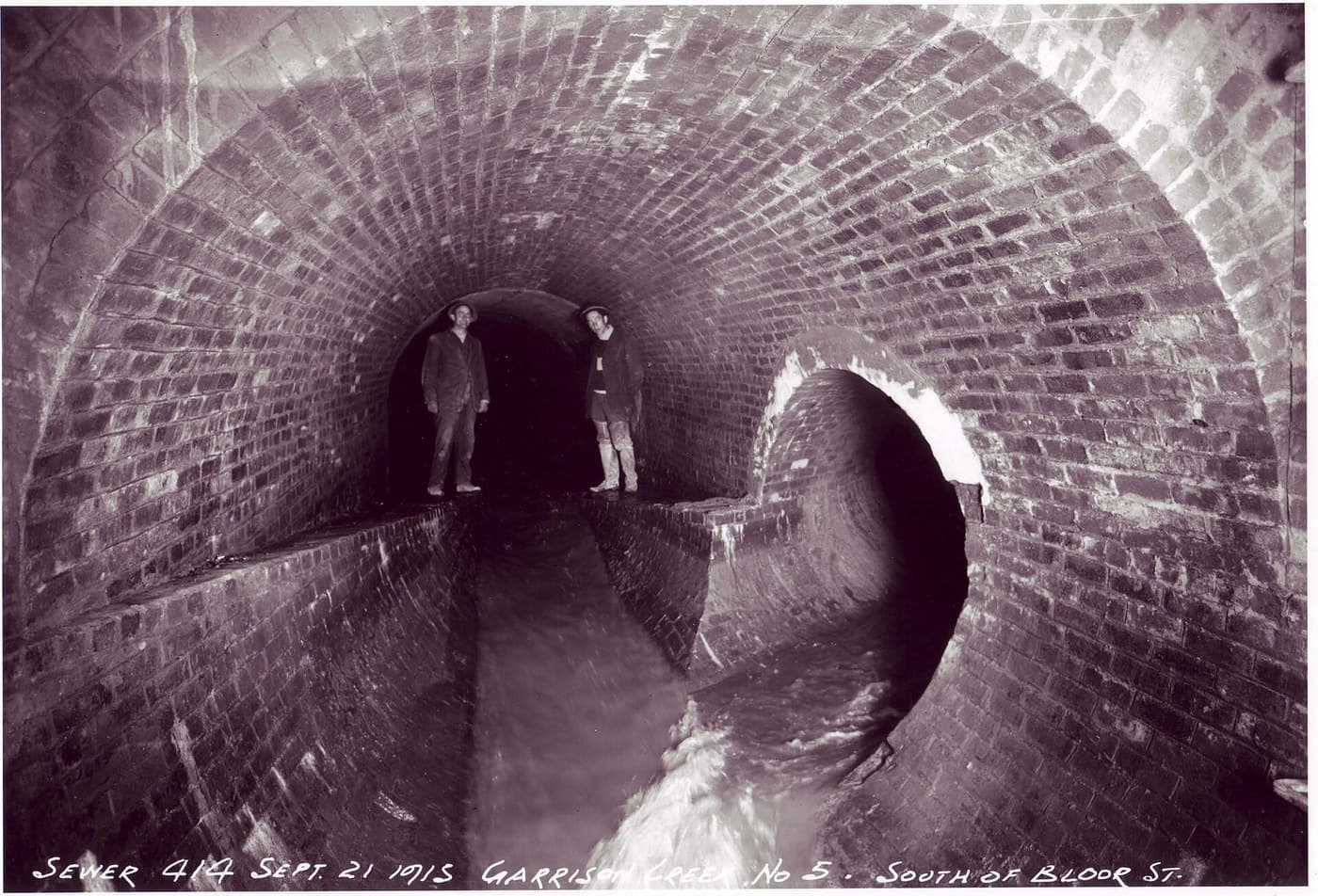
The Parshall flume changes the regime. It measures flow in an OPEN CHANNEL, where the water has a free surface and the conduit is not full. Neither a venturi nor an orifice plate can work there at all: both require a pressurised full pipe to develop the differential they read, and both would silt up or catch rags instantly in sewage.
That matters because most of the flow anyone in sanitation needs to measure is exactly that: part-full, carrying solids, at atmospheric pressure. A sewer, a treatment works inlet, an irrigation ditch.
The mechanism is genuinely different too. Narrow an open channel and shape its floor with a downward step, and at sufficient contraction the flow is forced through CRITICAL DEPTH — the condition at which the flow's specific energy is minimum and it changes from tranquil to rapid. At critical depth there is a fixed relationship between depth and discharge that depends only on the throat geometry. So a single upstream depth reading gives the flow, and nothing downstream can affect it. The flume does not measure a pressure difference at all; it imposes a control.
Ralph Parshall developed it in Colorado in the 1920s, refining Cone's earlier Venturi flume, and the key improvement was the drop in the floor through the throat. That drop is what makes it self-cleansing and lets it keep working when partly drowned, which a flat-floored flume will not.
You will build one, calibrate it by catching and weighing water, and then deliberately drown it to find where the single-reading assumption stops being true.
මධ්යම
5 hours
උපදෙස්
1
1
Cut a flume to standard proportions, because the rating depends on them
Cut a flume to standard proportions, because the rating depends on them
A Parshall flume is not a shape someone can improvise. Its published discharge equations were obtained by calibration of specific geometries, so if you change the proportions the equations no longer apply and you have built something that needs its own calibration from scratch. Build it to the standard and the century of published rating data is yours.
BUILD A 3-INCH (76 MILLIMETRE) THROAT FLUME, which is the smallest standard size and a sensible bench scale. From 5 millimetre acrylic or exterior plywood sealed with resin, make a channel with three sections in series.
The CONVERGING section: walls angled inward, floor level, 466 millimetres long, narrowing from 178 millimetres wide at the entrance to the 76 millimetre throat.
The THROAT: 76 millimetres wide, 152 millimetres long, and here the floor DROPS — it slopes down at 1 in 4 through the throat. That drop is Parshall's contribution and it is not optional. It is what accelerates the flow enough to keep solids moving through, and what allows the flume to keep reading under partial submergence.
The DIVERGING section: 457 millimetres long, widening back out to 178 millimetres, with the floor rising again at 1 in 6. The rise recovers some energy and, more importantly, sets the tailwater condition that determines whether the flume stays in free flow.
THE GAUGE POINTS matter as much as the walls. Ha, the upstream head, is measured in the converging section at two-thirds of its length back from the throat entrance — for this size, 311 millimetres upstream of the throat. Hb, the downstream head, is measured in the throat itself near its lower end. Both are measured from the FLOOR OF THE THROAT ENTRANCE as datum, not from the local floor, which is a common and expensive mistake.
Fit a stilling well at each gauge point: a vertical tube of 32 millimetre pipe connected to the channel through a small hole, so the water surface inside is still even while the channel surface is disturbed. Read the level in the tube against a scale. Trying to read a moving water surface directly gives you an error larger than the measurement.
SET IT LEVEL. The floor of the converging section must be horizontal in both directions to within a millimetre over its length. A flume out of level reads consistently wrong, and there is nothing in the reading to warn you.
SUPPLY IT. A recirculating loop — a submersible pump in a sump, feeding a stilling basin ahead of the flume through a length of pipe, with the flume discharging back to the sump. The stilling basin matters: flow arriving at the flume must be smooth and parallel, so put a baffle or a coarse mesh across the approach and give it at least ten channel widths of straight run.
මෙම පියවර සඳහා ද්රව්ය:
 ඇක්රිලික් තහඩුව2 square metre
 ඩයික්ලෝරෝමීතේන්1 කැබැල්ල
 පාරදෘශ්ය PVC බටය3 metre
 PVC බට සම්බන්ධක එකතුව1 කට්ටලය
 ජලයේ ගිලෙන පොම්පය1 කැබැල්ල
 සිලිකෝන් මුද්රාව1 කැබැල්ල
 ලීටර් 20 බාල්දිය2 කැබලි
අවශ්ය මෙවලම්:
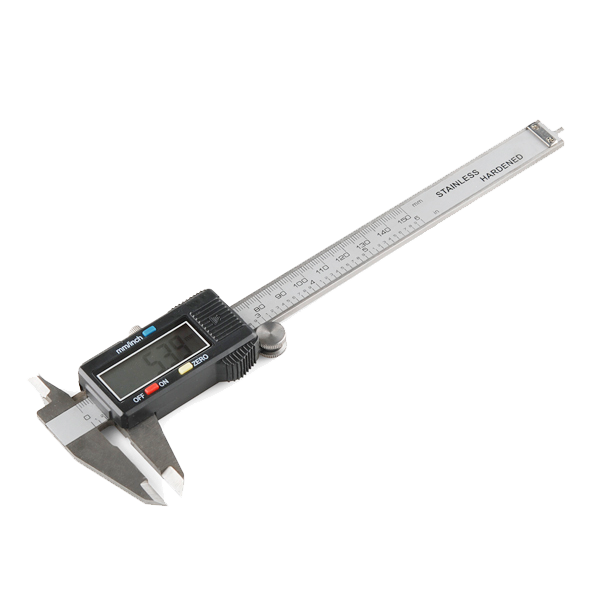 Digital Calipers - 152.4 mm
 රූලක්
රූලක් මට්ටම් ගෙඩිය
 යකඩ කපන කියත
 ඇක්රිලික් තීරු රත් කරනය
2
2
Calibrate it against a bucket, then drown it
Calibrate it against a bucket, then drown it
Every flow meter is a claim, and the only honest test is to catch the water and weigh it.
THE CALIBRATION. Run the pump at a fixed setting and let the flume settle for a full minute — the level takes time to stabilise and reading it early is the commonest error. Read Ha in the upstream stilling well. Then divert the flume outlet into a bucket on a scale for a timed interval of at least 30 seconds, and weigh. Mass divided by time divided by density gives you the true discharge.
Repeat at eight or ten pump settings across the range. Plot measured discharge against Ha on log-log axes.
WHAT YOU SHOULD SEE, and it is the satisfying part: a straight line. The published free-flow equation for a 3-inch Parshall flume is Q equals 0.1771 times Ha raised to the power 1.55, with Q in cubic metres per second and Ha in metres. On log-log axes that is a straight line of slope 1.55, and your measurements should lie on it within a few percent.
If your slope is right but the line is offset, your datum is wrong — you are measuring Ha from the wrong reference and the fix is arithmetic. If the SLOPE is wrong, your geometry is wrong, and no amount of arithmetic will save it.
NOW DROWN IT, which is the part that distinguishes this instrument from every other one in the sibling group.
The free-flow equation assumes the flume is in control — that critical depth occurs in the throat and nothing downstream can influence the upstream level. Raise the tailwater by putting a weir or a partial blockage in the outlet channel, and at some point the downstream water backs up far enough to drown the control.
Measure the submergence ratio, Hb divided by Ha, and raise the tailwater in steps while holding the pump setting constant. At low submergence, Ha does not change at all as you raise the tailwater — the flume is genuinely independent of what happens downstream, which is a remarkable property and the reason it is trusted. Then, above a threshold, Ha begins to rise even though the flow has not changed.
That threshold is around 0.5 for a 3-inch flume, 0.6 for the small sizes generally, and 0.7 for larger ones. Find yours and record it. Beyond it, a single reading of Ha OVERSTATES the flow, and to get a correct answer you must read both heads and apply a submergence correction.
This is worth doing because submerged flumes in the field are extremely common — a downstream channel silts up, a pump station backs water up — and a flume reading high for a reason nobody has noticed will quietly misreport a works' flow for years.
මෙම පියවර සඳහා ද්රව්ය:
 සාන්ද්ර ආහාර වර්ණකය1 කැබැල්ලඇක්රිලික් තහඩුව1 square metre
අවශ්ය මෙවලම්:
 නිරවද්ය ඩිජිටල් තරාදිය
 නැවතුම් ඔරලෝසුව
 බාල්දියරූලක්
3
3
Critical flow, the rating curve, and which meter for which job
Critical flow, the rating curve, and which meter for which job
Jupyter සටහන් පොත පූරණය වෙමින්…
අවශ්ය මෙවලම්:
 මේස පරිගණකය
ද්රව්ය
8- 3 square metreස්ථානගත
- 1 කැබැල්ලස්ථානගත
- 3 metreස්ථානගත
- 1 කට්ටලයස්ථානගත
- 1 කැබැල්ලස්ථානගත
- 1 කැබැල්ලස්ථානගත
- 2 කැබලිස්ථානගත
- 1 කැබැල්ලස්ථානගත
අවශ්ය මෙවලම්
9- Digital Calipers - 152.4 mm10% කොමිස්$14.15
- ස්ථානගත
- ස්ථානගත
- ස්ථානගත
- ස්ථානගත
- ස්ථානගත
- ස්ථානගත
- ස්ථානගත
- ස්ථානගත
සම්බන්ධ බ්ලූප්රින්ට්
මෙම බ්ලූප්රින්ට් දැනුම බෙදා ගනී — ශිල්ප ක්රම, ද්රව්ය හෝ මූලධර්ම


CC0 පොදු වසම
මෙම බ්ලූප්රින්ට් CC0 යටතේ නිකුත් කර ඇත. ඔබට අවසර නොමැතිව පිටපත් කිරීම, වෙනස් කිරීම, බෙදා හැරීම සහ භාවිතා කිරීම කළ හැක.
බ්ලූප්රින්ට් හරහා නිෂ්පාදන මිලදී ගැනීමෙන් නිර්මාතෘට සහාය වන්න නිර්මාතෘ කොමිසම විකුණුම්කරුවන් විසින් නියම කළ, හෝ මෙම බ්ලූප්රින්ට්හි නව අනුවාදයක් සාදා ආදායම බෙදා ගැනීමට ඔබේ බ්ලූප්රින්ට්හි සම්බන්ධතාවයක් ලෙස ඇතුළත් කරන්න.