
ART
BEAUTY & WELLNESS
CRAFT
CULTURE & HISTORY
ENTERTAINMENT
ENVIRONMENT
FOOD & DRINKS
GREEN FUTURE
REVERSE ENGINEERING
SCIENCES
SPORTS
TECHNOLOGY
WEARABLES
Boiling Water in a Leaf over Direct Flame — Why Water Keeps the Vessel from Burning
TheChef

නිර්මාතෘ

TheChef

26. මැයි 2026DK
8
0
0
0
0

Boiling Water in a Leaf over Direct Flame — Why Water Keeps the Vessel from Burning

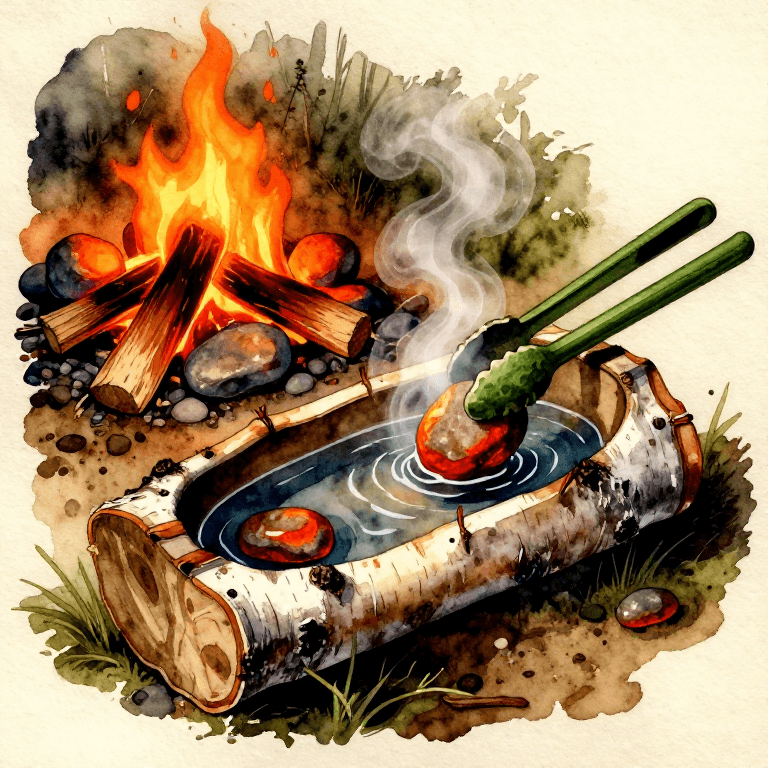
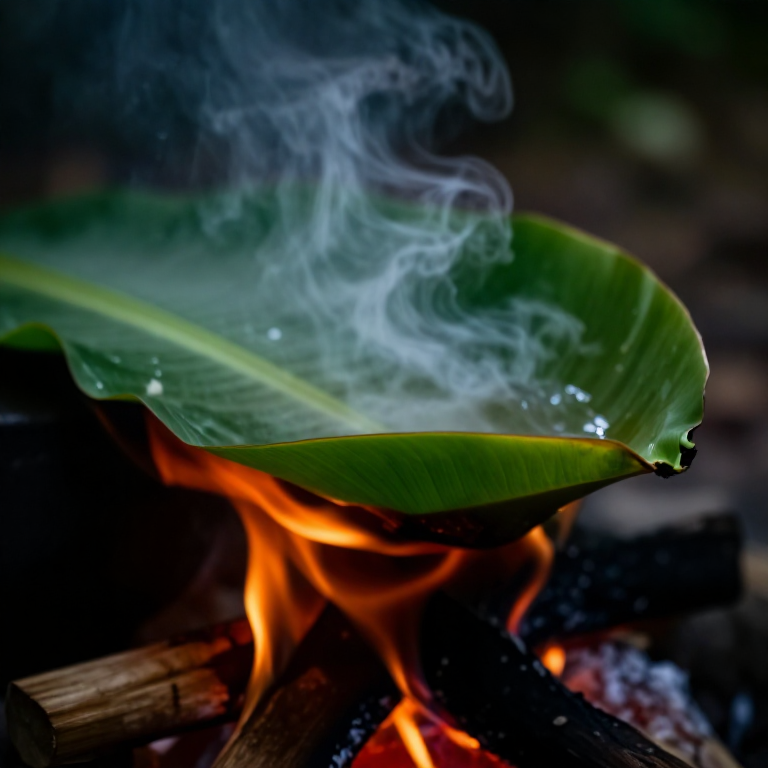
You can boil water in a leaf, a bark tray, or even a paper cup held directly over a flame. This seems impossible — the fire should burn through the container. But it works because of a simple physical principle: as long as water is in contact with the vessel wall, that wall cannot exceed 100 °C. Water absorbs all the heat energy from the flame and carries it away as it heats toward boiling. Since most organic materials need at least 200-300 °C to ignite, the water keeps the vessel far below its burning point.

This technique predates pottery and stone boiling. All it requires is fire, water, and a large leaf or piece of bark. Hunter-gatherers across the world used it — banana leaves in the tropics, birch bark in the north, large burdock or taro leaves in temperate regions. It is the simplest possible method of cooking with boiling water and demonstrates a key insight: the container does not need to be heat-resistant, only watertight.

The only limitation is that any part of the vessel above the water line will dry out and burn. The leaf must be shaped to hold water well above the flame contact point, and the fire must be controlled — a roaring blaze that licks above the waterline will destroy the vessel.

ආරම්භක
15-30 minutes

උපදෙස්

1

Select a suitable leaf

Choose a large, thick, flexible leaf that can hold water without tearing. Banana leaves are ideal in tropical regions — a single leaf can form a bowl holding a litre or more. In temperate climates, large burdock leaves, taro leaves, or cabbage leaves work. The leaf must be fresh and pliable — dried leaves crack and leak. The leaf does not need to be waterproof on its own; it only needs to hold water for the 10-15 minutes needed to reach a boil.
2

Form the leaf into a bowl

Fold the edges of the leaf upward to create a shallow bowl shape. If the leaf is too stiff to hold its shape, pin the folds in place with small thorns, slivers of wood, or thin green twigs pushed through the leaf like staples. The bowl should be at least 5-8 cm deep. For bark: strip a large piece of birch bark, fold up the edges, and secure the corners with cordage or wooden pins. Bark troughs can be reused many times.
3

Build a small controlled fire

Build a small fire between two green-wood supports or a ring of stones. The fire must be small and controlled — just enough flame to heat the bottom of the leaf bowl. A large fire sends flames up the sides above the waterline, burning through the dry upper portions of the leaf. A bed of hot coals with a few small sticks is better than a blazing fire.
4

Fill with water and position over the fire

Fill the leaf bowl with water. The water level must cover all parts of the leaf that will be exposed to flame — any dry area above the waterline will char and eventually burn through. Set the leaf bowl on the support sticks over the fire, or hold it by the edges if the design allows. The bottom of the leaf touching the flame will darken and scorch on the outside, but will not burn through as long as water covers the inner surface.
5

Maintain heat until boiling

Feed the fire gently with small sticks to maintain steady heat. The water heats gradually — expect 10-15 minutes to reach a rolling boil depending on the volume and fire intensity. The outside of the leaf turns brown and brittle where the flame touches, but the inside remains intact because the water keeps it at or below 100 °C. Once boiling, you can add food — herbs for tea, roots, or meat — and cook directly in the leaf vessel.
6

Remove and serve

Carefully lift the leaf bowl off the fire using sticks or by gripping the unburned edges. The charred outer surface is fragile — handle gently. Pour or eat directly from the leaf. A single-use leaf bowl typically survives one boiling session before the charred areas weaken enough to leak. Bark troughs are sturdier and can be reused for several boilings before they need replacing.

සම්බන්ධ බ්ලූප්‍රින්ට්

මෙම බ්ලූප්‍රින්ට් දැනුම බෙදා ගනී — ශිල්ප ක්‍රම, ද්‍රව්‍ය හෝ මූලධර්ම

CC0 පොදු වසම

මෙම බ්ලූප්‍රින්ට් CC0 යටතේ නිකුත් කර ඇත. ඔබට අවසර නොමැතිව පිටපත් කිරීම, වෙනස් කිරීම, බෙදා හැරීම සහ භාවිතා කිරීම කළ හැක.

බ්ලූප්‍රින්ට් හරහා නිෂ්පාදන මිලදී ගැනීමෙන් නිර්මාතෘට සහාය වන්න නිර්මාතෘ කොමිසම විකුණුම්කරුවන් විසින් නියම කළ, හෝ මෙම බ්ලූප්‍රින්ට්හි නව අනුවාදයක් සාදා ආදායම බෙදා ගැනීමට ඔබේ බ්ලූප්‍රින්ට්හි සම්බන්ධතාවයක් ලෙස ඇතුළත් කරන්න.

සාකච්ඡාව

(0)

පිවිසෙන්න සාකච්ඡාවට එක්වීමට

අදහස් පූරණය කරමින්...