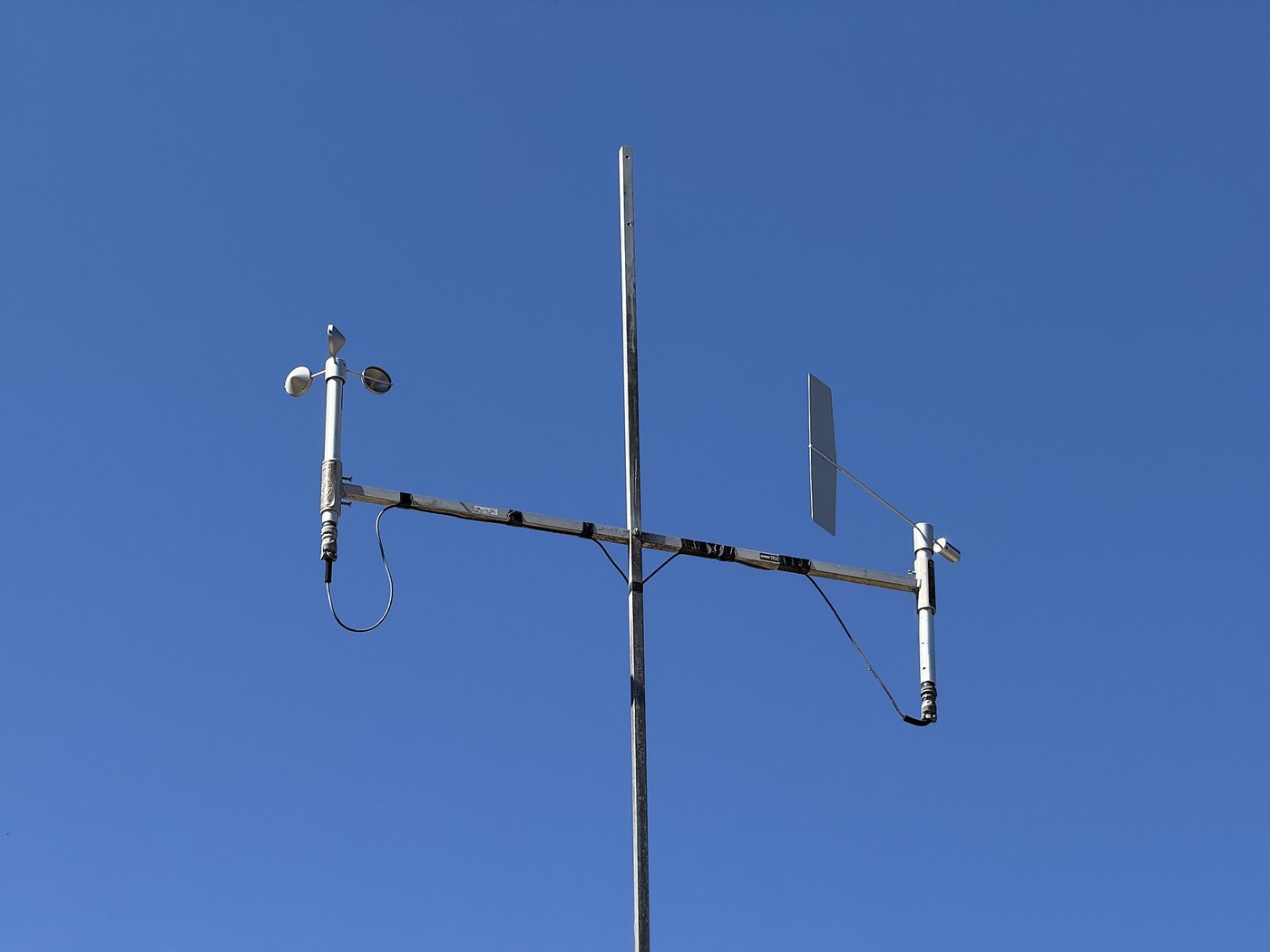


Robinson Cup Anemometer
උපදෙස්
Feel the asymmetry
Feel the asymmetry
The whole instrument depends on one shape being draggier one way round.
- Hold a hemispherical cup — half a ball, a yoghurt pot — open side into a fan's airflow.
- Turn it around so the airflow hits the rounded back.
- Compare the push you feel.
Build the rotor
Build the rotor
Three cups, evenly spaced, all facing the same way round the axis.
- Fix three arms at 120 degrees on a hub that turns freely.
- Mount a cup at each end, ALL opening in the same rotational direction.
- Balance it so it does not favour any position at rest.
මෙම පියවර සඳහා ද්රව්ය:
 බල්සා ලී තහඩු කට්ටලය1 පැකට්
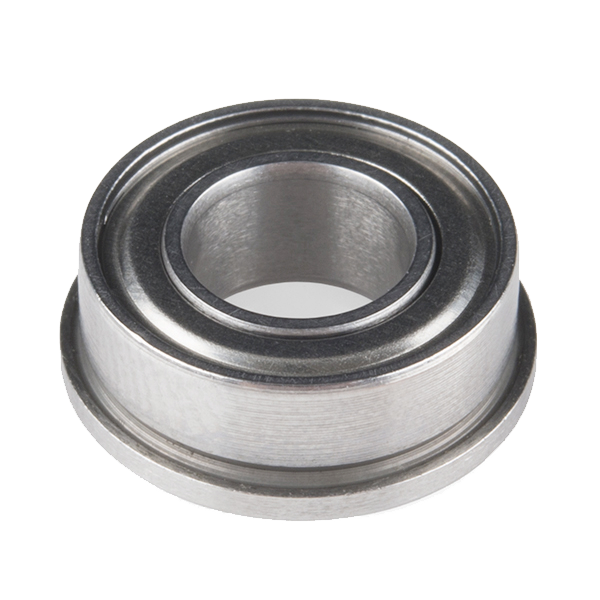 Ball Bearing - Flanged (6,35 mm Bore, 1,27 cm OD)2 කැබලි
Count revolutions against a known speed
Count revolutions against a known speed
An uncalibrated anemometer measures nothing. Give it a reference.
- Mark one arm so you can count turns.
- Expose it to a known airflow — a fan at a measured distance, or hold it from a moving vehicle at a steady speedometer reading.
- Count revolutions per minute at several known speeds.
මෙම පියවර සඳහා ද්රව්ය:
 නැවතුම් ඔරලෝසුව1 කැබැල්ල
Plot the calibration and find the offset
Plot the calibration and find the offset
Plot RPM against wind speed and read the line.
- Plot your points.
- They should lie close to a straight line.
- Extend the line back to zero RPM.
මෙම පියවර සඳහා ද්රව්ය:
 කෝණමානය1 කැබැල්ල
History and context
History and context
Thomas Romney Robinson (1792-1882) directed Armagh Observatory for nearly sixty years and described his four-cup anemometer in 1846. It spread quickly because it needed no wind vane, had one moving part, and would run unattended in weather that destroyed more delicate instruments.
His factor of three was wrong, and the correction is the interesting part. Robinson held that the cups always moved at one third of the wind speed regardless of the instrument's dimensions. Later testing — notably in wind tunnels toward the end of the century — showed the ratio depends on cup size, arm length and friction, and is generally nearer 2 to 2.5 for typical designs. An instrument whose calibration is assumed from theory rather than measured will be confidently wrong, and a century of wind records had to be re-examined because of it.
Earlier attempts go back a long way: Leon Battista Alberti described a swinging-plate anemometer around 1450, where wind deflects a hinged plate against gravity. It works, but it must face the wind and it responds non-linearly. Robinson's rotating design removed both problems.
Still in service. Cup anemometers remain the standard for wind resource assessment because they are robust, cheap and well understood — a wind farm's feasibility is normally judged on a year or more of cup anemometer data. Ultrasonic sensors with no moving parts are increasingly used alongside them, especially where light winds or icing matter.
ද්රව්ය
4- 1 පැකට්ස්ථානගත
- 2 කැබලි$2.44
- 1 කැබැල්ලස්ථානගත
- 1 කැබැල්ලස්ථානගත
මෙම සැලසුම සාදන්නේ

CC0 පොදු වසම
මෙම බ්ලූප්රින්ට් CC0 යටතේ නිකුත් කර ඇත. ඔබට අවසර නොමැතිව පිටපත් කිරීම, වෙනස් කිරීම, බෙදා හැරීම සහ භාවිතා කිරීම කළ හැක.
බ්ලූප්රින්ට් හරහා නිෂ්පාදන මිලදී ගැනීමෙන් නිර්මාතෘට සහාය වන්න නිර්මාතෘ කොමිසම විකුණුම්කරුවන් විසින් නියම කළ, හෝ මෙම බ්ලූප්රින්ට්හි නව අනුවාදයක් සාදා ආදායම බෙදා ගැනීමට ඔබේ බ්ලූප්රින්ට්හි සම්බන්ධතාවයක් ලෙස ඇතුළත් කරන්න.