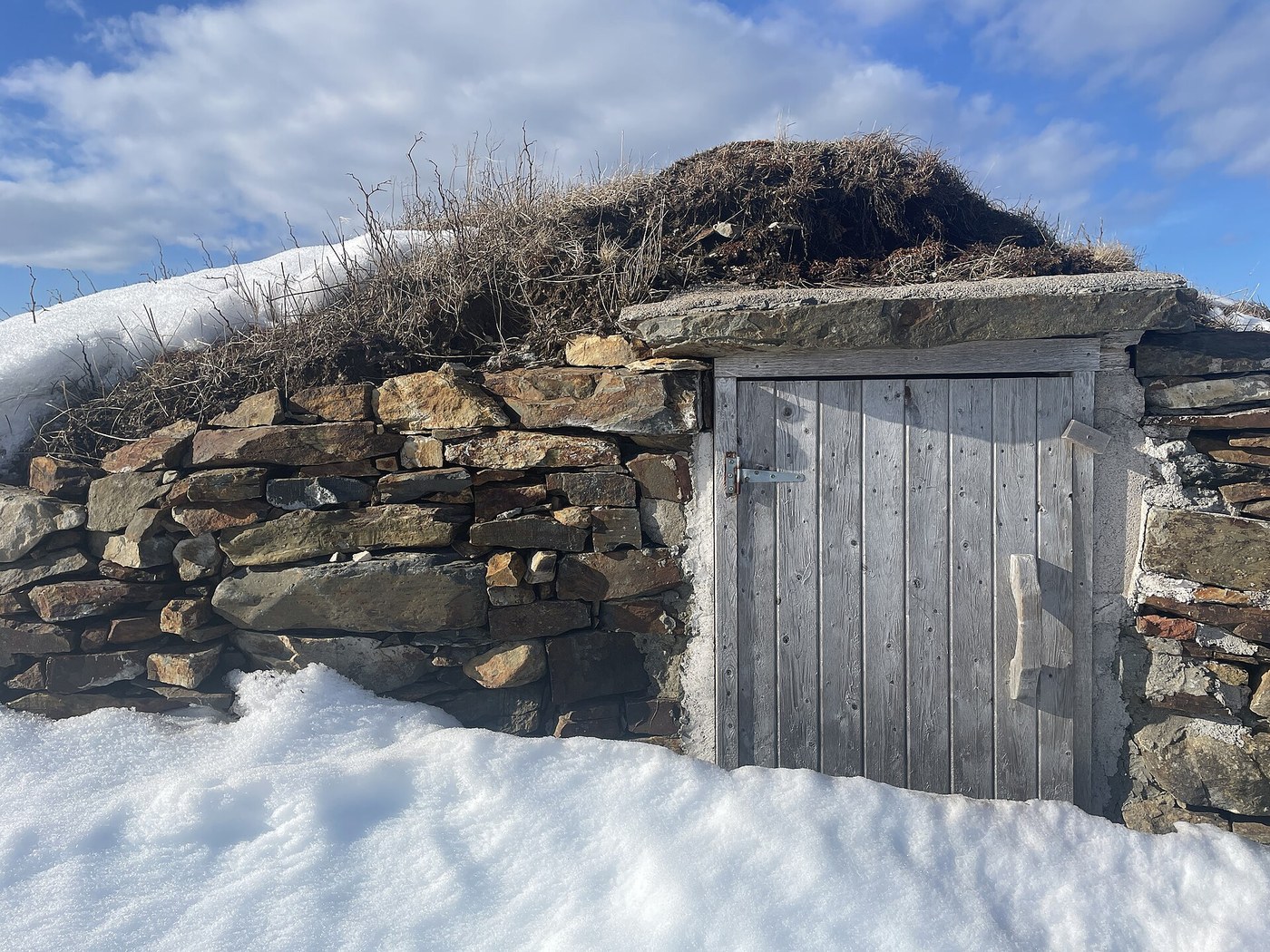


The Root Cellar
A refrigerator holds one temperature and one humidity. A root cellar holds whatever the ground gives it — and for most stored crops that turns out to be better.
The mechanism is thermal mass and depth. Soil conducts heat slowly, so a temperature swing at the surface arrives underground attenuated and delayed. At 10 cm the daily swing is already small; by a metre the day has vanished entirely and only the seasons remain, shifted by weeks. Go deep enough and the reading sits near the local annual average all year.
That gives a store that is cool in summer and — the half people forget — frost-free in winter. A root cellar is as much a defence against freezing as against heat.
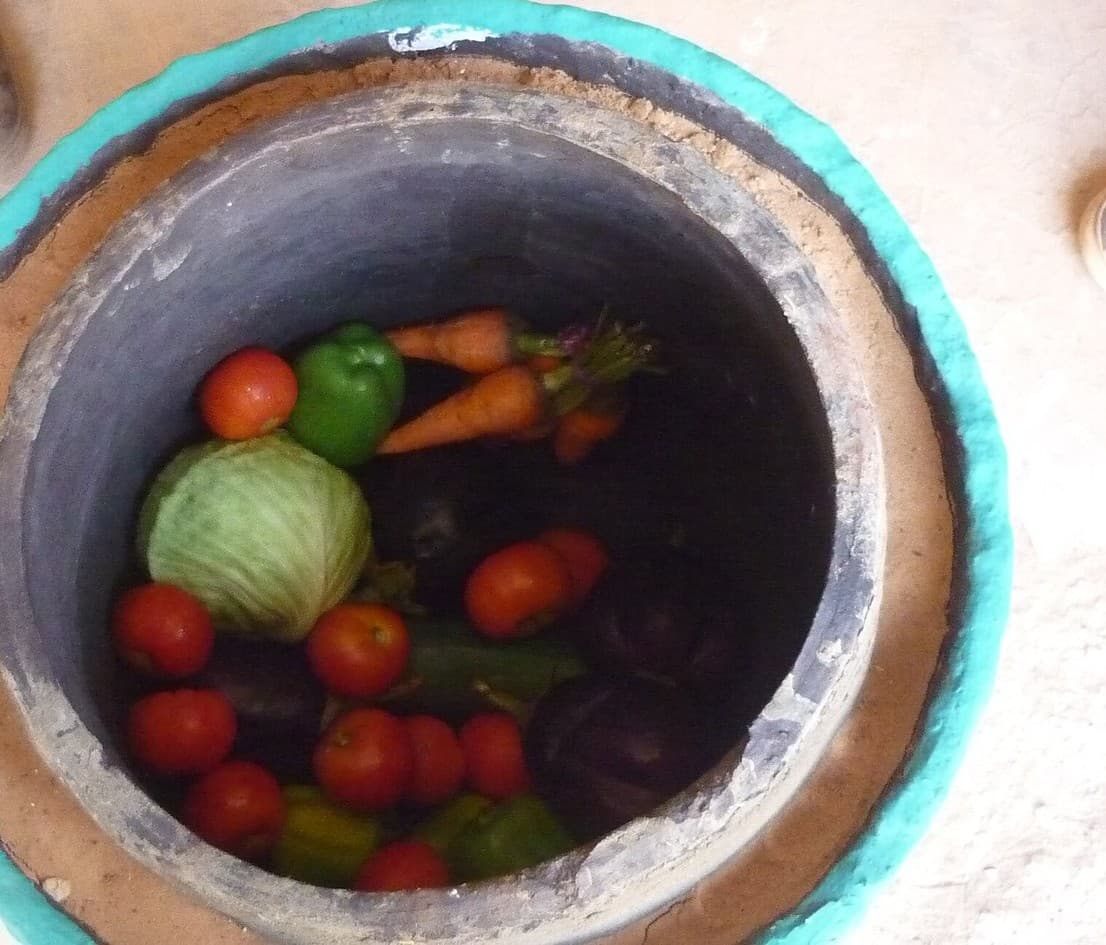
The second half is humidity, and it is why a cellar beats a refrigerator for carrots. An earth-floored cellar sits at 85–95 % relative humidity, so roots do not desiccate. A domestic fridge is a dehumidifier by accident — its cold coil condenses water out of the air — which is why carrots go limp in it and stay crisp in sand in a cellar.
Then one requirement that undoes the rest if ignored: ventilation, because stored produce respires, and ethylene and carbon dioxide must be allowed to leave.
උපදෙස්
Watch the ground forget the weather
Watch the ground forget the weather
Bury thermometers at the surface, 10 cm, 50 cm and a metre, and read them twice daily for a fortnight alongside the air temperature.
Expect the swing to shrink with depth and the deep readings to lag the surface by days.
Plot swing against depth.
That curve is your site's specification. It tells you how deep you must dig for the stability you want, and it differs with soil, water table and climate — so measure rather than copying a number from a book.
අවශ්ය මෙවලම්:
 උෂ්ණත්වමානය
Measure the humidity, not just the cold
Measure the humidity, not just the cold
Compare relative humidity in an earth-floored cellar, a concrete-floored one and a domestic refrigerator, using a hygrometer or a wet-and-dry bulb pair.
Expect the earth floor to be very humid, the concrete less so, and the refrigerator surprisingly dry.
Then weigh identical carrots stored in each for two weeks.
Expect the fridge carrots to lose the most mass and go limp.
Wilting is water loss, not warmth — which is why a cold dry box is the wrong store for a root and the right one for a cured onion.
මෙම පියවර සඳහා ද්රව්ය:
 කැරට්1 කැබැල්ල
අවශ්ය මෙවලම්:
 ආර්ද්රතාමානය
 ඩිජිටල් මුළුතැන්ගෙයි තරාදිය
Give it two vents at different heights
Give it two vents at different heights
Fit a model cellar with a low intake and a high outlet, and test it against the same cellar with a single opening and with none.
Watch airflow with a smoke source and log the temperature.
Expect the two-vent version to draw a steady slow current and the others to stagnate.
Cold air enters low, warms slightly, rises, leaves high — the same buoyancy loop as the windcatcher, at a smaller scale.
Fit a damper: you want a strong purge on a cold autumn night to pull the store's temperature down, and almost nothing in a hard frost.
Separate the crops that poison each other
Separate the crops that poison each other
Store potatoes with apples in one closed box and separately in another, and compare after a few weeks.
Expect the potatoes stored with apples to sprout early.
Apples emit ethylene, a ripening hormone, and many stored crops respond to it.
Then test smell transfer between onions and apples.
A cellar is a shared atmosphere. The practical rules — apples away from everything, onions and garlic dry and separate, brassicas apart because of odour — are all consequences of that single fact, and ventilation is the remedy for all of them.
මෙම පියවර සඳහා ද්රව්ය:
 අර්තාපල්1 කැබැල්ල
 ඇපල්1 කැබැල්ල
 ලූනු1 කැබැල්ල
Match each crop to its corner
Match each crop to its corner
Log temperature and humidity at floor level, mid-height and near the ceiling, and at the vent end versus the back.
Expect a real gradient: coldest and dampest low and at the back, warmest and driest high and near the vent.
Now place crops accordingly — roots in damp sand low down, squash and onions high and dry — and record how each fares over a season.
A cellar's gradients are a feature, not a fault. A single-temperature machine cannot offer them, which is the strongest argument this technology still has.
මෙම පියවර සඳහා ද්රව්ය:
 වැලි1 කැබැල්ල
History & Context
History & Context
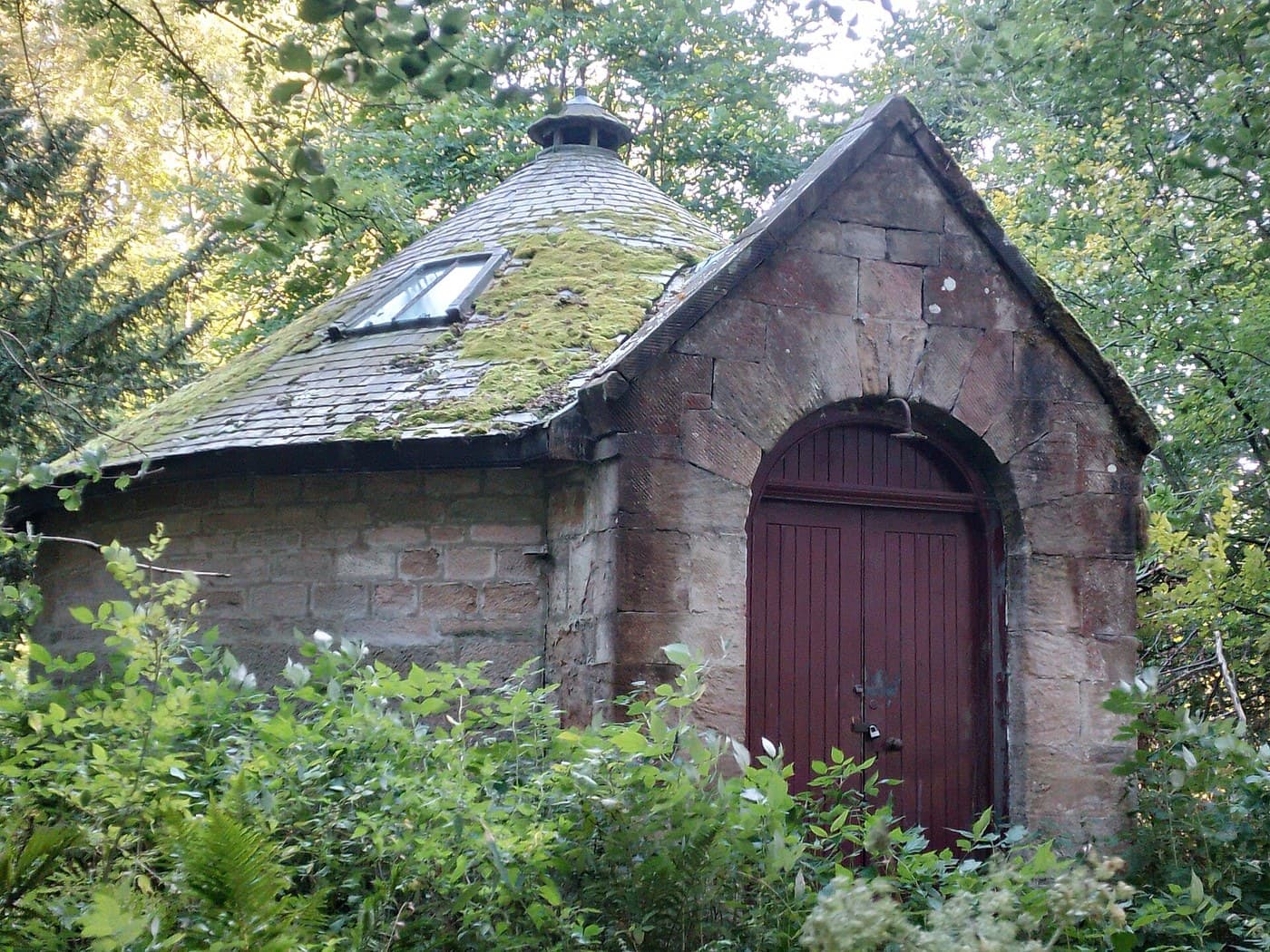
It is one of the oldest storage technologies and it is not really an invention. Pits, clamps and cellars for overwintering roots appear wherever people farm in a climate with a hard winter, from prehistoric storage pits to the earth-covered clamps still used commercially for potatoes and beets. There is no inventor and no patent — which is precisely why a corpus organised around function rather than attribution should carry it.
It survived industrialisation by being complementary rather than competitive. Commercial potato and apple storage still uses earth-banked or heavily insulated stores with controlled ventilation, because chilling several thousand tonnes with machinery is expensive and unnecessary when the ground will do most of it. Modern controlled-atmosphere apple storage is a root cellar with the gas composition taken seriously — low oxygen, raised carbon dioxide, scrubbed ethylene, which is step 4 turned into an industry.
The humidity point deserves emphasis because it is so widely misunderstood. Domestic refrigerators dry their contents as a side effect of how they work, which is why supermarket vegetables arrive in plastic. A cellar's high humidity does the same job with no packaging at all. Sometimes the older technology is not merely adequate but genuinely better on a dimension the newer one never optimised for.
Honest limits. It gives you the temperature your ground gives you — no colder, and warm-climate ground is too warm to store much. It cannot freeze anything and cannot hold food-safe refrigeration temperatures for meat or dairy. It needs digging, drainage and a site with a suitable water table. High humidity that keeps roots crisp also encourages mould and rot on anything damaged. And it needs seasonal attention: damper settings, regular inspection, and the removal of one rotting vegetable before it takes the crate with it.
ද්රව්ය
5- 1 කැබැල්ලස්ථානගත
- 1 කැබැල්ලස්ථානගත
- 1 කැබැල්ලස්ථානගත
- 1 කැබැල්ලස්ථානගත
- 1 කැබැල්ලස්ථානගත
අවශ්ය මෙවලම්
3- ස්ථානගත
- ස්ථානගත
- ස්ථානගත
සම්බන්ධිත සැලසුම්වල ද්රව්ය

සම්බන්ධ බ්ලූප්රින්ට්
මෙම බ්ලූප්රින්ට් දැනුම බෙදා ගනී — ශිල්ප ක්රම, ද්රව්ය හෝ මූලධර්ම

CC0 පොදු වසම
මෙම බ්ලූප්රින්ට් CC0 යටතේ නිකුත් කර ඇත. ඔබට අවසර නොමැතිව පිටපත් කිරීම, වෙනස් කිරීම, බෙදා හැරීම සහ භාවිතා කිරීම කළ හැක.
බ්ලූප්රින්ට් හරහා නිෂ්පාදන මිලදී ගැනීමෙන් නිර්මාතෘට සහාය වන්න නිර්මාතෘ කොමිසම විකුණුම්කරුවන් විසින් නියම කළ, හෝ මෙම බ්ලූප්රින්ට්හි නව අනුවාදයක් සාදා ආදායම බෙදා ගැනීමට ඔබේ බ්ලූප්රින්ට්හි සම්බන්ධතාවයක් ලෙස ඇතුළත් කරන්න.