කලාව
රූපලාවණ්ය සහ සුවතාව
ශිල්පය
සංස්කෘතිය සහ ඉතිහාසය
විනෝදාස්වාදය
පරිසරය
ආහාර සහ පාන
ප්රතිලෝම ඉංජිනේරු
විද්යාවන්
ක්රීඩා
තාක්ෂණය
පැළඳිය හැකි



The Troughed Belt: Two Tipped Rollers That Doubled What a Conveyor Carries
A flat belt is a poor container. Loose material spreads on it until the heap reaches the angle it can stand at, and most of the belt ends up carrying air.
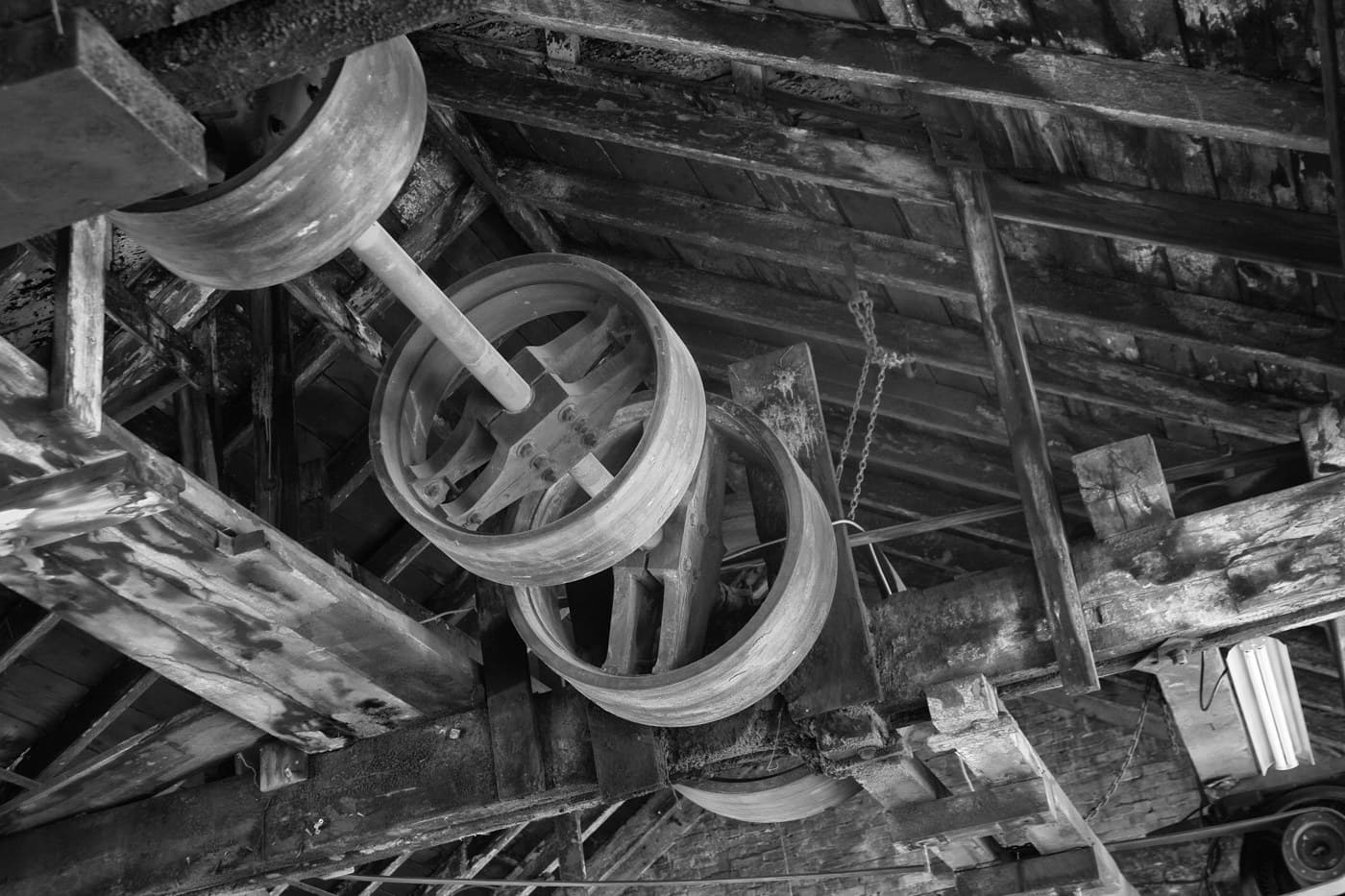
Thomas Robins' answer in 1896 was to stop supporting the belt on one roller and support it on three — a flat one in the middle and two tipped up at the sides — so the belt folds into a shallow trough and becomes its own container. The same rubber then carries close to three times as much.
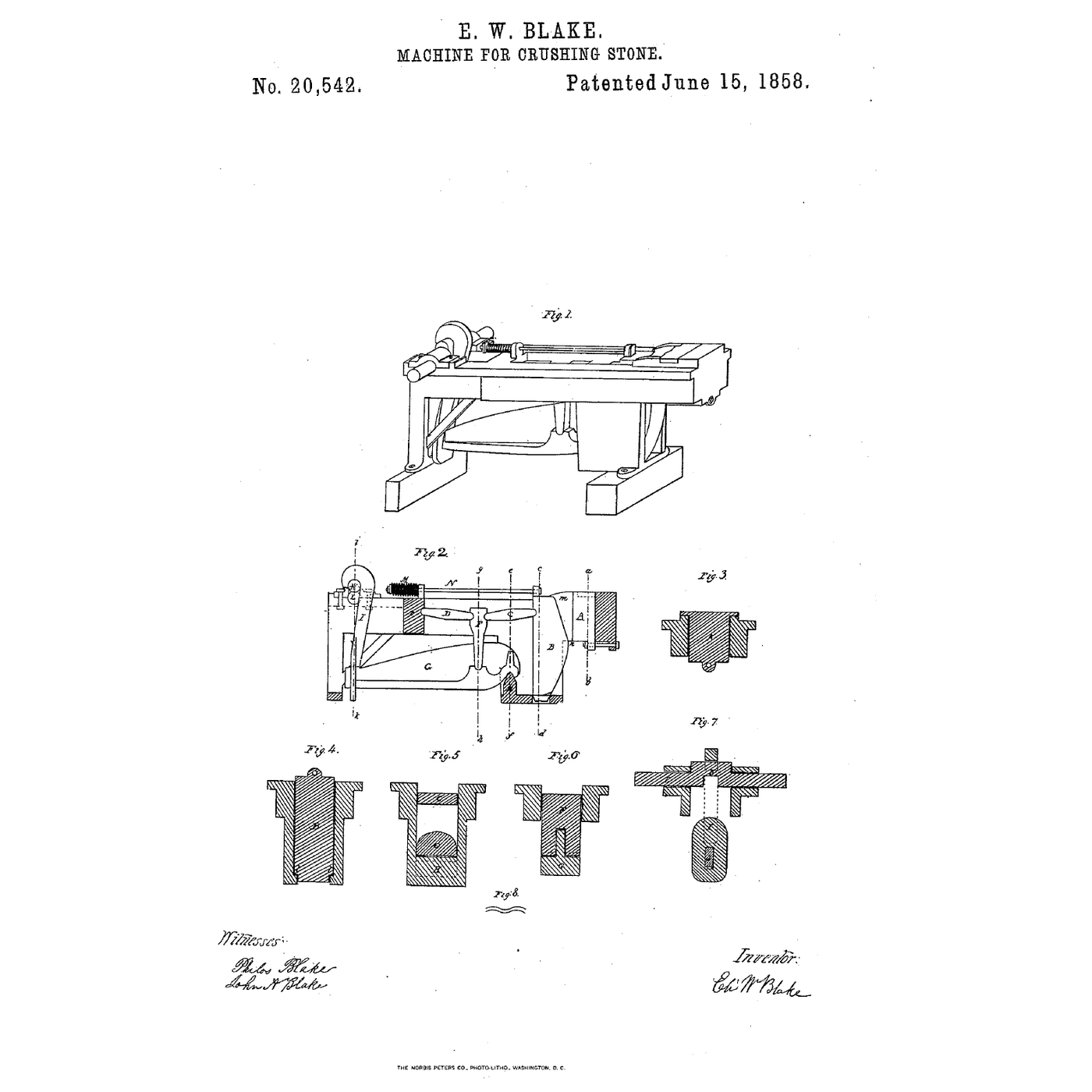
This rung works out how much, finds the trough angle where the gain turns round, and gets at the one number the whole calculation rests on. It also covers the other figure on Robins' drawing sheet, the crowned pulley, which is what stops the belt walking off the end.
මධ්යම
About 3 hours
උපදෙස්
1
1
Watch a flat belt fail at the job
Watch a flat belt fail at the job
Lay a strip of belting, or any stiff sheet, flat on the bench and pour dry sand onto it in a line. The sand spreads sideways until its surface reaches its angle of repose, and then it stops. Measure the width of the heap and its height at the centre.
Notice two things. The heap has spread well outside where you poured it — so on a moving belt this is the spillage line, and it is why a flat belt needs skirts. And the cross-section is a flat triangle: almost all of the belt width is under material only a few millimetres deep.
Now lift the two edges of the strip so it folds into a shallow trough, and pour again. The material stays where you put it and stacks. That is the entire invention, and you have just done it by hand.
The angle the loose surface stands at is worth measuring while you are here. Sand is not stone and dry is not damp; record what you actually have, because step 4 needs it.
මෙම පියවර සඳහා ද්රව්ය:
 රළු වැලි (ඉදිකිරීම්/මැටි භාණ්ඩ)1 bucket
 රබර් තහඩුව1 කැබැල්ල
අවශ්ය මෙවලම්:
 කෝණමානය
 රූලක්
රූලක් මිනුම් පටිය
 බාල්දිය
2
2
Build a three-roll idler stand
Build a three-roll idler stand
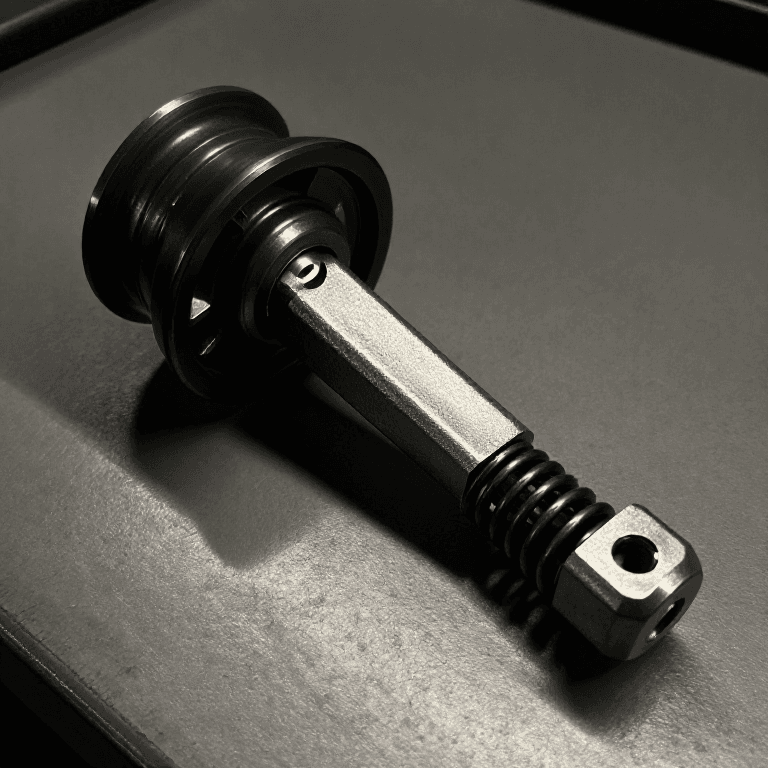
One centre roller horizontal, two side rollers tipped up at the same angle, all three in the same vertical plane and their working faces meeting end to end.
Cut a frame from angle iron. Set the centre roll first and get it level with a spirit level — everything else is measured from it. Then set the two side rolls: mark the trough angle with a protractor, and check that the gap at each junction is the same on both sides. An idler whose side rolls are at different angles steers the belt, permanently, and no amount of adjustment further down the run will fix it.
The rollers themselves must turn freely and must be **concentric**. A roller with a flat spot or an out-of-true shell hammers the belt once per revolution; over a shift that is hundreds of thousands of hammer blows into the same carcass.
Make the stand square to the belt line. The commonest tracking fault on a real conveyor is not a worn belt, it is an idler stand that has been knocked out of square by a loader.
මෙම පියවර සඳහා ද්රව්ය:
 ඇළ හැඩැති දරණ රෝලරය3 කැබලි
 මෘදු වානේ කෝණ යකඩ2 කැබලි
 යන්ත්ර ඉස්කුරුප්පු12 කැබලි
 පිලෝ බ්ලොක් දරණය (KP08)6 කැබලි
අවශ්ය මෙවලම්:
 MIG පෑස්සුම් යන්ත්රය
 ස්වයංක්රීයව අඳුරු වන පෑස්සුම් මුහුණු ආවරණය
 කෝණ ඇඹරුම් යන්ත්රය
 රැහැන් රහිත සිදුරු යන්ත්රය
 සිදුරු කරන තුඩු කට්ටලය
 ස්පැනර් කට්ටලය
 මට්ටම් ගෙඩියකෝණමානයමිනුම් පටිය
 පැහැදිලි ආරක්ෂක කණ්ණාඩිය
 සම් වැඩ අත්වැසුම්
 ශ්රවණ ආරක්ෂාව
3
3
The crowned pulley, which is on the same drawing sheet
The crowned pulley, which is on the same drawing sheet
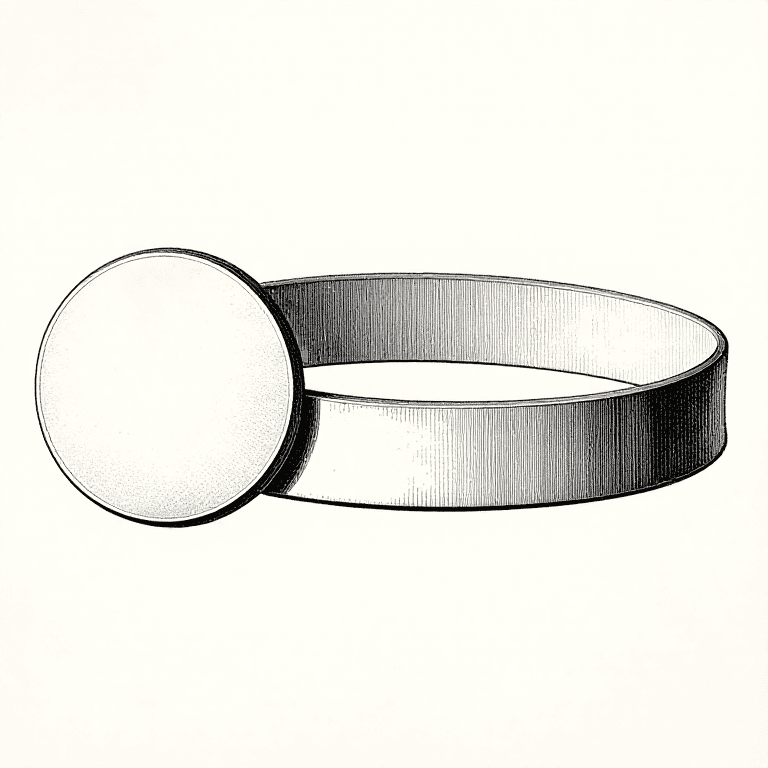
Robins' sheet 2 carries two figures. One is the troughing idler. The other is a pulley whose diameter is slightly larger in the middle than at the ends — a **crown**.
A belt climbs toward the tight side. On a crowned pulley the middle is the tight side, because the belt has further to go over the bulge, so the belt is continuously steered back to the centre. It is self-correcting rather than adjusted.
Try it. Turn a short wooden roller with a taper each way — a millimetre of crown over a couple of hundred millimetres is plenty — and run a strip of cloth over it. Start the strip deliberately off to one side and turn the roller: the strip walks back to the middle. Turn a second roller dead cylindrical and repeat: the strip walks off the end and keeps going.
Crowning is for the *head and tail pulleys*, not for the carrying idlers. Crowned carrying rollers under a troughed belt fight the trough and wear the belt's underside.
One caution the old texts all give: crowning steers a belt, it does not fix a misalignment. If a belt runs off on a crowned pulley, the frame is out of square and the crown has run out of authority.
මෙම පියවර සඳහා ද්රව්ය:
 ලී ඇණය2 කැබලිරබර් තහඩුව1 කැබැල්ල
අවශ්ය මෙවලම්:
රැහැන් රහිත සිදුරු යන්ත්රය සඳපත් කට්ටලය
 ඩිජිටල් කැලිපරය අඟල් 6රූලක්
4
4
How much the trough is actually worth
How much the trough is actually worth
Jupyter සටහන් පොත පූරණය වෙමින්…
5
5
Measure your bulk density, then compute the tonnage
Measure your bulk density, then compute the tonnage
Jupyter සටහන් පොත පූරණය වෙමින්…
6
6
Load it in the middle, and load it going the right way
Load it in the middle, and load it going the right way
Two loading faults destroy belts, and both are about where the material arrives rather than how much of it there is.
**Off-centre loading** puts the whole weight on one side of the trough. The belt cambers, runs off, and rubs a structure until it is cut. Centre the chute on the belt and check it loaded, not empty.
**Loading against the belt** is worse. If the material lands with a sideways or backward velocity component, every piece has to be accelerated up to belt speed by scrubbing against the rubber. Turn the chute so the material arrives already moving in the belt's direction and at something near its speed, and that scrubbing disappears.
Run the belt with the load and watch the material at the loading point. If you can see the stone skidding, the chute is wrong, and the top cover is being sanded off at that one spot.
Guard the nip points before you run anything. The gap where the belt meets a pulley or an idler will take a hand in and will not let go, and a conveyor cannot be stopped fast enough to matter. Pull-cord stops along the length, fixed guards at every pulley, and nobody reaches over a running belt.
මෙම පියවර සඳහා ද්රව්ය:
 කාර්මික වාහක පටිය1 කැබැල්ල
 පිරවුම් ගල්1 bucket
අවශ්ය මෙවලම්:
 කාර්මික වාහක මෝටරයස්පැනර් කට්ටලයමට්ටම් ගෙඩියමිනුම් පටියපැහැදිලි ආරක්ෂක කණ්ණාඩියසම් වැඩ අත්වැසුම්ශ්රවණ ආරක්ෂාව
7
7
History and context
History and context
**US 571,604, 'Conveyer Belt Apparatus', Thomas Robins, Jr., granted 17 November 1896.**
Robins was working on the problem of moving coal and ore in bulk, where flat belts already existed and were disappointing. The patent's sheet 2 shows both halves of the answer: the three-roll troughing idler and the crowned pulley. Everything on a modern overland conveyor is an elaboration of those two figures.
The consequence was out of proportion to the mechanism. Bulk material had been moved by bucket elevator, by wagon and by hand; a troughed belt moved it continuously, at low power per tonne, over distances no other method could reach. The mines, the ports and eventually the quarries reorganised themselves around it.
**Honest limits.** A belt will not climb steeply — about eighteen to twenty degrees for loose aggregate before the load slides back, which is the material's own limit and not the belt's. It cannot turn a corner; it needs a transfer, and every transfer is a wear point, a dust point and a spillage point. It is a bad choice for anything very hot, very sharp or very sticky. And it is the single most dangerous machine on most sites, because it is quiet, it is long, it has nip points every few metres and it looks harmless.
ද්රව්ය
9- 1 bucketස්ථානගත
- 1 කැබැල්ලස්ථානගත
- 3 කැබලිස්ථානගත
- 2 කැබලිස්ථානගත
- 12 කැබලිස්ථානගත
- 6 කැබලිස්ථානගත
- 2 කැබලිස්ථානගත
- 1 කැබැල්ලස්ථානගත
- 1 bucketස්ථානගත
අවශ්ය මෙවලම්
17- ස්ථානගත
- ස්ථානගත
- 1 vendor sell this, none ship to you yetස්ථානගත
- ස්ථානගත
- MIG පෑස්සුම් යන්ත්රය10% කොමිස්ස්ථානගත
- 1 vendor sell this, none ship to you yetස්ථානගත
- 1 vendor sell this, none ship to you yetස්ථානගත
- ස්ථානගත
- ස්ථානගත
- ස්ථානගත
- ස්ථානගත
- ස්ථානගත
- ශ්රවණ ආරක්ෂාව10% කොමිස්ස්ථානගත
- ස්ථානගත
- ස්ථානගත
- කාර්මික වාහක මෝටරය10% කොමිස්ස්ථානගත
සම්බන්ධ බ්ලූප්රින්ට්
මෙම බ්ලූප්රින්ට් දැනුම බෙදා ගනී — ශිල්ප ක්රම, ද්රව්ය හෝ මූලධර්ම

CC0 පොදු වසම
මෙම බ්ලූප්රින්ට් CC0 යටතේ නිකුත් කර ඇත. ඔබට අවසර නොමැතිව පිටපත් කිරීම, වෙනස් කිරීම, බෙදා හැරීම සහ භාවිතා කිරීම කළ හැක.
බ්ලූප්රින්ට් හරහා නිෂ්පාදන මිලදී ගැනීමෙන් නිර්මාතෘට සහාය වන්න නිර්මාතෘ කොමිසම විකුණුම්කරුවන් විසින් නියම කළ, හෝ මෙම බ්ලූප්රින්ට්හි නව අනුවාදයක් සාදා ආදායම බෙදා ගැනීමට ඔබේ බ්ලූප්රින්ට්හි සම්බන්ධතාවයක් ලෙස ඇතුළත් කරන්න.