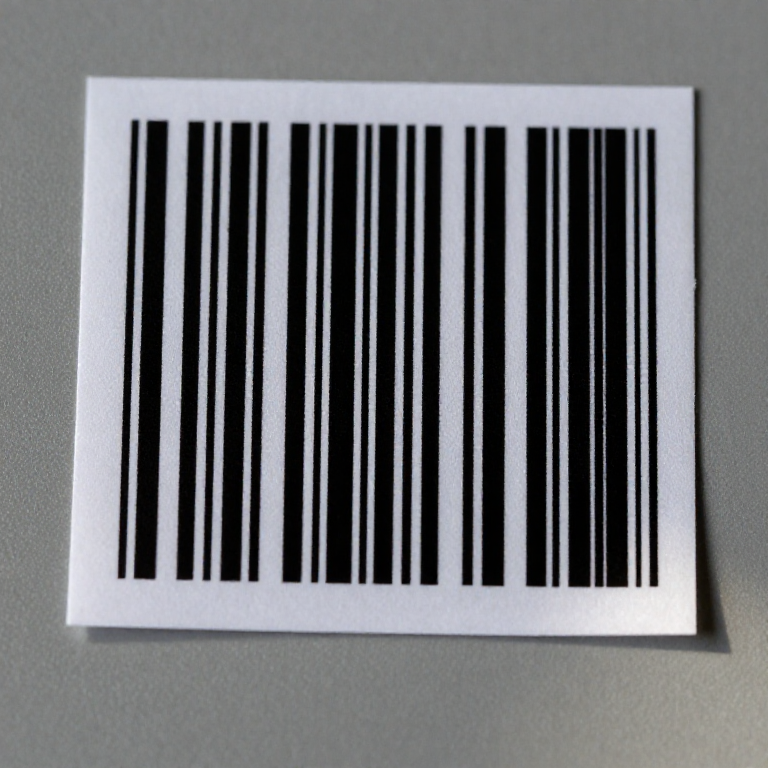


Barcode
A barcode is not a picture of a number. It is a number that has been made readable by a machine which cannot see, cannot align itself, and does not know how far away it is or how fast the label is moving past.
Every design decision follows from those three ignorances. Data is encoded in the RATIO of bar widths rather than their absolute size, so scanning distance stops mattering. Start and stop patterns tell the reader where the code begins and — read in reverse — that it is upside down. A check digit computed from the others catches the misreads that survive.
Norman Woodland and Bernard Silver filed on 20 October 1949 and were granted US Patent 2,612,994, titled "Classifying Apparatus and Method", on 7 October 1952. Their original code was not stripes at all — it was a bullseye of concentric rings, and the reason why is the most interesting part of the design.
ညွှန်ကြားချက်များ
Read US 2,612,994 and note the shape
Read US 2,612,994 and note the shape
Woodland and Silver's code is a bullseye of concentric circles, not parallel bars. Work out why before reading on — the answer is in step 3.
State what the reader does not know
State what the reader does not know
Write down three unknowns: distance, orientation, and speed. Every feature of the encoding exists to remove one of them.
Draw a bullseye code and rotate it
Draw a bullseye code and rotate it
Draw concentric rings and scan a line through the centre from any angle. It reads identically. A bullseye is orientation-independent — that is exactly what it buys.
Now find out why the bullseye lost
Now find out why the bullseye lost
Smudge one edge of your printed bullseye. Ink spread ruins every ring at once, whereas a linear code smears along the bars and can still be read.
Lay out a linear code with wide and narrow bars
Lay out a linear code with wide and narrow bars
Draw a two-width code — narrow and wide bars, narrow and wide gaps. Use Code 39, which encodes each character in nine elements, three of them wide.
ဤအဆင့်အတွက် ကုန်ကြမ်းများ:
 ကတ်ထူပြား2 ရွက်
Encode in ratios, not in millimetres
Encode in ratios, not in millimetres
Make wide elements about 2.5 times the narrow ones. Because the meaning is in the RATIO, the same label reads at any scanning distance or print scale.
လိုအပ်သော ကိရိယာများ:
 ပေတံ
ပေတံAdd distinct start and stop patterns
Add distinct start and stop patterns
Bracket the data with a reserved pattern. The reader uses it to find the code, to time itself, and — if the pattern arrives backwards — to know the label is upside down.
Leave a wide quiet zone at both ends
Leave a wide quiet zone at both ends
Leave blank margins about ten narrow-bars wide. Most real-world scan failures are a missing quiet zone, not a damaged code.
Compute and append a check digit
Compute and append a check digit
Derive a digit from the others by a fixed rule. A single misread bar then produces an arithmetic contradiction rather than a wrong but plausible product.
Print it with hard black on matte white
Print it with hard black on matte white
Contrast is what the sensor measures. Glossy stock reflects the illumination straight back and blinds the reader regardless of how good the code is.
Build a photodiode-and-LED scan head
Build a photodiode-and-LED scan head
Mount an LED and a photodiode side by side facing the label. Dark bars reflect little light and the photodiode output falls — that is the entire sensing principle.
ဤအဆင့်အတွက် ကုန်ကြမ်းများ:
 ဓာတ်ပုံဒိုင်အုတ် (BPW34)1 ခု
 LED အစုံ1 ခု
Sweep the head by hand and record the trace
Sweep the head by hand and record the trace
Draw the head across the code and log the signal. You get a square-ish wave whose transitions are the bar edges.
လိုအပ်သော ကိရိယာများ:
 မာလ်တီမီတာ
Decode by timing between edges, not by absolute width
Decode by timing between edges, not by absolute width
Measure the interval between transitions and compare each against the others. Sweep faster or slower and the ratios are unchanged — which is why hand-scanning works at all.
Damage a code deliberately and watch the check digit earn its place
Damage a code deliberately and watch the check digit earn its place
Ink over part of a bar and rescan. A good reader reports a failure rather than a wrong number — refusing to answer is the correct behaviour.
Compendium — a code for a machine that cannot see
Compendium — a code for a machine that cannot see
The patent. US 2,612,994, "Classifying Apparatus and Method", filed 20 October 1949 and granted 7 October 1952 to Norman J. Woodland and Bernard Silver. The origin is well documented: Silver overheard a food-chain executive asking Drexel Institute for a way to capture product data at checkout. Woodland, sitting on a Miami beach, drew four lines in the sand by extending Morse code's dots and dashes downward into bars — and then wrapped them into a circle so the code could be read from any direction.
Why the bullseye failed anyway. Rotational invariance is genuinely valuable, but circular symbols are hard to print well. Presses smear ink in the direction of travel, and a smear across a bullseye corrupts every ring simultaneously; the same smear along a linear code merely lengthens the bars, which a ratio-based decoder tolerates. When IBM's George Laurer designed the Universal Product Code in the early 1970s he went back to the linear form for exactly this printability reason. The first UPC scan was a packet of Wrigley's chewing gum in Troy, Ohio, on 26 June 1974 — twenty-two years after the patent, and after it had already expired.
Ratio encoding is the deep idea. Absolute measurement requires a known distance and a known speed; a ratio requires neither. By carrying meaning in the relationship between adjacent elements, the code becomes invariant to scale and to scan velocity, and a hand-swiped wand works as well as a fixed slot scanner. Start and stop patterns supply framing and direction; the quiet zone supplies a reference for what white means; the check digit converts a plausible misread into a detected error. Each mechanism removes one specific unknown, and that decomposition is worth studying on its own.
Neither inventor profited. Silver died in 1963, before the technology was adopted. Woodland and Silver sold the patent to Philco in 1962 for a reported 15,000 dollars, and it expired long before supermarket scanning became universal. The most economically consequential identification system of the twentieth century made almost nothing for the people who invented it — a recurring pattern in this programme, and a reason to read patent dates against adoption dates rather than assuming they coincide.
ပစ္စည်းများ
3- 2 ရွက်နေရာယူပစ္စည်း
- နေရာယူပစ္စည်း
- 1 ခုနေရာယူပစ္စည်း
ဆက်စပ် အစီအစဉ်များ
ဤအစီအစဉ်များသည် အသိပညာမျှဝေသည် — နည်းပညာ၊ ပစ္စည်း သို့မဟုတ် မူများ
CC0 အများပိုင်
ဤအစီအစဉ်ကို CC0 အောက်တွင် ထုတ်ဝေထားသည်။ ခွင့်ပြုချက်မလိုဘဲ ကူးယူ၊ ပြင်ဆင်၊ ဖြန့်ဝေ နှင့် အသုံးပြုနိုင်သည်။
အစီအစဉ်မှတစ်ဆင့် ကုန်ပစ္စည်းများဝယ်ယူ၍ လက်မှုပညာရှင်ကို ပံ့ပိုးပါ လက်မှုပညာရှင် ကော်မရှင် ရောင်းချသူက သတ်မှတ်သည်၊ သို့မဟုတ် ဤအစီအစဉ်၏ ဗားရှင်းအသစ်ဖန်တီး၍ ဝင်ငွေခွဲဝေရန် သင့်အစီအစဉ်တွင် ချိတ်ဆက်မှုအဖြစ် ထည့်သွင်းပါ။