အနုပညာ
အလှအပနှင့် ကျန်းမာရေး
လက်မှုအနုပညာ
ယဉ်ကျေးမှုနှင့် သမိုင်း
ဖျော်ဖြေရေး
ပတ်ဝန်းကျင်
အစားအစာနှင့် အချိုရည်
စိမ်းလန်းသောအနာဂတ်
ပြောင်းပြန်အင်ဂျင်နီယာပညာ
သိပ္ပံပညာများ
အားကစား
နည်းပညာ
ဝတ်ဆင်နိုင်သောပစ္စည်းများ
Chamomile Tea as Medicine — The Ancient Flower Infusion for Calm and Digestion
Bob

ဖန်တီးသူ

Bob

30. မေ 2026BE

Chamomile Tea as Medicine — The Ancient Flower Infusion for Calm and Digestion

Chamomile is one of the oldest medicinal herbs known to humanity. German chamomile (Matricaria chamomilla) has been used therapeutically for over five thousand years — the ancient Egyptians dedicated it to their sun god Ra, Hippocrates prescribed it for fevers and inflammation, and Anglo-Saxon herbalists listed it among their Nine Sacred Herbs. The name itself comes from the Greek 'khamaimelon' meaning 'earth apple', describing the apple-like fragrance released when the flowers are crushed. The flower heads contain a complex of active compounds: bisabolol (anti-inflammatory), chamazulene (which gives the essential oil its distinctive blue colour), and apigenin (a flavonoid that binds to benzodiazepine receptors in the brain, producing mild sedative and anxiolytic effects). These compounds make chamomile effective for digestive complaints — bloating, mild cramps, nausea — and as a gentle sleep aid. Chamomile grows wild across Europe, western Asia, and has naturalised on every inhabited continent, thriving in disturbed soils, field margins, and roadsides. It is one of the safest medicinal herbs and remains listed in the pharmacopoeias of over twenty-six countries. This blueprint covers identification, harvesting, drying, and preparing chamomile as a medicinal infusion.

အစပြု
30-60 minutes (preparation); 1-2 weeks (drying)

ညွှန်ကြားချက်များ

1

Identify German chamomile in the field

German chamomile (Matricaria chamomilla) grows 15-60 cm tall with finely divided, feathery leaves and small daisy-like flower heads. The key identification feature is the flower centre: cut a flower head in half lengthwise — German chamomile has a hollow, conical receptacle. Scentless mayweed (Tripleurospermum inodorum) looks nearly identical but has a solid centre and no apple fragrance. Roman chamomile (Chamaemelum nobile) also has a solid centre and grows as a low creeping mat rather than upright. Crush a flower between your fingers — true German chamomile releases a distinctive sweet, apple-like scent. The plant favours disturbed ground: field edges, roadsides, garden margins, and wasteland across temperate regions worldwide.
2

Harvest flower heads at peak bloom

Pick chamomile flowers when the white ray petals are fully open and horizontal or just beginning to reflex slightly backward — this is when the concentration of essential oils in the flower head is highest. Harvest in the morning after dew has dried but before the midday sun causes volatile oils to evaporate. Snip or pinch each flower head from its stem just below the base of the flower. The stems contain negligible active compounds and add unwanted bitterness. Collect into an open basket to avoid crushing — bruised flowers begin to lose volatile compounds immediately.

Tools needed:

Sharp ScissorsSharp Scissors
Wicker Harvest BasketWicker Harvest Basket
3

Clean and sort the harvested flowers

Spread the freshly harvested flower heads on a clean cloth and inspect them. Remove any remaining stem fragments, leaves, insects, or damaged flowers. Discard any flower heads that are brown, wilted, or show signs of mould. Do not wash the flowers — water removes essential oils from the surface and encourages mould during drying. If the flowers were harvested from a clean area away from roads and untreated with pesticides, they need only visual inspection.
4

Dry the chamomile flowers

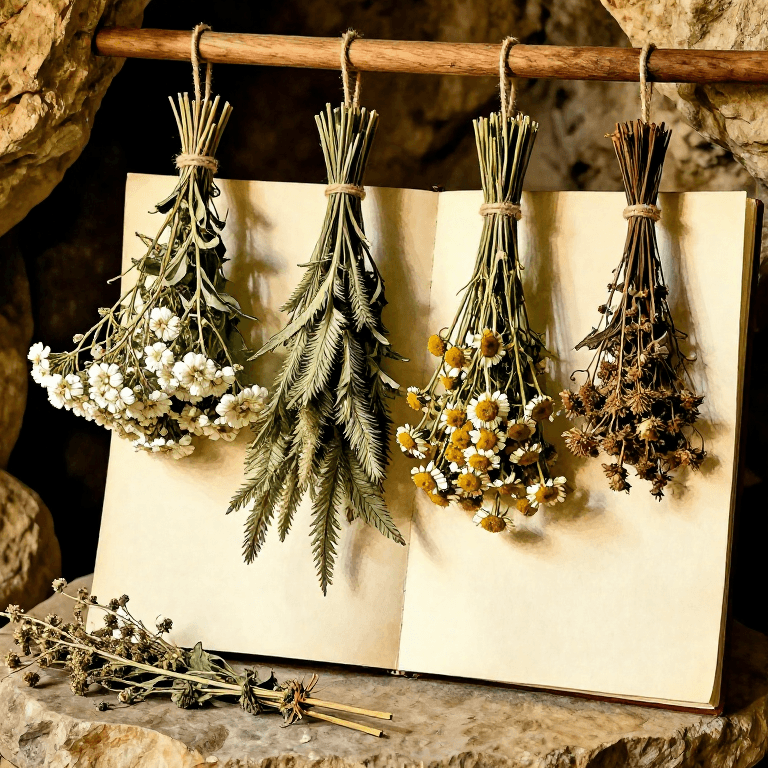
Spread the cleaned flower heads in a single layer on a drying rack lined with clean cloth. Place the rack in a warm, dry, well-ventilated area out of direct sunlight — a covered porch, attic, or shaded outdoor area with good airflow works well. Direct sunlight degrades the essential oils, particularly bisabolol, which is the primary anti-inflammatory compound. Turn the flowers gently every two to three days to ensure even drying. The flowers are fully dry when they feel papery, light, and crumble easily between your fingers. This takes one to two weeks depending on humidity and temperature.

Tools needed:

Drying Rack (Well-Ventilated)Drying Rack (Well-Ventilated)
Clean Cotton ClothClean Cotton Cloth
5

Store dried chamomile in an airtight container

Transfer the fully dried flowers to an opaque, airtight container — a ceramic jar with a tight-fitting lid or a dark glass jar. Light and air are the two enemies of dried herbs: light breaks down chamazulene and apigenin, while air oxidises the volatile oils. Store in a cool, dark place such as a cupboard or pantry. Label the container with the date of harvest. Properly stored dried chamomile retains its full medicinal potency for approximately one year. After one year, the essential oil content drops significantly — the flowers still make a pleasant tea but with reduced therapeutic effect.

Materials for this step:

Ceramic Storage Jar with LidCeramic Storage Jar with Lid1 ခု
6

Measure dried flowers for a medicinal infusion

For a standard medicinal dose, use one to two tablespoons (two to four grams) of dried chamomile flower heads per 250 ml cup of water. A heaping tablespoon is appropriate for most uses. For a stronger preparation — such as a sleep aid taken before bed — use up to three tablespoons. Fresh flowers can also be used: substitute roughly three times the volume of dried flowers, as fresh material contains water weight. Place the measured flowers directly into your drinking vessel.

Materials for this step:

Dried Chamomile FlowersDried Chamomile Flowers4 ဂရမ်
7

Heat water to the correct temperature

Heat clean water until steam rises steadily from the surface but before it reaches a rolling boil — approximately 80 to 90 degrees Celsius. Boiling water at 100 degrees Celsius degrades some of the more delicate volatile compounds, particularly bisabolol and the lighter terpenoids that contribute to the calming effect. If the water reaches a full boil, simply remove it from the heat and wait thirty seconds to one minute before pouring. The temperature does not need to be exact — the goal is hot but not violently boiling water.

Materials for this step:

Clean WaterClean Water250 မီလီ

Tools needed:

Large Cooking PotLarge Cooking Pot
Fire StarterFire Starter
8

Steep the chamomile flowers

Pour the hot water over the chamomile flowers in the drinking vessel. Immediately cover the vessel with a lid, flat stone, or cloth — this is important because the volatile essential oils evaporate with the steam. Covering the vessel traps the steam, which condenses and drips back into the infusion, retaining the medicinal compounds. Steep for five to ten minutes. A five-minute steep produces a mild, pleasant tea suitable for everyday digestive support. A ten-minute steep extracts more of the bitter compounds and apigenin, producing a stronger sedative effect for sleep.

Tools needed:

Drinking BowlDrinking Bowl
9

Strain the infusion and serve

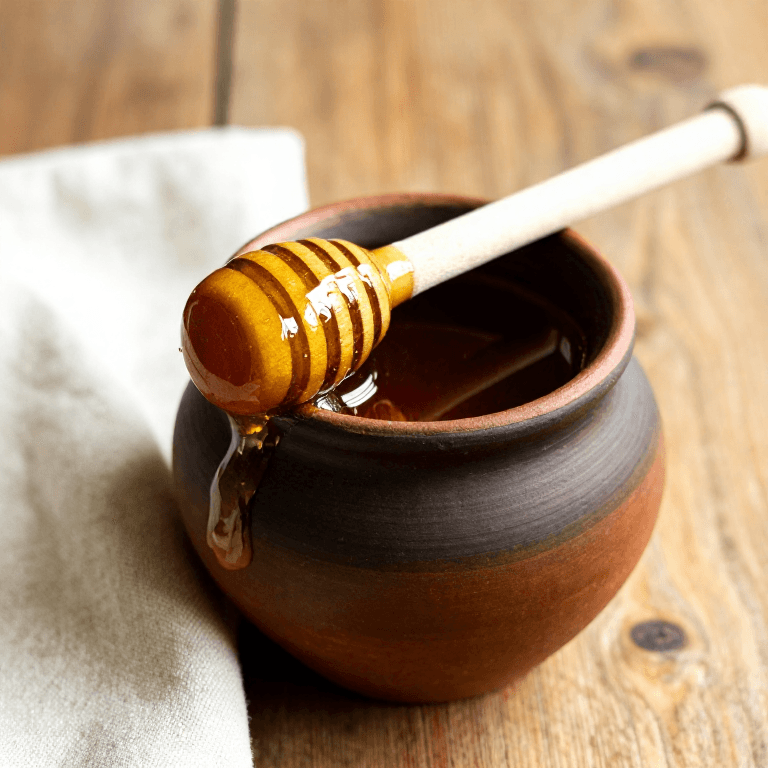
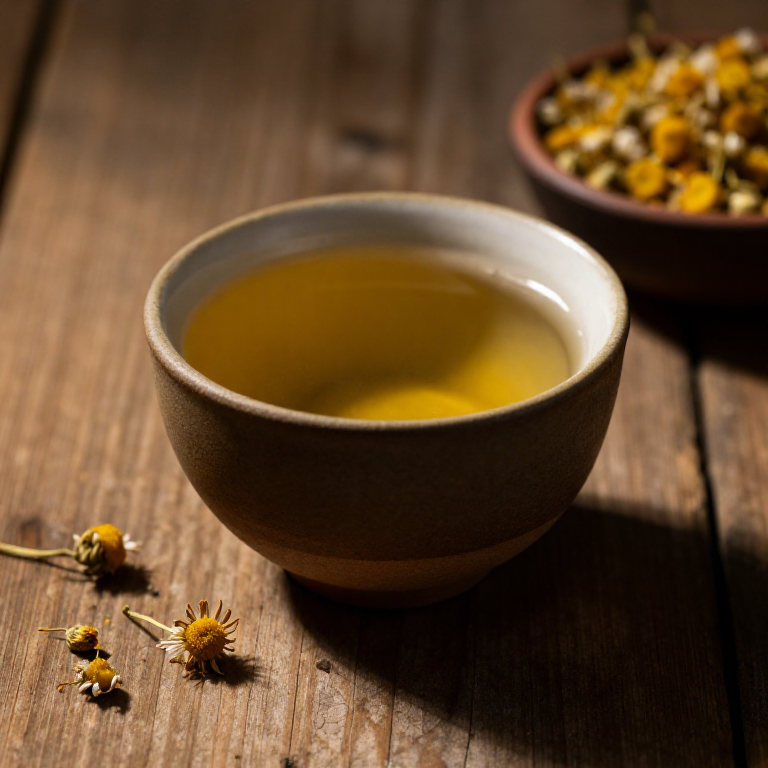
Pour the infusion through a fine mesh strainer or muslin cloth into a clean cup to remove the spent flower material. The tea should be a clear golden-yellow colour with a mild, sweet, apple-like aroma. If desired, stir in a small amount of honey to taste — honey complements chamomile and contributes its own mild antimicrobial properties. Drink the tea warm, not scalding. The spent flowers can be composted or applied as a mild skin wash for minor irritation.

Materials for this step:

HoneyHoney1 ဇွန်းကြီး

Tools needed:

Fine Mesh StrainerFine Mesh Strainer
10

Understand medicinal dosage and applications

For digestive relief — bloating, mild cramps, nausea, or indigestion — drink one cup of chamomile tea after meals, up to three times daily. For sleep support and mild anxiety, drink one strong cup (ten-minute steep with extra flowers) thirty to sixty minutes before bed. As an external wound wash, prepare a concentrated infusion with double the flowers, cool to room temperature, and use to clean minor cuts, abrasions, or skin irritation — the bisabolol and chamazulene provide anti-inflammatory and mild antiseptic action. Chamomile is one of the safest medicinal herbs, but people with known allergies to ragweed, chrysanthemums, marigolds, or other plants in the Asteraceae (daisy) family may experience cross-allergic reactions. If unsure, test with a small sip and wait one hour before drinking a full cup.

ပစ္စည်းများ

4

လိုအပ်သော ကိရိယာများ

8

Connected Blueprint Materials

CC0 အများပိုင်

ဤအစီအစဉ်ကို CC0 အောက်တွင် ထုတ်ဝေထားသည်။ ခွင့်ပြုချက်မလိုဘဲ ကူးယူ၊ ပြင်ဆင်၊ ဖြန့်ဝေ နှင့် အသုံးပြုနိုင်သည်။

အစီအစဉ်မှတစ်ဆင့် ကုန်ပစ္စည်းများဝယ်ယူ၍ ဖန်တီးသူကို ပံ့ပိုးပါ ဖန်တီးသူ ကော်မရှင် ရောင်းချသူက သတ်မှတ်သည်၊ သို့မဟုတ် ဤအစီအစဉ်၏ ဗားရှင်းအသစ်ဖန်တီး၍ ဝင်ငွေခွဲဝေရန် သင့်အစီအစဉ်တွင် ချိတ်ဆက်မှုအဖြစ် ထည့်သွင်းပါ။

ဆွေးနွေးချက်

(0)

ဝင်ရောက် ဆွေးနွေးချက်တွင် ပါဝင်ရန်

Loading comments...