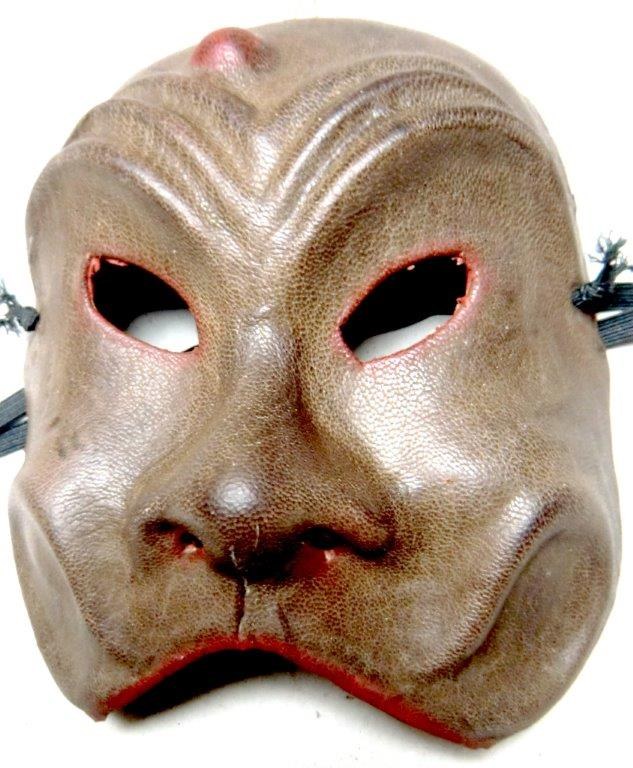


Commedia Leather Mask
A commedia mask is not a covering. It is a face the actor has to act through — half a face, leaving the mouth free, so the voice carries and the jaw still works. And because the leather is moulded to a carved wooden face rather than cast in a soft material, it holds its expression under stage light and survives being worn eight times a week.
The technique is a wet-forming one. Vegetable-tanned leather is soaked until it is limp, nailed over a carved wooden positive, then beaten with a blunt hammer and pushed with wooden sticks into every hollow until it dries hard in that shape. Leather that dries under tension keeps the shape permanently — the same property that makes a hardened leather cup or a scabbard hold its form.
The wooden mould is most of the work, and it is reusable. The first mask takes a week. The second takes a day.
ညွှန်ကြားချက်များ
Measure the wearer's face
Measure the wearer's face
Measure the distance between the pupils, from brow to nose tip, and across the cheekbones. The mould is carved to these numbers — a mask that misses the eye spacing is unwearable no matter how good it looks.
လိုအပ်သော ကိရိယာများ:
 ပေတံ
ပေတံCarve the wooden positive
Carve the wooden positive
Carve a solid face in lime or another close-grained wood, oversize by the leather thickness. This is a positive mould: the leather goes over the outside of it.
ဤအဆင့်အတွက် ကုန်ကြမ်းများ:
 ထွင်းထုရန် ဘတ်စ်ဝုဒ်သစ်သားတုံး1 ခု
လိုအပ်သော ကိရိယာများ:
 သစ်သားထွင်းဂေါက်အစုံ
Exaggerate the character features
Exaggerate the character features
Carve the defining feature well past life size — the hooked nose of Pantalone, the low brow and blunt snout of a Zanni. From ten metres a subtle face reads as no face at all.
Keep every hollow shallow enough to release
Keep every hollow shallow enough to release
Check that no undercut traps the leather. Anything the leather can wrap behind will not come off the mould without tearing — a deep nostril or an overhung brow has to be opened up now.
Sand the mould smooth
Sand the mould smooth
Sand the whole face; every tool mark prints into the leather. Wax the mould lightly so wet leather releases cleanly.
လိုအပ်သော ကိရိယာများ:
 သဲစက္ကူ
Cut vegetable-tanned leather oversize
Cut vegetable-tanned leather oversize
Cut a piece of 2-3 mm vegetable-tanned cowhide with 50 mm spare all round for nailing. It must be vegetable-tanned — chrome-tanned leather will not set hard when it dries.
ဤအဆင့်အတွက် ကုန်ကြမ်းများ:
 အပင်ဓာတ်ဖြင့်နယ်ထားသော သားရေအစ1 ခု
Soak the leather until limp
Soak the leather until limp
Soak the piece in cool water until it is uniformly floppy and no bubbles rise, typically an hour or more. Half-wet leather forms unevenly and cracks over the nose.
Nail the leather over the mould
Nail the leather over the mould
Lay the wet leather over the face and tack the waste margin to the back of the mould, working alternately from opposite sides so the tension stays even.
Beat it down with a blunt hammer
Beat it down with a blunt hammer
Work the leather into the form with a horn or hardwood hammer, striking flat and often rather than hard. The blows compress and stretch the fibres into the shape — a steel hammer face cuts the surface.
Push the detail in with wooden sticks
Push the detail in with wooden sticks
Press the leather into the eye sockets, the nostril wings and the cheek hollows with shaped wooden sticks. This is where the expression is actually made.
Dry on the mould
Dry on the mould
Leave it nailed to the mould in a warm airy place until bone dry, a day or two. Taking it off early loses the shape; forcing it with heat makes the leather brittle and dark.
Cut the eye openings
Cut the eye openings
Mark the pupil positions from your measurements and cut the eye holes. Cut them slightly small and open them up on the wearer — an oversize eye hole cannot be undone.
လိုအပ်သော ကိရိယာများ:
 ခွဲစိတ်ဓား
Open the nostrils and trim the edge
Open the nostrils and trim the edge
Cut the nostril openings for breathing and trim the mask to its outline, leaving the mouth and jaw completely free.
Skive the rim thin
Skive the rim thin
Pare the edge down to about a millimetre all round so it lies against the face without a hard line. A thick rim leaves a red mark on the wearer within twenty minutes.
Fit a wire in the rim
Fit a wire in the rim
Run a fine wire round the inside of the edge and fix it down. It stiffens the rim, keeps the outline from curling and is how the traditional masks are finished.
ဤအဆင့်အတွက် ကုန်ကြမ်းများ:
 သံမဏိကြိုးသံ1 မီတာ
Colour and wax
Colour and wax
Colour the leather and polish it with wax. Traditional commedia masks are dark browns and blacks with a low sheen — a matt mask disappears under stage light and a glossy one flares.
ဤအဆင့်အတွက် ကုန်ကြမ်းများ:
 ပျားဖယောင်းစေ့20 ဂရမ်
Fit and test in movement
Fit and test in movement
Tie the mask on with cord or elastic and have the wearer speak and move in it. Check the field of view, that the jaw is free, and that it stays put when the head turns fast. Adjust the eye holes last.
History & Context
History & Context
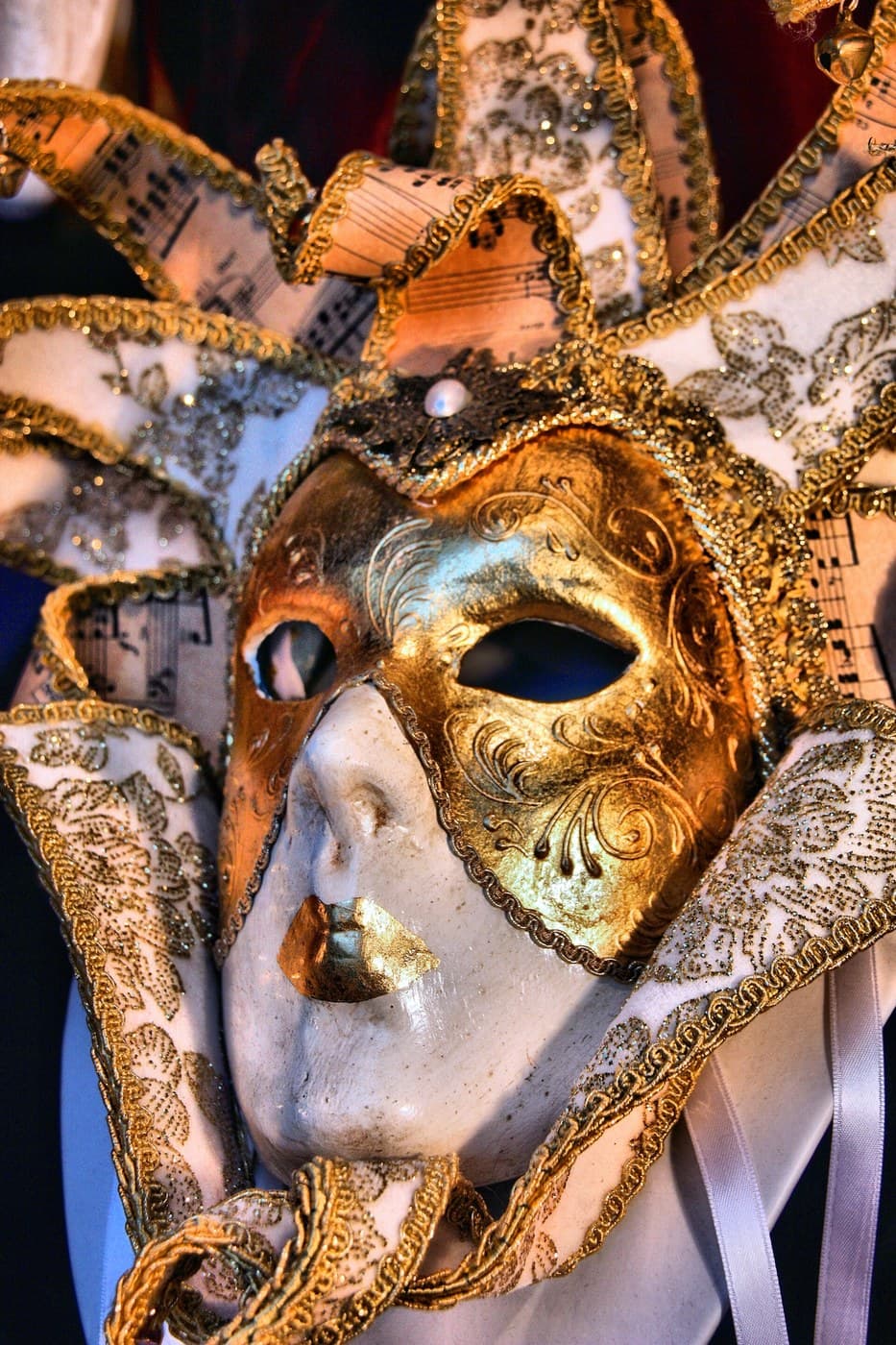
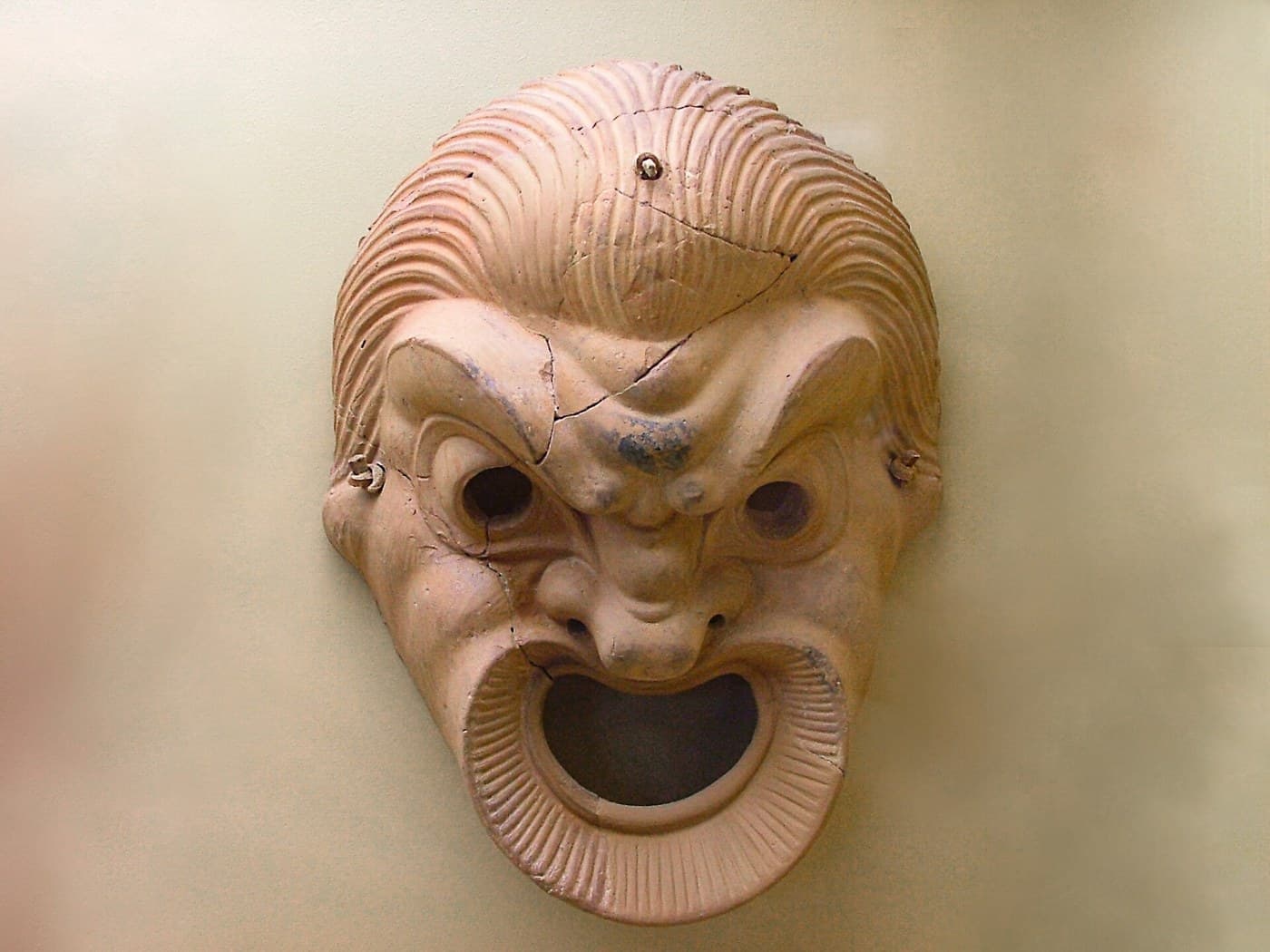
What the half mask is for. Commedia dell'arte grew up in sixteenth-century Italy as professional improvised theatre built on fixed types — Arlecchino, Pantalone, il Dottore, the Zanni. The mask makes the type recognisable across a market square at once, and the half-mask form leaves the mouth open so the actor can be heard and can change expression with the jaw. The mask does not hide the actor; it fixes the character so the actor can improvise everything else.
Leather because leather works. Wet vegetable-tanned leather beaten over a form and dried under tension keeps that shape indefinitely, breathes, absorbs sweat and weighs very little. It is the same behaviour that produced hardened leather bottles and armour. A papier-mâché mask is cheaper and lighter to make; it also softens with sweat and dies in a season of hard use.
The revival is recent and named. The living tradition of leather mask making had largely lapsed by the twentieth century. Amleto Sartori (1915–1962), a sculptor from Padua, reconstructed the technique of forming leather on carved wooden moulds and made masks for the theatre companies that revived commedia after the war. His son Donato Sartori (1939–2016) continued the work. Most leather commedia masks made today descend from that reconstruction — which is worth stating plainly: it is a revived craft with a documented modern chain, not an unbroken line from the Renaissance.
Wood, not clay, as the mould. A carved wooden positive is hard enough to beat leather against for years and precise enough to reproduce a character exactly. Sculptors of masks traditionally carve the mould as the artwork; the leather masks pulled from it are, in a sense, editions of a sculpture.
ပစ္စည်းများ
4- နေရာယူပစ္စည်း
- နေရာယူပစ္စည်း
- 1 မီတာနေရာယူပစ္စည်း
- 20 ဂရမ်နေရာယူပစ္စည်း
ဤဘလူးပရင့်က ပြုလုပ်သည်

ဆက်စပ် အစီအစဉ်များ
ဤအစီအစဉ်များသည် အသိပညာမျှဝေသည် — နည်းပညာ၊ ပစ္စည်း သို့မဟုတ် မူများ

CC0 အများပိုင်
ဤအစီအစဉ်ကို CC0 အောက်တွင် ထုတ်ဝေထားသည်။ ခွင့်ပြုချက်မလိုဘဲ ကူးယူ၊ ပြင်ဆင်၊ ဖြန့်ဝေ နှင့် အသုံးပြုနိုင်သည်။
အစီအစဉ်မှတစ်ဆင့် ကုန်ပစ္စည်းများဝယ်ယူ၍ လက်မှုပညာရှင်ကို ပံ့ပိုးပါ လက်မှုပညာရှင် ကော်မရှင် ရောင်းချသူက သတ်မှတ်သည်၊ သို့မဟုတ် ဤအစီအစဉ်၏ ဗားရှင်းအသစ်ဖန်တီး၍ ဝင်ငွေခွဲဝေရန် သင့်အစီအစဉ်တွင် ချိတ်ဆက်မှုအဖြစ် ထည့်သွင်းပါ။