အနုပညာ
အလှအပနှင့် ကျန်းမာရေး
လက်မှုအနုပညာ
ယဉ်ကျေးမှုနှင့် သမိုင်း
ဖျော်ဖြေရေး
ပတ်ဝန်းကျင်
အစားအစာနှင့် အချိုရည်
ပြောင်းပြန်အင်ဂျင်နီယာပညာ
သိပ္ပံပညာများ
အားကစား
နည်းပညာ
ဝတ်ဆင်နိုင်သောပစ္စည်းများ
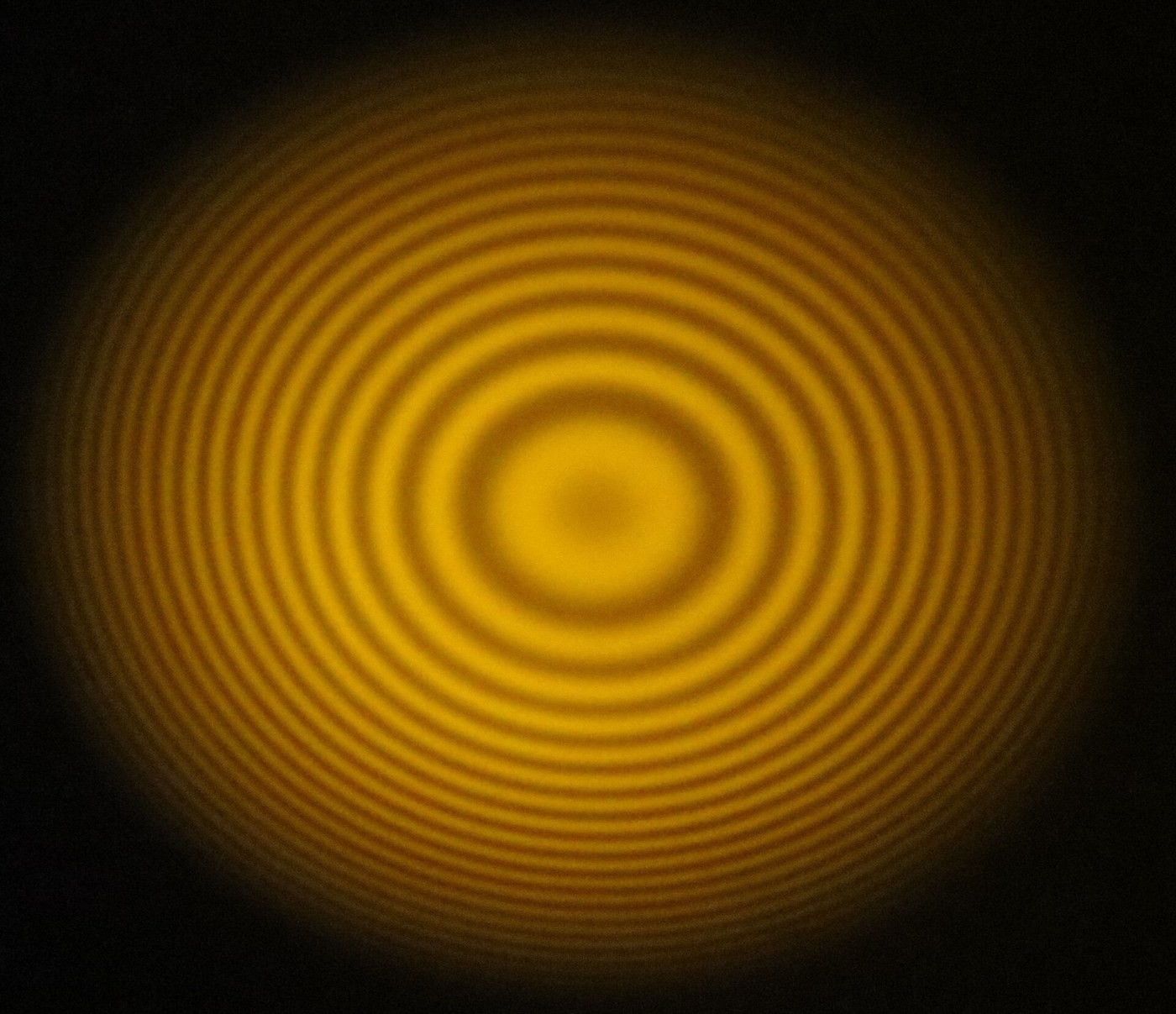

The Fabry-Perot Optical Cavity
Charles Fabry and Alfred Perot built their interferometer in 1899 to measure wavelengths more precisely than a prism could. Two partly-reflecting surfaces facing each other, and light bouncing between them until only the wavelengths that come back in step survive.
For sixty years it was a spectroscopist's instrument. Then in 1958 Arthur Schawlow and Charles Townes wrote the paper that turned it into the other half of every laser ever built. Their problem was this: a microwave maser uses a closed metal cavity sized to the wavelength. At optical wavelengths that cavity would be a few hundred nanometres across and would support an unusable forest of modes. Their answer was to stop trying to close it. Two mirrors facing each other, open at the sides, throw away everything travelling off-axis and keep a clean comb of frequencies spaced by c/2L.
That is why every laser in this batch has mirrors, and why the diode's cleaved facets count as mirrors too. Before you can understand any laser you have to understand the box.
This blueprint is fully buildable. You will make an etalon out of a microscope slide, find the fringes, measure the free spectral range against a caliper reading, and measure the finesse from the sharpness of a fringe. Two numbers, two independent causes: length sets the spacing, mirrors set the sharpness.
အလယ်အလတ်
3 hours
ညွှန်ကြားချက်များ
1
1
Make an etalon and find the fringes
Make an etalon and find the fringes
Clean one microscope slide with isopropyl alcohol and let it dry. Hold it at a slight angle in the beam of a class-2 red laser pointer, about 2 m from a white wall. Wear the safety glasses; never look along the beam.
You will see a set of nested rings or straight bars on the wall. That is the slide's two surfaces acting as a low-reflectivity Fabry-Perot etalon: R is only about 0.04 per surface, so the fringes are broad, but they are there.
Measure the slide thickness with the caliper to 0.01 mm. Record it — it is the L in the free spectral range and it enters linearly.
ဤအဆင့်အတွက် ကုန်ကြမ်းများ:
 မိုက်ခရိုစကုပ်မှန်ပြားနှင့် အဖုံးမှန်1 ထုပ်
လိုအပ်သော ကိရိယာများ:
 လေဆာ ညွှန်တံ
 လေဆာ ဘေးကင်းရေးမျက်မှန်
 ဒစ်ဂျစ်တယ် ကာလီပါ ၆ လက်မ
 အိုင်ဆိုပရိုပိုင် အရက်ပြန် ၉၉ %
2
2
Two mirrors on a rail
Two mirrors on a rail
Mount two front-surface mirrors on the optical bench carriers, facing each other, 100 mm apart. Set them parallel: walk the adjustment until the reflected spots from the laser overlap after several passes.
Drill or leave a 2 mm gap at the edge so you can inject the beam at a shallow angle and watch the multiple reflections walk along the mirrors. Count them. The number of visible passes before the spot dies away is a direct, crude measurement of the round-trip loss: after N passes the intensity is R^(2N).
Do not silver the mirrors or use back-surface household mirrors. A back-surface mirror gives you two reflections offset by the glass thickness and the fringes turn to mush.
လိုအပ်သော ကိရိယာများ:
 ရှေ့မျက်နှာပြင် မှန်
 အလင်းသိပ္ပံ ခုံတန်း အစုံလေဆာ ညွှန်တံလေဆာ ဘေးကင်းရေးမျက်မှန်ဒစ်ဂျစ်တယ် ကာလီပါ ၆ လက်မ
3
3
Free spectral range and finesse
Free spectral range and finesse
Jupyter မှတ်စုစာအုပ် ဖွင့်နေသည်…
လိုအပ်သော ကိရိယာများ:
 စားပွဲတင်ကွန်ပျူတာ
4
4
Measure the fringe sharpness
Measure the fringe sharpness
Put the photodiode behind a 0.5 mm slit on a carrier and slide it across the fringe pattern, reading the current on the oscilloscope or the multimeter every millimetre.
Plot intensity against position. Finesse is the fringe SPACING divided by the fringe WIDTH at half maximum. For your slide etalon expect a finesse near 0.7 — barely more than one, which is the honest answer for 4 % mirrors and exactly what the notebook predicts.
Repeat with the two front-surface mirrors, which are around 90 % reflective. The finesse should climb to roughly 30. Same measurement, same instrument, one variable changed.
လိုအပ်သော ကိရိယာများ:
 ဓာတ်ပုံဒိုင်အုတ် (BPW34)
 ဒစ်ဂျစ်တယ် အိုစီလိုစကုပ်
 ဓာတ်ခွဲခန်းအဆင့် ဒစ်ဂျစ်တယ် မာလ်တီမီတာအလင်းသိပ္ပံ ခုံတန်း အစုံ
5
5
Compendium: why the box decides everything
Compendium: why the box decides everything
WHY OPEN AND NOT CLOSED. A closed cavity of volume V supports about 8 pi V nu^2 dnu / c^3 modes. At 500 nm in a 1 cm cube that is astronomically many, and an amplifier would try to oscillate on all of them at once. Removing the side walls means only rays that stay very nearly on-axis survive many round trips. The mode count collapses to a comb.
STABILITY. Two flat mirrors is the hardest case to align, because any tilt walks the beam out sideways. Real lasers curve at least one mirror. The condition is 0 <= (1-L/R1)(1-L/R2) <= 1. A confocal cavity, where both radii equal the length, sits comfortably inside it and is far more forgiving to align.
COMMON MISTAKES. Back-surface mirrors give doubled fringes. A dirty slide scatters more than it transmits. A laser pointer whose coherence length is under a millimetre will not produce fringes on a 1 mm etalon at all — if you see nothing, that is the likely cause, and it is the same coherence length that governs holography later in this batch.
WHAT COMES NEXT. Every laser in this batch is an amplifier inside one of these. The amplifier decides the wavelength band; the cavity decides which frequencies inside that band are allowed and how much light leaks out per pass. Gain must exceed that leak. That inequality is the whole of laser physics and you have just measured its right-hand side.
ပစ္စည်းများ
1- နေရာယူပစ္စည်း
လိုအပ်သော ကိရိယာများ
10- နေရာယူပစ္စည်း
- နေရာယူပစ္စည်း
- နေရာယူပစ္စည်း
- နေရာယူပစ္စည်း
- နေရာယူပစ္စည်း
- နေရာယူပစ္စည်း
- နေရာယူပစ္စည်း
- နေရာယူပစ္စည်း
- 1 vendor sell this, none ship to you yetနေရာယူပစ္စည်း
- နေရာယူပစ္စည်း
ဆက်စပ် အစီအစဉ်များ
ဤအစီအစဉ်များသည် အသိပညာမျှဝေသည် — နည်းပညာ၊ ပစ္စည်း သို့မဟုတ် မူများ
Cutting and Polishing a Glass Prism — The Instrument That Splits White Light into Colours
Penny မှ
အာကာသ
၅၆
၀
၀
၀
၀
၀
Snell's Law — Measure How Light Bends (Laser and Protractor)
Penny မှ
ရူပဗေဒ
၄၄
၀
၀
၀
၀
၀
Building a Simple Spectroscope — Splitting Starlight into Its Rainbow of Elements
Astro မှ
အာကာသ
၅၃
၀
၀
၀
၀
၀
Achromatic Lens
Penny မှ
ရူပဗေဒ
၄၅
၀
၀
၀
၀
၀
CC0 အများပိုင်
ဤအစီအစဉ်ကို CC0 အောက်တွင် ထုတ်ဝေထားသည်။ ခွင့်ပြုချက်မလိုဘဲ ကူးယူ၊ ပြင်ဆင်၊ ဖြန့်ဝေ နှင့် အသုံးပြုနိုင်သည်။
အစီအစဉ်မှတစ်ဆင့် ကုန်ပစ္စည်းများဝယ်ယူ၍ လက်မှုပညာရှင်ကို ပံ့ပိုးပါ လက်မှုပညာရှင် ကော်မရှင် ရောင်းချသူက သတ်မှတ်သည်၊ သို့မဟုတ် ဤအစီအစဉ်၏ ဗားရှင်းအသစ်ဖန်တီး၍ ဝင်ငွေခွဲဝေရန် သင့်အစီအစဉ်တွင် ချိတ်ဆက်မှုအဖြစ် ထည့်သွင်းပါ။