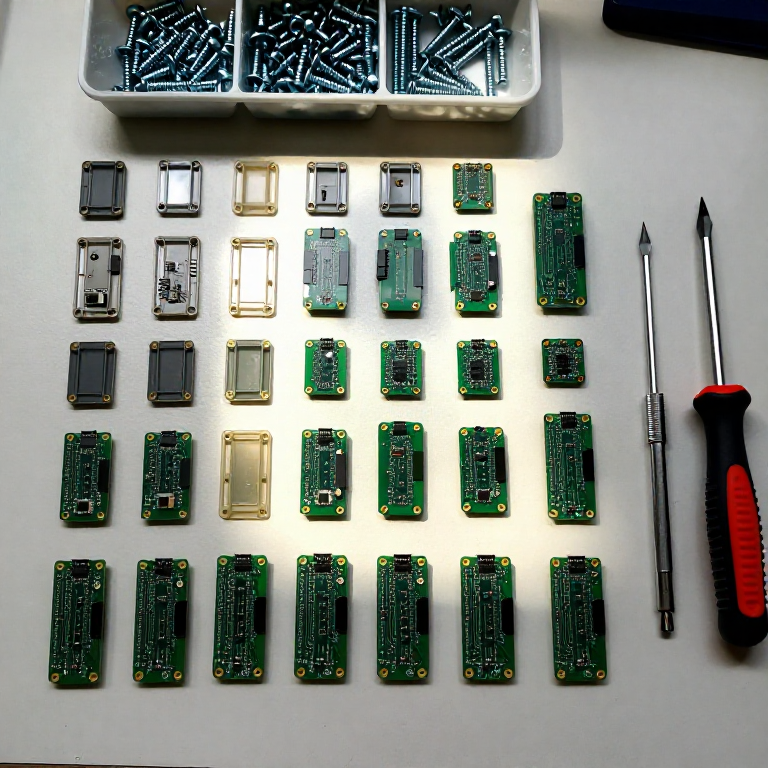


Product Teardown
A teardown is the systematic disassembly of a manufactured object to find out how it was made, what it is made of, what it cost, and how long it was intended to last. It is the closest thing making has to reading, and every part carries an argument the designer was having with cost, time and physics.
Done properly it answers questions you cannot get any other way. How many parts is it? Part count is the strongest single predictor of assembly cost. How is it held together? Screws mean it was meant to be opened; snap fits mean cheap and fast; ultrasonic welding or glue means it was never meant to be opened at all, and that is a deliberate decision about repair. Where is the expensive bit? Usually one component, and the rest of the design is arranged around protecting and cooling it.
The discipline is documentation. A teardown you cannot reassemble and cannot describe afterwards is just breakage. Photograph before every step, bag and label every fastener with where it came from, and write the order down — screws of three lengths that all look identical is the standard trap.
Pick something dead and cheap, and read it.
ညွှန်ကြားချက်များ
Document it whole, before touching a screw
Document it whole, before touching a screw
Photograph every face. Record make, model, any date codes, mass, and overall dimensions. Note every visible fastener and seam.
Write down what you predict is inside.
The prediction is the point. A teardown where you find what you expected teaches less than one where you were wrong, and you can only be wrong on record if you wrote it down first.
လိုအပ်သော ကိရိယာများ:
 ဒစ်ဂျစ်တယ် ကာလီပါ ၆ လက်မ
 ဒစ်ဂျစ်တယ် မီးဖိုချောင်ချိန်ခွင်
 ရာသီဥတုအမျိုးမျိုးခံ ကွင်းဆင်းမှတ်စုစာအုပ်
Find the fasteners, including the hidden ones
Find the fasteners, including the hidden ones
Look under rubber feet, under labels, behind badges and inside battery compartments. Identify each head type — Phillips, Torx, tri-point, pentalobe.
Count them.
An unusual head is a message. Security fasteners are a deliberate statement that the manufacturer does not intend the owner to open the product, and noting which ones a company chooses is itself a finding.
လိုအပ်သော ကိရိယာများ:
 တိကျသော ဝက်အူလှည့်အစုံ
 ပလတ်စတစ် ဖြဲကိရိယာ
 ဖြဲကိရိယာ
 လုံခြုံရေးဓားသွားအစုံ (Torx, Tri-Point, Pentalobe)
Open it without breaking the clips
Open it without breaking the clips
Work a plastic spudger into the seam and travel along it, releasing snap fits one at a time rather than levering the case apart.
Photograph each layer as it comes free, and bag and label the fasteners per step.
Metal tools mark plastic permanently and cut cables you cannot see. The point of a plastic tool is that it fails before the product does.
လိုအပ်သော ကိရိယာများ:
 လျှပ်စစ်ငြိမ်ကာ အစိတ်အပိုင်း ဗန်းအစုံ
Build the bill of materials
Build the bill of materials
Lay every part out in disassembly order and tabulate: name, material, likely process, and fastening method.
Count the total.
Then mark which parts are bought-in standard components and which are custom-tooled.
That ratio is the design's economics in one number — custom parts need tooling and volume, bought-in parts do not, and the split tells you the production run the designer was planning for.
Read the circuit board
Read the circuit board
Photograph both sides at high resolution. Identify the largest chip, the power input, and any connectors. Look for test points, unpopulated footprints and a silkscreen version number.
Measure supply voltages with a multimeter if it is safe and unpowered work is not possible.
Unpopulated footprints are the fossil record of the design — features that were planned, prototyped and cut, and often the same board serves several models with parts left off.
လိုအပ်သော ကိရိယာများ:
 ဒစ်ဂျစ်တယ် မာလ်တီမီတာ — အလိုအလျောက် အတိုင်းအတာ၊ စစ်မှန်သော RMS
 ချဲ့ကြည့်မှန်
Score it for repairability, then put it back together
Score it for repairability, then put it back together
Score the product: are fasteners standard? Is the battery replaceable without heat or solvent? Are wear parts accessible? Is anything glued that need not be?
Then reassemble it from your photographs and labelled bags.
Reassembly is the exam. If it does not go back together, your documentation was not good enough — and that, not the disassembly, is the skill worth having.
Compendium — what teardowns are for, and where the law sits
Compendium — what teardowns are for, and where the law sits
Teardown is a recognised professional discipline. Cost-engineering firms tear down competitors' products to build a bill of materials and estimate unit cost; that estimate drives pricing and sourcing decisions across whole industries. Safety regulators and standards bodies do it to verify claims. Repair organisations do it to publish guides and repairability scores. Publishing teardowns has become one of the most effective levers in the right-to-repair movement, precisely because a photograph of a glued-in battery is an argument nobody can rebut.
What the construction tells you about intent. Screws with common heads and a serviceable layout mean designed-for-repair. Snap fits mean fast, cheap assembly and usually one-way. Ultrasonic welding, adhesive and potting compound mean the product is a sealed unit that will be replaced rather than fixed. None of these is dishonest by itself — sealing genuinely buys waterproofing and cost — but the pattern across a company's products is a clear statement of policy, and reading it is one of the more useful things a maker can learn to do.
Design for manufacture, read backwards. Every moulded part shows its gate, ejector marks, parting line, draft and ribbing, exactly as in the injection-moulding blueprint. Fewer, cleverer parts almost always beat more, simpler ones, because assembly labour dominates. Snap fits replace screws because a screw is a part plus an operation. A teardown is the fastest way to learn design-for-manufacture, because you are looking at decisions that survived contact with a factory.
⚠ The legal position, honestly. In many jurisdictions reverse-engineering something you own, for the purpose of understanding, interoperability or repair, is lawful — but the details vary considerably and are genuinely contested. Software licences, anti-circumvention rules, and contract terms may restrict what you may do with what you learn, and publishing findings is a different act from making them. Patents protect the invention regardless of how you discovered it. This blueprint is about understanding an object you own; it is not advice on what you may build or sell afterwards, and anything commercial deserves proper legal advice.
🔴 Safety, and this one is not routine. Unplug, and treat mains equipment as live until proven otherwise. Power supplies and anything with a cathode-ray tube or camera flash store dangerous charge in capacitors long after disconnection, and these have killed people — do not open them without knowing how to discharge them safely. Lithium cells are the other serious hazard: never puncture, bend, prise or heat one, keep them away from metal tools, and treat any swollen cell as an immediate fire risk. Older devices may contain mercury switches, beryllium, or capacitors with PCBs. Wear eye protection — springs and clips leave under load and travel. Recycle the parts properly at the end; a teardown that finishes in a bin has traded knowledge for waste.
လိုအပ်သော ကိရိယာများ
10- နေရာယူပစ္စည်း
- နေရာယူပစ္စည်း
- နေရာယူပစ္စည်း
- နေရာယူပစ္စည်း
- နေရာယူပစ္စည်း
- နေရာယူပစ္စည်း
- နေရာယူပစ္စည်း
- နေရာယူပစ္စည်း
- နေရာယူပစ္စည်း
ချိတ်ဆက်ထားသော ဘလူးပရင့် ကုန်ကြမ်းများ
ဆက်စပ် အစီအစဉ်များ
ဤအစီအစဉ်များသည် အသိပညာမျှဝေသည် — နည်းပညာ၊ ပစ္စည်း သို့မဟုတ် မူများ

CC0 အများပိုင်
ဤအစီအစဉ်ကို CC0 အောက်တွင် ထုတ်ဝေထားသည်။ ခွင့်ပြုချက်မလိုဘဲ ကူးယူ၊ ပြင်ဆင်၊ ဖြန့်ဝေ နှင့် အသုံးပြုနိုင်သည်။
အစီအစဉ်မှတစ်ဆင့် ကုန်ပစ္စည်းများဝယ်ယူ၍ လက်မှုပညာရှင်ကို ပံ့ပိုးပါ လက်မှုပညာရှင် ကော်မရှင် ရောင်းချသူက သတ်မှတ်သည်၊ သို့မဟုတ် ဤအစီအစဉ်၏ ဗားရှင်းအသစ်ဖန်တီး၍ ဝင်ငွေခွဲဝေရန် သင့်အစီအစဉ်တွင် ချိတ်ဆက်မှုအဖြစ် ထည့်သွင်းပါ။