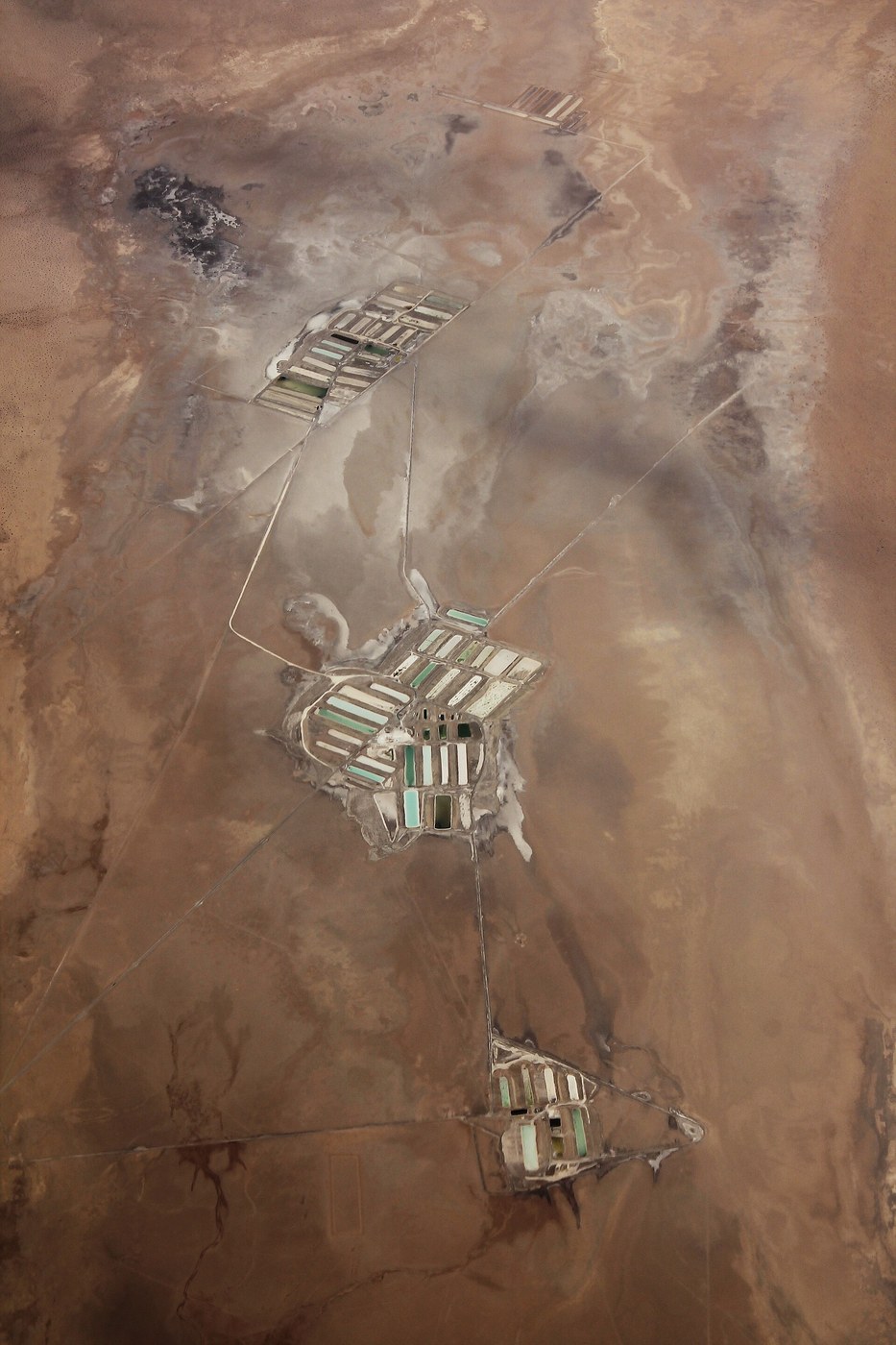


Salt Panning
ညွှန်ကြားချက်များ
Measure what you are starting with
Measure what you are starting with
Know the concentration before you try to concentrate it.
- Make a brine of known strength, or use real seawater.
- Weigh a measured volume, evaporate a small sample to dryness, and weigh the residue.
- Calculate the percentage by mass.
ဤအဆင့်အတွက် ကုန်ကြမ်းများ:
 ပင်လယ်ဆားကြမ်း200 ဂရမ်
လိုအပ်သော ကိရိယာများ:
 ဒစ်ဂျစ်တယ် မီးဖိုချောင်ချိန်ခွင်
 အငွေ့ပျံ ပန်းကန်
Concentrate before you crystallise
Concentrate before you crystallise
Historic salterns never boiled seawater from full strength. They pre-concentrated it for free.
- Let a shallow tray of brine stand in warm air or sun until the volume has dropped substantially.
- Measure the concentration again.
- Only then move it to gentle heat.
Crystallise gently and watch the order
Crystallise gently and watch the order
Different salts drop out at different concentrations, and that is a tool.
- Heat the concentrated brine gently — do not boil hard.
- Watch for the first crystals forming as a skin at the surface.
- Skim them off as they form.
လိုအပ်သော ကိရိယာများ:
 ချက်ချင်းဖတ်ရ သာမိုမီတာ
Make flakes, and then make grains
Make flakes, and then make grains
Crystal shape is set by how fast you drive the evaporation.
- Evaporate one batch very slowly and undisturbed.
- Evaporate a second with more heat and occasional stirring.
- Compare the crystals under magnification.
ဤအဆင့်အတွက် ကုန်ကြမ်းများ:
 ကွန်ဗက်စ် မှန်ဘီလူး1 ခု
History and context
History and context
Salt was the only practical way to preserve meat and fish for most of human history, which made it strategic rather than merely useful. Salt roads — the Via Salaria to Rome, the trans-Saharan routes trading salt for gold — existed because inland populations could not make their own.
It was taxed, and the taxes were hated. The French gabelle was among the most resented impositions of the ancien régime, with mandatory purchase quotas and vicious penalties for smuggling; it is repeatedly named among the grievances of 1789. In India, the British salt monopoly and tax on a substance everyone needed and could otherwise gather from the sea was the target Gandhi chose for the Salt March in 1930 — precisely because the injustice needed no explanation.
The northern fuel problem drove real invention. Where sun would not do the work, salt makers burned peat, coal and wood, and evaporated brine in lead or iron pans. In parts of the Netherlands and eastern England they burned salt-soaked peat and leached the ash — a method that stripped whole landscapes. Graduation towers, where brine trickles over huge stacks of blackthorn twigs to expose it to wind, were built to cut fuel use, and several still stand.
Today most salt is mined as rock salt or produced by solar evaporation in hot climates, and most of it never goes near food — chemical industry, particularly chlor-alkali production, consumes the majority. The Solvay process in this catalogue is one of the reasons.
ပစ္စည်းများ
2- 200 ဂရမ်နေရာယူပစ္စည်း
- နေရာယူပစ္စည်း
လိုအပ်သော ကိရိယာများ
3- နေရာယူပစ္စည်း
- နေရာယူပစ္စည်း
- နေရာယူပစ္စည်း
ဤဘလူးပရင့်က ပြုလုပ်သည်

CC0 အများပိုင်
ဤအစီအစဉ်ကို CC0 အောက်တွင် ထုတ်ဝေထားသည်။ ခွင့်ပြုချက်မလိုဘဲ ကူးယူ၊ ပြင်ဆင်၊ ဖြန့်ဝေ နှင့် အသုံးပြုနိုင်သည်။
အစီအစဉ်မှတစ်ဆင့် ကုန်ပစ္စည်းများဝယ်ယူ၍ လက်မှုပညာရှင်ကို ပံ့ပိုးပါ လက်မှုပညာရှင် ကော်မရှင် ရောင်းချသူက သတ်မှတ်သည်၊ သို့မဟုတ် ဤအစီအစဉ်၏ ဗားရှင်းအသစ်ဖန်တီး၍ ဝင်ငွေခွဲဝေရန် သင့်အစီအစဉ်တွင် ချိတ်ဆက်မှုအဖြစ် ထည့်သွင်းပါ။