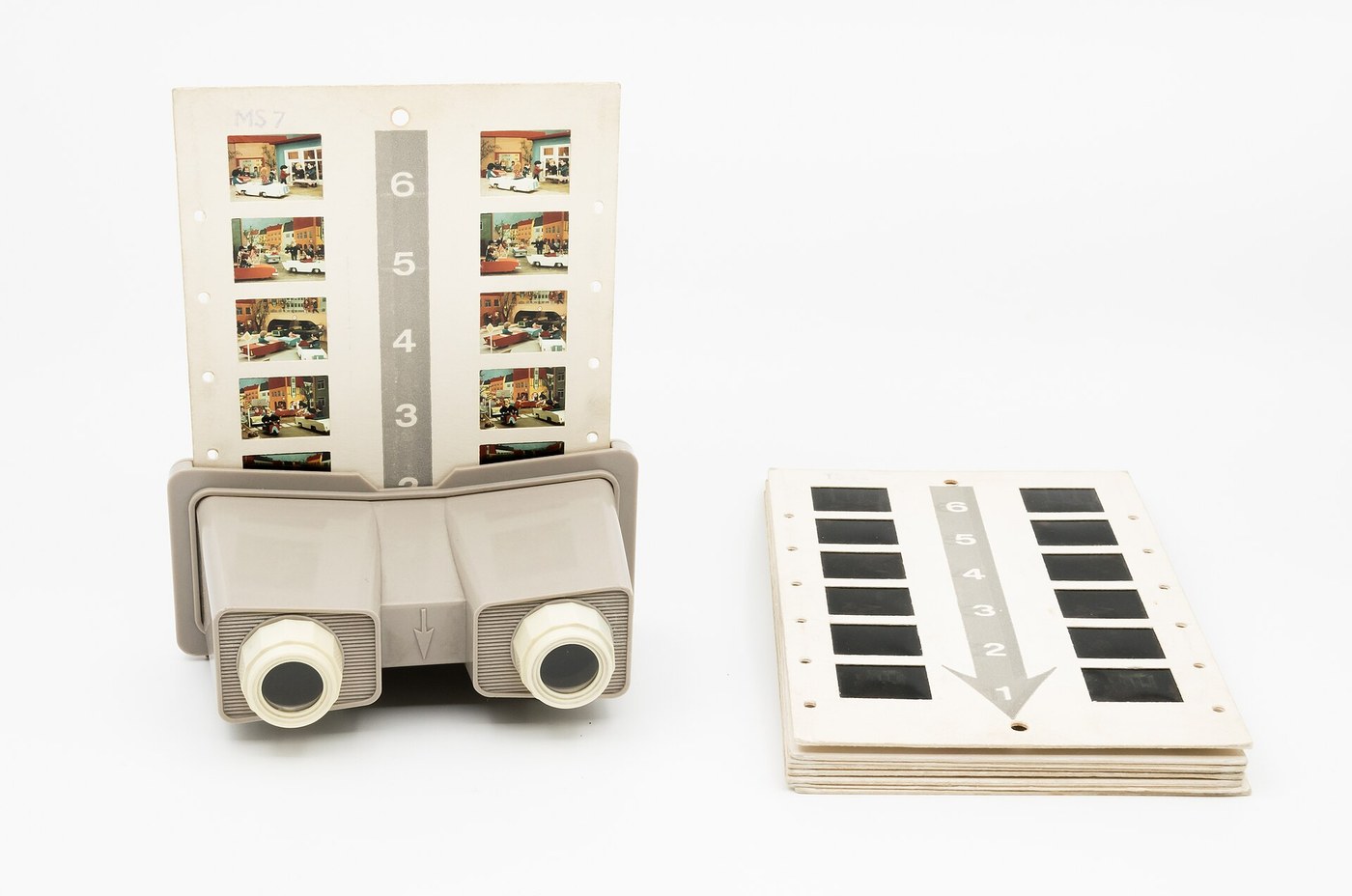

Stereoscope
ညွှန်ကြားချက်များ
Measure your own disparity
Measure your own disparity
Find the effect in your own head before building anything.
- Hold a finger at arm's length and look past it at a far wall.
- Close one eye, then the other, alternately.
- Watch the finger jump sideways against the background.
- Bring the finger closer and repeat — the jump grows.
လိုအပ်သော ကိရိယာများ:
 ပေတံ
ပေတံMake a stereo pair
Make a stereo pair
Two images of the same scene, taken from two eye positions.
- Photograph or draw a scene from one position.
- Shift sideways by roughly your eye separation — no rotation, no tilt.
- Capture the second image.
Build the viewer
Build the viewer
Each eye must see one image only, and see it comfortably.
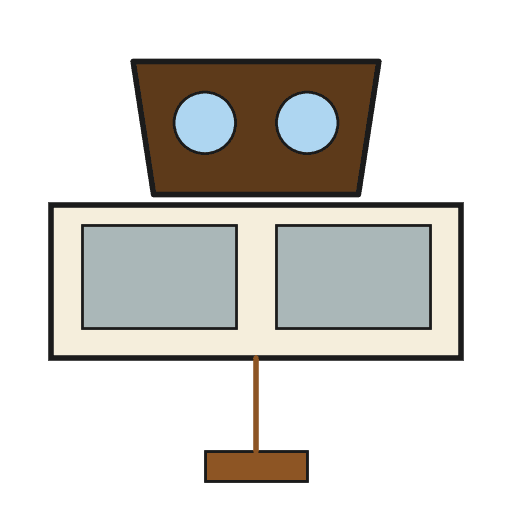
- Mount the two images side by side, separated by about your eye spacing.
- Fit a divider between them so neither eye sees the other's picture.
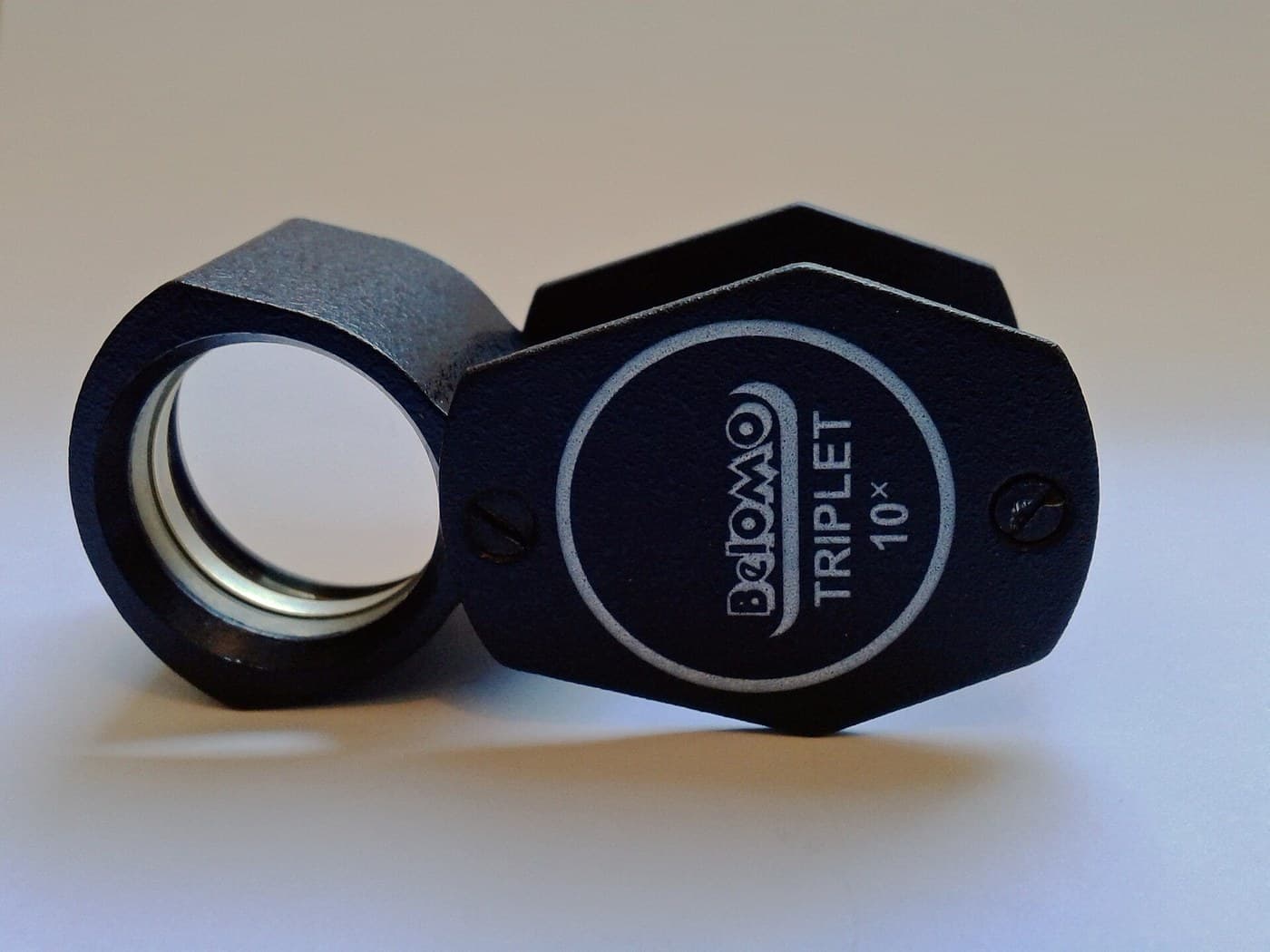
- Add simple convex lenses so the eyes can focus at a comfortable distance.
ဤအဆင့်အတွက် ကုန်ကြမ်းများ:
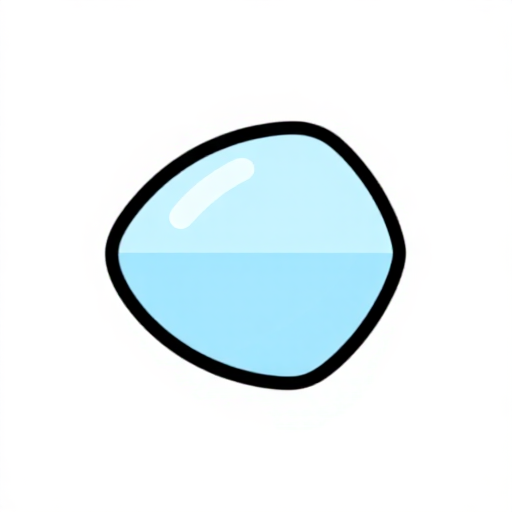 ကွန်ဗက်စ် မှန်ဘီလူး2 ခု
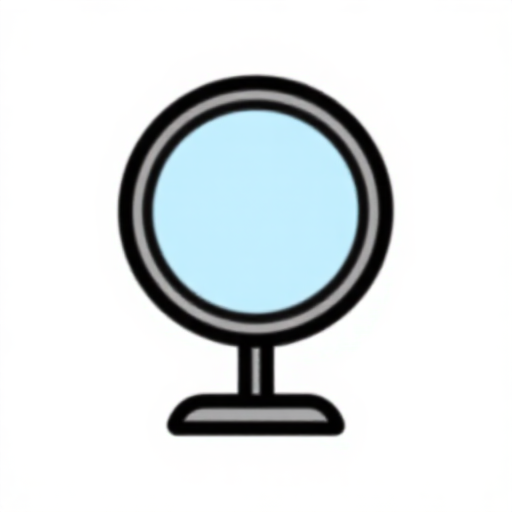 ပြားချပ်မှန်2 ခု
Break it deliberately
Break it deliberately
Test the limits, which is where the brain's rules show themselves.
- Swap the left and right images and look again.
- Tilt one image slightly.
- Exaggerate the camera separation to 300 mm and view a landscape.
History and context
History and context
Charles Wheatstone described the stereoscope to the Royal Society in 1838, using mirrors and hand-drawn figures — necessarily, since photography was not yet announced. His point was theoretical: he was demonstrating that binocular depth arises from combining two disparate images in the mind, which was not obvious and had been argued about since antiquity.
Photography turned a demonstration into a craze. David Brewster produced a compact lens-based viewer around 1849, it was shown at the Great Exhibition in 1851, and Queen Victoria's enthusiasm did the rest. Stereo cards of the Alps, the pyramids, city streets and — inevitably — a considerable trade in erotica sold in enormous numbers. It was, in a real sense, the first mass visual entertainment medium in the home.
The same principle, over and over. The View-Master (1939) is a stereoscope with a rotating reel. Anaglyph glasses separate the two images by colour, polarised cinema by polarisation, and a VR headset simply puts a small screen where each of Wheatstone's pictures used to sit. None of these are new ideas about depth — they are new ways of delivering one image to each eye.
Worth knowing: a substantial minority of people cannot fuse stereo pairs at all, often because of childhood strabismus or amblyopia. They navigate the world perfectly well using motion parallax, occlusion, perspective and shading — which is a useful reminder that binocular disparity is one depth cue among many, not the only one.
ပစ္စည်းများ
2- နေရာယူပစ္စည်း
- 2 ခုနေရာယူပစ္စည်း
ဤဘလူးပရင့်က ပြုလုပ်သည်
ဆက်စပ် အစီအစဉ်များ
ဤအစီအစဉ်များသည် အသိပညာမျှဝေသည် — နည်းပညာ၊ ပစ္စည်း သို့မဟုတ် မူများ

CC0 အများပိုင်
ဤအစီအစဉ်ကို CC0 အောက်တွင် ထုတ်ဝေထားသည်။ ခွင့်ပြုချက်မလိုဘဲ ကူးယူ၊ ပြင်ဆင်၊ ဖြန့်ဝေ နှင့် အသုံးပြုနိုင်သည်။
အစီအစဉ်မှတစ်ဆင့် ကုန်ပစ္စည်းများဝယ်ယူ၍ လက်မှုပညာရှင်ကို ပံ့ပိုးပါ လက်မှုပညာရှင် ကော်မရှင် ရောင်းချသူက သတ်မှတ်သည်၊ သို့မဟုတ် ဤအစီအစဉ်၏ ဗားရှင်းအသစ်ဖန်တီး၍ ဝင်ငွေခွဲဝေရန် သင့်အစီအစဉ်တွင် ချိတ်ဆက်မှုအဖြစ် ထည့်သွင်းပါ။