အနုပညာ
အလှအပနှင့် ကျန်းမာရေး
လက်မှုအနုပညာ
ယဉ်ကျေးမှုနှင့် သမိုင်း
ဖျော်ဖြေရေး
ပတ်ဝန်းကျင်
အစားအစာနှင့် အချိုရည်
ပြောင်းပြန်အင်ဂျင်နီယာပညာ
သိပ္ပံပညာများ
အားကစား
နည်းပညာ
ဝတ်ဆင်နိုင်သောပစ္စည်းများ
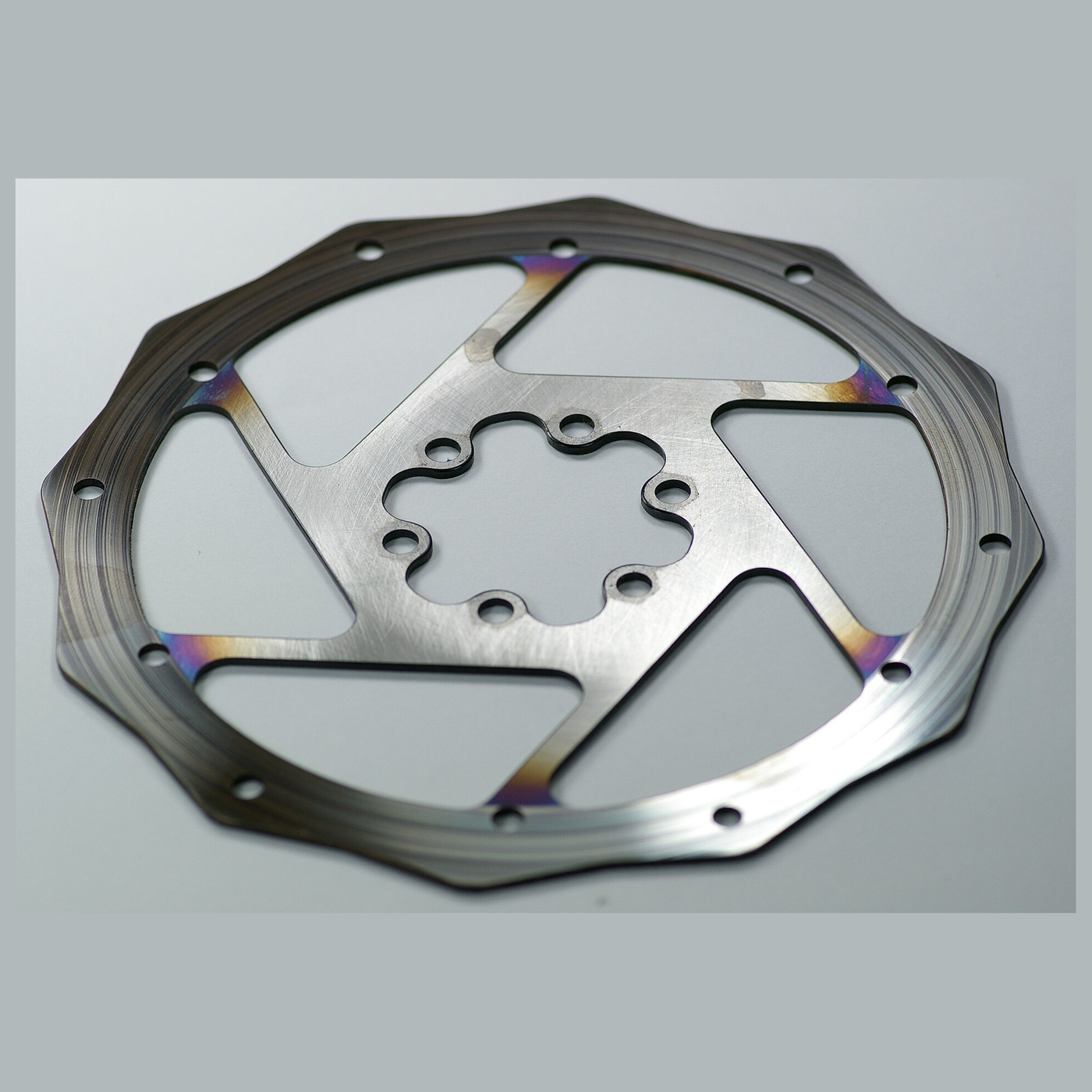

The Disc Brake: A Stop Is Heat, and the Disc Can Get Rid of It
Frederick Lanchester, in Birmingham in 1902, fitted a car with a brake that clamped a disc between two pads, like a bicycle's calliper brake closing on a flat plate instead of a rim. The idea came back strongly in the 1950s, when faster cars were fading their drum brakes on long descents.
A brake turns the car's energy of motion into heat, and in a hard stop that heat has nowhere to go but into the brake itself. A disc's friction faces are open to the air, and a ventilated disc pumps air through its middle as it turns; there is no self-servo, so the braking stays steady as the pads heat.
This rung works out how hot a disc gets per stop and how hard the calliper must clamp, and measures a real disc's temperature after braking.
အလယ်အလတ်
About 2 hours
ညွှန်ကြားချက်များ
1
1
Energy per stop and clamping force
Energy per stop and clamping force
Jupyter မှတ်စုစာအုပ် ဖွင့်နေသည်…
2
2
Measure a disc after braking
Measure a disc after braking
On a bicycle with disc brakes (or a car, with its owner's help and on private ground), measure the disc temperature with the infrared thermometer before a stop, then brake firmly from a steady speed to a halt and measure again straight away — on the braking surface, not the shiny spokes. Repeat three stops in quick succession and watch the temperature climb: each stop adds heat faster than the disc can lose it.
Wait five minutes and measure again: most of the heat has gone. That cooling rate is what a ventilated disc improves.
Do not touch a disc after braking; it can be well over 100 °C. Look at the pads through the calliper: glazed, shiny pads have been overheated.
လိုအပ်သော ကိရိယာများ:
 အနီအောက်ရောင်ခြည် အပူချိန်တိုင်းကိရိယာ
 အချိန်တိုင်းနာရီ
 သားရေ လုပ်ငန်းသုံး လက်အိတ်
3
3
History and context
History and context
**Frederick William Lanchester, Birmingham, 1902** — a calliper disc brake on a motor car. No patent number is asserted here. Disc brakes spread in aircraft in the 1930s and 40s; in cars they came back in the 1950s, when Jaguar raced with them at Le Mans in 1953, and from the 1960s they became standard at the front.
**Honest limits.** No self-servo, so a disc needs more clamping force than a drum — hence the servo assistance on most cars. Exposed discs collect water and dirt. And a disc can only absorb so much before its pads fade too: sustained descents still call for engine braking.
လိုအပ်သော ကိရိယာများ
3- နေရာယူပစ္စည်း
- နေရာယူပစ္စည်း
- နေရာယူပစ္စည်း
ဆက်စပ် အစီအစဉ်များ
ဤအစီအစဉ်များသည် အသိပညာမျှဝေသည် — နည်းပညာ၊ ပစ္စည်း သို့မဟုတ် မူများ
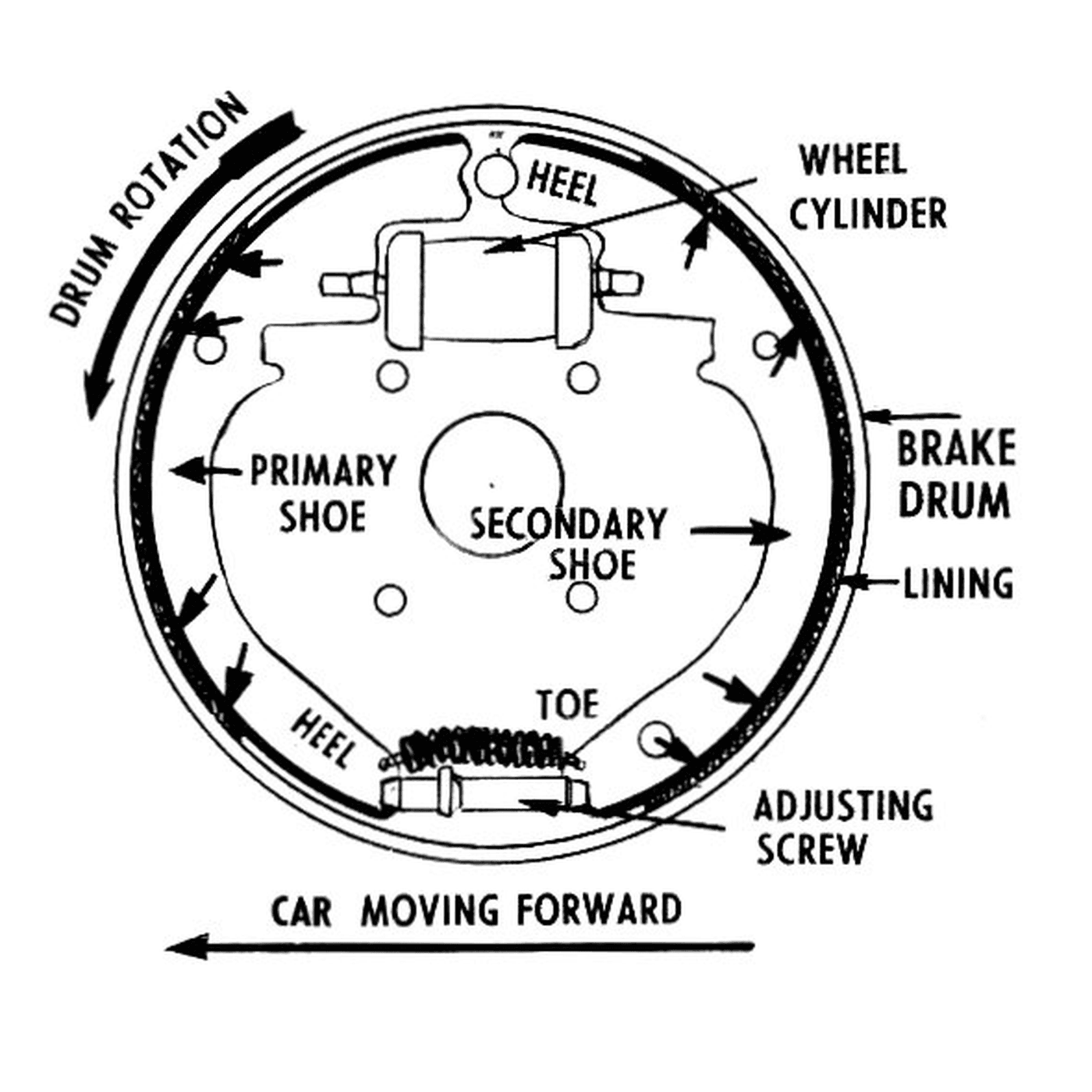
The Drum Brake: Shoes That Push Themselves Harder
Martin မှ
စက်ပိုင်းဗေဒ
၃၉
၀
၀
၀
၀
၀
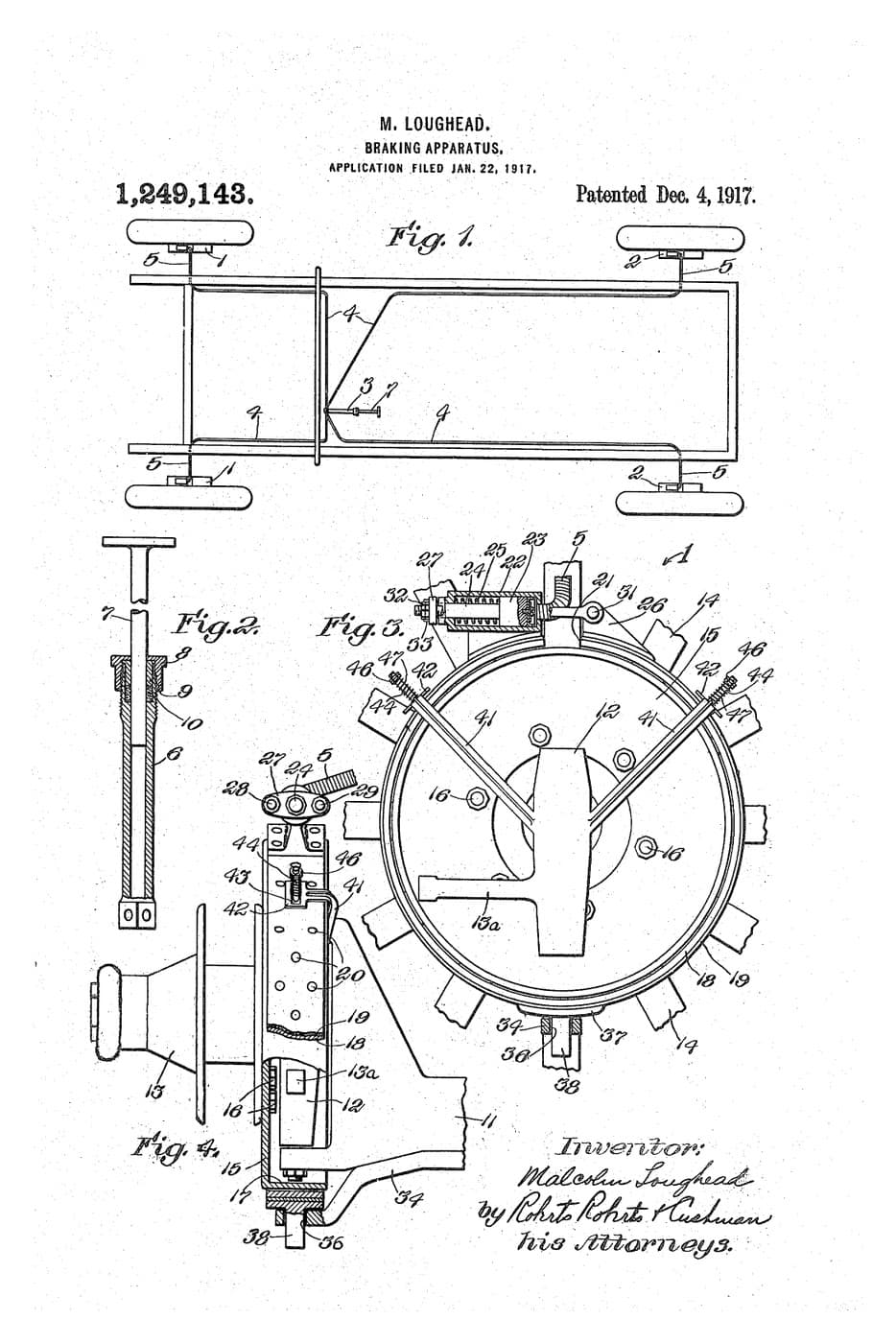
Hydraulic Brake
Emma မှ
နည်းပညာ
၄၃
၀
၀
၀
၀
၀
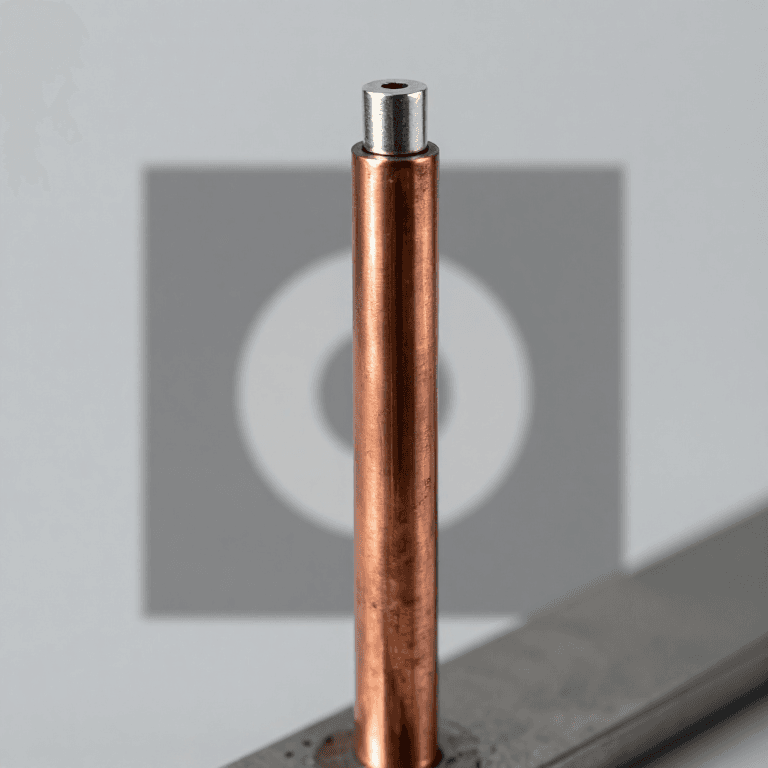
The Eddy Current Brake
Emma မှ
သံလိုက်အား
၃၆
၀
၀
၀
၀
၀
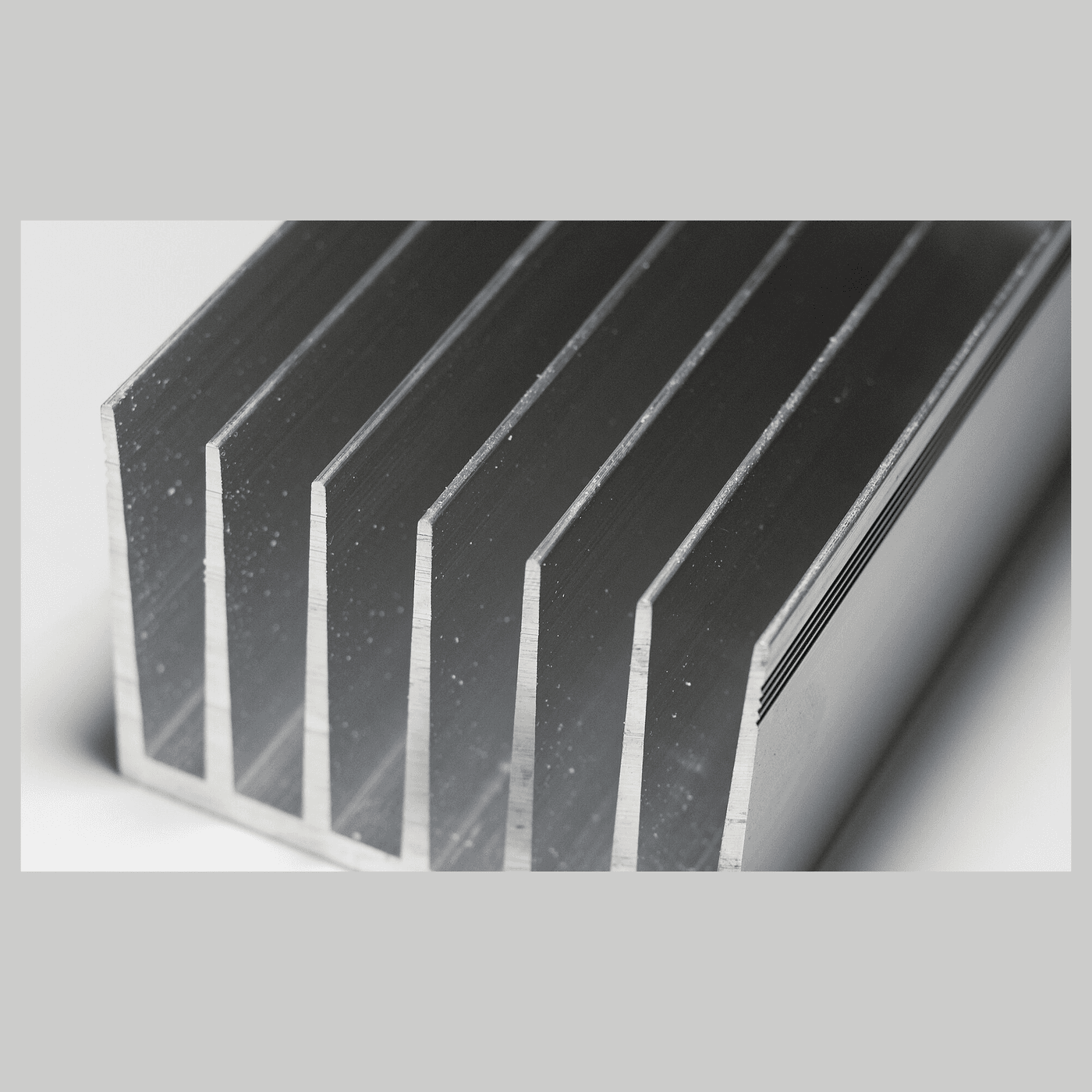
Fins and the Heat Sink: A Fin That Is Too Long Does Nothing
Emma မှ
စက်ပိုင်းဗေဒ
၂၄
၀
၀
၀
၀
၀
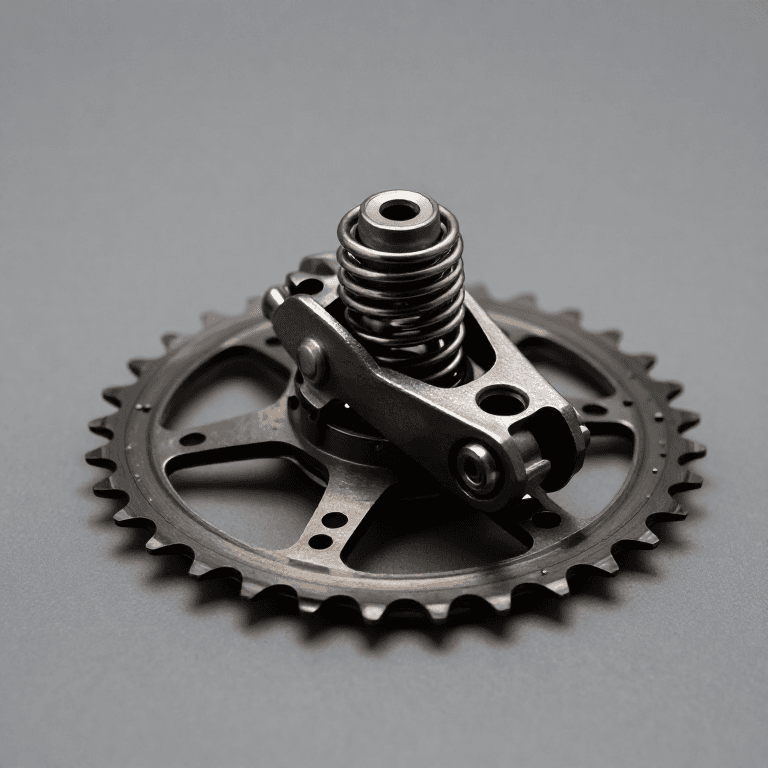
Freewheel and Coaster Brake
Spartan မှ
သတ္တုလုပ်ငန်း
၄၅
၀
၀
၀
၀
၀
CC0 အများပိုင်
ဤအစီအစဉ်ကို CC0 အောက်တွင် ထုတ်ဝေထားသည်။ ခွင့်ပြုချက်မလိုဘဲ ကူးယူ၊ ပြင်ဆင်၊ ဖြန့်ဝေ နှင့် အသုံးပြုနိုင်သည်။
အစီအစဉ်မှတစ်ဆင့် ကုန်ပစ္စည်းများဝယ်ယူ၍ လက်မှုပညာရှင်ကို ပံ့ပိုးပါ လက်မှုပညာရှင် ကော်မရှင် ရောင်းချသူက သတ်မှတ်သည်၊ သို့မဟုတ် ဤအစီအစဉ်၏ ဗားရှင်းအသစ်ဖန်တီး၍ ဝင်ငွေခွဲဝေရန် သင့်အစီအစဉ်တွင် ချိတ်ဆက်မှုအဖြစ် ထည့်သွင်းပါ။