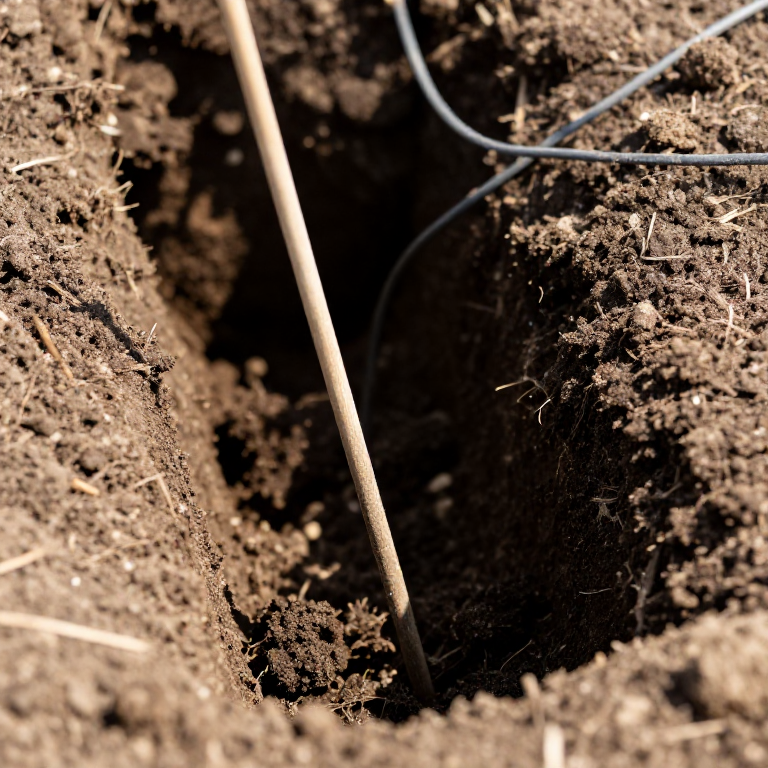


The Ground Temperature Probe
Air temperature swings by tens of degrees between summer and winter and by ten or more between night and day. Dig down and those swings shrink and lag. By a metre or two the daily cycle has vanished entirely and the annual one is much reduced; by around 10 metres the seasonal variation has effectively disappeared and the ground sits close to the site's mean annual air temperature, all year round.
That is the entire basis of ground-source heating and cooling. A heat pump does not extract "geothermal heat" from the Earth's interior at these depths — it exploits the fact that the shallow ground is a thermal flywheel, warmer than winter air and cooler than summer air, storing last season's weather.
The physics is a wave travelling into a solid. A temperature cycle at the surface propagates downwards, and as it goes it decays in amplitude and shifts in phase. Both effects are governed by one property of the soil — its thermal diffusivity — and both are measurable with nothing more than a few thermometers and patience. The phase shift is the more striking result: go deep enough and the ground is coldest in summer and warmest in winter, exactly out of step with the surface.
Build a probe string, log it, and measure the damping curve yourself.
ညွှန်ကြားချက်များ
Build the probe string
Build the probe string
Fix temperature probes to a length of rigid pipe at 0.1, 0.25, 0.5, 1.0 and 2.0 m from the tip, and label each lead clearly at the top.
Seal each probe against water with heat-shrink or silicone.
Spacing should be roughly logarithmic, not even. The interesting behaviour is all in the top half-metre, and evenly spaced probes waste most of their channels on ground that barely changes.
ဤအဆင့်အတွက် ကုန်ကြမ်းများ:
 ဆီလီကွန် ပိုက်2 မီတာ
လိုအပ်သော ကိရိယာများ:
 ထိုးထားသော တံစို့သာမိုမီတာ
 တိုင်းတာရေးတိပ်
Calibrate every probe against every other
Calibrate every probe against every other
Bundle all the probes together in a stirred bucket of iced water, then in water at room temperature. Record all readings at each.
Write down each probe's offset from the mean.
You are looking for differences of a fraction of a degree between depths. An uncalibrated probe with a 0.5 °C offset will invent a temperature gradient that is not there — this step is the experiment, not preparation for it.
လိုအပ်သော ကိရိယာများ:
 ရာသီဥတုအမျိုးမျိုးခံ ကွင်းဆင်းမှတ်စုစာအုပ်
Install it, and give it time to settle
Install it, and give it time to settle
Auger a hole in open ground away from buildings, paving and pipes. Insert the string, backfill firmly with the excavated soil in the order it came out, and mark the spot.
Wait at least a week before trusting any reading.
Digging destroys the thing you are measuring. The disturbed soil has different density and moisture and takes days to re-equilibrate with its surroundings.
လိုအပ်သော ကိရိယာများ:
 မြေတူးစက်
Log the daily cycle
Log the daily cycle
Record all depths plus air temperature every 2 hours for 48 hours. Plot all traces on one time axis.
Expect the air to swing widely, 0.1 m to follow it reduced and delayed by hours, and 0.5 m and below to show essentially nothing.
The daily wave is short and dies within centimetres.
Measure the delay at 0.1 m — that lag is your first direct measurement of how fast heat moves through soil.
လိုအပ်သော ကိရိယာများ:
 အလင်းနှင့် အပူချိန် အချက်အလက်မှတ်တမ်းတင်စက် အစုံ
 ဂရပ်စက္ကူ
Log the seasonal cycle
Log the seasonal cycle
Record all depths weekly for as long as you can — a full year is the real experiment, a season is worth doing.
Plot amplitude against depth, and time-of-peak against depth.
Expect amplitude to fall steeply and smoothly with depth, and the peak to arrive later the deeper you go.
Extrapolate the amplitude curve to zero and you have estimated the depth at which seasons stop — for most soils somewhere around 10 m.
Test what changes the answer
Test what changes the answer
Install a second, shallower string under a different surface — bare soil against grass, against gravel, against a paved slab, or a shaded spot against full sun. Compare.
Then compare a wet week against a dry one at the same depth.
Expect large differences. Dark or paved surfaces run hotter; vegetation and snow insulate; wet soil conducts heat far better than dry soil, so moisture changes the diffusivity and therefore the whole damping curve.
"Ground temperature" is a property of a site, not of a depth.
Compendium — the flywheel under your feet
Compendium — the flywheel under your feet
The maths behind what you measured. A sinusoidal temperature cycle imposed at the surface propagates downwards as a damped wave. Its amplitude falls off exponentially with depth, and its phase lags progressively, both scaled by a characteristic damping depth that depends on the soil's thermal diffusivity and on the period of the cycle. Because the damping depth scales with the square root of the period, the annual cycle penetrates roughly nineteen times deeper than the daily one — which is precisely why your 0.5 m probe ignores day and night but still notices summer. Below about 3-4 m the ground already sits close to the annual average, and by around 10 m the seasonal signal is effectively gone.
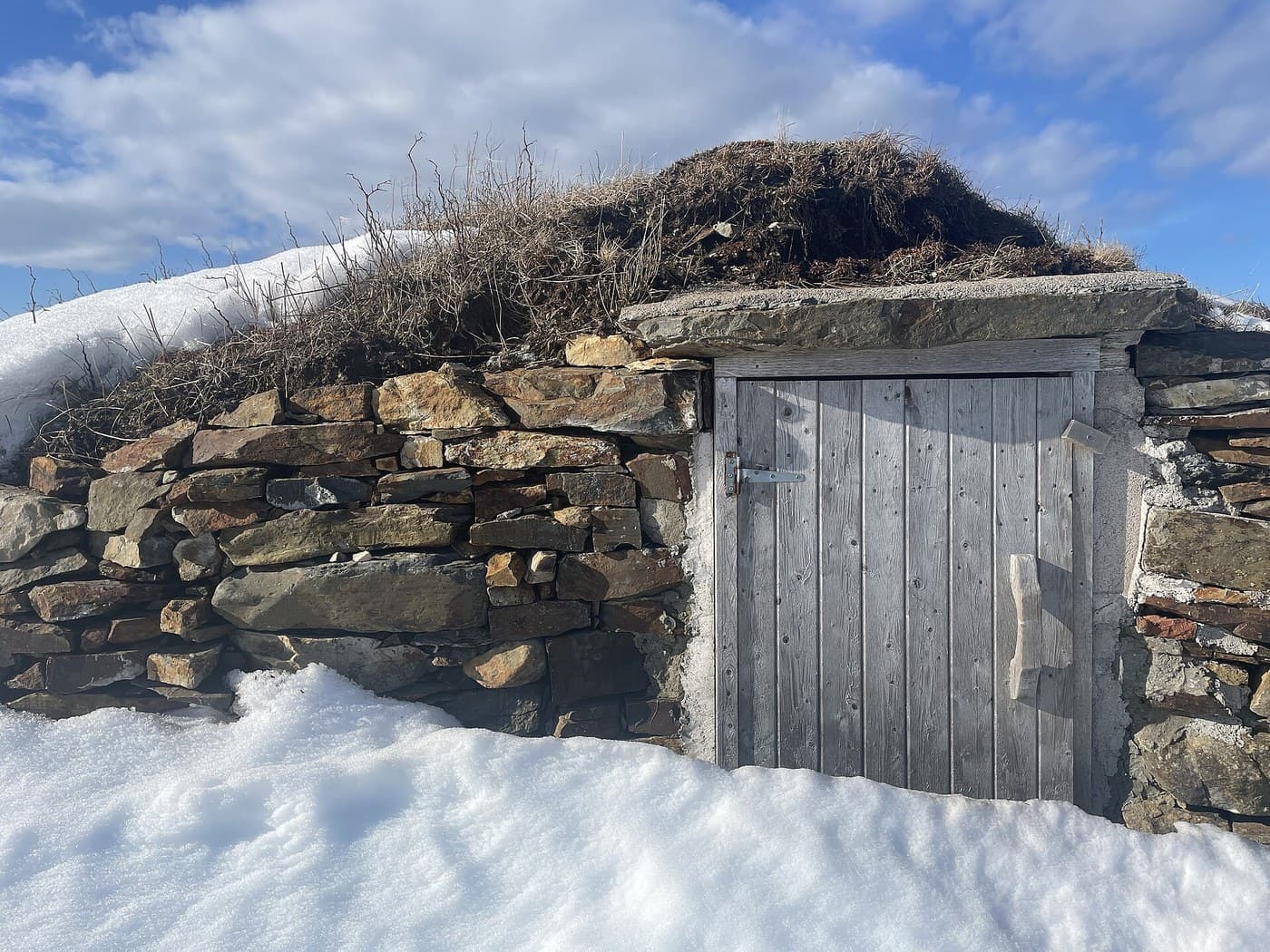
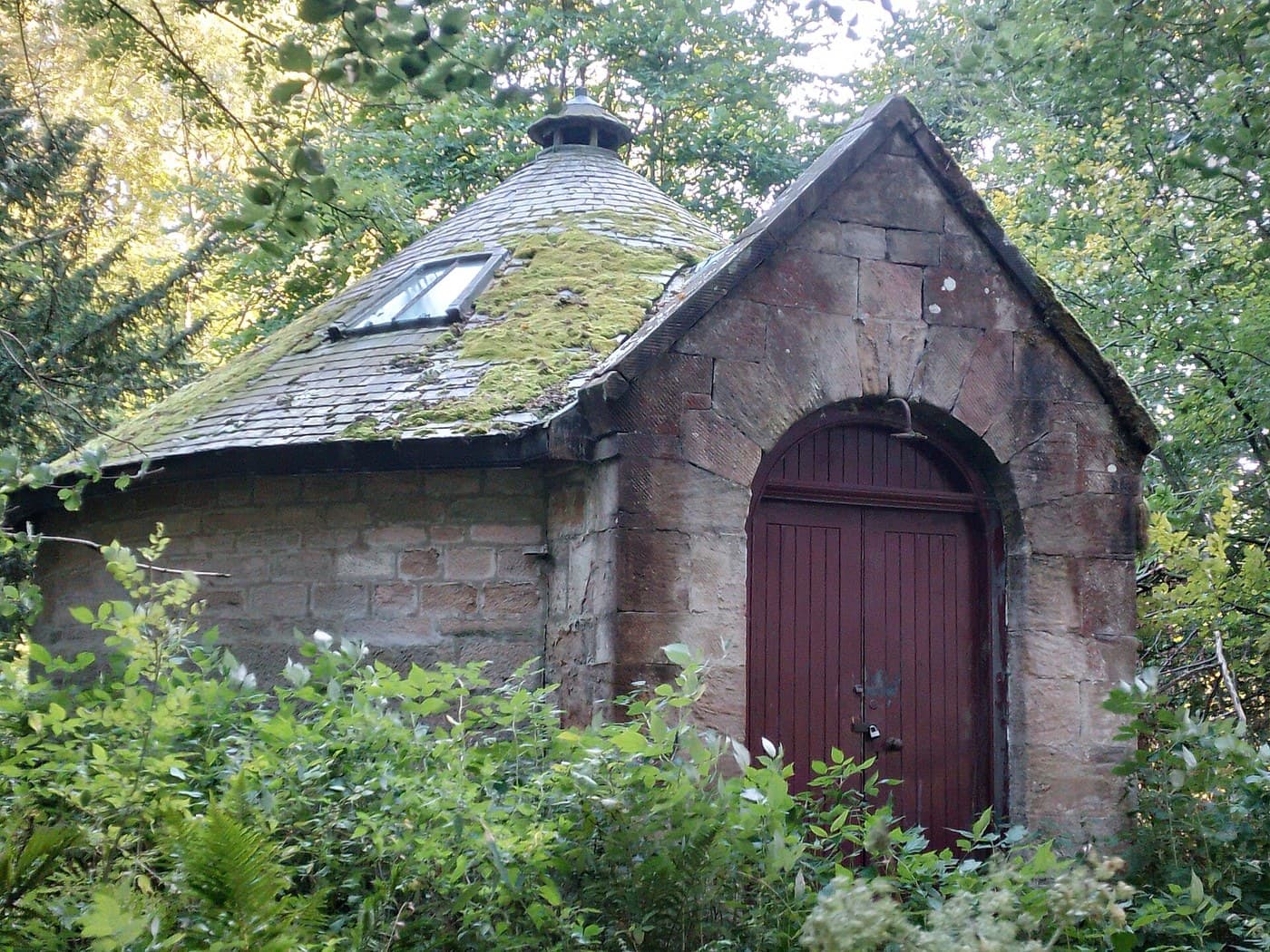
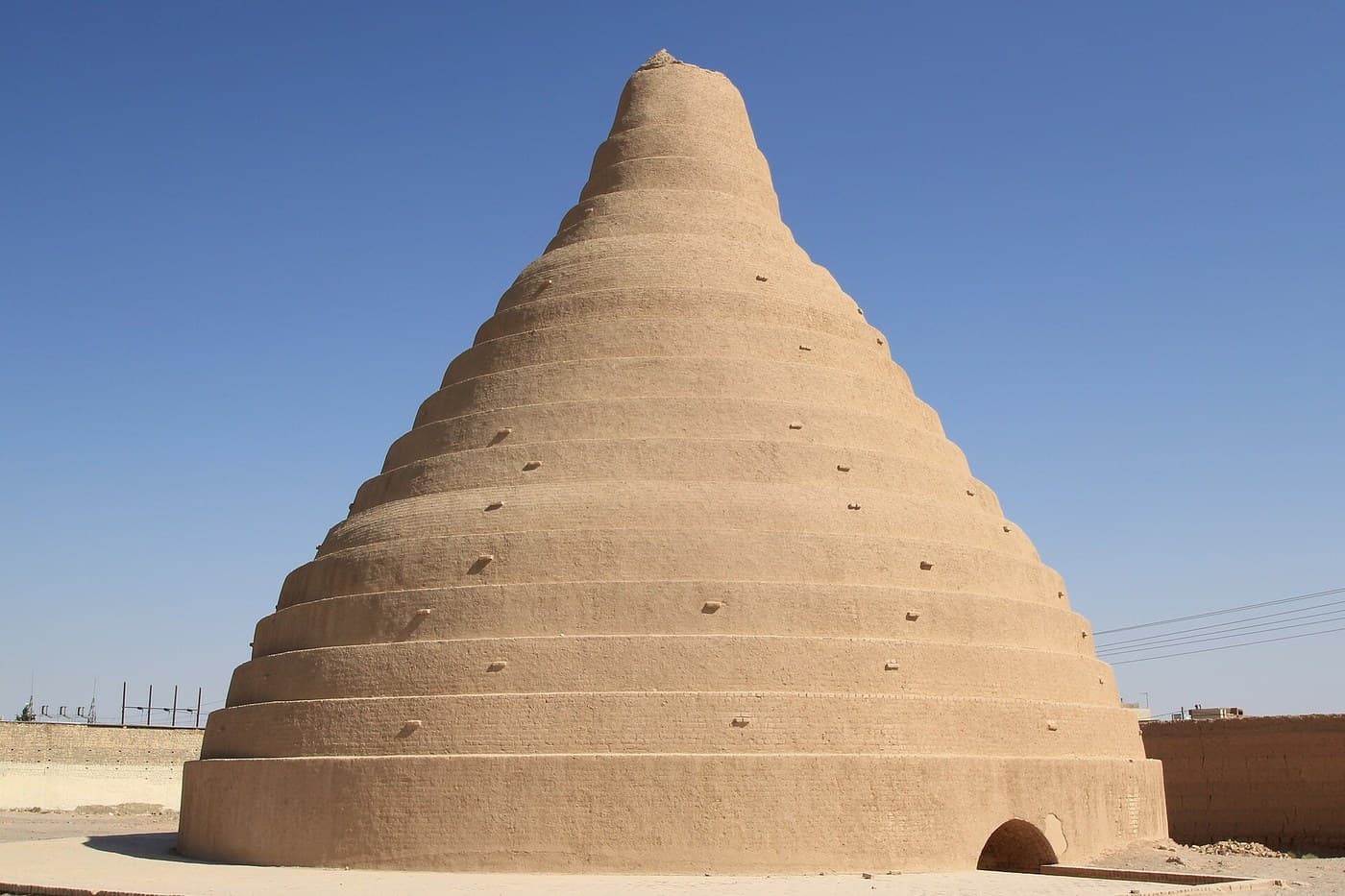
The phase shift is the useful part, not a curiosity. At intermediate depths the ground is genuinely out of step with the surface — warmest in late autumn or winter, coolest in late spring or summer. Every traditional structure in this corpus that exploits the ground exploits that lag: a root cellar stays cool into summer because it is still holding winter, and an ice house works for the same reason. They are not insulated boxes so much as taps into a seasonal delay line.
Why "geothermal" is a misleading word here. True geothermal energy is heat flowing out of the Earth's interior, and at the surface that flux is tiny — on the order of a twentieth of a watt per square metre, far too little to heat anything. A domestic ground-source heat pump does not use it. It uses stored solar energy: the shallow ground is warmed each summer and cooled each winter by the atmosphere and the sun, and the pump moves heat between the building and that reservoir. The temperature difference it works across is small, which is exactly why it is efficient — a heat pump's performance depends on how little temperature difference it has to bridge, and the ground offers a far gentler one than winter air.
What engineers do with these measurements. Sizing a ground loop needs the undisturbed ground temperature and the soil's thermal conductivity, and getting them wrong is expensive: an undersized loop progressively chills the ground around it over successive winters until performance collapses. Commercial practice runs a thermal response test — injecting a known heat load into a test borehole and watching the temperature rise — which is your step 4, scaled up and run backwards. The same numbers set burial depths for water pipes below the frost line and for utility cables, where the ground's ability to carry heat away limits the current a cable can take.
Honest limits and safe practice. A hand-augered hole reaches perhaps 1-2 m, so you will measure the damping curve convincingly but cannot reach the constant-temperature zone — extrapolation is the honest way to finish, and it should be labelled as extrapolation. Soil varies enormously in diffusivity with texture, density and above all moisture, so a single site's numbers do not transfer. Slow-response probes will under-read a fast swing. And before augering anywhere: check for buried services. Electricity, gas, water and telecoms cables are exactly where you want to dig, striking one is genuinely dangerous, and free utility-location services exist in most countries for this reason. Get permission for the land, and backfill properly when you are done.
ပစ္စည်းများ
1- 2 မီတာနေရာယူပစ္စည်း
လိုအပ်သော ကိရိယာများ
6- နေရာယူပစ္စည်း
- 1 vendor sell this, none ship to you yetနေရာယူပစ္စည်း
- နေရာယူပစ္စည်း
- နေရာယူပစ္စည်း
- နေရာယူပစ္စည်း
- နေရာယူပစ္စည်း
ချိတ်ဆက်ထားသော ဘလူးပရင့် ကုန်ကြမ်းများ

ဆက်စပ် အစီအစဉ်များ
ဤအစီအစဉ်များသည် အသိပညာမျှဝေသည် — နည်းပညာ၊ ပစ္စည်း သို့မဟုတ် မူများ

CC0 အများပိုင်
ဤအစီအစဉ်ကို CC0 အောက်တွင် ထုတ်ဝေထားသည်။ ခွင့်ပြုချက်မလိုဘဲ ကူးယူ၊ ပြင်ဆင်၊ ဖြန့်ဝေ နှင့် အသုံးပြုနိုင်သည်။
အစီအစဉ်မှတစ်ဆင့် ကုန်ပစ္စည်းများဝယ်ယူ၍ လက်မှုပညာရှင်ကို ပံ့ပိုးပါ လက်မှုပညာရှင် ကော်မရှင် ရောင်းချသူက သတ်မှတ်သည်၊ သို့မဟုတ် ဤအစီအစဉ်၏ ဗားရှင်းအသစ်ဖန်တီး၍ ဝင်ငွေခွဲဝေရန် သင့်အစီအစဉ်တွင် ချိတ်ဆက်မှုအဖြစ် ထည့်သွင်းပါ။