အနုပညာ
အလှအပနှင့် ကျန်းမာရေး
လက်မှုအနုပညာ
ယဉ်ကျေးမှုနှင့် သမိုင်း
ဖျော်ဖြေရေး
ပတ်ဝန်းကျင်
အစားအစာနှင့် အချိုရည်
ပြောင်းပြန်အင်ဂျင်နီယာပညာ
သိပ္ပံပညာများ
အားကစား
နည်းပညာ
ဝတ်ဆင်နိုင်သောပစ္စည်းများ
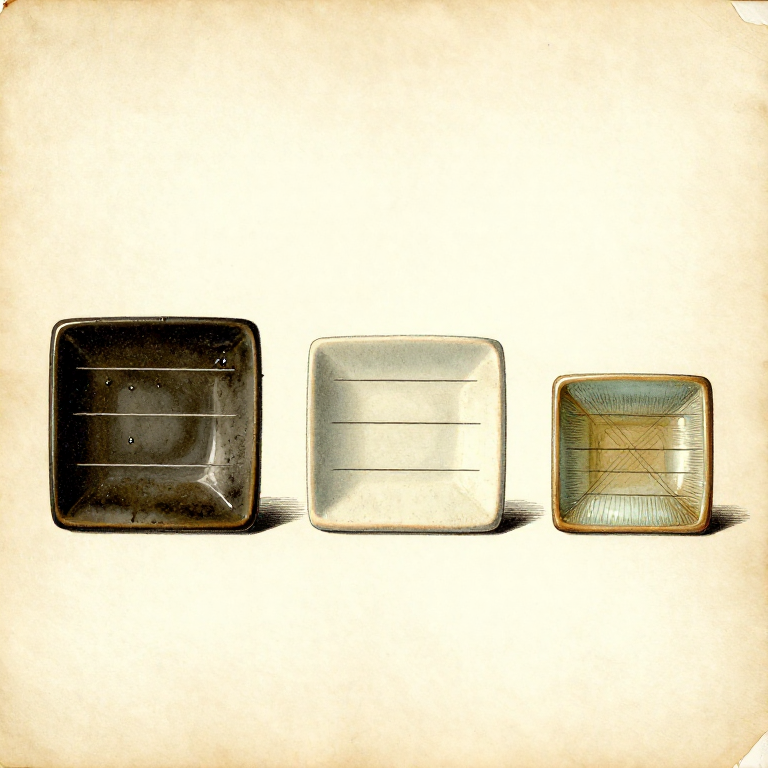
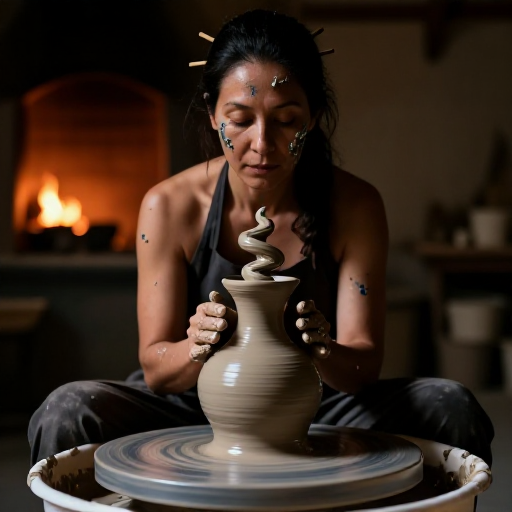

The States of Clay: Five Conditions, and What Each One Will Let You Do
Clay is not one material. It passes through five distinct conditions on its way to being a pot, and each one allows some operations and forbids others — so almost every question in pottery begins with "what state is it in?"
SLIP is liquid, for joining and decorating. PLASTIC is workable, for forming. LEATHER-HARD holds its shape but can still be cut, for trimming and handles. BONE DRY is brittle and can only be fired. FIRED is permanent and nothing can be undone.
The transitions are one-way in the sense that matters: the first four can be reversed with water, and the fifth cannot be reversed at all. Everything before the kiln is recoverable, and that is worth knowing while learning.
အစပြု
3 hours
ညွှန်ကြားချက်များ
1
1
What each state is for
What each state is for
PLASTIC clay takes a shape and holds it. Throwing, pinching, coiling and slab building all happen here, and so does joining — the clay is wet enough that two pieces scored and slipped together actually knit.
LEATHER-HARD is the state people underuse. It is firm enough to pick up and turn over, soft enough to carve, trim and cut cleanly. Handles are attached here, feet are trimmed here, and carved decoration is done here because it does not smear.
BONE DRY is pale, cool to the touch, and extremely fragile. Nothing can be done except sponging the sharpest edges and loading the kiln. Clay that still feels COLD against your cheek is not bone dry, however dry it looks — and firing it wet is the other way pots explode.
ဤအဆင့်အတွက် ကုန်ကြမ်းများ:
 ရွှံ့စေး2 ကီလို
 ရေ1 လီတာ
လိုအပ်သော ကိရိယာများ:
 မြေအိုးကိရိယာအစုံ
 အိုးထိန်းသည့် သစ်သားခြစ်ပြား
 ရေမြှုပ်
2
2
Shrinkage: how much smaller it gets, and when
Shrinkage: how much smaller it gets, and when
Jupyter မှတ်စုစာအုပ် ဖွင့်နေသည်…
ဤအဆင့်အတွက် ကုန်ကြမ်းများ:
ရွှံ့စေး1 ကီလို အပူနည်းမီးဖုတ်ရွှံ့စေး1 ကီလို
လိုအပ်သော ကိရိယာများ:
 ပေတံ
 ဒစ်ဂျစ်တယ် ကာလီပါ ၆ လက်မ
 စားပွဲတင်ကွန်ပျူတာမြေအိုးကိရိယာအစုံ
3
3
Slow the drying down, and slow the edges down most
Slow the drying down, and slow the edges down most
A pot dries from the outside in and from the rim down, because those parts are most exposed. Thin rims, handles and feet dry first, shrink first, and are held back by the wetter body they are attached to — which is exactly how cracks start.
So cover the work loosely with plastic and let it dry SLOWLY and evenly. A day or two under plastic, then a day in the open, beats a morning in a draught every time.
Cover the parts that would otherwise race ahead. A strip of plastic over just the rim, or over the handles, lets the thick body catch up — which is the same principle as the thin-bits-burn-first problem in the forge.
ဤအဆင့်အတွက် ကုန်ကြမ်းများ:
ရွှံ့စေး1 ကီလိုလိုအပ်သော ကိရိယာများ:
 မြေအိုးလုပ်ငန်းသုံး ကန့်ဗတ်စ်အလုပ်ခင်းရေမြှုပ်
4
4
Joining: score, slip, and only while plastic
Joining: score, slip, and only while plastic
Two pieces of clay join properly only when both are the same state and wet enough for their particles to interlock. Score both faces with cross-hatching, wet them with slip made from the SAME clay body, press together and work the seam.
Slip from a different body is a common and avoidable mistake: two bodies shrink by different amounts, so the joint is pulling itself apart from the moment it dries.
A handle attached to a leather-hard pot is the classic failure. The pot has done most of its drying shrinkage and the handle has not, so the handle shrinks onto a body that cannot move and cracks at the join. Attach at the same state, or bring the handle back to match.
ဤအဆင့်အတွက် ကုန်ကြမ်းများ:
ရွှံ့စေး1 ကီလိုရေ1 လီတာလိုအပ်သော ကိရိယာများ:
 ရွှံ့ခြစ်ကိရိယာမြေအိုးကိရိယာအစုံရေမြှုပ်
ပစ္စည်းများ
3- 5 ကီလိုနေရာယူပစ္စည်း
- 2 လီတာနေရာယူပစ္စည်း
- 1 ကီလိုနေရာယူပစ္စည်း
လိုအပ်သော ကိရိယာများ
8- နေရာယူပစ္စည်း
- နေရာယူပစ္စည်း
- နေရာယူပစ္စည်း
- နေရာယူပစ္စည်း
- နေရာယူပစ္စည်း
- နေရာယူပစ္စည်း
- နေရာယူပစ္စည်း
- နေရာယူပစ္စည်း
ဆက်စပ် အစီအစဉ်များ
ဤအစီအစဉ်များသည် အသိပညာမျှဝေသည် — နည်းပညာ၊ ပစ္စည်း သို့မဟုတ် မူများ
CC0 အများပိုင်
ဤအစီအစဉ်ကို CC0 အောက်တွင် ထုတ်ဝေထားသည်။ ခွင့်ပြုချက်မလိုဘဲ ကူးယူ၊ ပြင်ဆင်၊ ဖြန့်ဝေ နှင့် အသုံးပြုနိုင်သည်။
အစီအစဉ်မှတစ်ဆင့် ကုန်ပစ္စည်းများဝယ်ယူ၍ လက်မှုပညာရှင်ကို ပံ့ပိုးပါ လက်မှုပညာရှင် ကော်မရှင် ရောင်းချသူက သတ်မှတ်သည်၊ သို့မဟုတ် ဤအစီအစဉ်၏ ဗားရှင်းအသစ်ဖန်တီး၍ ဝင်ငွေခွဲဝေရန် သင့်အစီအစဉ်တွင် ချိတ်ဆက်မှုအဖြစ် ထည့်သွင်းပါ။