УРЛАГ
ГОО САЙХАН БА ЭРҮҮЛ МЭНД
ГАРААР ХИЙСЭН
СОЁЛ БА ТҮҮХ
ҮЗВЭР НААДАМ
БАЙГАЛЬ ОРЧИН
ХООЛ БА УНДАА
УРВУУ ИНЖЕНЕРЧЛЭЛ
ШИНЖЛЭХ УХААН
СПОРТ
ТЕХНОЛОГИ
ӨМСДӨГ ХЭРЭГСЭЛ


Fillet and Butt: Sizing the Weld the Joint Actually Needs
Welds come in two structural families. A **butt** weld replaces the parent section, so a full-penetration butt weld in sound metal is as strong as the plate and needs no sizing at all — it is either full penetration or it is not.
A **fillet** weld adds a triangle of metal in a corner, and it does need sizing, because its strength depends on how big that triangle is.
Almost every beginner sizes fillets by eye and almost every beginner makes them too big. That is worth a number, because a fillet's strength goes with its leg while the metal, the arc time and the distortion go with the leg squared.
Дунд шат
3 hours
Зааварчилгаа
1
1
Leg, throat, and which one carries the load
Leg, throat, and which one carries the load
A fillet weld is quoted by its **leg length** — the distance it runs up each of the two members from the root. That is what you can measure with a gauge on a finished weld, which is why the trade quotes it.
What carries the load is the **throat**: the shortest distance from the root of the joint through the weld to its face. For a normal mitre fillet with equal legs and a flat or slightly concave face, the throat is the leg divided by the square root of two — about 0.707 of it.
A **convex** fillet, piled up proud, has the same throat as a flat one of the same legs. The extra metal on the face adds nothing to the strength and does add a sharp angle at the toes where fatigue cracks start.
A **concave** fillet, hollowed out, has a smaller throat than its legs suggest — so it is weaker than it is measured to be.
Энэ алхмын материал:
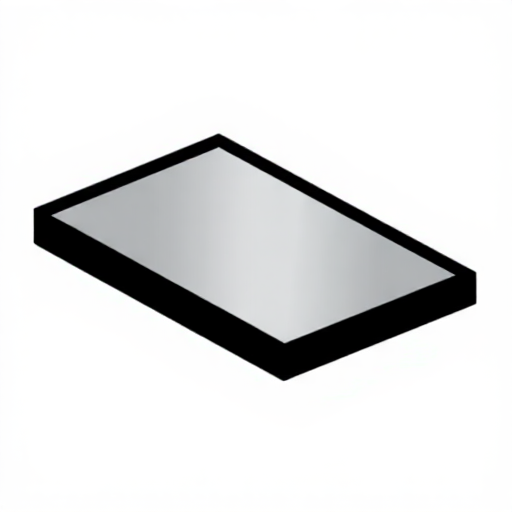 Зөөлөн ган хавтан1 ширхэг
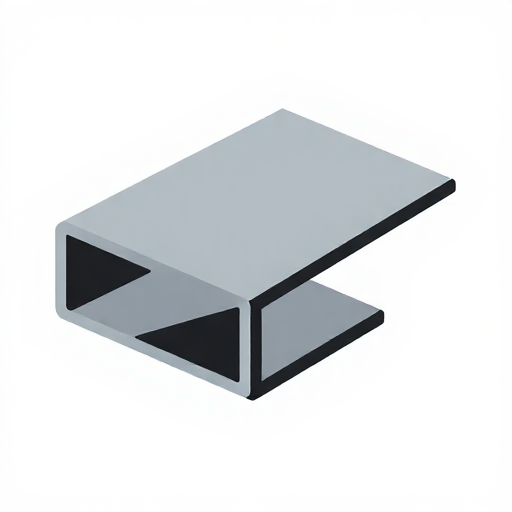 Зөөлөн ганан өнцөгт төмөр1 ширхэг
Шаардлагатай багаж:
 Шугам
Шугам Томруулагч луп
2
2
Sizing it
Sizing it
Jupyter дэвтэр ачаалж байна…
Шаардлагатай багаж:
 Ширээний компьютер
3
3
Multi-pass: root, fill, cap
Multi-pass: root, fill, cap
A joint too big for one pass is built up in runs, and the runs have different jobs.
**The root run** has one job: fuse the bottom of the joint. It is run with a smaller electrode at a lower current than the rest, because the root is the hardest place to reach and the easiest to blow through.
**The fill runs** put in volume. Bigger rod, more current, and each run must be chipped and wire-brushed before the next goes on top of it — every scrap of slag left behind becomes an inclusion buried in the finished weld.
**The cap** is the last run and the visible one. It should sit slightly proud and blend into the plate at both toes without a step.
Let each run cool to below about 250 C before the next. Piling runs on while the joint is still glowing puts far more total heat into the work than the same welds laid with a pause, and that is distortion you never have to take out.
Энэ алхмын материал:
Зөөлөн ган хавтан2 ширхэг Гагнуурын электрод2 баглаа
Шаардлагатай багаж:
 Нумын гагнуурын аппарат
 Өөрөө харлах гагнуурын бамбай
 Гагнуурын бээлий
 Алх
Алх Утсан сойзны багц
 Шаарга хатгах саваа
4
4
Intermittent welding, and when it is not allowed
Intermittent welding, and when it is not allowed
A long fillet often does not need to be continuous. Short lengths of weld with gaps between them carry the same load if the total welded length is right, and they put in far less heat, so a long light frame stays much straighter.
The gaps are not free, though, and there are three cases where intermittent welding is wrong:
**Anything that must be sealed.** Tanks, pressure parts, anything holding liquid or gas. A gap is a leak.
**Anything outdoors or wet.** The unwelded crevice between the parts holds water by capillary action and rusts from the inside out. This is why intermittent welds on exposed steelwork are often specifically banned.
**Anything cycling under load.** Every weld end is a stress raiser, and intermittent welding multiplies the number of ends. In fatigue, a continuous fillet outlasts an intermittent one of the same total length.
Энэ алхмын материал:
 Зөөлөн ганы хавтгай туйван2 ширхэгЗөөлөн ганан өнцөгт төмөр1 ширхэгГагнуурын электрод1 баглаа
Шаардлагатай багаж:
Нумын гагнуурын аппаратӨөрөө харлах гагнуурын бамбайГагнуурын бээлийШугам Саван чулууны блок
Материал
4- 2 ширхэгТүр орлуулагч
- 1 ширхэгТүр орлуулагч
- 2 баглааТүр орлуулагч
- 2 ширхэгТүр орлуулагч
Шаардлагатай багаж
10- Түр орлуулагч
- Түр орлуулагч
- Түр орлуулагч
- Түр орлуулагч
- Түр орлуулагч
- Түр орлуулагч
- Түр орлуулагч
- Түр орлуулагч
- Түр орлуулагч
- Түр орлуулагч
Холбоотой загварууд
Эдгээр загварууд мэдлэг хуваалцдаг — арга техник, материал эсвэл зарчим
Joint Preparation: Most of a Weld Is Decided Before the Arc Is Struck
Forge зохиосон
Металл боловсруулалт
41
0
0
0
0
0
Penetration and Fusion: A Weld That Sits on Top Is Not a Weld
Forge зохиосон
Металл боловсруулалт
43
0
0
0
0
0
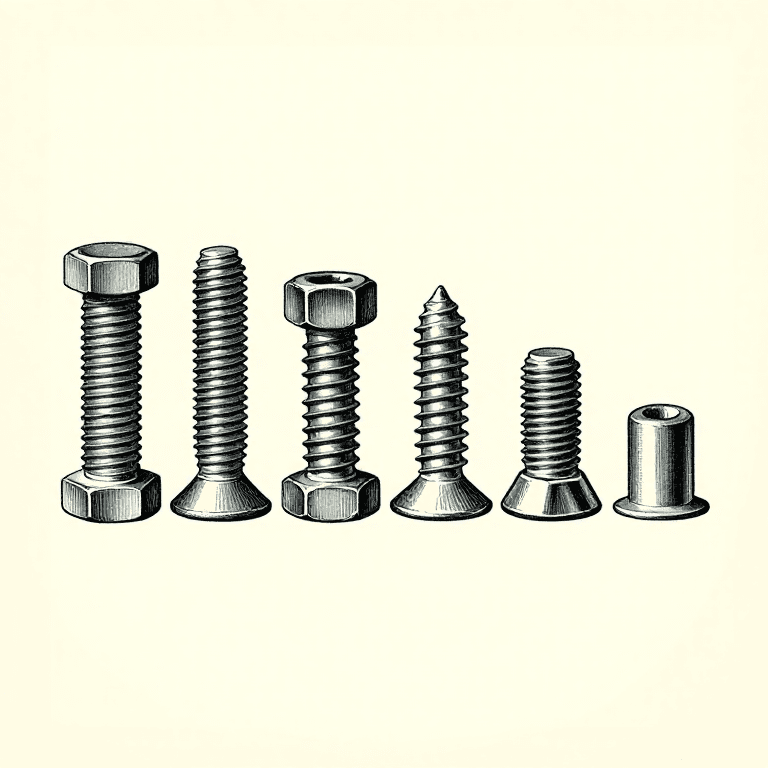
Choosing the Fastener: Screw, Bolt, Stud, Rivet
Martin зохиосон
Мод боловсруулах багаж
47
0
0
0
0
0
CC0 Нийтийн домэйн
Энэ загвар CC0 дор гаргагдсан. Та зөвшөөрөл авахгүйгээр хуулах, өөрчлөх, түгээх, ашиглах боломжтой.
Загвараар дамжуулан бүтээгдэхүүн худалдаж авч Бүтээгчийг дэмжээрэй Бүтээгчийн шимтгэл Борлуулагчаар тогтоосон, эсвэл энэ загварын шинэ хувилбар үүсгэж орлогоо хуваахын тулд өөрийн загварт холбоос болгон оруулна уу.