

УРЛАГ
ГОО САЙХАН БА ЭРҮҮЛ МЭНД
ГАРААР ХИЙСЭН
СОЁЛ БА ТҮҮХ
ҮЗВЭР НААДАМ
БАЙГАЛЬ ОРЧИН
ХООЛ БА УНДАА
УРВУУ ИНЖЕНЕРЧЛЭЛ
ШИНЖЛЭХ УХААН
СПОРТ
ТЕХНОЛОГИ
ӨМСДӨГ ХЭРЭГСЭЛ
Himitsu-Bako Puzzle Box
English
HanaChan

Зохиогч

HanaChan

27. Долдугаар сар 2026JP
0
0
0
0
0

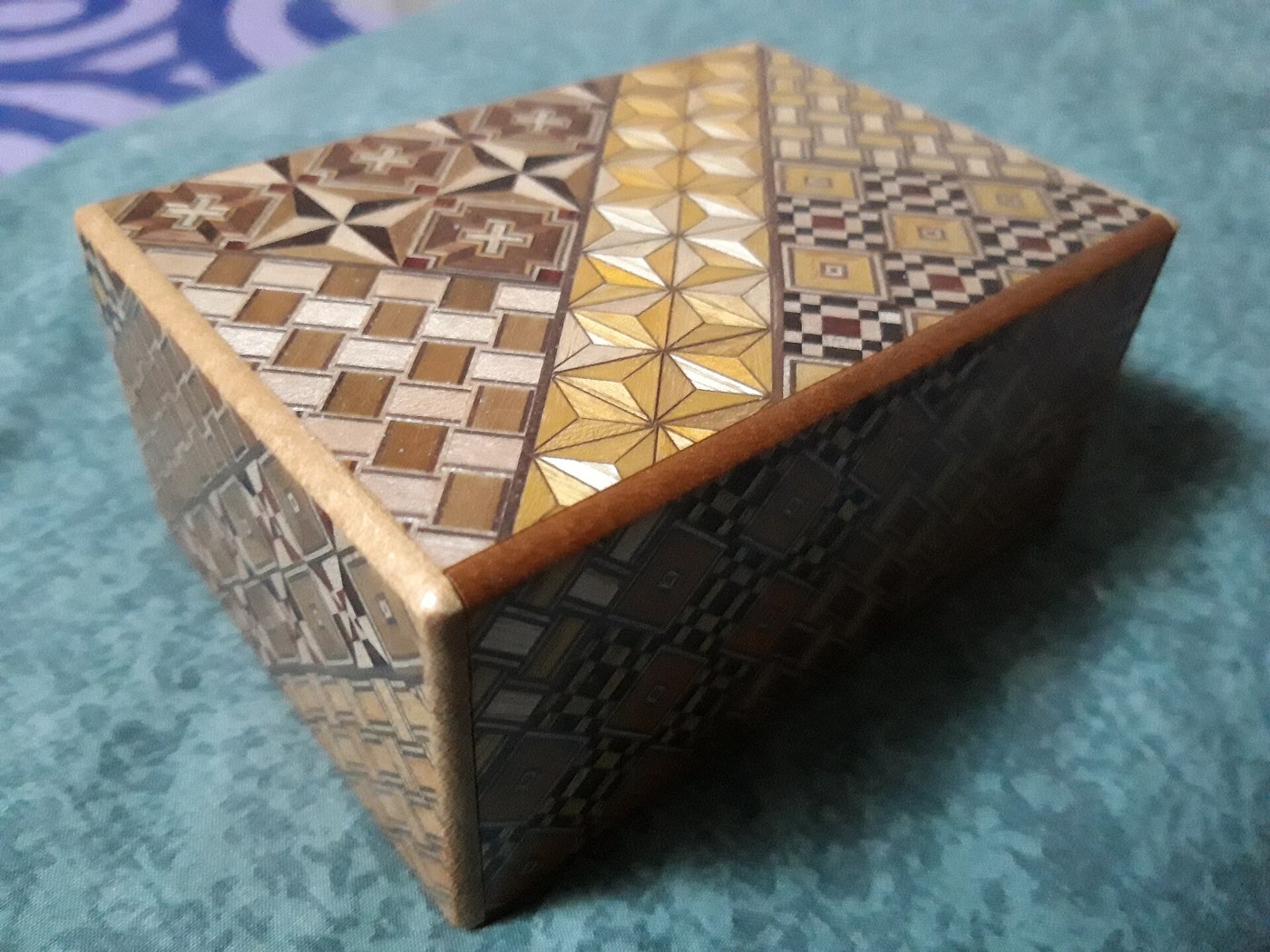
Himitsu-Bako Puzzle Box

A box with no key. No lock, no catch. It still will not open for anyone who does not know the order.

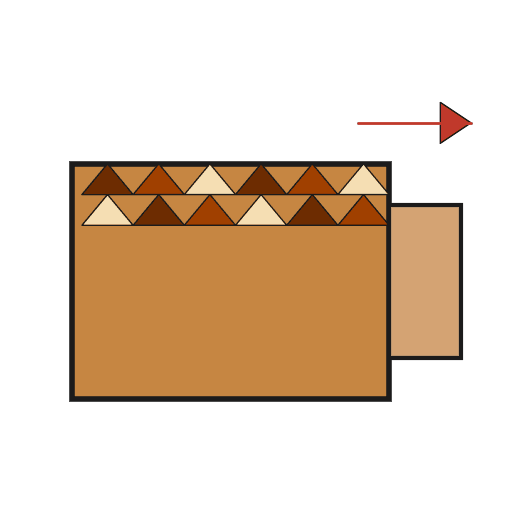
The mechanism is simple. One panel of the box moves a little. Once it has moved, the stop holding the next panel is released, and that panel can move. Each panel is the key to the next one. Some boxes open in four moves, some in more than seventy.

The hard part of making one is not the carving, it is the dimensions. Two tenths of a millimetre too little clearance and the panel will not move; too much and the box opens by itself. What the Hakone craftsmen have guarded is that accuracy, more than the pattern on the outside.

Дээд шат
15 hours

Зааварчилгаа

1

Start with a four-move box

Make a four-move box first. Add more steps to the mechanism only once you can make a single panel move reliably.

2

Choose wood that stays put

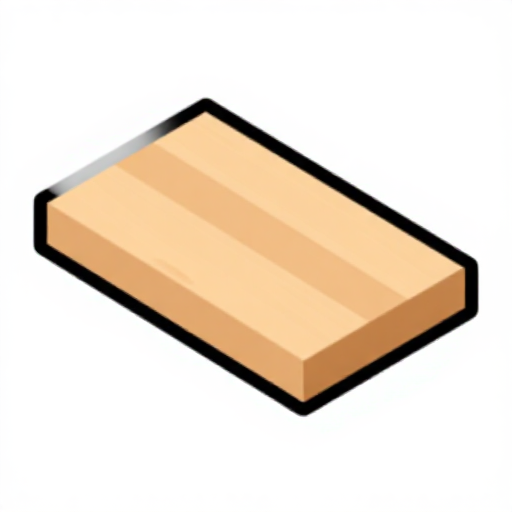
Use a well-dried, stable timber such as katsura or ho. Nearly every puzzle box that stops opening has been defeated by wood movement, so the choice of material is the box's lifespan.

Materials for this step:

Hardwood BoardHardwood Board1 ширхэг
3

Plane every panel to four millimetres

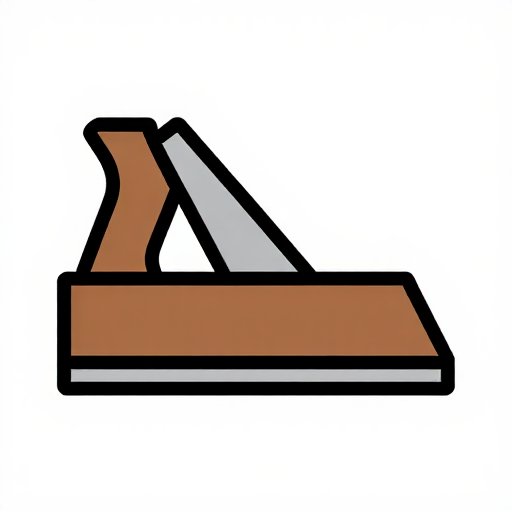
Bring all the panels to 4 mm thick and check each one. If the thicknesses vary, every dimension that follows is out.

Tools needed:

Hand PlaneHand Plane
Measuring RulerMeasuring Ruler
4

Build the carcase

Assemble the base and the four sides into an inner box. This part does not move; every part of the mechanism moves relative to it.

Materials for this step:

PVA Wood GluePVA Wood Glue20 мл
5

Cut the grooves in the sides

Cut the grooves the sliding panels run in, 1.5 mm deep. If the bottom of a groove is not flat, the panel jams halfway.

Tools needed:

Chisel Set (Wood)Chisel Set (Wood)
6

Make the first sliding panel

Make a panel that fits the groove and moves under light hand pressure. Too tight, pare it; too loose, make it again. Cutting corners here means starting over later.

7

Set the clearance at two tenths of a millimetre

Aim for 0.2 mm between panel and groove. Tighter and damp weather seizes it; looser and the box rattles open when shaken. That figure is the whole precision of the object.

8

Add a stop to the first panel

Fit a small projection to the back of the first panel that blocks the second panel from moving. This is the mechanism itself — everything after this is the same relationship repeated.

9

Make the second panel and create an order

Make the second panel so it can only move once the first has. The moment there is an order, the box becomes a puzzle box.

10

Build up to four panels

Add the third and fourth the same way. After every addition, run the whole sequence from the start to check it.

11

Make the last panel the lid

Let the final panel release the lid so the contents can be taken out. Only now is it usable as a box.

12

Work it a hundred times

Open and close it a hundred times. Places that wear loose and places that grow stiff will show themselves. Better now than in use.

13

Apply the yosegi facing

Glue thin shavings of yosegi marquetry to the outside. The geometric pattern hides the joints between panels, so you cannot tell by looking which part moves. It is decoration and mechanism at the same time.

Materials for this step:

Wood Veneer SheetWood Veneer Sheet1 хуудас
14

Finish with wax

Wax the surfaces and the grooves thinly. It slides better and takes up less moisture. Oil is avoided — it swells the wood.

Materials for this step:

BeeswaxBeeswax20 г
15

Write the sequence down and keep it elsewhere

Write the opening order on paper and store it away from the box. A forgotten puzzle box can only be opened by breaking it.

16

History & Context

Why Hakone. Hakone has an unusual range of tree species and sat on a busy travellers' road with a post town. The conditions for a souvenir woodworking trade were all there, and yosegi-zaiku marquetry is generally traced to about the 1830s, in the late Edo period.

The puzzle box itself. The secret box in its present form is credited to Ryugoro Okawa, a joiner of Hakone-Yumoto, in the 1890s. What he did was combine the yosegi facing with the trick-box mechanisms that already existed. The earliest ones were made at 5 sun (about 10x15x6 cm) and 6 sun (about 13x19x9 cm), and are recorded as taking between 54 and 66 moves to open.

The marquetry is there to hide things. Yosegi is made by gluing strips of differently coloured woods into a block of geometric pattern, then shaving that block into facing sheets around a tenth of a millimetre thick. The pattern visually erases the joints between panels. It looks like decoration and works as concealment — the cleverest thing about the whole object.

About the move count. Boxes range from four moves to seventy-two. A high count indicates difficulty, not quality. Whether the clearances are accurate, and whether it still moves the same way in ten years — that is what the maker is judged on.

Honestly. A puzzle box is not security. Break it and it opens in a minute. What it protects is not the contents; it is the difference between someone who knows the order and someone who does not.

Материал

4

Шаардлагатай багаж

3

CC0 Нийтийн домэйн

Энэ загвар CC0 дор гаргагдсан. Та зөвшөөрөл авахгүйгээр хуулах, өөрчлөх, түгээх, ашиглах боломжтой.

Загвараар дамжуулан бүтээгдэхүүн худалдаж авч Бүтээгчийг дэмжээрэй Бүтээгчийн шимтгэл Борлуулагчаар тогтоосон, эсвэл энэ загварын шинэ хувилбар үүсгэж орлогоо хуваахын тулд өөрийн загварт холбоос болгон оруулна уу.

Хэлэлцүүлэг

(0)

Нэвтрэх хэлэлцүүлэгт нэгдэхийн тулд

Loading comments...