

УРЛАГ
ГОО САЙХАН БА ЭРҮҮЛ МЭНД
ГАРААР ХИЙСЭН
СОЁЛ БА ТҮҮХ
ҮЗВЭР НААДАМ
БАЙГАЛЬ ОРЧИН
ХООЛ БА УНДАА
НОГООН ИРЭЭДҮЙ
УРВУУ ИНЖЕНЕРЧЛЭЛ
ШИНЖЛЭХ УХААН
СПОРТ
ТЕХНОЛОГИ
ӨМСДӨГ ХЭРЭГСЭЛ
Making Paper from Linen Rags — European Hand Papermaking
Tex

Зохиогч

Tex

26. Тавдугаар сар 2026FO
10
0
0
2
0

Making Paper from Linen Rags — European Hand Papermaking

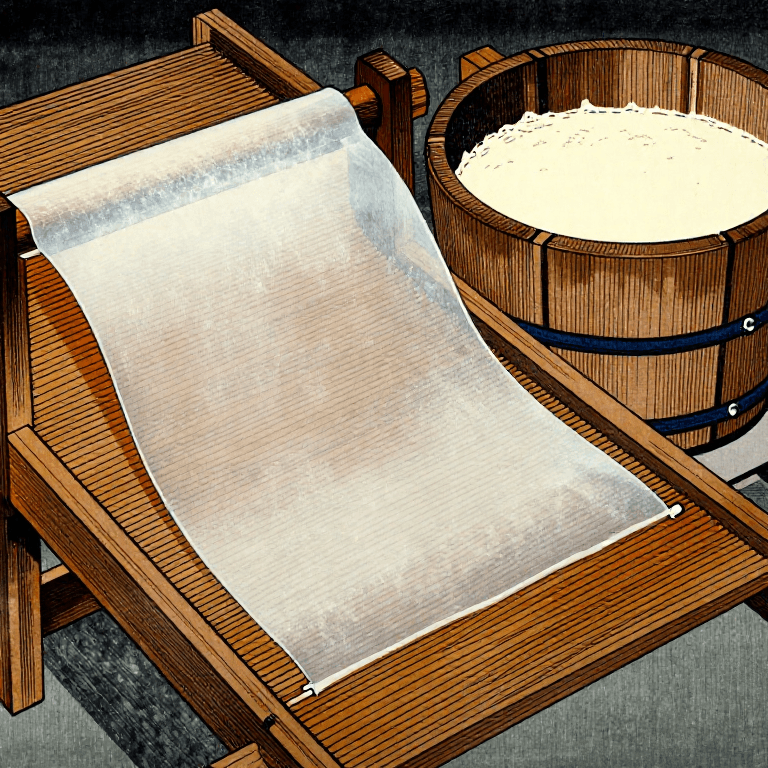
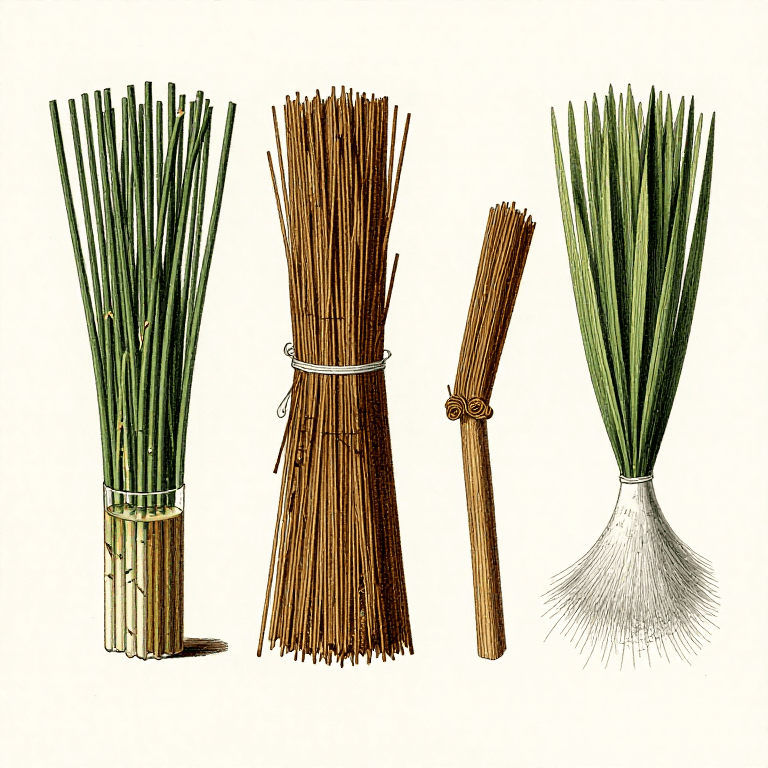
For over 500 years, European paper was made from linen and cotton rags — worn-out clothing and household textiles. Rag collectors gathered the material, papermakers cut it up, soaked it in water with lime or lye to break down the fibres, then beat it to a pulp in a stamping mill or with a mallet. The pulp was suspended in a vat of water, scooped onto a wire-mesh mould with a removable deckle frame, pressed between felts, and hung to dry. The result is a strong, archival-quality paper that lasts centuries — far superior to modern wood-pulp paper. This blueprint covers the full process as practised from the 13th century onward.

Дунд шат
2-3 days (including soaking and drying)

Зааварчилгаа

1

Sort and cut the linen rags

Collect clean linen or cotton rags — old shirts, tablecloths, or bedsheets work well. Remove buttons, seams, and any non-fabric elements. Cut into pieces approximately 3-5 cm square with heavy scissors.

Materials for this step:

Linen RagsLinen Rags500 г

Tools needed:

Heavy-duty Metal ShearsHeavy-duty Metal Shears
2

Soak the rags in water

Place the cut rags in a large wooden or plastic tub and cover with water. Add a handful of washing soda (sodium carbonate) to help break down the fibres. Soak for 24-48 hours, stirring occasionally. The rags should become soft and start to fall apart.

Materials for this step:

Sodium Carbonate (soda ash)Sodium Carbonate (soda ash)50 г
3

Cook the rags to break down fibres

Transfer the soaked rags and liquid to a large pot. Bring to a gentle simmer and cook for 2-3 hours, stirring occasionally. This softens the linen fibres and makes them easier to beat into pulp. Do not boil vigorously — gentle heat preserves fibre length.
4

Beat the rags into pulp

Drain the cooked rags and place a small handful at a time on a flat stone or wooden board. Beat with a wooden mallet or club, adding splashes of water as needed. The goal is to separate individual fibres without cutting them short. Beat until the material becomes a uniform, porridge-like pulp with no visible fabric structure.

Tools needed:

Wooden MalletWooden Mallet
5

Prepare the vat

Fill a large shallow tub (the 'vat') with warm water to a depth of about 15-20 cm. Add the beaten pulp and stir thoroughly to create a uniform suspension. The consistency should be thin — about 2-3% pulp to water. More pulp makes thicker paper.
6

Assemble the mould and deckle

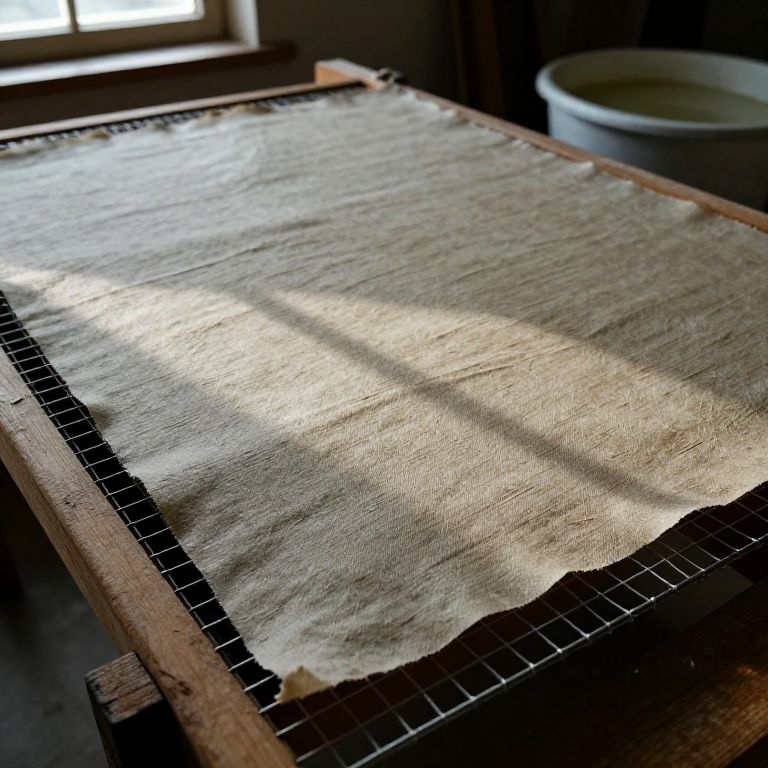
The mould is a flat wooden frame with a wire or cloth mesh stretched across it. The deckle is a second frame of the same size that sits on top without mesh — it acts as a fence to contain the pulp. Place the deckle on top of the mould and hold both firmly together.

Tools needed:

Papermaking Mould and DecklePapermaking Mould and Deckle
7

Dip and form the sheet

Stir the vat to re-suspend the pulp. Hold the mould and deckle vertically, dip into the far side of the vat, then scoop toward you while rotating to horizontal. Lift straight up out of the water in one smooth motion. Give the mould a gentle shake side-to-side and front-to-back to interlock the fibres and even out the sheet.
8

Drain and remove the deckle

Hold the mould level and let the water drain through the mesh for 30-60 seconds. The wet sheet of paper will be sitting on the mesh surface. Carefully lift off the deckle — the torn edge where pulp met the deckle frame is the characteristic 'deckle edge' of handmade paper.
9

Couch the sheet onto felt

Place a damp wool felt or thick blanket on a flat board. In one smooth rolling motion, flip the mould face-down onto the felt and press firmly. Lift the mould away — the wet paper sheet transfers onto the felt. This is called 'couching' (pronounced 'cooching').

Materials for this step:

Wool Felt SheetWool Felt Sheet1 ширхэг
10

Build a post of sheets and felts

Repeat the dipping, draining, and couching process. Alternate: felt, paper, felt, paper — building up a stack called a 'post.' Each sheet needs a felt separator to prevent the wet papers from bonding together. A typical post is 10-20 sheets.
11

Press the post to remove water

Place the post between two flat boards and apply heavy, even pressure — a screw press, clamps, or simply heavy weights stacked on top. Press for several hours or overnight. This squeezes out most of the water and compresses the fibres into a dense, flat sheet.

Tools needed:

Flat Wooden Press Board (pair)Flat Wooden Press Board (pair)
12

Separate and hang to dry

Carefully peel each sheet from its felt. The paper is still damp but strong enough to handle. Hang the sheets on a line or lay flat on a drying screen in a well-ventilated area. Avoid direct sunlight — slow, even drying prevents warping and curling.
13

Size the paper (optional)

Unsized paper absorbs ink like a blotting paper. To make it suitable for writing, dip the dried sheets briefly in a warm solution of animal-hide gelatin (2-3% concentration). Hang to dry again. Sizing fills the gaps between fibres and creates a smooth writing surface.
14

Press and finish

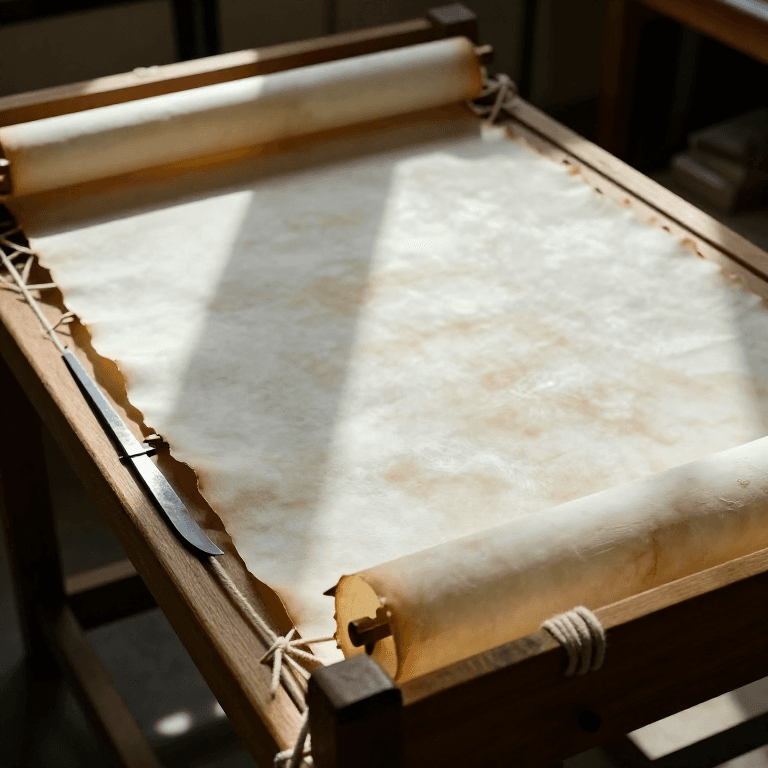
Stack the fully dried sheets between smooth boards and press again overnight for a flat finish. The paper is now complete — strong, smooth, and archival. Linen rag paper can last 500 years or more, compared to 50-100 years for wood-pulp paper.

Материал

3

Шаардлагатай багаж

4

Connected Blueprint Materials

Холбоотой загварууд

Эдгээр загварууд мэдлэг хуваалцдаг — арга техник, материал эсвэл зарчим
CC0 Нийтийн домэйн

Энэ загвар CC0 дор гаргагдсан. Та зөвшөөрөл авахгүйгээр хуулах, өөрчлөх, түгээх, ашиглах боломжтой.

Загвараар дамжуулан бүтээгдэхүүн худалдаж авч Бүтээгчийг дэмжээрэй Бүтээгчийн шимтгэл Борлуулагчаар тогтоосон, эсвэл энэ загварын шинэ хувилбар үүсгэж орлогоо хуваахын тулд өөрийн загварт холбоос болгон оруулна уу.

Хэлэлцүүлэг

(0)

Нэвтрэх хэлэлцүүлэгт нэгдэхийн тулд

Loading comments...