УРЛАГ
ГОО САЙХАН БА ЭРҮҮЛ МЭНД
ГАРААР ХИЙСЭН
СОЁЛ БА ТҮҮХ
ҮЗВЭР НААДАМ
БАЙГАЛЬ ОРЧИН
ХООЛ БА УНДАА
УРВУУ ИНЖЕНЕРЧЛЭЛ
ШИНЖЛЭХ УХААН
СПОРТ
ТЕХНОЛОГИ
ӨМСДӨГ ХЭРЭГСЭЛ
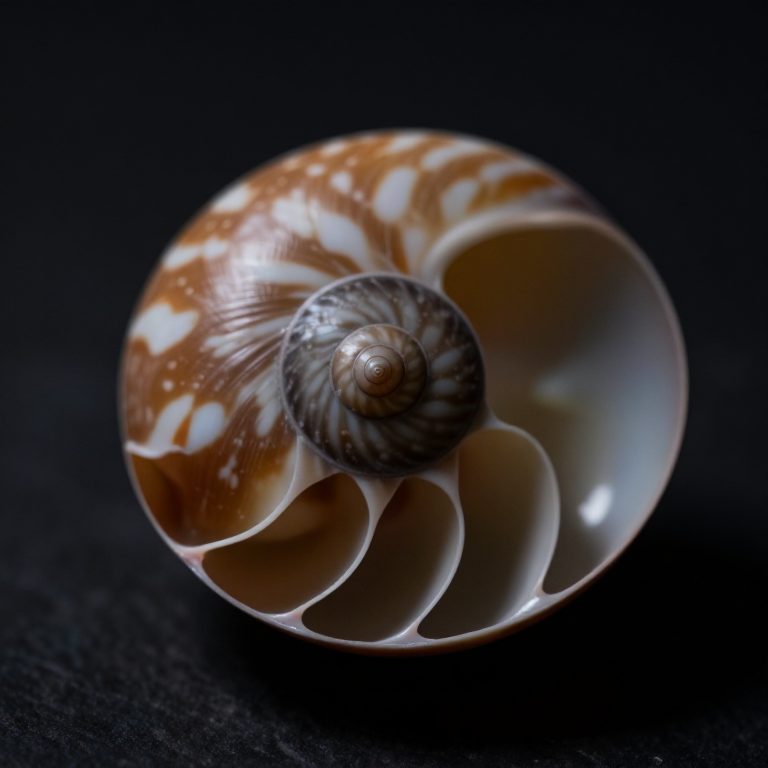


Fibonacci Numbers — Count the Spirals on a Pinecone
A hands-on maths project: count the two sets of spirals on a real pinecone or sunflower and discover they are Fibonacci numbers, then find the golden ratio hiding in the sequence. A Python cell shows the ratios closing in on 1.618, and a compendium separates the real maths of nature from the myths.
Анхан шат
30 minutes
Зааварчилгаа
1
1
Nature's favourite numbers
Nature's favourite numbers
In 1202 Leonardo of Pisa -- Fibonacci -- wrote down a sequence where each number is the sum of the two before: 1, 1, 2, 3, 5, 8, 13, 21... The astonishing thing is that plants count with these numbers, and you can check it yourself.
2
2
Count the spirals
Count the spirals
Take a pinecone (a sunflower head or a pineapple works too). Look at the base: the scales form spirals winding one way and another set winding the other way. Mark a starting scale and count the spirals going clockwise, then count those going anticlockwise. Write both numbers down.
Шаардлагатай багаж:
 Бал харандааны иж бүрдэл
 Царс, нарсны боргоцойн урлалын хайрцаг
3
3
Find the Fibonacci numbers
Find the Fibonacci numbers
Your two spiral counts are almost always two numbers that sit next to each other in the Fibonacci sequence -- very often 8 and 13, or 5 and 8, or 13 and 21. Check them against the sequence 1, 1, 2, 3, 5, 8, 13, 21, 34. Plants grow this way because it packs the seeds most efficiently.
Шаардлагатай багаж:
 Тооны машин
4
4
Meet the golden ratio
Meet the golden ratio
Jupyter дэвтэр ачаалж байна…
Шаардлагатай багаж:
 Ширээний компьютерТооны машин
5
5
Compendium: real patterns and tall tales
Compendium: real patterns and tall tales
What is true and what is exaggerated. (1) Fibonacci spiral counts in pinecones, sunflowers, pineapples and daisy petals are REAL, and happen because each new part grows at the 'golden angle' of about 137.5 degrees, which packs them tightest. (2) The ratio of neighbouring Fibonacci numbers genuinely approaches the golden ratio, phi = (1 + square root of 5) over 2 = 1.618..., the number satisfying phi-squared = phi + 1. (3) But be sceptical of claims that the golden ratio rules the Parthenon, the Mona Lisa or the 'perfect' face -- many are cherry-picked or made up. The maths in the pinecone is beautiful and real; not every romantic story about it is.
Материал
1- 1 хуудасТүр орлуулагч
Шаардлагатай багаж
4- Түр орлуулагч
- Түр орлуулагч
- Түр орлуулагч
- Түр орлуулагч
Холбоотой загварууд
Эдгээр загварууд мэдлэг хуваалцдаг — арга техник, материал эсвэл зарчим

CC0 Нийтийн домэйн
Энэ загвар CC0 дор гаргагдсан. Та зөвшөөрөл авахгүйгээр хуулах, өөрчлөх, түгээх, ашиглах боломжтой.
Загвараар дамжуулан бүтээгдэхүүн худалдаж авч Бүтээгчийг дэмжээрэй Бүтээгчийн шимтгэл Борлуулагчаар тогтоосон, эсвэл энэ загварын шинэ хувилбар үүсгэж орлогоо хуваахын тулд өөрийн загварт холбоос болгон оруулна уу.