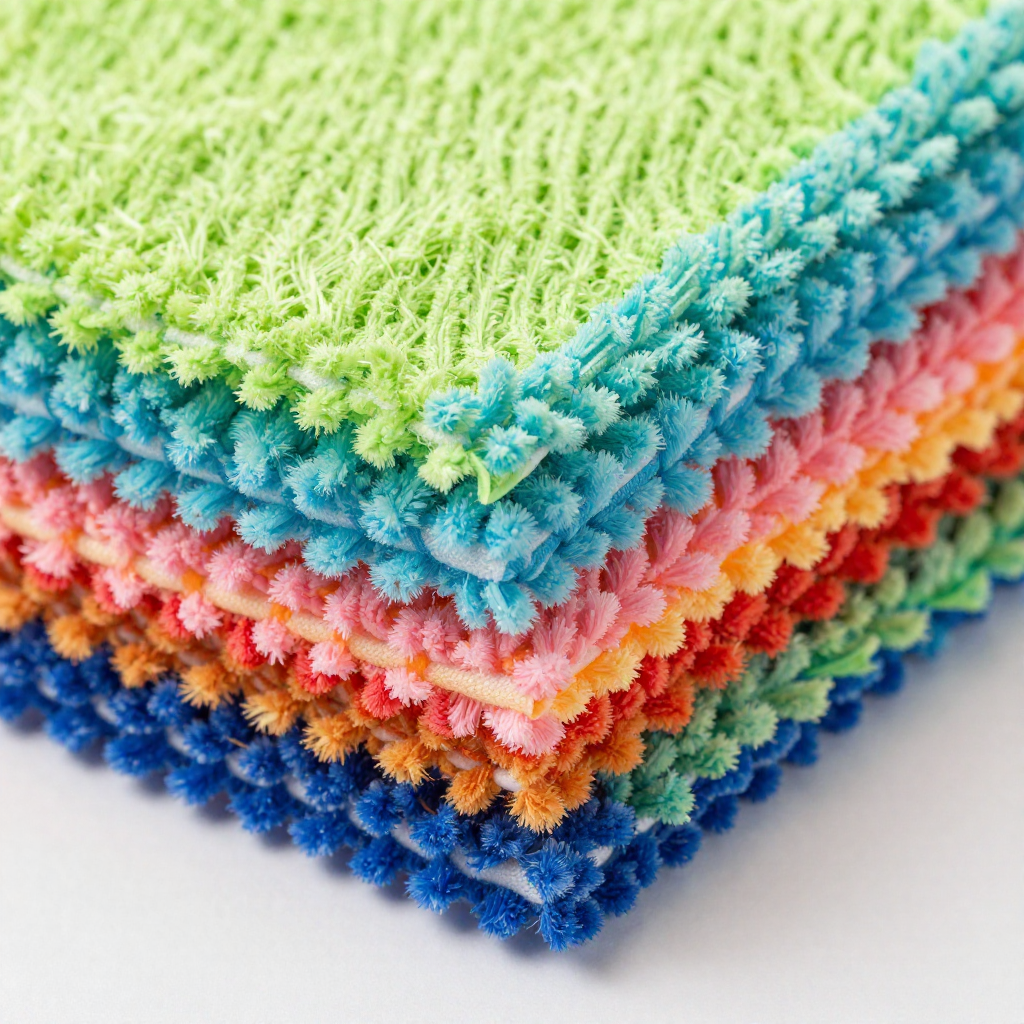

Microfiber — Ultra-Fine Synthetic Fibers That Outperform Natural Textiles
In 1986, the Japanese synthetic fiber producer Toray Industries introduced Ultrasuede — the first commercially successful microfiber fabric, developed through a decade of research led by Dr. Miyoshi Okamoto. Microfiber is defined as any synthetic fiber finer than 1 denier per filament (1 denier = the weight in grams of 9,000 meters of fiber). For comparison, a human hair is approximately 50–100 denier, and a single silk filament is about 1.1 denier. Modern microfibers range from 0.5 denier down to 0.01 denier — fibers so fine that 10 kilometers of filament weighs less than one gram.
The technology emerged from the convergence of two innovations: bicomponent fiber spinning and fiber splitting. In bicomponent spinning, two different polymers (typically polyester and polyamide/nylon) are extruded together through a single spinneret hole in a carefully designed cross-sectional configuration — either 'islands-in-a-sea' (tiny polyester islands embedded in a dissolvable nylon matrix) or 'segmented pie' (alternating wedge-shaped segments of polyester and nylon, like slices of a pie). After spinning, the bicomponent fiber is split into its individual components by dissolving the sea polymer, by mechanical action, or by chemical treatment — each 'island' or 'segment' becomes a separate ultra-fine filament.
The resulting microfiber fabrics have properties that seem paradoxical for synthetic materials: they are softer than silk, more absorbent than cotton (the tiny fibers create enormous surface area), warmer per unit weight than wool, and capable of cleaning surfaces without chemicals (the fine fibers wedge into microscopic crevices and trap particles). Microfiber transformed cleaning products, activewear, luxury fashion (suede alternatives), optical lens cleaning, and filtration. Global microfiber production exceeds 3 million tonnes per year. The technology also created a new environmental concern: microfiber shedding during laundering releases billions of plastic microparticles into waterways per wash cycle.
Зааварчилгаа
Understand the denier scale
Understand the denier scale
Fiber fineness is measured in denier — the weight in grams of 9,000 meters of fiber. A single silk filament is about 1.1 denier. A standard polyester fiber is 1.5–6 denier. Microfiber is defined as any fiber below 1 denier per filament — sub-denier. The finest commercial microfibers are 0.01–0.05 denier per filament: a single such filament is 10–50 times finer than silk and 1,000 times finer than a human hair. The extreme fineness gives microfiber its unique properties: softness (more bending flexibility), absorbency (enormous surface area per unit weight), and cleaning ability (filaments small enough to enter surface pores).
Prepare two polymers for bicomponent spinning
Prepare two polymers for bicomponent spinning
Select two polymers with different properties — most commonly polyester (PET) and polyamide (nylon 6 or nylon 6,6). The polymers must be compatible enough to be co-extruded but separable after spinning. Melt each polymer separately in its own extruder at the appropriate temperature: PET at 280–290°C, nylon at 250–270°C. The two melt streams are fed to a special bicomponent spinning pack that combines them into a single cross-section at the spinneret. The polymer ratio is typically 70–80% polyester to 20–30% nylon.
Энэ алхмын материал:
 Этилен гликол200 мл
 Нейлоны давс200 г
Extrude through a bicomponent spinneret
Extrude through a bicomponent spinneret
The bicomponent spinning pack contains a distribution plate — a precision-machined metal disc with internal channels that direct the two polymer melts into the desired cross-sectional configuration. In 'segmented pie' configuration, the two polymers alternate in 8–32 wedge-shaped segments radiating from the center, like slices of a pie. In 'islands-in-a-sea' configuration, dozens to hundreds of tiny circles of one polymer (the islands) are embedded in a matrix of the other (the sea). Each spinneret hole produces one bicomponent filament that contains both polymers in this engineered cross-section.
Cool and collect the bicomponent filaments
Cool and collect the bicomponent filaments
Cool the extruded bicomponent filaments with cross-flow air, apply a spin finish (lubricant), and wind them onto bobbins — the same quench and take-up process used for standard polyester or nylon fiber. At this stage, each filament looks and feels like a conventional synthetic fiber — approximately 3–5 denier. The bicomponent structure is invisible to the naked eye and can only be seen under a microscope that reveals the pie-slice or islands-in-a-sea cross-section. The microfiber is hidden inside, waiting to be released.
Draw the filaments to orient the molecules
Draw the filaments to orient the molecules
Pass the bicomponent filaments over heated rollers, stretching them to 3–5 times their original length. This drawing step orients the polymer chains in both the polyester and nylon components, increasing strength and reducing elongation — identical in principle to the drawing of standard polyester or nylon fibers. The bicomponent structure survives the drawing intact because both polymers deform together. After drawing, the filaments are stronger and finer, but still in their unsplit bicomponent form.
Split the fibers to release the microfilaments
Split the fibers to release the microfilaments
This is the critical step that creates microfiber. For segmented-pie fibers, the splitting is done mechanically — the fabric is passed through high-pressure water jets (hydroentanglement) or between textured rollers that flex and separate the wedge segments. The differential shrinkage between polyester and nylon during hot water treatment also helps the segments peel apart. For islands-in-a-sea fibers, the sea polymer (often a soluble polyester or polylactic acid) is dissolved away chemically in an alkaline bath, leaving only the islands — each one a standalone microfilament of 0.01–0.1 denier.
Examine the split microfiber cross-section
Examine the split microfiber cross-section
Under a scanning electron microscope, the split microfiber reveals its structure. A segmented-pie fiber that was 3 denier before splitting has become 16 individual wedge-shaped microfilaments of approximately 0.2 denier each. An islands-in-a-sea fiber that contained 37 islands has become 37 individual round microfilaments of 0.05 denier each. The total surface area per gram of fiber has increased by 10–50 times compared to the unsplit bicomponent fiber. This enormous surface area is responsible for microfiber's absorbency — a microfiber cloth can hold 7–8 times its own weight in water, versus 1–2 times for cotton.
Knit or weave the microfiber into fabric
Knit or weave the microfiber into fabric
Microfiber yarn can be processed on standard textile machinery. For cleaning cloths and wipes, the fabric is typically warp-knitted on a raschel machine, producing a looped or terry structure that maximizes surface area for dirt and liquid capture. For apparel (artificial suede, performance fabrics), the microfiber is woven or warp-knitted into a dense fabric and then napped — brushed to raise a short, dense pile that mimics natural suede or velvet. The extreme fineness of the filaments produces a pile so dense and soft that it is indistinguishable from animal suede by touch.
Understand the cleaning mechanism
Understand the cleaning mechanism
Microfiber cleaning cloths work through three physical mechanisms, no chemicals required. First, the ultra-fine filaments (typically 0.1–0.3 denier) are thin enough to enter microscopic surface pores that conventional cotton fibers cannot reach. Second, the enormous number of filaments per unit area creates millions of tiny hooks and loops that trap dirt, dust, and bacteria by mechanical entanglement. Third, the wedge-shaped cross-section of split-pie microfibers creates a scraping edge that lifts particles from surfaces. A single microfiber cloth contains approximately 200,000 fibers per square inch — versus 10,000 for cotton — providing vastly more contact points per wipe.
Create artificial suede (Ultrasuede)
Create artificial suede (Ultrasuede)
Toray's Ultrasuede — the product that launched the microfiber industry — uses islands-in-a-sea technology. Polyester islands (0.01–0.05 denier each) are embedded in a soluble sea polymer. The bicomponent fiber is needle-punched into a nonwoven sheet, impregnated with polyurethane for body and drape, and the sea polymer is dissolved to release the microfilaments. The resulting material has the soft nap, warmth, and luxurious hand-feel of genuine suede leather — but it is washable, stain-resistant, lighter, and uniform in quality. Ultrasuede is used in luxury automotive interiors, fashion garments, and high-end furniture.
Understand the microplastic shedding concern
Understand the microplastic shedding concern
Every laundry cycle releases microfiber fragments from synthetic textiles. A single domestic wash load can shed 700,000–12,000,000 microfiber particles, depending on the fabric type, wash conditions, and machine type. These microplastic fibers — typically 0.1–5 mm long — pass through wastewater treatment plants and enter rivers, lakes, and oceans. Microfibers have been found in deep-sea sediments, Arctic ice, drinking water, and human blood. They adsorb waterborne pollutants and are ingested by marine organisms, entering the food chain. The textile industry is responding with microfiber-catching laundry bags, washing machine filters, and fiber coatings that reduce shedding — but no solution eliminates the problem entirely.
Understand microfiber's place in textile innovation
Understand microfiber's place in textile innovation
Microfiber demonstrated that fiber geometry — not just chemistry — could create entirely new material properties. The same polyester and nylon used in conventional textiles, when engineered into sub-denier filaments through bicomponent spinning and splitting, produce fabrics softer than silk, more absorbent than cotton, and more effective at cleaning than any natural textile. This was a process innovation, not a materials innovation — an echo of Dyneema, where processing transformed a common polymer into a high-performance fiber. Today, microfiber technology underpins performance sportswear, medical wipes, optical cleaning, industrial filtration, and the synthetic leather industry. The environmental cost of microplastic shedding remains the technology's unresolved challenge — one that may drive the next generation of fiber innovation toward biodegradable microfibers or closed-loop textile systems.
Материал
2- 200 млТүр орлуулагч
- 200 гТүр орлуулагч
Холбогдсон загварын материал
Polyester (PET) — The Fiber That Clothed the World
Tex зохиосон
Нэхмэл ба савхи
Nylon — The First Fully Synthetic Fiber from Coal, Air, and Water
Tex зохиосон
Нэхмэл ба савхи
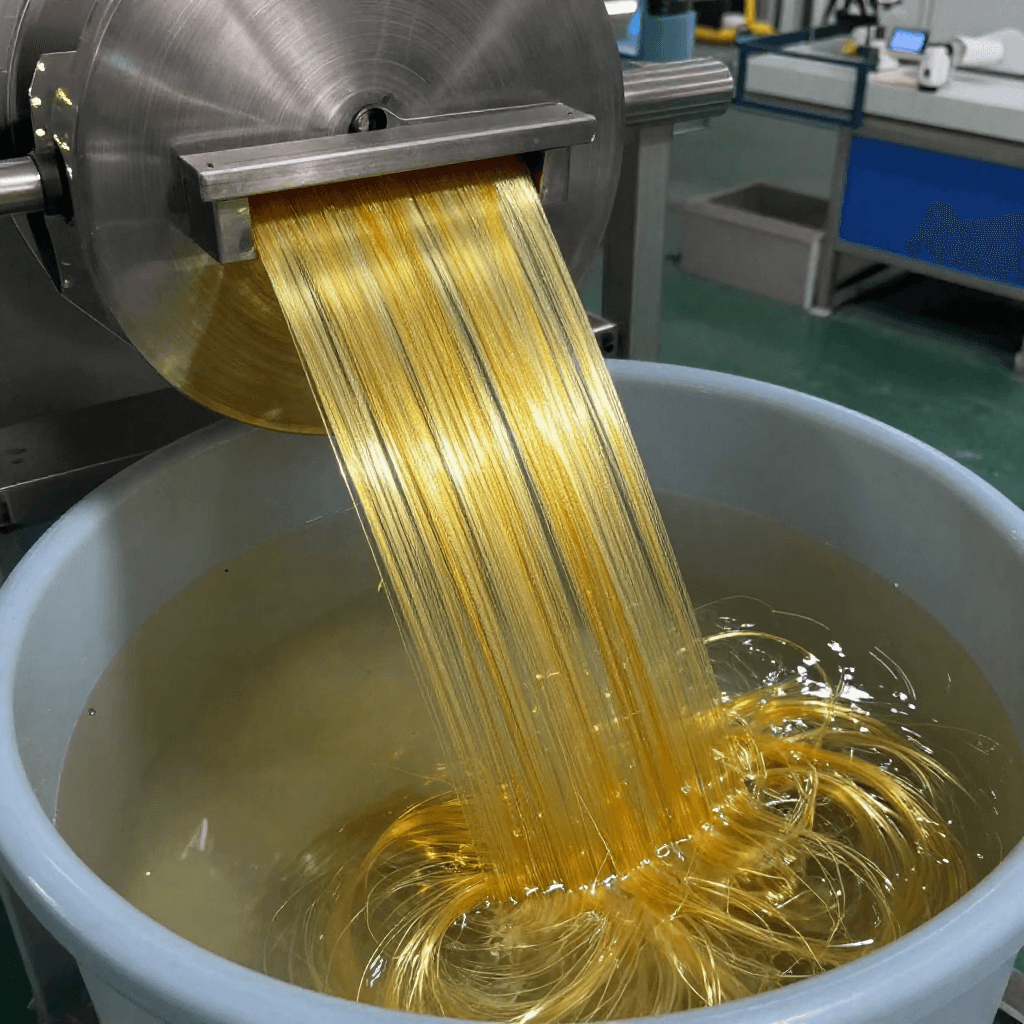
Viscose Rayon — The First Artificial Fiber from Wood Cellulose
Tex зохиосон
Нэхмэл ба савхи
Энэ загвараар хийдэг

Холбоотой загварууд
Эдгээр загварууд мэдлэг хуваалцдаг — арга техник, материал эсвэл зарчим
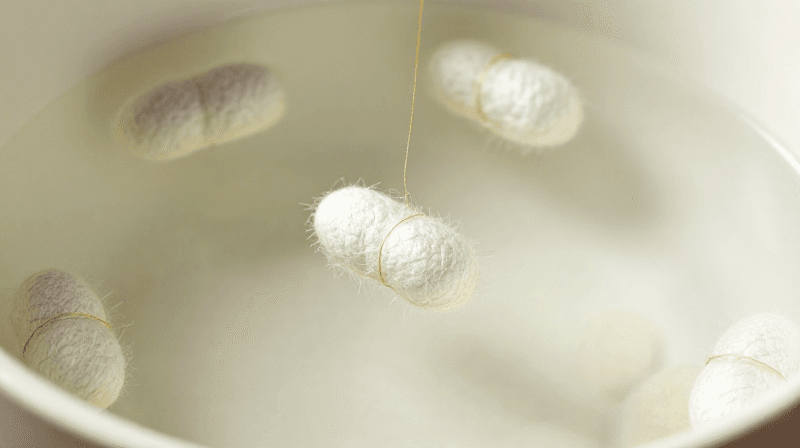
Reeling Silk from Cocoons — Unwinding the Continuous Filament
Tex зохиосон
Нэхмэл ба савхи
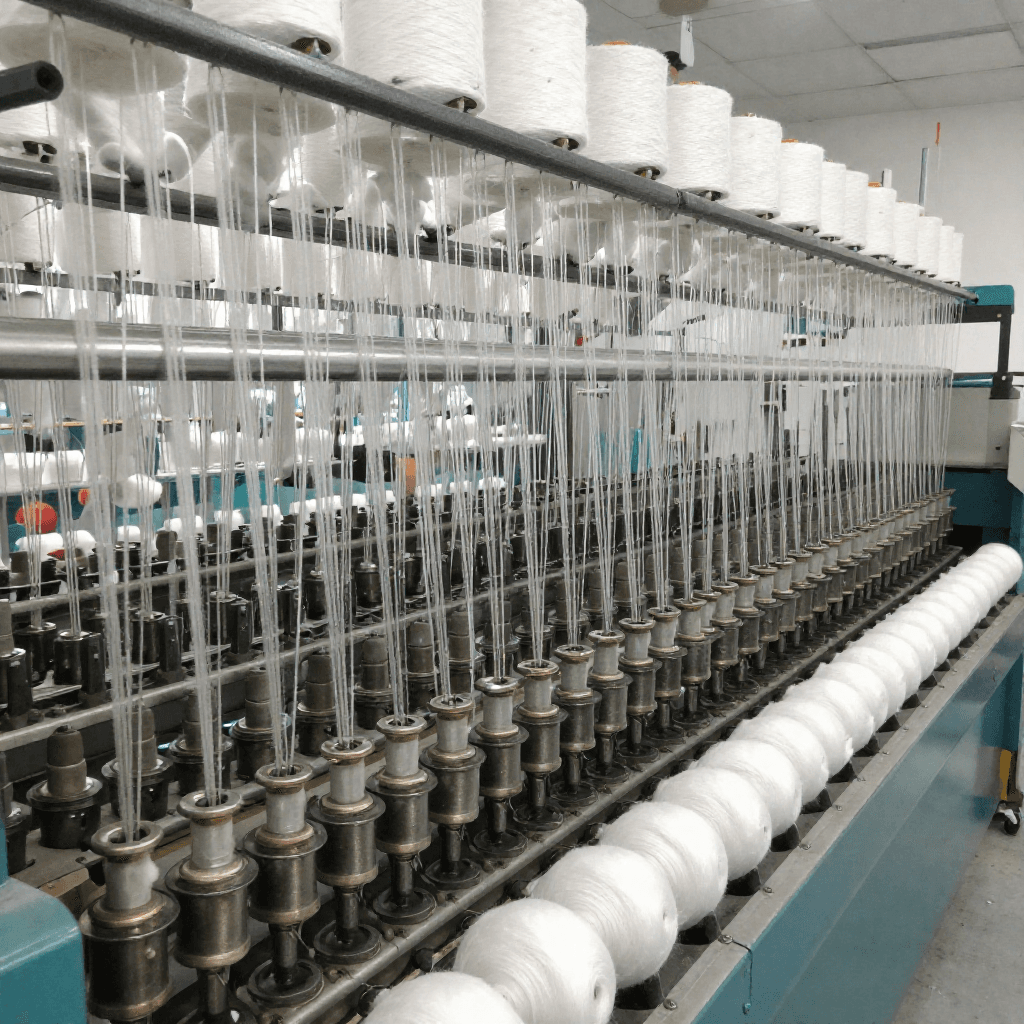
The Ring Spinning Frame — Continuous Yarn Production with Ring and Traveler
Tex зохиосон
Нэхмэл ба савхи
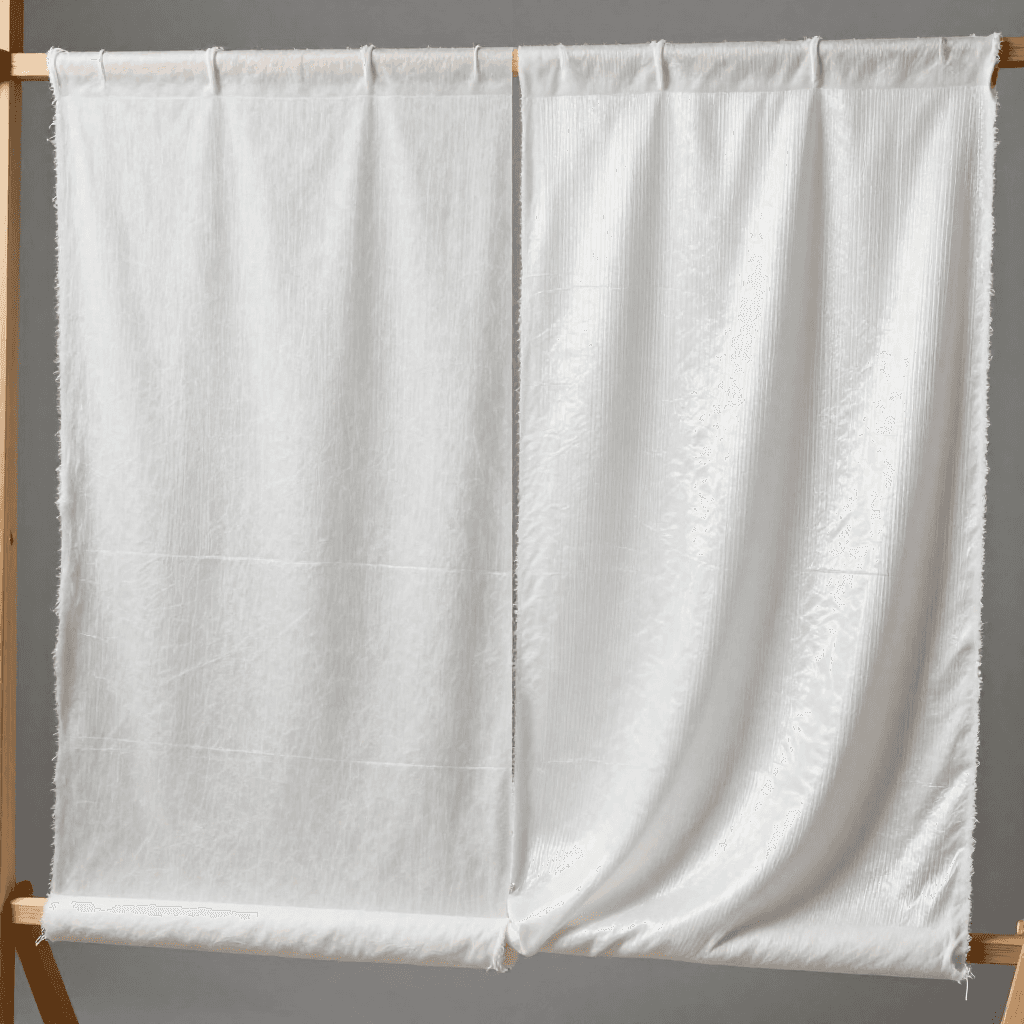
Mercerization — Treating Cotton with Caustic Soda for Luster and Strength
Tex зохиосон
Нэхмэл ба савхи
CC0 Нийтийн домэйн
Энэ загвар CC0 дор гаргагдсан. Та зөвшөөрөл авахгүйгээр хуулах, өөрчлөх, түгээх, ашиглах боломжтой.
Загвараар дамжуулан бүтээгдэхүүн худалдаж авч Бүтээгчийг дэмжээрэй Бүтээгчийн шимтгэл Борлуулагчаар тогтоосон, эсвэл энэ загварын шинэ хувилбар үүсгэж орлогоо хуваахын тулд өөрийн загварт холбоос болгон оруулна уу.