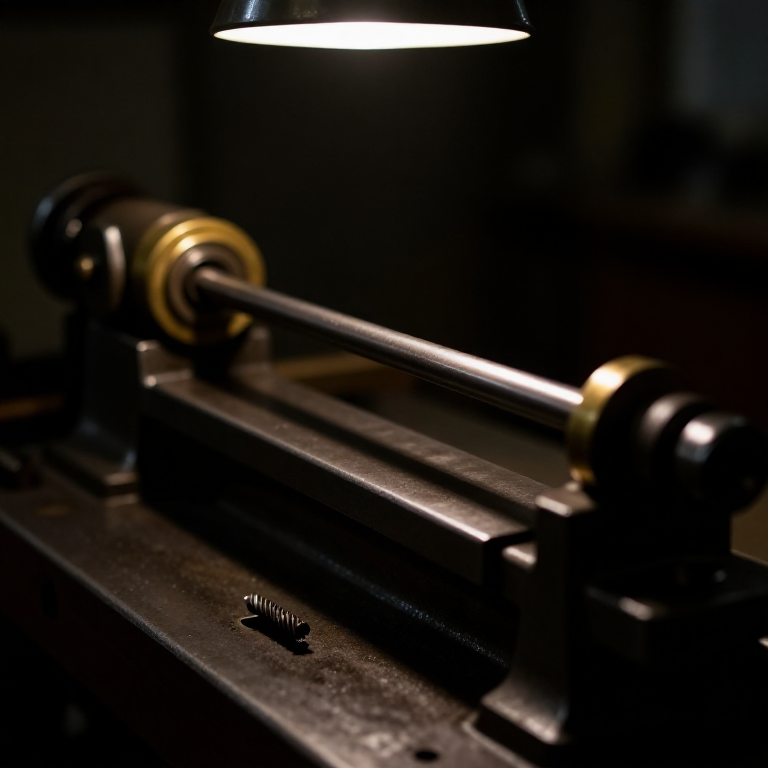


Building a Screw-Cutting Lathe — The Machine That Makes Other Machines
Almost every precise machine ever built was, in the end, made by a lathe. Around 1800 the English engineer Henry Maudslay turned the lathe from a craftsman's tool into a precision instrument, and in doing so created the machine tool that made the age of interchangeable parts possible.
Before him, screws were filed by hand and no two matched. Maudslay added three things that changed everything: a rigid iron bed with truly flat ways, a sliding tool holder — the slide rest — that carried the cutting tool steadily instead of a shaking human hand, and a lead screw geared to the spindle so the tool advanced automatically at an exact rate. Choose the gear ratio and the lathe cuts a screw thread of any pitch you like, perfectly and repeatably.
From that came standard screws, accurate cylinders, and parts so consistent they were interchangeable. A screw-cutting lathe can even make the parts for another lathe, which is why it is called the mother machine — the root of the whole tree of industrial manufacturing.
Зааварчилгаа
Understand why it matters
Understand why it matters
Cast a rigid iron bed
Cast a rigid iron bed
Энэ алхмын материал:
 Цутгамал төмрийн туйван60 кг
Шаардлагатай багаж:
 Гилбэрийн иж бүрдэл
Mount the headstock and spindle
Mount the headstock and spindle
Энэ алхмын материал:
 Зөөлөн ган гулдмай10 кг
 Гуулин баганз2 кг
Fit the tailstock
Fit the tailstock
Build the slide rest
Build the slide rest
Энэ алхмын материал:
Цутгамал төмрийн туйван8 кгFit the lead screw
Fit the lead screw
Энэ алхмын материал:
Зөөлөн ган гулдмай12 кгSet up change gears
Set up change gears
Энэ алхмын материал:
 Солих араагийн багц1 багц
Mount the work and tool
Mount the work and tool
Энэ алхмын материал:
 Эргүүлэх машины хэрчих хэрэгсэл1 ширхэг
Turn a true cylinder
Turn a true cylinder
Шаардлагатай багаж:
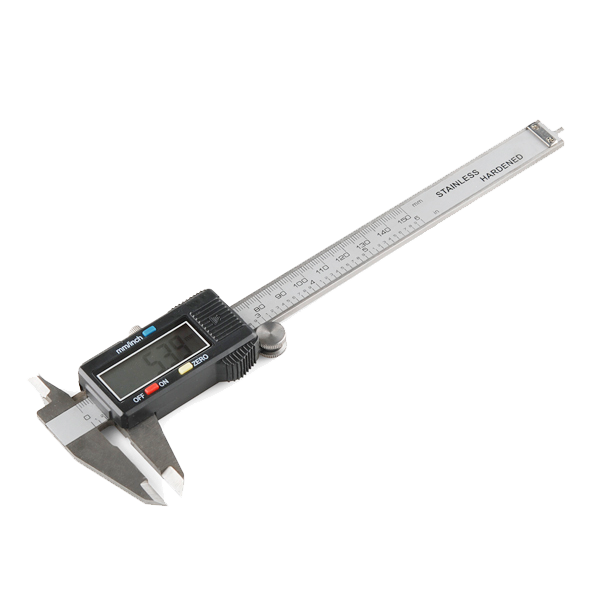 Calipers
Cut a screw thread
Cut a screw thread
Шаардлагатай багаж:
 Ирмэгийн хэмжүүр
Measure and standardise
Measure and standardise
Шаардлагатай багаж:
 Микрометр
Appreciate the mother machine
Appreciate the mother machine
Материал
5- Түр орлуулагч
- 22 кгТүр орлуулагч
- 2 кгТүр орлуулагч
- 1 багцТүр орлуулагч
- 1 ширхэгТүр орлуулагч
Шаардлагатай багаж
4- Түр орлуулагч
- Digital Calipers - 152.4 mm10% комисс$14.06
- Түр орлуулагч
- Түр орлуулагч
Холбоотой загварууд
Эдгээр загварууд мэдлэг хуваалцдаг — арга техник, материал эсвэл зарчим
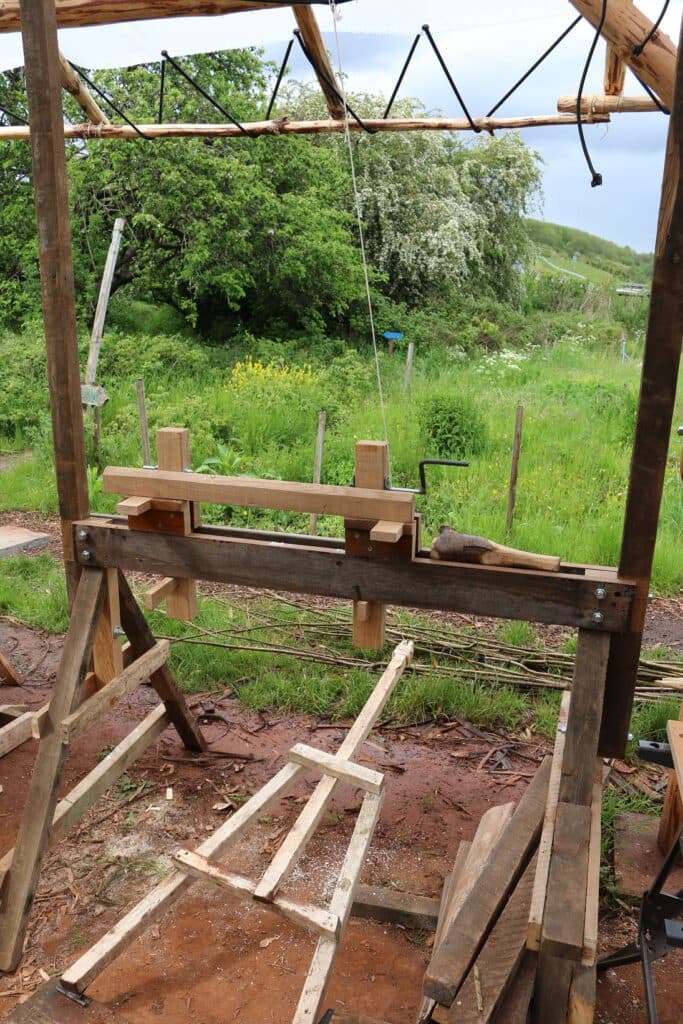

CC0 Нийтийн домэйн
Энэ загвар CC0 дор гаргагдсан. Та зөвшөөрөл авахгүйгээр хуулах, өөрчлөх, түгээх, ашиглах боломжтой.
Загвараар дамжуулан бүтээгдэхүүн худалдаж авч Бүтээгчийг дэмжээрэй Бүтээгчийн шимтгэл Борлуулагчаар тогтоосон, эсвэл энэ загварын шинэ хувилбар үүсгэж орлогоо хуваахын тулд өөрийн загварт холбоос болгон оруулна уу.