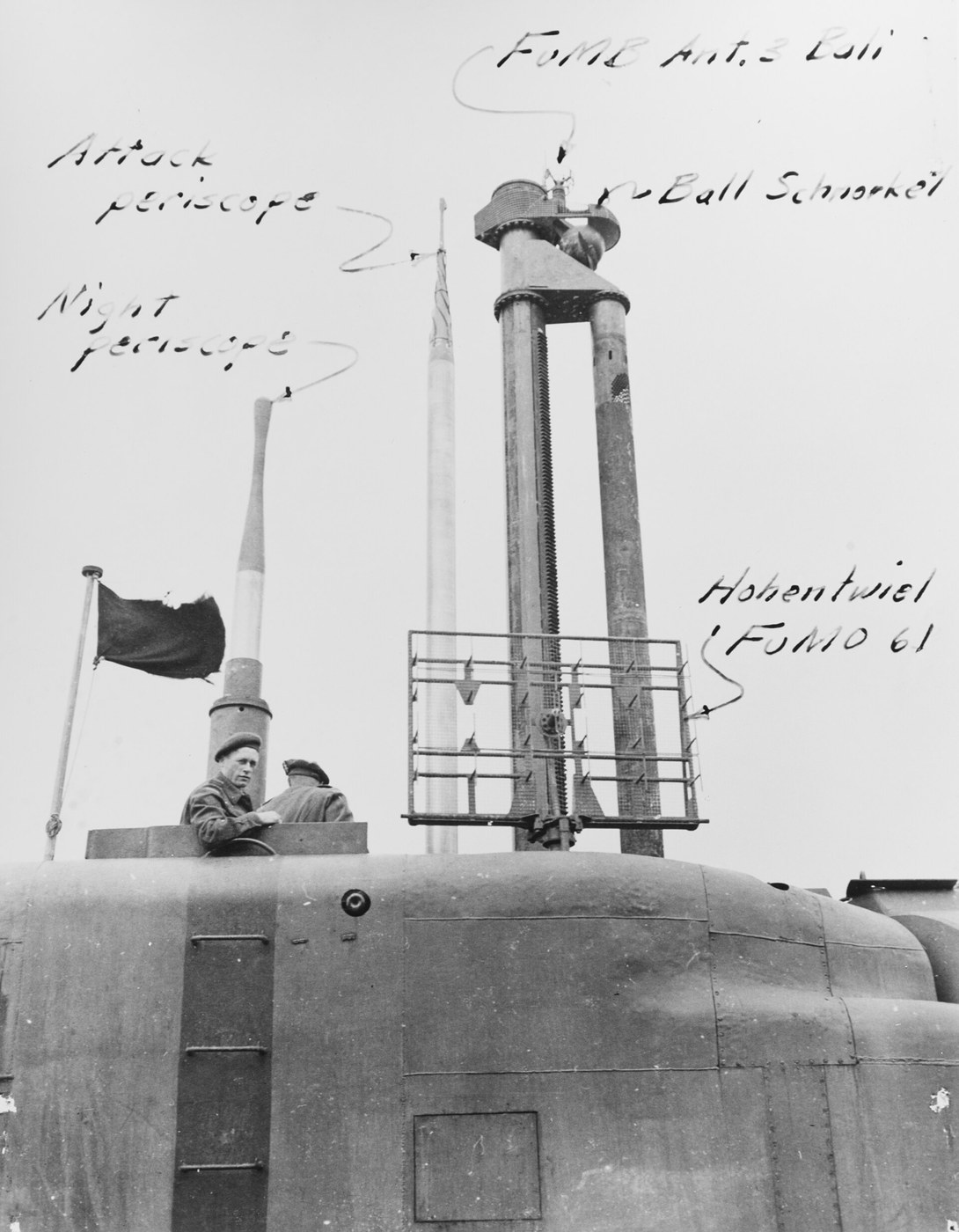


The Submarine Snorkel
Зааварчилгаа
Build the head float valve
Build the head float valve
The whole device is a tube and one valve that must close before water gets in and open again immediately after.
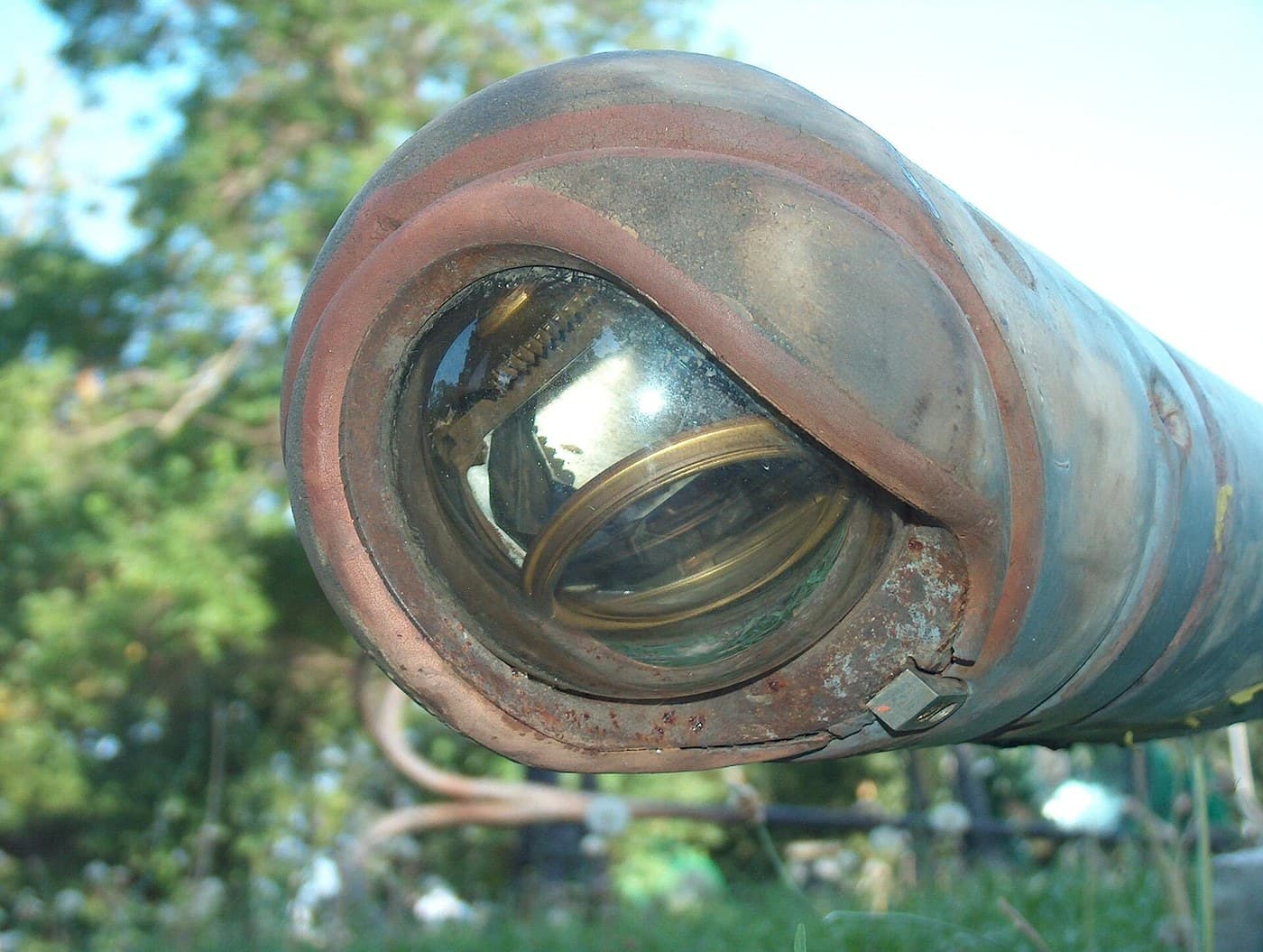
- Make a vertical tube with a chamber at the top containing a buoyant float and a seat above it.
- Arrange the float so that rising water lifts it onto the seat and seals the intake.
- Test by raising the water level slowly and confirming the seal, then lowering it and confirming the float drops away cleanly.
- Now raise the level FAST, simulating a wave slapping over the head, and watch the timing.
The valve must be fast enough to beat a wave and light enough to reopen the instant the wave passes. Too heavy and it floods; too light and it chatters shut on spray, cutting the engines repeatedly.
Reverse-engineering note: the float is usually a hollow metal ball or a disc with a ring float, deliberately made with very little mass so its inertia does not delay it. There is no actuator, no sensor and no power — the sea closes the valve itself, which is the same self-actuating family as the helmet check valve in part 1.Энэ алхмын материал:
 ПВХ хоолой1 ширхэг
 Ширээний теннисний бөмбөг4 ширхэг
 Битүүмжлэх цагаригийн багц1 багц
 Силиконон битүүлэгч1 tube
Шаардлагатай багаж:
 Нөөц иртэй урлалын хутга
 Дижитал штангенциркуль 6 инч
 Удаашруулсан бичлэгтэй ухаалаг утас
What happens when the valve shuts and the engine does not
What happens when the valve shuts and the engine does not
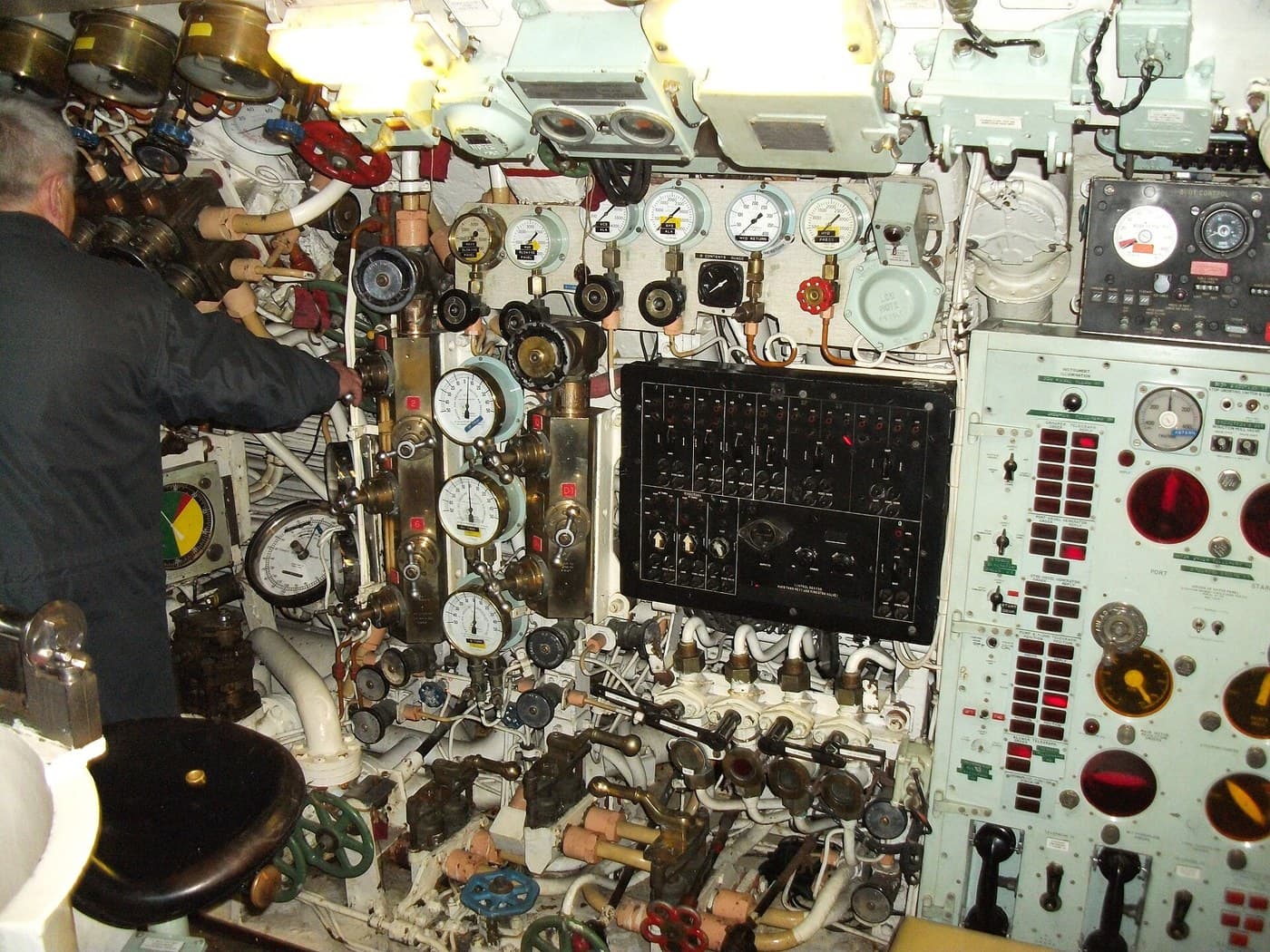
Trace the middle path carefully, because it is the one that killed people. A submarine diesel consumes an enormous volume of air, and the pressure hull is a sealed box of finite volume. Seal the intake with the engine running and the boat itself becomes the air supply.
The pressure drop is fast and physically painful — crews described ruptured eardrums and men collapsing. Worse, if the differential grows large enough the engine can begin drawing its own exhaust back down the exhaust mast, filling the boat with carbon monoxide.
The fix is a pressure-sensing air shutoff that stops the engines automatically, and it must act on hull pressure rather than on the valve position — because the valve closing is normal and expected, while the hull pressure falling is the actual danger.
That distinction is the same lesson as the landing-gear indicator in the aviation batch: instrument the outcome, not the command. A sensor on the float tells you the valve shut. A sensor on hull pressure tells you the crew is in trouble.Flow
Шаардлагатай багаж:
 Ширээний компьютер
Size the mast and compute the pressure drop
Size the mast and compute the pressure drop
Шаардлагатай багаж:
Ширээний компьютерExhaust back-pressure and the wake you leave
Exhaust back-pressure and the wake you leave
The intake is only half the mast. The exhaust has to push against the sea.
- Compute the water pressure at the exhaust outlet for periscope depth — a few metres down.
- Compare that with the exhaust back-pressure a diesel will tolerate.
- Now submerge a tube discharging air a metre under water and observe the surface.
The engine must push its exhaust out against sea pressure, which costs power and limits how deep the boat can snorkel — a few metres, no more. Deeper and the back-pressure chokes the engine.
Then look at the surface: the exhaust bubbles up as a visible, continuous trail of froth and haze, and the diesel smoke is visible and smellable downwind. A snorkelling submarine is quieter than a surfaced one and it is not hidden.
By 1944 Allied airborne radar could detect a snorkel head, and the counter-development was radar-absorbent coating on the mast and the Kriegsmarine’s radar warning receivers. The snorkel did not make submarines invisible — it moved the contest from the surface to the periscope-depth band, which is where it stayed until nuclear power removed the need to breathe at all.Энэ алхмын материал:
 Тунгалаг винил хоолой2 m
 Нүдэлсэн цаас1 pad
Шаардлагатай багаж:
 Даралтын хэмжүүрШирээний компьютерУдаашруулсан бичлэгтэй ухаалаг утас
Why nuclear power ended the argument
Why nuclear power ended the argument
Every constraint in this blueprint traces to one fact, and removing that fact removes them all.
- List everything the snorkel exists to serve: the diesel needs oxygen, the batteries need charging, the charging needs the diesel.
- Now assume a power source that needs no oxygen at all.
- Cross out every constraint that disappears.
Nearly all of them go. No intake, no exhaust, no mast, no depth limit imposed by back-pressure, no radar-detectable head, no periodic exposure at a predictable interval. The boat's endurance stops being set by fuel and battery and starts being set by food and crew.
What remains is the crew's own oxygen, and that is solved by electrolysing seawater and scrubbing carbon dioxide — using electrical power, which is now abundant.
This is worth naming as a pattern, because it recurs across this whole session: the biggest gains come from removing a constraint rather than optimising against it. The turbojet deleted the propeller's tip-speed wall instead of beating it; staging defeated the rocket equation's logarithm instead of fighting it; nuclear power deleted the need to breathe. Optimising the snorkel could only ever have made a bad rhythm slightly less bad.Шаардлагатай багаж:
Ширээний компьютерМатериал
6- Түр орлуулагч
- 4 ширхэгТүр орлуулагч
- Түр орлуулагч
- 1 tubeТүр орлуулагч
- Түр орлуулагч
- 1 padТүр орлуулагч
Шаардлагатай багаж
5- Түр орлуулагч
- Түр орлуулагч
- Түр орлуулагч
- Түр орлуулагч
- Түр орлуулагч
Холбоотой загварууд
Эдгээр загварууд мэдлэг хуваалцдаг — арга техник, материал эсвэл зарчим



CC0 Нийтийн домэйн
Энэ загвар CC0 дор гаргагдсан. Та зөвшөөрөл авахгүйгээр хуулах, өөрчлөх, түгээх, ашиглах боломжтой.
Загвараар дамжуулан бүтээгдэхүүн худалдаж авч Бүтээгчийг дэмжээрэй Бүтээгчийн шимтгэл Борлуулагчаар тогтоосон, эсвэл энэ загварын шинэ хувилбар үүсгэж орлогоо хуваахын тулд өөрийн загварт холбоос болгон оруулна уу.