УРЛАГ
ГОО САЙХАН БА ЭРҮҮЛ МЭНД
ГАРААР ХИЙСЭН
СОЁЛ БА ТҮҮХ
ҮЗВЭР НААДАМ
БАЙГАЛЬ ОРЧИН
ХООЛ БА УНДАА
УРВУУ ИНЖЕНЕРЧЛЭЛ
ШИНЖЛЭХ УХААН
СПОРТ
ТЕХНОЛОГИ
ӨМСДӨГ ХЭРЭГСЭЛ
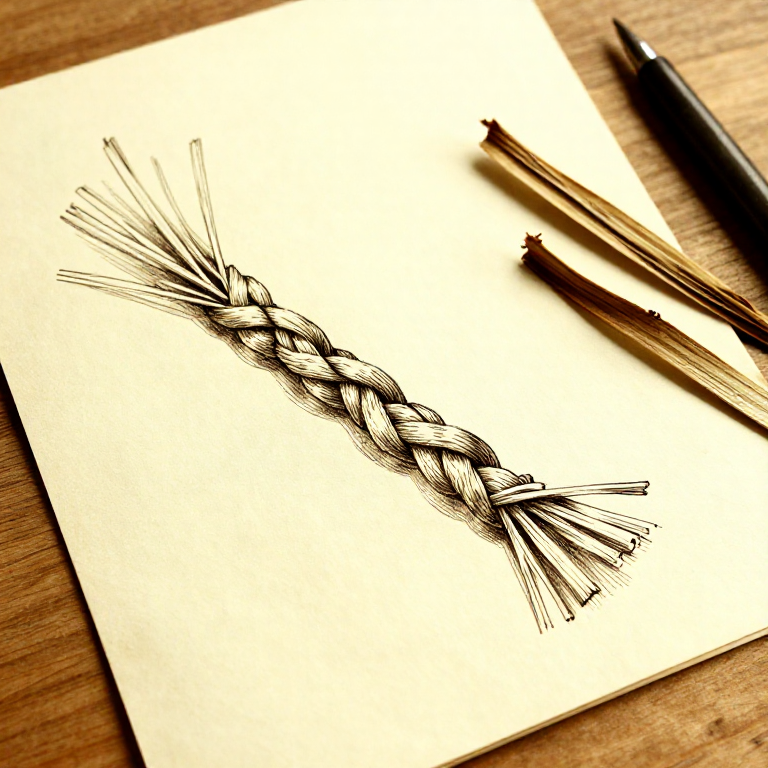


Making Rope from Plant Fibers — Reverse-Wrap Cordage
Make strong rope from plant fibers using the reverse-wrap two-ply method. One of the most fundamental survival skills — needed for shelter, traps, tool hafting, and more.
Анхан шат
30-60 minutes
Зааварчилгаа
1
1
Harvest Fiber Plants
Harvest Fiber Plants
Collect dried stalks of nettle, dogbane, milkweed, or inner bark of linden/cedar. 8-10 stalks per meter of rope. Fall/winter stalks work best — dry and brown.
Энэ алхмын материал:
 Хатаасан ургамлын ишлэг10 иш
2
2
Extract Fibers
Extract Fibers
Crush stalks by rolling between hands or pounding with a stone. Peel away outer bark to reveal long inner fibers. Remove any woody pith.
Энэ алхмын материал:
Хатаасан ургамлын ишлэг10 ишШаардлагатай багаж:
 Гөлгөр чулуу
3
3
Reverse-Wrap Technique
Reverse-Wrap Technique
Twist both halves clockwise, then let them wrap counter-clockwise around each other. The opposing twists lock the rope together.
Дизайн
Diagram: two fiber bundles shown twisting in opposing directions
4
4
Splice to Extend
Splice to Extend
Before a strand runs out, overlap a new fiber by 5cm. Continue twisting — friction holds the splice. Stagger splices so both strands never join at the same point.
5
5
Finish & Test
Finish & Test
Tie an overhand knot at each end. Good cordage holds 20-50kg. For heavier loads, braid 3 finished cords together.
Шаардлагатай багаж
2- Түр орлуулагч
- Түр орлуулагч
Холбоотой загварууд
Эдгээр загварууд мэдлэг хуваалцдаг — арга техник, материал эсвэл зарчим

CC0 Нийтийн домэйн
Энэ загвар CC0 дор гаргагдсан. Та зөвшөөрөл авахгүйгээр хуулах, өөрчлөх, түгээх, ашиглах боломжтой.
Загвараар дамжуулан бүтээгдэхүүн худалдаж авч Бүтээгчийг дэмжээрэй Бүтээгчийн шимтгэл Борлуулагчаар тогтоосон, эсвэл энэ загварын шинэ хувилбар үүсгэж орлогоо хуваахын тулд өөрийн загварт холбоос болгон оруулна уу.