УРЛАГ
ГОО САЙХАН БА ЭРҮҮЛ МЭНД
ГАРААР ХИЙСЭН
СОЁЛ БА ТҮҮХ
ҮЗВЭР НААДАМ
БАЙГАЛЬ ОРЧИН
ХООЛ БА УНДАА
УРВУУ ИНЖЕНЕРЧЛЭЛ
ШИНЖЛЭХ УХААН
СПОРТ
ТЕХНОЛОГИ
ӨМСДӨГ ХЭРЭГСЭЛ
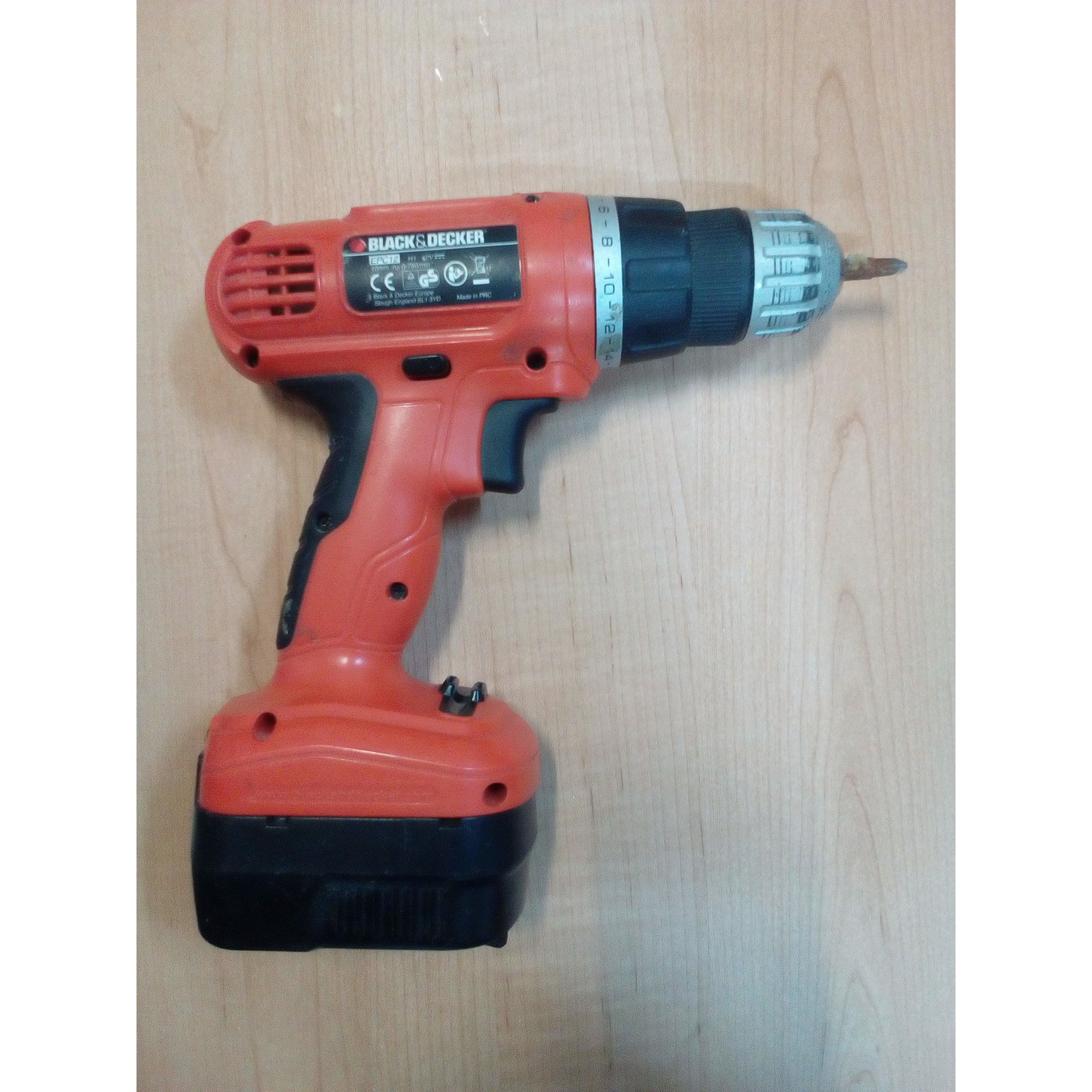

Cutting the Cord: What Changes When the Supply Runs Out
The corded drill rung ended with a tool that will run all day and go exactly as far as its cable. Take the cable away and almost nothing about the motor changes — but everything about the supply does.
A wall socket is stiff and effectively infinite. A battery is neither. Its voltage sags the moment you load it, falls steadily as it empties, and one day in the middle of a job simply stops. Designing around those three facts is what separates a cordless tool from a corded tool with a battery bolted on.
This rung measures all three on a tool you already own, and turns them into the only number that matters at the bench: how many holes before you have to stop.
Анхан шат
About 2 hours
Зааварчилгаа
1
1
Measure the pack with nothing attached
Measure the pack with nothing attached
Take the pack off the tool and put the meter across its main terminals — the two outer ones, usually marked **B+** and **B−**. Read the voltage of a fully charged pack, then of one you have just worked flat, and write both down.
An 18 V pack is not 18 V. Five lithium cells in series read about **21 V** full and about **15 V** flat; 18 V is the nominal figure somewhere in the middle. A 14.4 V nickel-cadmium pack is twelve cells at 1.2 V and reads about 16 V off the charger. The number on the label is a naming convention, not a measurement.
Now do the same on the corded tool from the previous rung for comparison: the mains voltage at the socket is the same before you start, while you work and when you finish. That difference — a supply that does not move against one that moves constantly — is the entire subject of this rung.
Record the pack's markings too: chemistry, nominal voltage, amp-hours. You need the amp-hour figure in step 3.
Шаардлагатай багаж:
 Тоон мультиметр — автомат хязгаар, жинхэнэ RMS
2
2
Load it, and watch the voltage fall away from you
Load it, and watch the voltage fall away from you
Fit the pack, clamp a scrap of pine in the vise, and fit a 10 mm bit. You are going to measure the pack **while it works**, so you need the meter on the terminals during the cut. On most packs the terminal block is still reachable with fine probes or small alligator clips when the pack is fitted; if yours is not, clip onto the tool's own contacts with the trigger locked out before you start.
Take three readings:
1. **Open circuit** — trigger released.
2. **Free running** — trigger full, bit spinning in air.
3. **Under cut** — mid-way through a hole, leaning on it.
Then do the same in hardwood, and again in steel if you have a scrap.
Put the clamp meter round one pack lead if you have one, so you have a current to go with each voltage. If you do not, you can still work the resistance out later from any two points where you know the current — the free-running current is usually printed in the tool's manual.
The pack's **internal resistance** is the slope of that line: take any loaded reading, subtract it from the open-circuit reading, and divide by the current. A healthy 18 V lithium pack lands somewhere near 0.05–0.15 Ω. A tired nickel-cadmium pack can be several times that, and it is the rise in this one number — not a loss of capacity — that makes an old pack feel gutless long before it feels short-lived.
Энэ алхмын материал:
 Нарсан банз1 ширхэг
Шаардлагатай багаж:
 Утасгүй өрөм
 Өрмийн үзүүрийн иж бүрдэл
 Ширээний хавчаарТоон мультиметр — автомат хязгаар, жинхэнэ RMS
 AC/DC 600 A хавчаарт хэмжигч
 Матан хавчаартай туршилтын утас
 Тунгалаг хамгаалалтын нүдний шил
3
3
The budget, in holes
The budget, in holes
Jupyter дэвтэр ачаалж байна…
4
4
Drill until it stops, and plot what you felt
Drill until it stops, and plot what you felt
This is the step that makes the previous three concrete, and it takes one charge and about forty minutes.
Charge the pack fully. Clamp a long offcut of pine. Drill 10 mm holes 40 mm deep, in a row, counting them, and every tenth hole stop and record three things: the hole number, the open-circuit pack voltage, and how long that last hole took on the stopwatch. Keep going until the tool will not finish a hole.
Plot hole time against hole number. You will see the shape the notebook predicted: a long flat middle where nothing much changes, then a knee, then a short steep collapse. That shape is the cell's open-circuit curve showing through the tool, and it is why a cordless tool feels fine right up until it does not. There is very little warning built into the physics.
Two things to notice while you work. First, the **pack gets warm** — that is the I²R heat from step 2, and it is a straight loss. Second, a pack that has rested for a few minutes reads higher and will give you a couple more holes; the voltage recovers because the internal concentration gradients relax, not because any charge came back.
Keep the plot. Rung 3 changes the contacts and the pack construction, and this is the measurement that shows whether any of it made a difference.
Энэ алхмын материал:
Нарсан банз2 ширхэгШаардлагатай багаж:
Утасгүй өрөмӨрмийн үзүүрийн иж бүрдэлШирээний хавчаарТоон мультиметр — автомат хязгаар, жинхэнэ RMS Секунд хэмжигч
 Хэт улаан туяаны термометрТунгалаг хамгаалалтын нүдний шил
 Лабораторийн тэмдэглэлийн дэвтэр (хуулбартай)
5
5
History and context
History and context
**Attribution, stated honestly.** The first commercially successful cordless drill is credited to **Black & Decker** in **1961**, a 1.25 A·h nickel-cadmium tool aimed at electricians working where there was no power yet. A specific patent number for it could not be verified from the sources reachable here, so none is asserted — the company's portfolio around portable tools is large and the sources disagree about which filing covers the 1961 machine. What is not in doubt is the mechanism, and the mechanism is the point: the same universal-motor-and-gearbox drill of the previous rung, running from sealed cells instead of a cord, which is only possible because of the rung before this one.
The same firm's **lunar sample drill**, built for Apollo under NASA contract in the same decade, is often told as the origin story. It is the wrong way round: the cordless tool came first and the space work pushed hard on motor efficiency and heat, which came back into the consumer tools afterwards.
**What actually limited it.** Nickel-cadmium gives about 40–60 Wh per kilogram. A 1961 pack held about 15 Wh, two-fifths of the 18 V lithium pack in step 4 and in a heavier case, which is why early cordless drills were sold for driving screws and drilling soft material, and why every professional kept the corded tool for anything serious for the next thirty years. The tool did not get better in one step. The **cell** did, in two: the pack (rung 3) and then the chemistry (rung 4).
**Honest limits today.** A cordless tool is still worse than a corded one on every axis except the one that matters most: it is worse on sustained power, worse on weight, worse on cost per watt, and it stops. It wins because setup time is usually a bigger fraction of a job than cutting time, and a tool you can pick up and use is worth more than a better tool you have to run a cable to.
Материал
1- 2 ширхэгТүр орлуулагч
Шаардлагатай багаж
10- Түр орлуулагч
- 1 vendor sell this, none ship to you yetТүр орлуулагч
- Түр орлуулагч
- Түр орлуулагч
- Түр орлуулагч
- Түр орлуулагч
- Түр орлуулагч
- Түр орлуулагч
- Түр орлуулагч
- Түр орлуулагч
Холбоотой загварууд
Эдгээр загварууд мэдлэг хуваалцдаг — арга техник, материал эсвэл зарчим
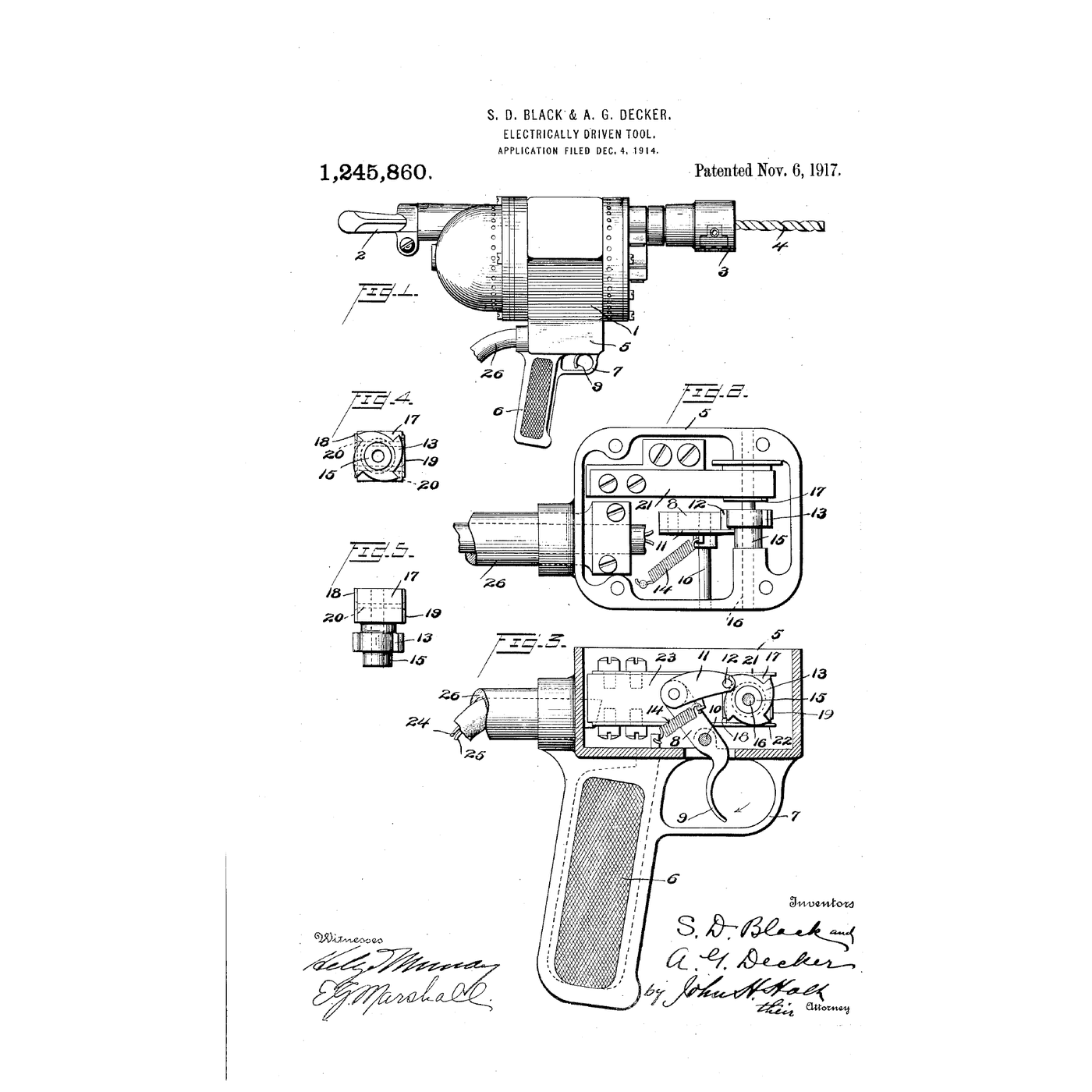
The Trigger and the Pistol Grip: The Switch You Do Not Have To Let Go Of
Emma зохиосон
Багаж
22
0
0
0
0
0
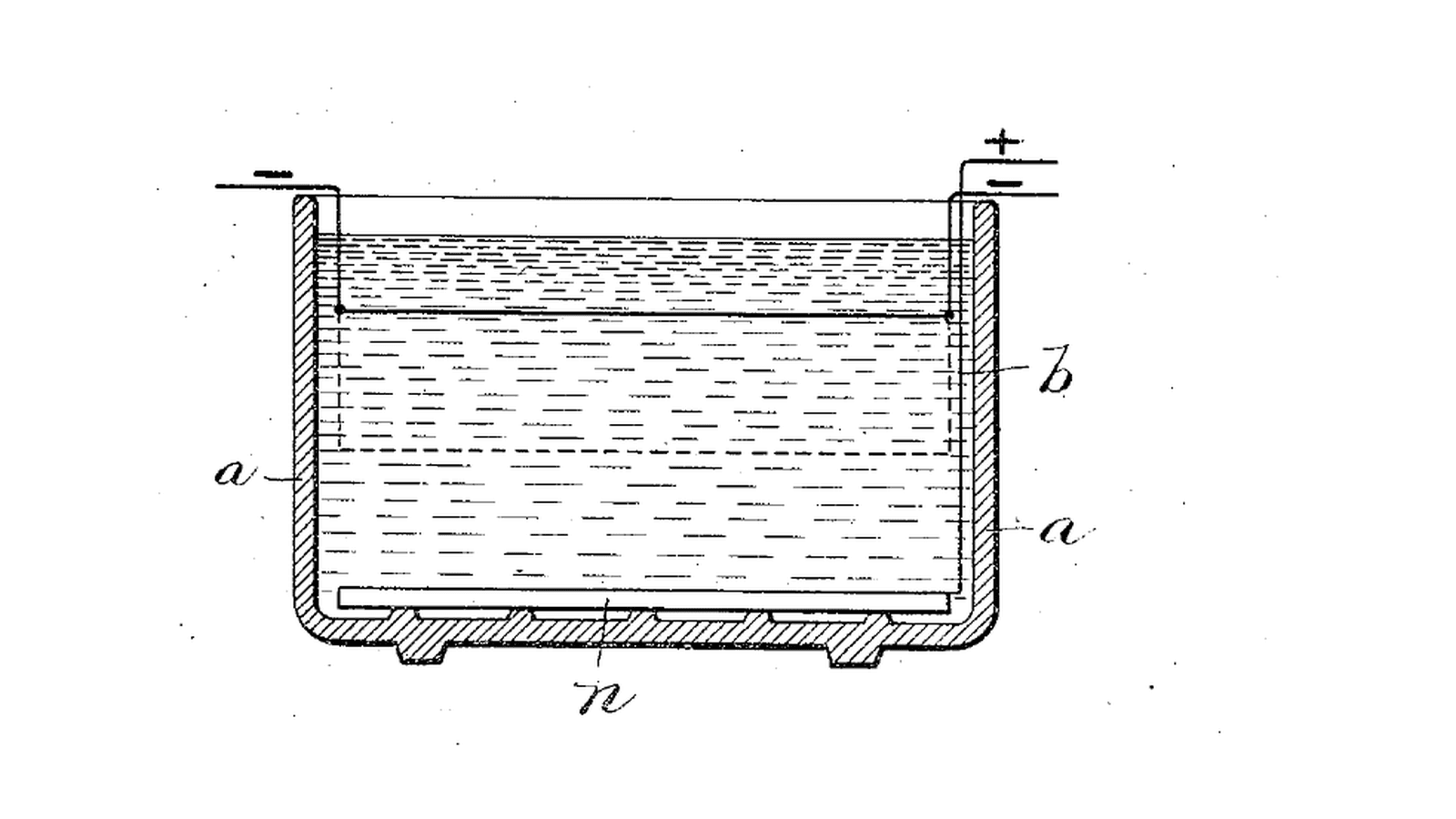
Аюултай
Jungner Nickel-Cadmium Accumulator
Mary зохиосон
Бусад
61
0
0
0
0
0
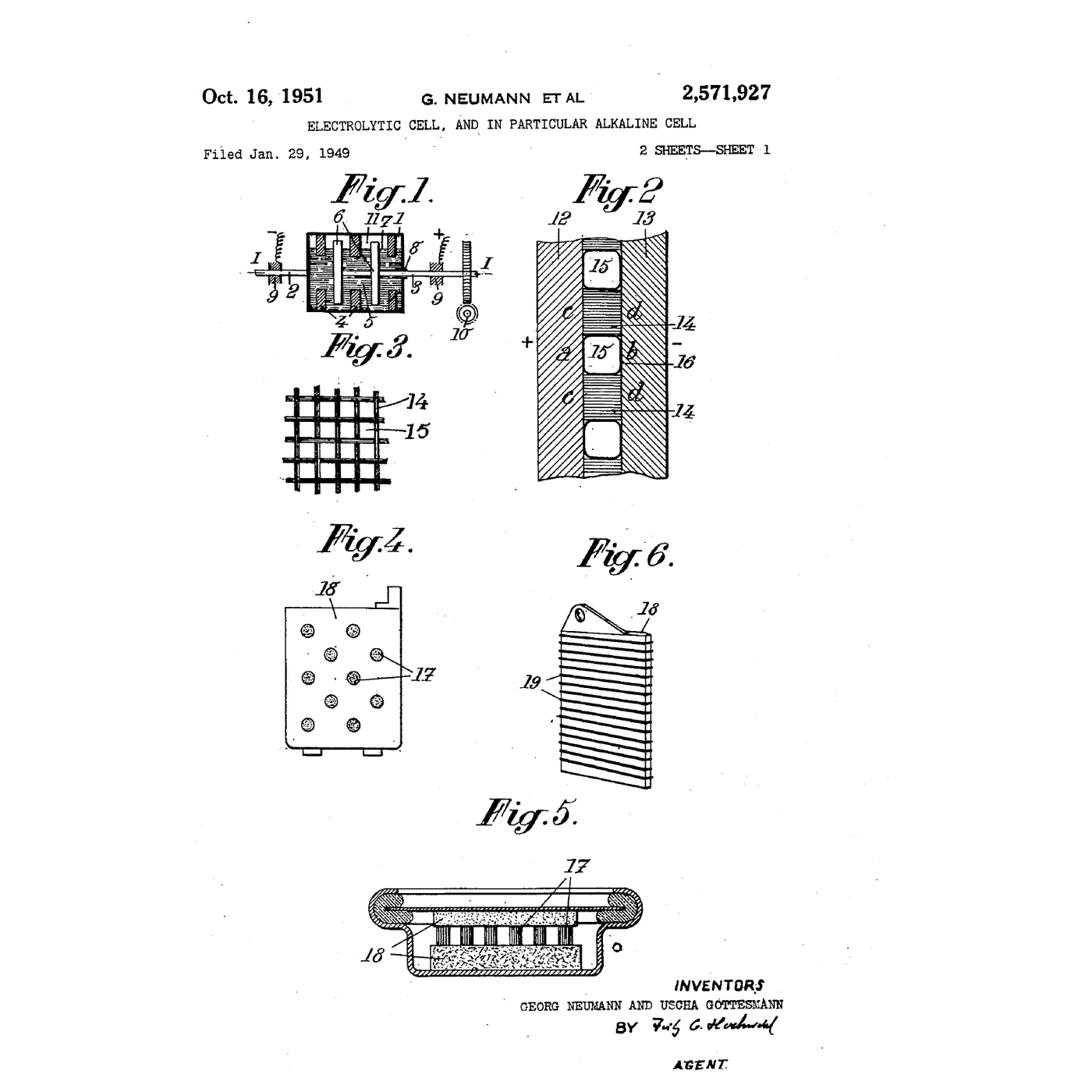
The Sealed Cell: Catching the Gas Before It Leaves
Mary зохиосон
Эрчим хүч
41
0
0
0
0
0
Power: Why It Works on USB and Dies on a Battery
Volt зохиосон
Электроник
42
0
0
0
0
0
CC0 Нийтийн домэйн
Энэ загвар CC0 дор гаргагдсан. Та зөвшөөрөл авахгүйгээр хуулах, өөрчлөх, түгээх, ашиглах боломжтой.
Загвараар дамжуулан бүтээгдэхүүн худалдаж авч Бүтээгчийг дэмжээрэй Бүтээгчийн шимтгэл Борлуулагчаар тогтоосон, эсвэл энэ загварын шинэ хувилбар үүсгэж орлогоо хуваахын тулд өөрийн загварт холбоос болгон оруулна уу.